Harnessing creativity and innovation through Book Fairs: The case of Zimbabwe
By Collence Takaingenhamo Chisita
Yes, it’s that time again when the beautiful Harare Gardens resembles an intellectual place of pilgrimage for bibliophiles and all those engaged in the book trade who throng Harare Gardens to witness and experience the cathartic ambience of the annual Book Fair. It is not Frankfurt, neither is it London or Capetown but Harare the Sunshine City of Zimbabwe. The atmosphere is wonderful and so gratifying that people of all ages will be seen hob-nobbing each other in a carnival atmosphere of charming flowers, trees and human nature. Such an alluring place is a real sanctuary from the jostle and flurry of life in the concrete jungle. This year’s theme was “African Literature in the global and Digital Era”. The topic was really indicative of how developing countries grapple with the digital divide and cultural homogenisation associated with globalisation. The presentations and discussions ignited greater interest among participants who were given an opportunity to interrogate presenters and also add on their voices to the presentations.
This year’s sessions were divided into two firstly; African literature and Criticism and African literature and Digitisation on the first day and secondly; Identity and Literature in Africa, Copyright, Access to Books and Piracy in Africa and The Threat of Globalization to African Culture and Languages. There were also other activities including Young person’s Indaba, live literature, meet the author, and the famous reading tent for Children. All these activities add to the flavour and fascinating atmosphere characterising of the Zimbabwe International Book Fair.
The weeklong event kicked started at Crown Plaza Monomotapa on the 30th Of July, 2012 with enchanting and hair-splitting art of conversation in the form of song poetry from Albert Nyathi and Moreblessing Size. Then it was time for the keynote speech from Professor Bhebhe who highlighted the critical role of literature in sustaining culture and the need to use ICT’s to promote African literature. Other invited guests included government ministers from Ministry of Information and Communication and that of Education Sports and Culture, Norwegian Ambassador and academicians and publishers among others. The theme of using modern technology to promote or leverage African literature was like a thread that wove through most of the presentations in the main Indaba. What a way to shake of the week-end melancholy and lassitude through poetry, knowledge and insightful presentations from the learned?
The first presentations explored topics ranging from Ubuntuism and African philosophies, African identities, and African Literature and Criticism. One would have thought they were in a lecture theatre for literary criticism at a World Class University. These presentations punctuated by brief question and answer sessions kept the audience activated. After a sumptuous lunch in a socially convivial atmosphere, the afternoon session resumed to tackle the real issues relating to the Challenges and Opportunities of African literature in the Digital Era. The presenters tackled issues surrounding writing, publishing and digital divide and digital dividends.
The last session of the day dealt with challenges and opportunities of online learning, bibliographic control and social media and African literature. My presentation was on “Which Way Zimbabwe National Bibliography? Challenges of Enforcing Legal Deposit in the Context of ICT’s?”This paper critically examined the challenges of enforcing legal deposit laws in both analogue and digital environmenmts.It made references to the Printed Publications Act , National Archives Act and Broadcasting services Act of Zimbabwe with reference to legal deposit of Sound and Audio Archives. The paper recommended financial, material and technical support to enable responsible institutions to come up with a national bibliography and the need to use modern technology as a tool to reposition Zimbabwe in the digital era.
Other equally important presentations centred on Copyright, digitisation and legal access and enforcement of copyright laws. However, I felt that digital rights and access issues should have been given more time considering that most institutions like Universities were building institutional repositories and have to grapple with digital rights issues. It would be prudent for the organisers to bring more of those people dealing with management of digital resources on board to share knowledge with others. It was also critical that next time, people responsible for digitisation and access like, librarians and archivists should be given more time to share their experiences with the audience. It was interesting to have a representative from the police clarifying issues surrounding copyright violations like piracy considering that sporadic raids have been made on the streets of Harare to deal with pirates. Quite a number of critical issues needed adequate attention, for example, digital literacy, multimodal literacy and digital rights management among other issues.
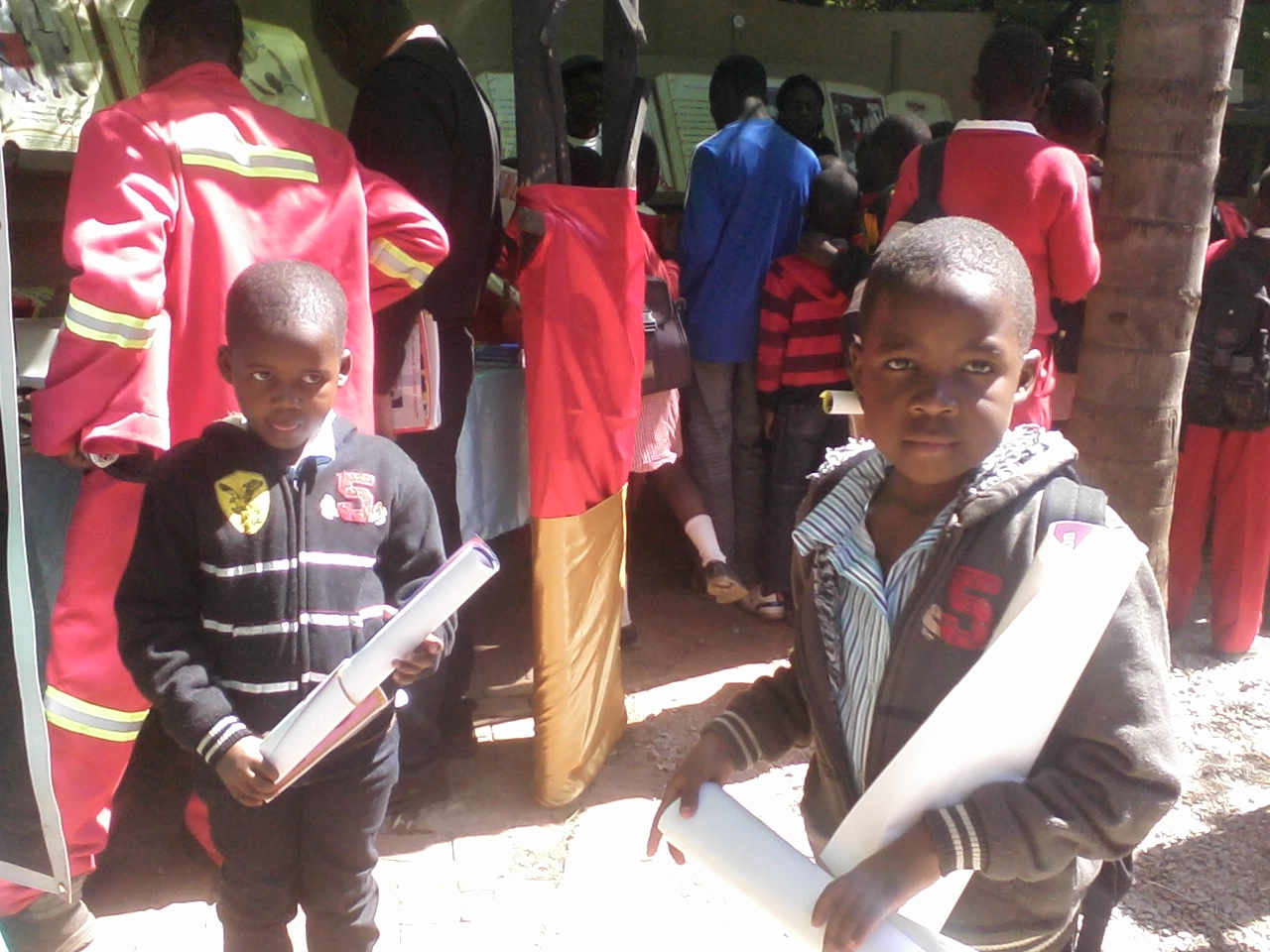
The other notable events included Young person’s Indaba and Children‘s reading and the exhibitions in the garden. In the Young person’s Indaba students from various schools surrounding Harare and other parts of the country contributed towards a compilation of stories and poems. The young ones really used their time, creative and innovation to come up with a splendid compilation reflecting on issues that affect them as young people, for example, cultural identity, norms of reciprocity, traditions, dignity, HIV/AIDS, social inclusion and education among others. These materials were then uploaded on the ZIBF website on (http://www.zibfa.org.zw/index.php/book-fair/indaba-stories-2012-book).The stories are so inspiring and an indication of the immense potential that young people have in creative writing and shaping the future. It was amazing seeing children using technology to create content. Chinua Achebe states that “It is the storyteller, who makes us what we are, who creates history. The storyteller creates the memory that the survivors must have – otherwise their surviving would have no meaning”.
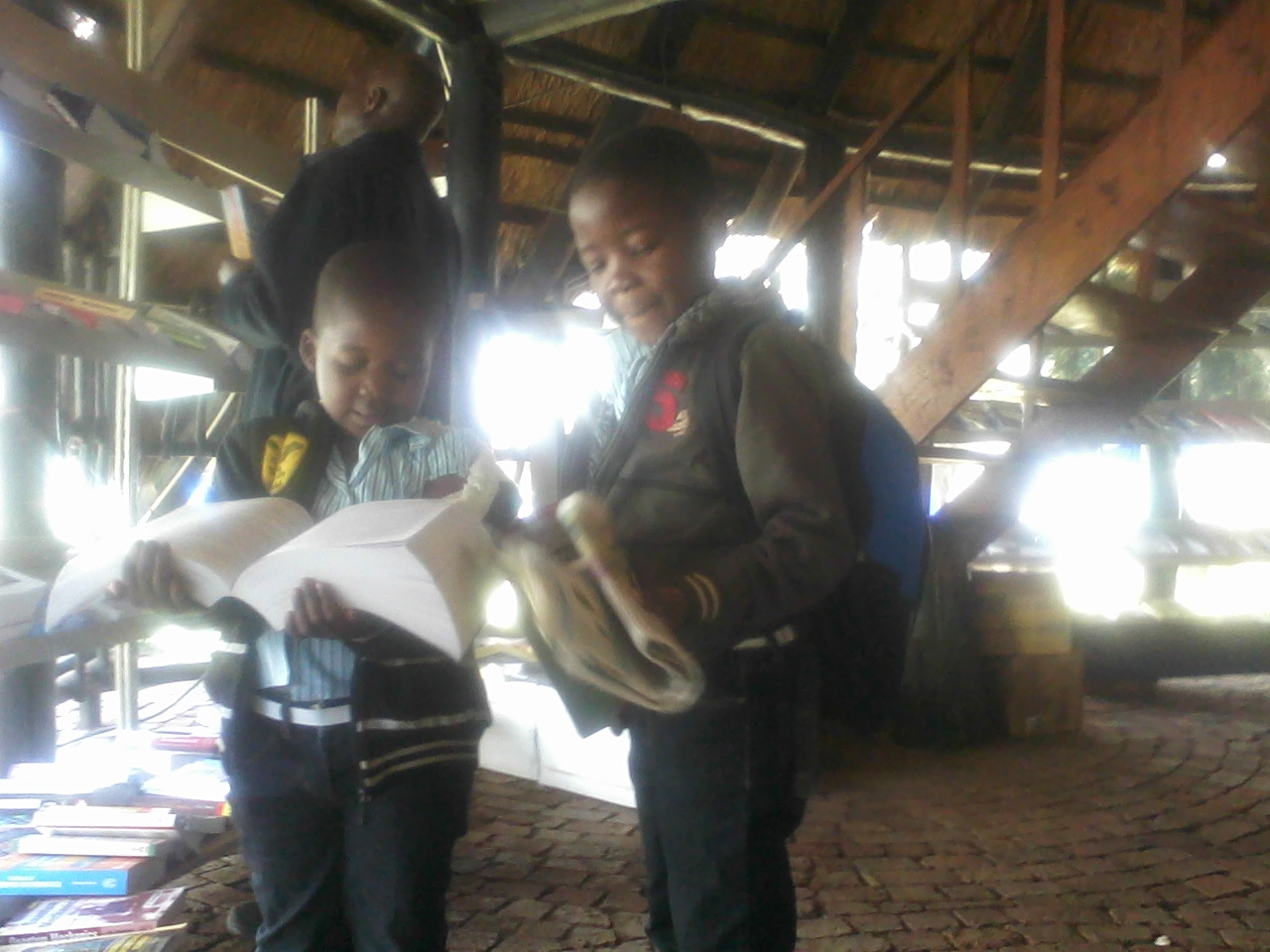
The Children’s reading tent was also a hive of activity as children deeply immersed themselves in dialogue with each other and different story tellers. It provided a platform for intergenerational dialogue as children interact with elders. The story tellers were from all races both black, and white .It was amazing how children were deeply engrossed in story telling sessions , to the extent that they staid till five o’clock in the evening. Story tellers captivated the children through prizes consisting of reading books, sweets, and cakes and writing pads. They listened, sang, read, talked and enjoyed. This was a real communal participatory experience and an authentic reflection of African communal life, thanks to the Harare City Library and other volunteer story tellers. Exhibitors also had competitions which attracted students throughout the book week. I think that if there are more active exhibitors who will provide support to cultural activities like book launches, young people’s Indaba, Main Indaba and Children reading tent the Book Fair will restore its glamour.
However the Book Fair is not just about the social events, but also of equal importance is the commercial side with regards to trade and more needs to be done to improve this aspect. The organisers need to restrategise on how to enhance the commercial side of this great event so that eventually it becomes a self sustaining institution. This can be possible through engaging communities, entering into Public and Private Sector Partnerships (PPP’s).Generally it is interesting to note that the event has become a critical one on the cultural calendar of the country and its international outlook should be enhanced as the country seeks to position itself in the global knowledge economy. If funds permit there is also need to time table parallel sessions to cater for the varying interests of the audience.