Category Archives: General

Community Library in Brazillian Legal Amazon

IFLA_Adriana-Cybelle-Ferrari


Vaga Lume (Fireflies) Association supports libraries creation and promotes cultural exchange between rural communities in Brazilian Legal Amazon.

Vaga Lume Association was born fifteen years ago and its objective is to improve book and reading access for the youth of 149 rural communities of 23 cities in Brazilian Legal Amazon, at the same time of local cultural appreciation.

This project is given by Expedition Program which has three pillars in its methodology based in the encourage of local culture: the library structure donation that includes books, bookcase and mats ; the education of community volunteers as reading mediators that includes project promotion; and yet, the promotion of community library management, its maintenance and operation.

All actions should be implemented together since they are complementary and stimulate the taste for reading in children and teenagers but also in adulthood. By the public incorporation in their daily, rural education improvement, in short and long term, is expected.

Some of the operation libraries:

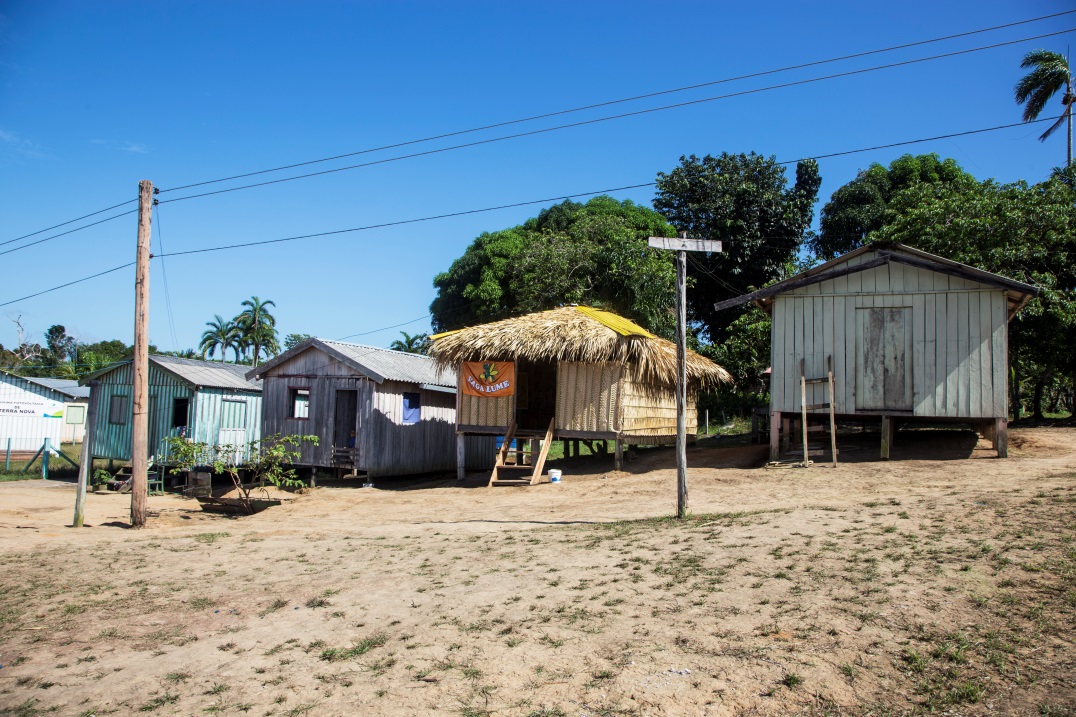
Luz do Saber Library, Terra Nova Community, City of Barcelos (AM)
one

 Luz do Saber (Light of Knowledge) was the name chosen by local residents for the community library then called Vaga Lume and created in 2011 when the first reading mediators had their graduation. Its base was built in 2013 by the hands of Terra Nova (New Earth) Community residents and its made by wood, fenced and covered with straw, valuing its cultural elements.

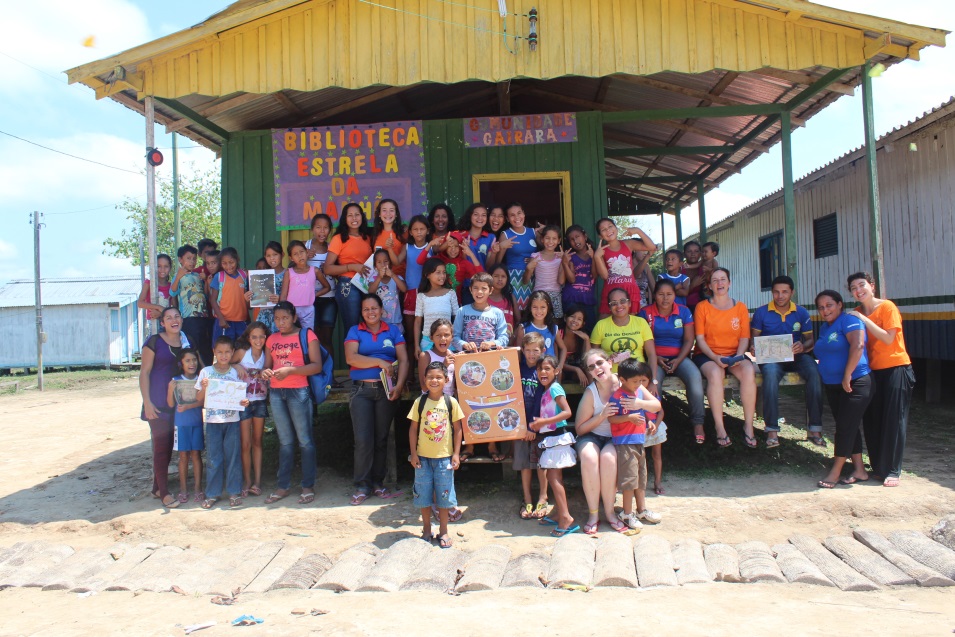
Estrela da Manhã Library, Cairara Community, City of Tefé (AM)
two

Estrela da Manhã (Morning Star) Community Library is located next to Tefé municipal school and on the Caiambé river. It was built in wood under blockhouse and house nearly 350 books sent by Vaga Lume since 2008 when the Expedition Program reached the community.

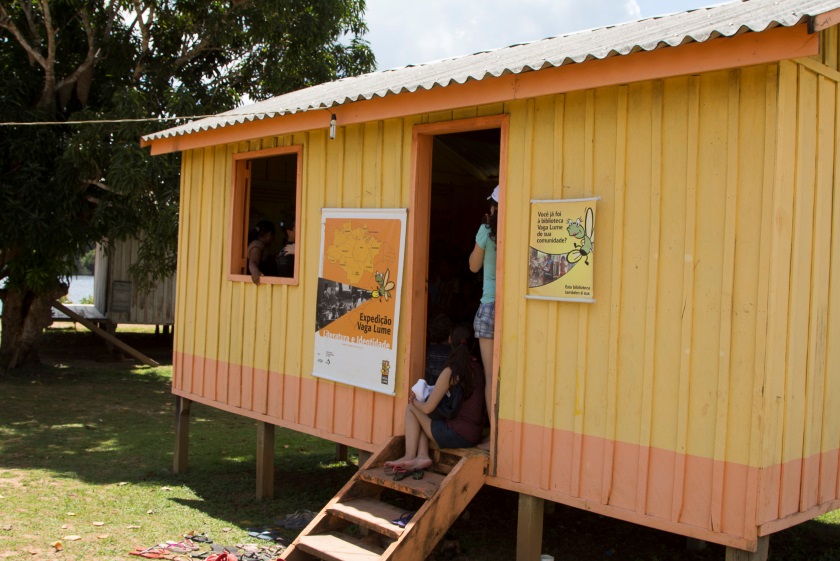
Vaga Lume Library, Tapiíra Community, City of Barcelos (AM)
three

Vaga Lume Library is located on Tapiíra Community in the city of Barcelos and was created in 2006. In the beginning it took place in the community’s school classroom where reading mediations were done with the students. In 2013, with the support of all, the Library base was built where its teacher and local leader, Rosany Soares da Silva, begun to coordinate the operation with the graduated team and other volunteers.

Alberto Ribeiro – Nosso Contador de Histórias Community Library, Vista Alegre Community, City of Caracaraí (RR)
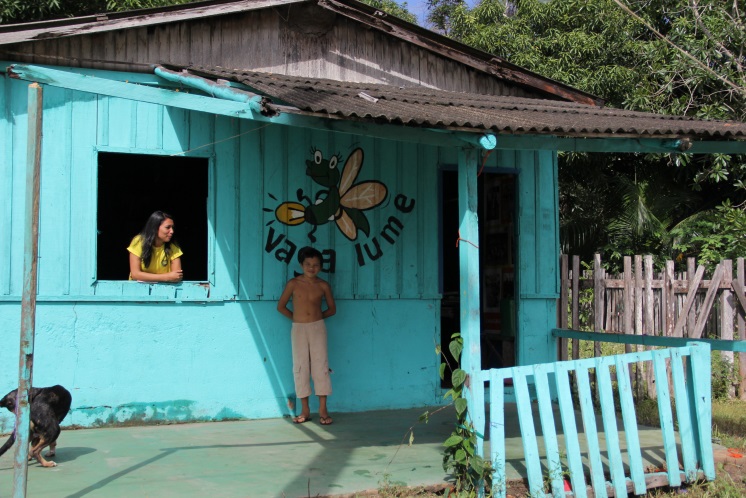
 four

In Alberto Ribeiro Community Library the children are the truly library managers and everyday they organize plays, musical presentations and also reading mediations

Beija-Flor Library, Tracajatuba Community, City of Macapá (AP)
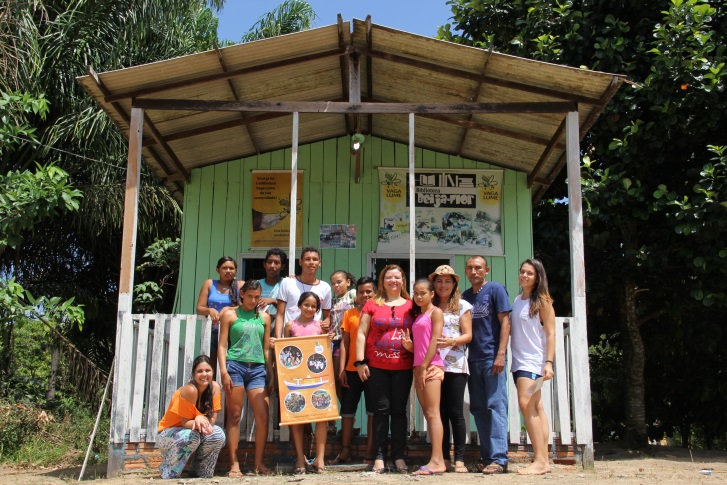
 five

Beija-Flor Library is located in Tracajatuba Community in the city of Macapá and was created in 2008. Its own base was built by the community under the leadership of a teacher called Marcio. As the people begun to feel part of the project they start to to run library’s management activities. Today, they are the main responsible for library’s operation.
Win a scholarship to the next 2017 NEXT Library Festival

news_0

EIFL and Aarhus Public Libraries are inviting public and community librarians from developing and transition economy countries to apply for scholarships to attend the 2017 Next Library International Festival in Aarhus, Denmark. The 2017 Next Library Festival takes place from 11 – 14 June 2017 in Dokk1 – Aarhus’s award-winning public library building. It brings together forward-thinking library professionals, innovators and decision-makers from around the world – people who are pushing boundaries and making changes to support learning in the 21st century.

  •  The call is open to public and community librarians who are currently working in a library and who have a minimum of three years’ experience and a maximum of 10 years’ experience as a librarian or information professional.
  • The scholarship covers travel to Denmark, visa costs, the conference fee, and all local conference-related travel, accommodation and subsistence.
  • The deadline for applications is 7 November 2016 – so start applying now!

For full details and to find an application form head to our web site

The Tyre Repair Shop Library

IFLA_Adriana-Cybelle-Ferrari


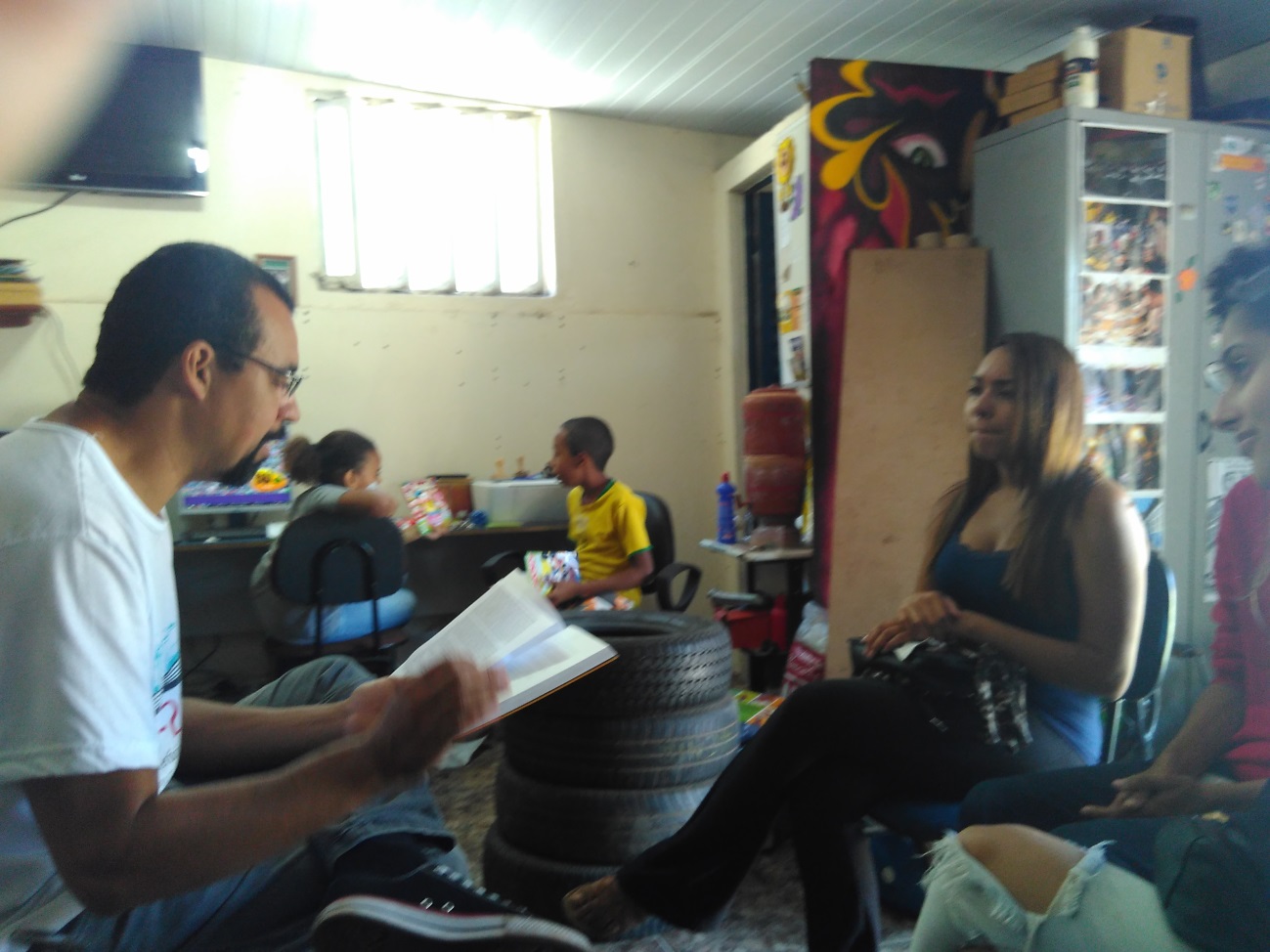
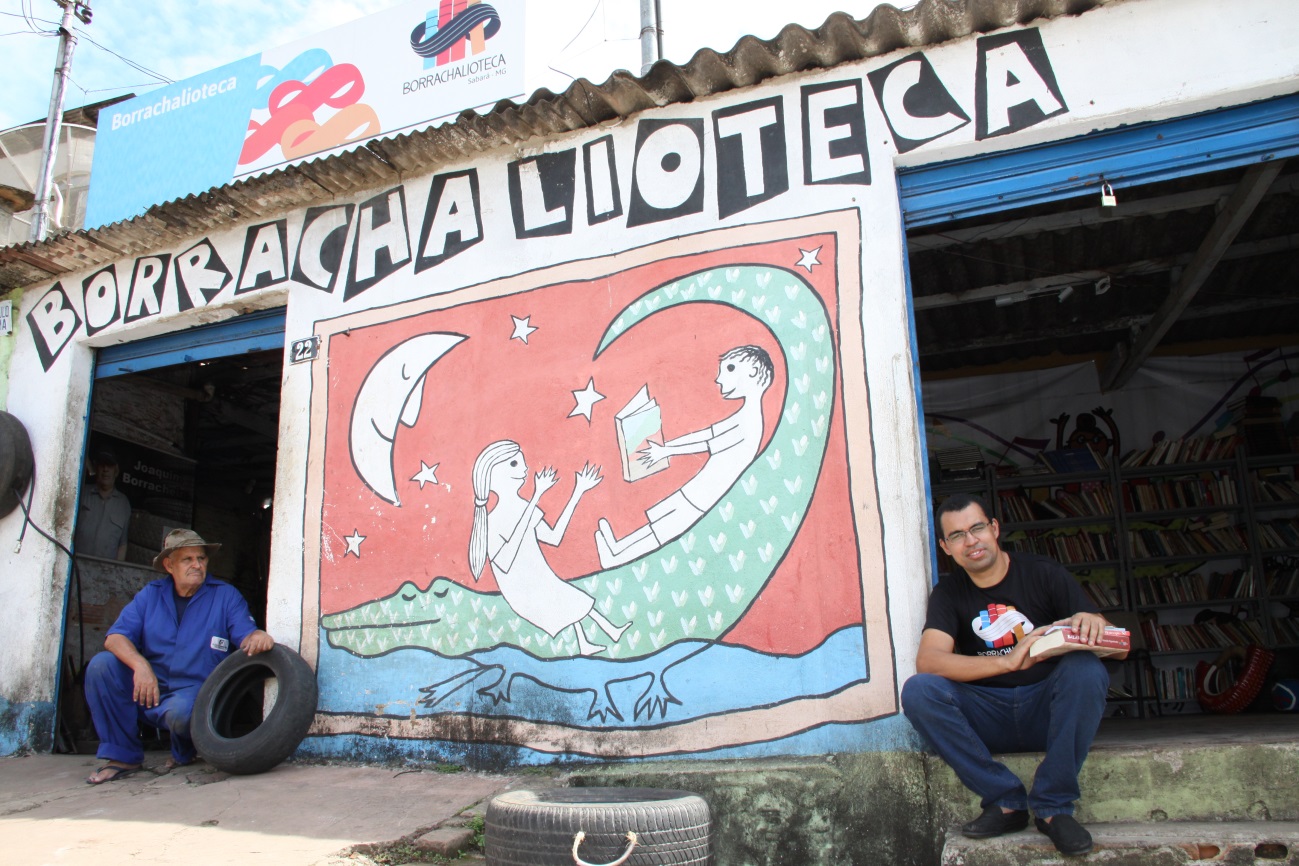
The Tyre repair shop library called ‘Borrachalioteca’ in portuguese, is a community library based in Caieiras neighborhood in Sabará/Minas Gerais, Brazil. Created in 2002 by Marcos Túlio Damascena this project came from the interest in daily reading by his father’s shop clients which led to an installation of a bookcase filled with some book materials. This initiative received the Viva Leitura Prize in 2007 from Ministry of Culture, Education and Iberoamerican States Organization for Education Science. Besides that the project also integrates the national network of community libraries.

Tulio Dasmaceno  (creator) and his father

Tulio Dasmaceno (creator) and his father

The collection and service are distributed in three units: Son Salvador room in Cabral neighborhood (2008); House of Arts in Central neighborhood which gives place to Cordelteca Olegário Alfredo (2010) and Release Space for Reading in Sabará Prison (2010).

tyre

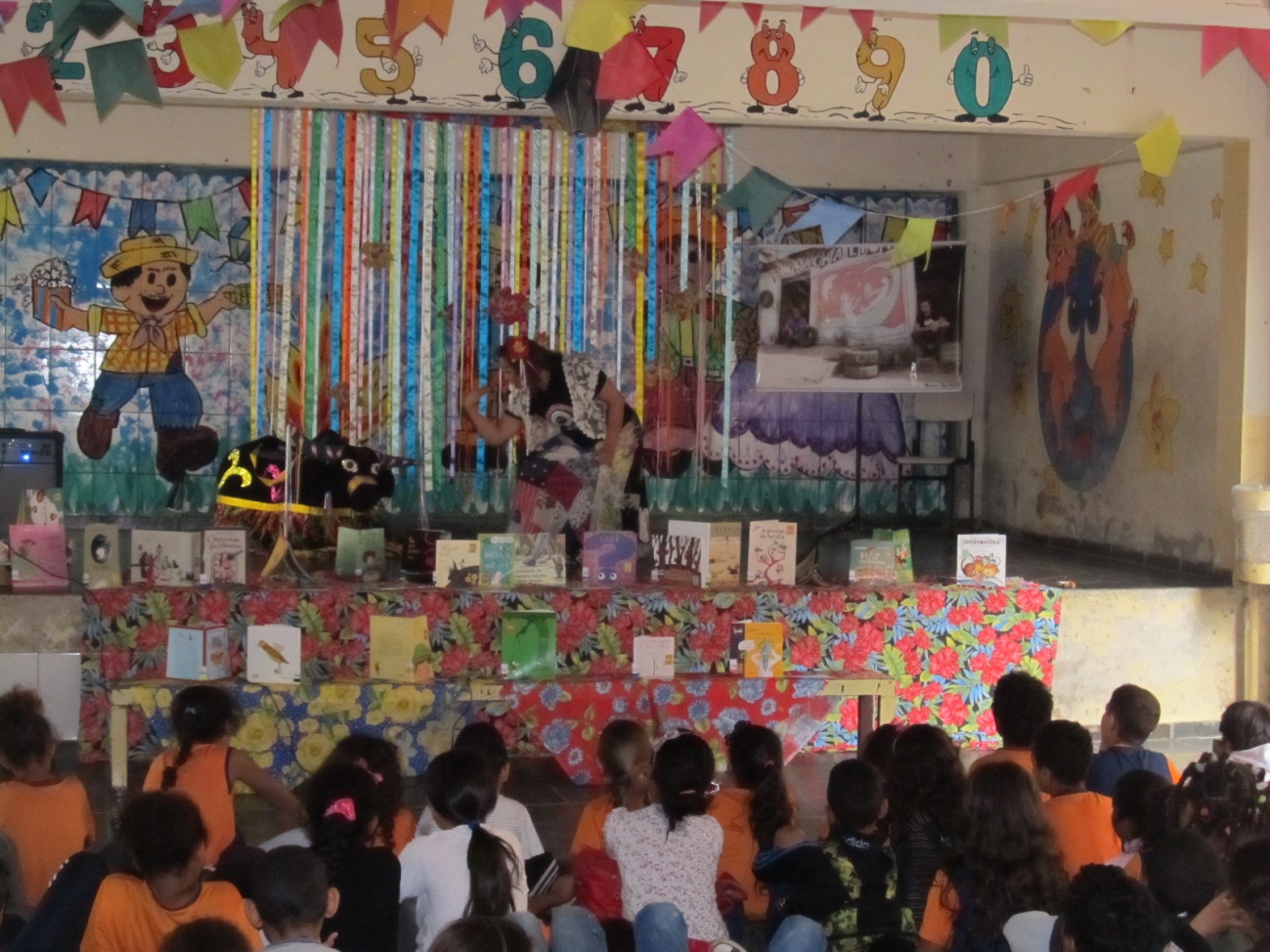
Among the activities and services offered to community are the loan books, internet computer access, cultural workshops, artistic performances, exhibition Cordel, reading mediation, storytelling and other reading promotion projects as Light Collection distribution (a book which periodically publishes literary works distributed for free) and Bread and Poetry participation project which disseminates poetic texts in bread packages specially made for the occasion.

three

The Tyre repair shop library  was the first community library in national territory to coordinate a Literary Party. It also brought city seminars, cultural attractions, authors, illustrators, storytellers and work shoppers presence that made the whole city breathe literature. Around five thousand books were distributed for free in the two editions of the event. As the city doesn’t have any bookstore a library was set up in an open space to give the students of the state the opportunity of exchange worth books for new books and also the chance to talk in person to authors and illustrators.

The Tyre repair shop library, with its different way of interpreting the world, opens doors to literary development by promoting book access as a human inalienable and unrestricted right.

Community Libraries in Brazil

IFLA_Adriana-Cybelle-Ferrari


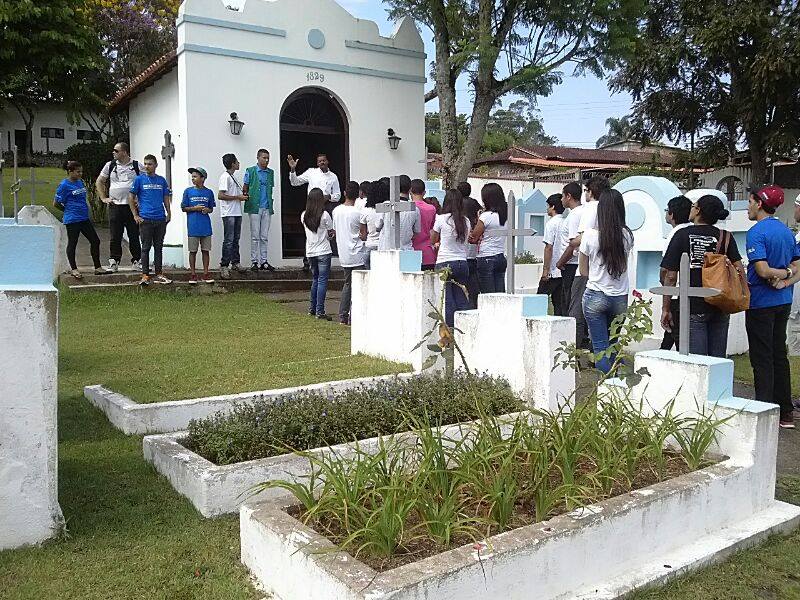
The number of public libraries is insufficient in Brazil and does not meet the demand of the population. For this reason civil society has been articulated to create and maintain “Community Libraries” to meet the demands in different parts of the country. Some of these experiences will be reported on this month. The first experience is happening in a unusual place, “Community Library Paths of Reading: the library of the cemetery”.

library

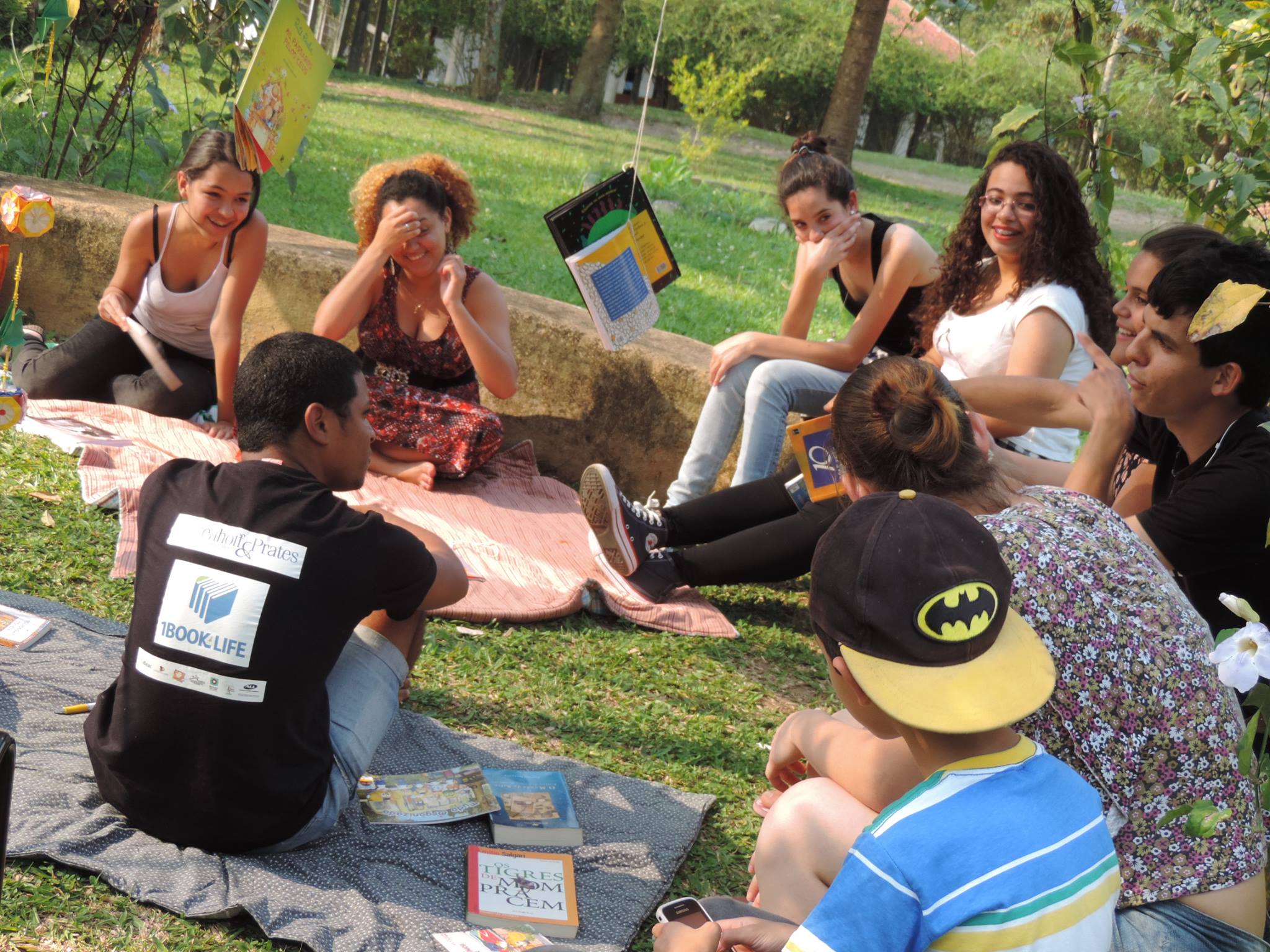
The Brazilian Institute for Studies and Community Support – Ibeac is a non-governmental, non-profit organization, created in 1981 with the mission of “Acting in strengthening education and a culture of human rights, participatory and solidarity citizenship.” Since the 1990s focuses on developing Youth Community Agents, who, from the management of community libraries, become a reference for their families, for other young people and their communities.

The Community Library Paths of Reading was born of Ibeac’s decision to focus its actions in a region with low socio-economic indicators to change what was found. Thus it reached Parelheiros in 2008, when the Universal Declaration of Human Rights celebrated 60 years and invited 60 young people to reflect on the absence of rights in their neighborhoods. The finding of the lack of cultural facilities was at the same time with the desire to have a community library.

young-people

The youth group Escritureiros (Writing Adventurers of Parelheiros) created a reading space in the basic health unit. Gradually the community library has become a reference for discussions and community needs, giving way to the first dental office in the neighborhood. Everyone mobilized to find a new location for the library. A location was indeed found: a gravedigger’s house inside a cemetery.

What could have been a cause for embarrassment and spookiness in fact became a source of pride for young people. After seven years, they have been carrying literary reading to babies, children, youth and adults; conducting training in schools, kindergartens and organizations; have had five projects supported by municipal department of culture; have participated in groups that discuss and presents proposals to the public representatives to improve educational, cultural and environmental policies; provides exchanges with other young Brazilians through social networks. The Ibeac, represented by its trainers and the youth, have been reporting in several seminars and conferences in Brazil its practice of cultural, political and social formation to young people from peripheral areas. This video will give you a greater insight

Adriana Cybele Ferrari (Brazilian Federation of Library Association – FEBAB)

Live @ The Library

IFLA_Paul Tovell


live-at-the-library


For my final guest blogger post, I want to highlight the award-winning work at Oldham Libraries – a small authority on the edge of the city of Manchester.
This year they won gold at the CILIP / PPRG Marketing Excellence Awards for their innovative work to bring in new audiences, based around the refurbishment of their performance space.

performance-space

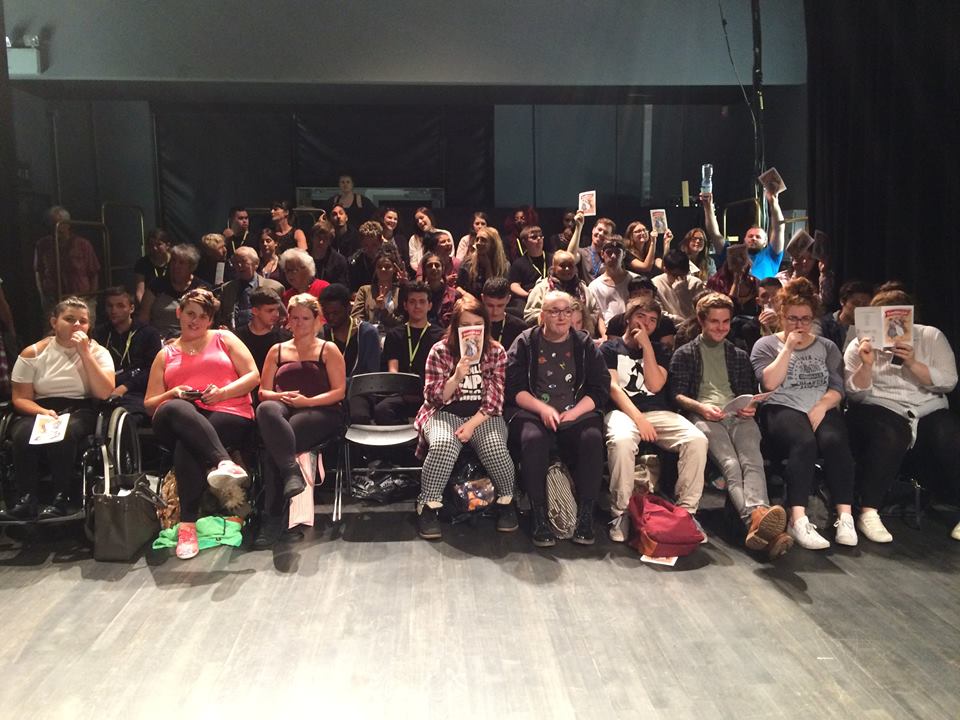
Audience in the new performance space


In 2015, Oldham council received funding from Arts Council England’s Small Capital Grants scheme, being one of the only library services in the country to have benefited from this funding. Additionally, further funding was secured from Arts Council England’s Grants for the Arts (Libraries) pot which went towards developing the successful live@thelibrary programme and brand. Their idea was to support the key strategic aims of Oldham Council Libraries to raise the profile of the library as a resource not only for learning and social development, but also as a place to experience live cultural performances.

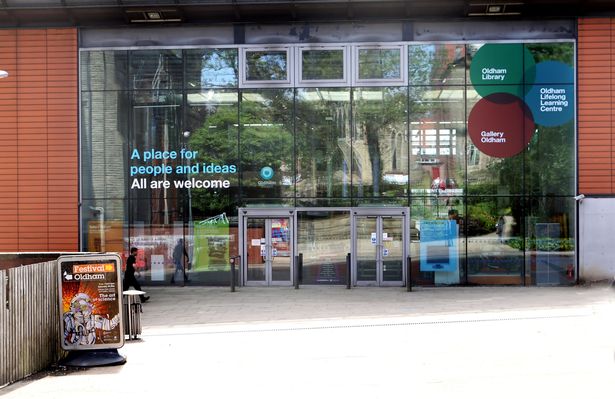
The entrance to Oldham Library

The entrance to Oldham Library

The rejuvenated performance space now has a capacity of around 80 people. The library has worked closely with other partners in Oldham to bring in a wide range of events, including musicians, drama troupes, comedians, authors and TEDx talks. The brand works extremely well, and their marketing strategy is an important part of the brand’s success. Impressively, the project has significantly increased library membership throughout its first year of operation. Surprisingly though, they don’t seem to have invested too much in their website!
I hope you’ve enjoyed the tour of new developments in UK public libraries, from Wakefield, Lambeth, Staffordshire and Oldham, and I hope they’ve made you think about what your library could do next.

Come to Code Club!

IFLA_Paul Tovell


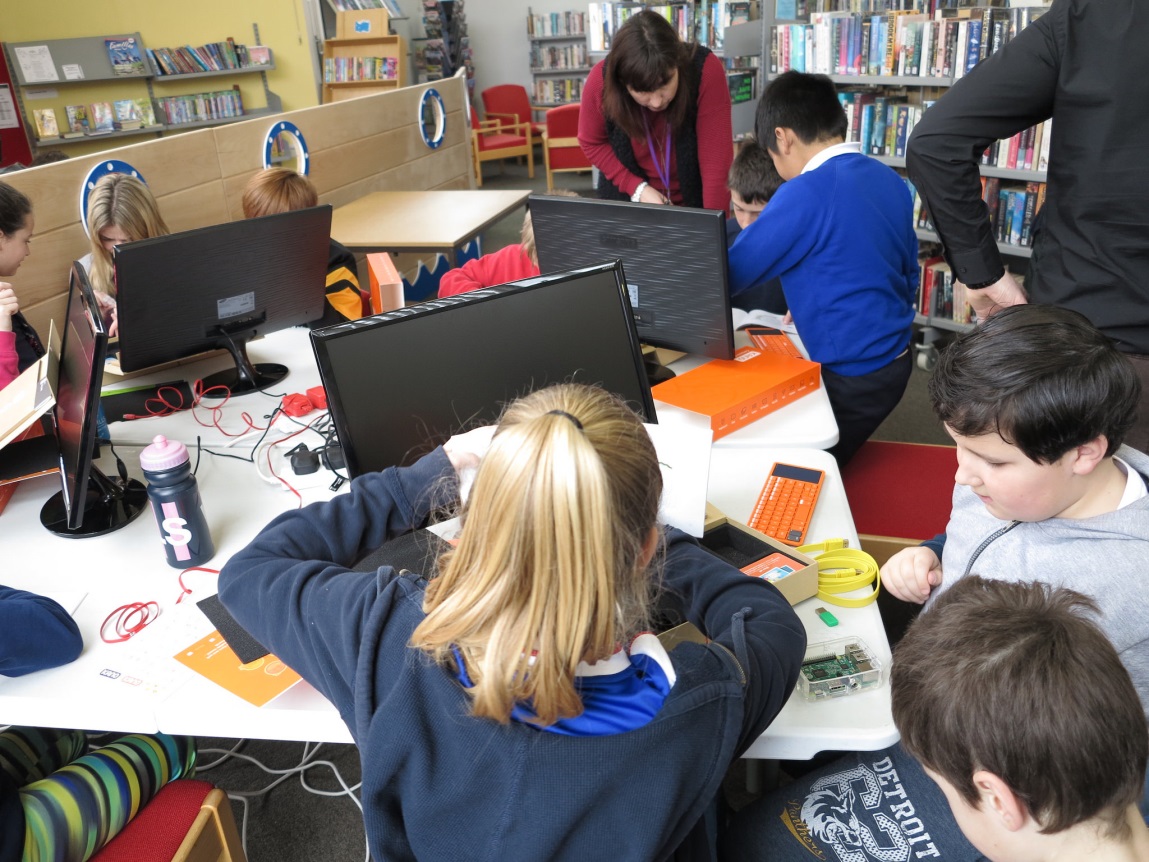
This week I’ll be mentioning an activity closer to home for me – we launched a Code Club in Tamworth Library in Staffordshire. This is the third code club within Staffordshire, and several more are planned in our other libraries.

tamworth


Code Clubs are aimed at 9-11 year olds who are interested in making their own computer games. Of course they learn far more than that – coding is about problem solving, creativity, thinking outside the box, teamwork, and sharing knowledge. Not to mention the fun they have! They are overseen by the Code Club website, which has all the resources and instructions you need for running a club, and also contains lists and maps of all the other Code Clubs in the UK. You can choose one to attend, or one to volunteer at!

In the UK all children do coding at school, and virtually all of our 9 children attending had seen the coding training website, Scratch, before. It is seen as a really important part of gearing the next generation for the future – where the majority of all jobs in 10 years’ time will require coding skills.

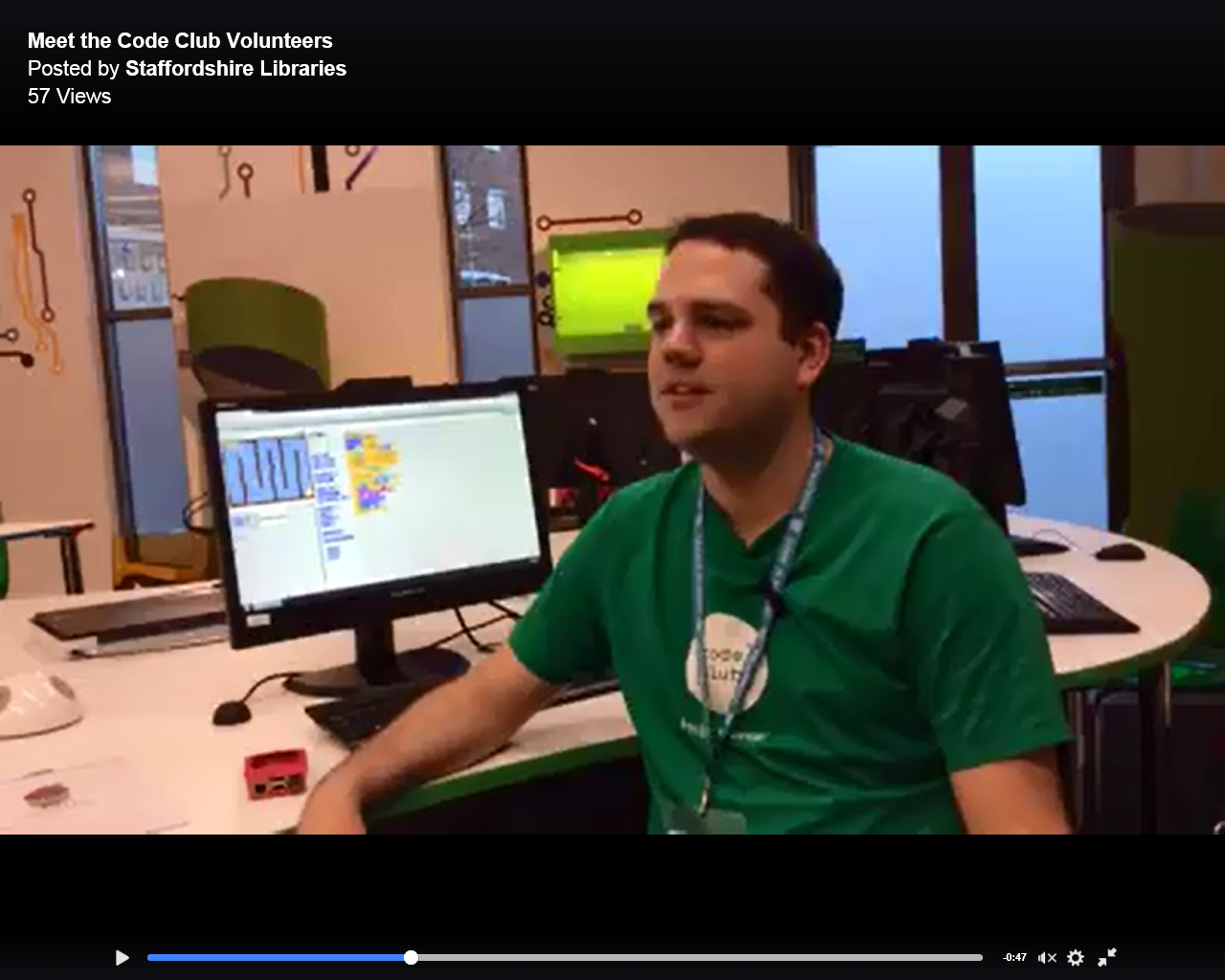
Code Club Volunteer

Code Club Volunteer

These clubs are run by volunteers, and our volunteer is actually a computer programmer by trade, who wants to give something back to the young people through this one-hour-a-week club. We put posters up in the library, which he saw and then got in touch with us. The resources are all provided in the form of projects, which get progressively harder, and contain fewer instructions as the coders get more confident at finding things out for themselves.

In this very first week, we could see how much fun they were having by going off at a tangent from the instructions to make things work differently – and they felt a sense of achievement at the end of the project. 5:00 came all too soon, and they left very keen to carry on learning at home – they all have a username to get onto the Scratch website from anywhere.

Co

Co

We organise the club in 12 session blocks – the first block runs from now until the school term ends at Christmas. After this the group get certificates and then can progress onto other programming languages like Python. But for now it’s fantastic to see a very hard-to-reach group coming into the library and having a great time learning how to code. Not a bad way to celebrate National Coding Week this week!


Carnegie Library Labs Snapshot Report

library-lab-logo-blue

In 2014 we reported on the Carnegie Library Labs project set up by the Carnegie UK Trust

This  is a three-year program(2014-2017) created by the Carnegie UK Trust to support and develop innovation and leadership in the public library sector. It supports participants through providing project funding, online learning, mentoring and networking opportunities.

The  Trust has just published  the final Snapshot of the first round of projects supported by this program:

  • Commons are Forever: a project to encourage members of the community to discover and use copyright-free works while educating them on copyright laws and their digital rights (Aude Charillon, Newcastle)
  • Digital Toyboxes: boxes of kit that are rotated among libraries and beyond like a mobile makerspace (David Hayden, Edinburgh)
  • Ideas Garage: a volunteer-led programming club (Claire Lewis, Monmouthshire)
  • Library After Dark Café: monthly creative writing workshops held outside the library opening times (Helen McMahon, South Dublin)
  • Rub-a-dub-hub: a virtual learning environment for parents of preschool children to boost literacy (Eileen Russell, Ballymena)
  • Library Bike: a branded bike to take to events and into the community to sign people up to the service and lend books and run story telling sessions (Anish Noble-Harrison, Swindon)
  • Datascape: an advocacy presentation that makes the best of existing statistical reports and case studies for Kirklees library service (Troy Mcintosh, Kirklees).

Some really great ideas are included in the Snaphot so take time to read them.