Category Archives: General

Fun Palaces

IFLA_Paul Tovell


This is a great idea which has already blossomed into a worldwide campaign and celebration of culture, and is starting to take off in the UK.
fun-places
A Fun Palace is a free, community event with arts and science activities inspired and made by the people who live locally. You don’t need to be an expert in anything to make a Fun Palace – you just need to want to make something happen (however tiny) with and for the people that live around you. Fun Palaces happen in many different types of spaces – swimming pools, universities, shopping centres, theatres, tech spaces, woodlands, libraries and art centres to name a few. They are led by many different types of people too.
The celebration culminates in an annual weekend of action (the first weekend of October each year – this year it’s 1 & 2 October). In 2014 and 2015 there were 280 Fun Palaces created by over 5000 Fun Palace Makers across 11 nations, with 90,000 people taking part. In 2015 Lambeth Libraries in London had 11 Fun Palaces across the borough. They put up posters on library notice boards asking two simple questions with room to write answers below:

  • What would you like to do or learn?
  • What can you offer to share or teach?

The message is then displayed:
“The content was driven by the input from each library’s community. There may be lots of people in your community who are very happy to contribute to this celebration – why not find out?”
As community events go, these must be among some of the cheapest, easiest and most effective to put on, and fit very well with the current public library ethos of putting the community first.
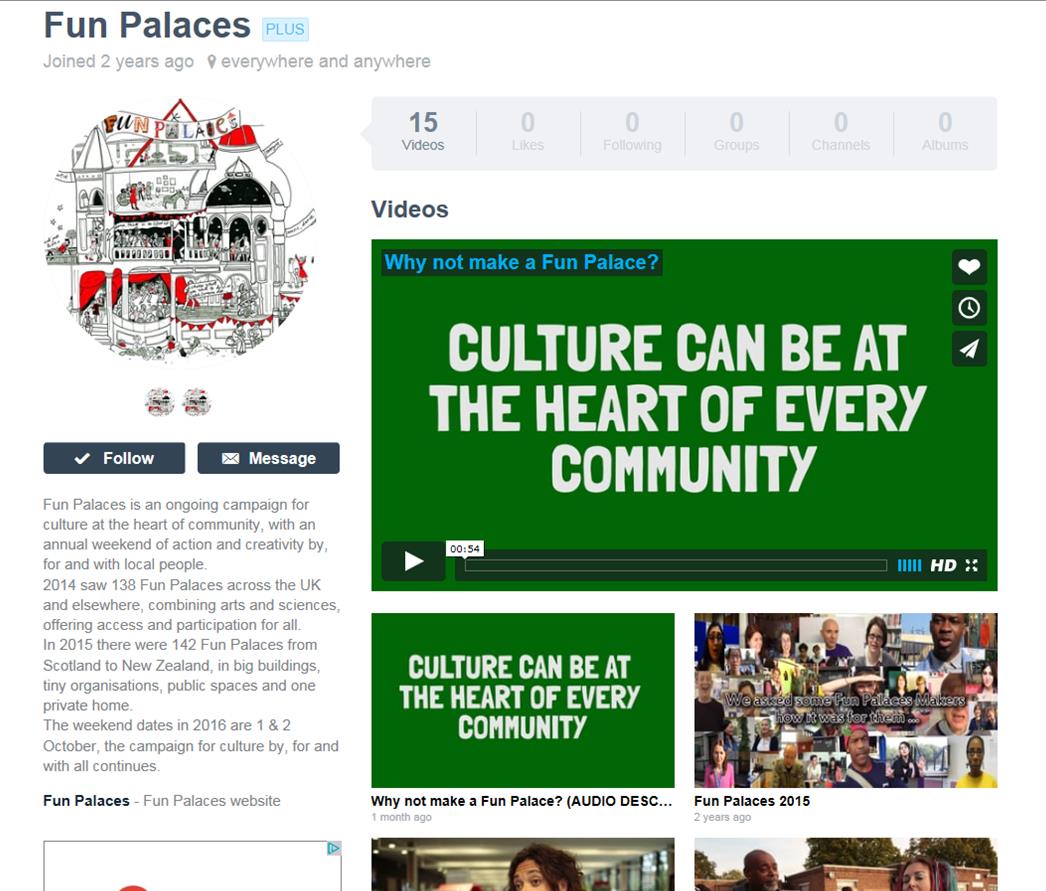
The Fun Palace page on vimeo
The Fun Palace page on vimeo

Is your library dementia-friendly?


IFLA_Paul Tovell


Libraries in the UK are going through an unprecedented period of change – and this is leading to some fantastic initiatives to encourage new audiences. I would like to use my month of blogging to highlight some of these developments.

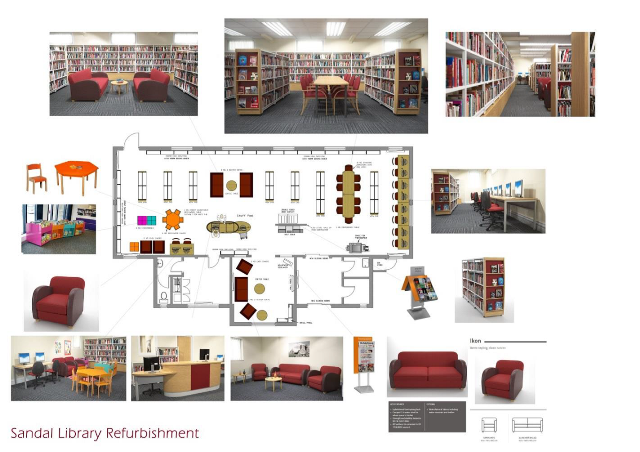
sandal refurbishmentDementia-Friendly Libraries are being developed in association with the Alzheimer’s Society . Many people who work in libraries are being trained (for free) by this society to be ‘Dementia Friends’, which means they understand the needs of customers with Dementia. However, whilst libraries are well known for being friendly, welcoming and social places for many people, it is also true that many are not very easy places for people suffering from Dementia to navigate. Wouldn’t it be fantastic if libraries could be safe and welcoming for them? In Wakefield, which is a small authority in Yorkshire, the first dementia-friendly library recently opened in Sandal, with the following key features:

  • No reflective surfaces. These can confuse and disorientate.
  • No patterns in the furnishings. These can cause stress.
  • Clearly defined entrances, exits and wall edges. Being sure about how to get out is really important.
  • Appropriate signage. Symbols and pictures can really help.
  • Appropriate furniture. This might sound obvious, but chairs and tables that look like chairs and tables, rather than futuristic ‘pods’.
  • Good colour choice and lighting. Deep reds are good, and oak finishes are warm and friendly.
  • Reminiscence sessions and displays. These can be low-key events with donated objects that remind people about the past and provide great talking points, and digital photos are fantastic.
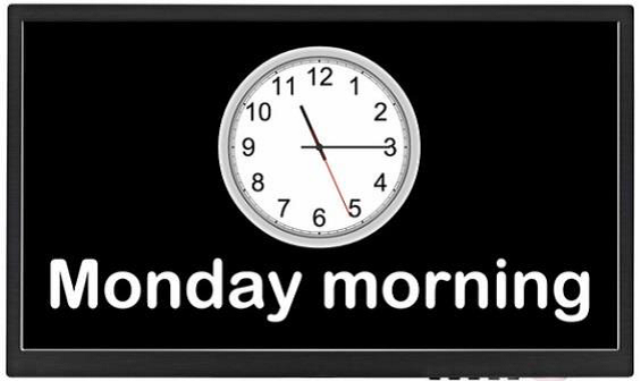
  • A good clock. Preferably very big and clear, and displaying day, morning/afternoon as well as time.
Sandal Library’s new clock, with changing display screens which also show the date, and the time in other formats

Sandal Library’s new clock, with changing display screens which also show the date, and the time in other formats

The wonderful thing about Sandal library is that the public have no idea that it’s been specifically designed to aid dementia sufferers – but these small steps make the world of difference.
There is a presentation about this library online, written by Andy Wright and presented at a CILIP conference last year.

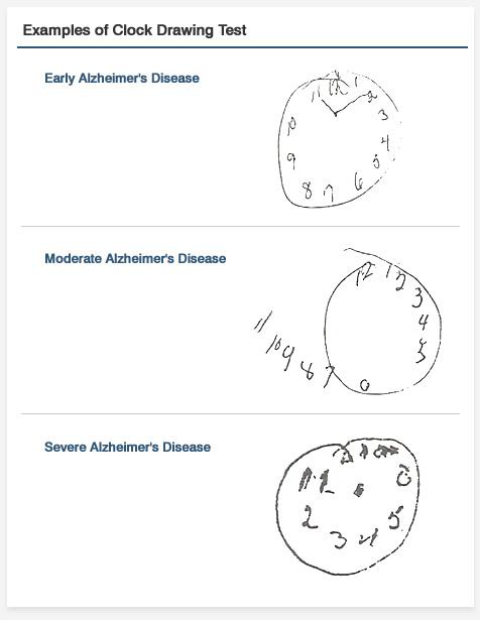
An example of how people with Alzheimer’s Disease perceive a clock face – this is  test which doctors use to assess the development of the disease. As it progresses, numbers leave the clock face altogether, and then appear in the wrong places.

An example of how people with Alzheimer’s Disease perceive a clock face – this is test which doctors use to assess the development of the disease. As it progresses, numbers leave the clock face altogether, and then appear in the wrong places.

Sharing. talking and reading (S*T*A*R*) – Early Years Literacy Program in Australia

IFLA_Marian-Morgan-Bindon


Literacy matters – Early Years Programs

Following the various sessions around the IFLA Congress – yes – literary matters very much and we saw some great program examples.

I’m taking the opportunity to share and early years literacy program from my City.
City of Gold Coast Libraries in Australia present a range of early years literacy programs with a primary focus on language development, modelling positive reading practices and providing a fun nurturing environment for children to engage with language, books and rhymes.

In 2015 City Libraries committed to incorporating Language Priority and Conversational Reading, key elements of the Abecedarian Approach, into our Early Years Program. The Abecedarian Approach, developed in 1972, has been shown through longitudinal studies to have positive cognitive, social and health effects for children, during their school years and into adulthood.

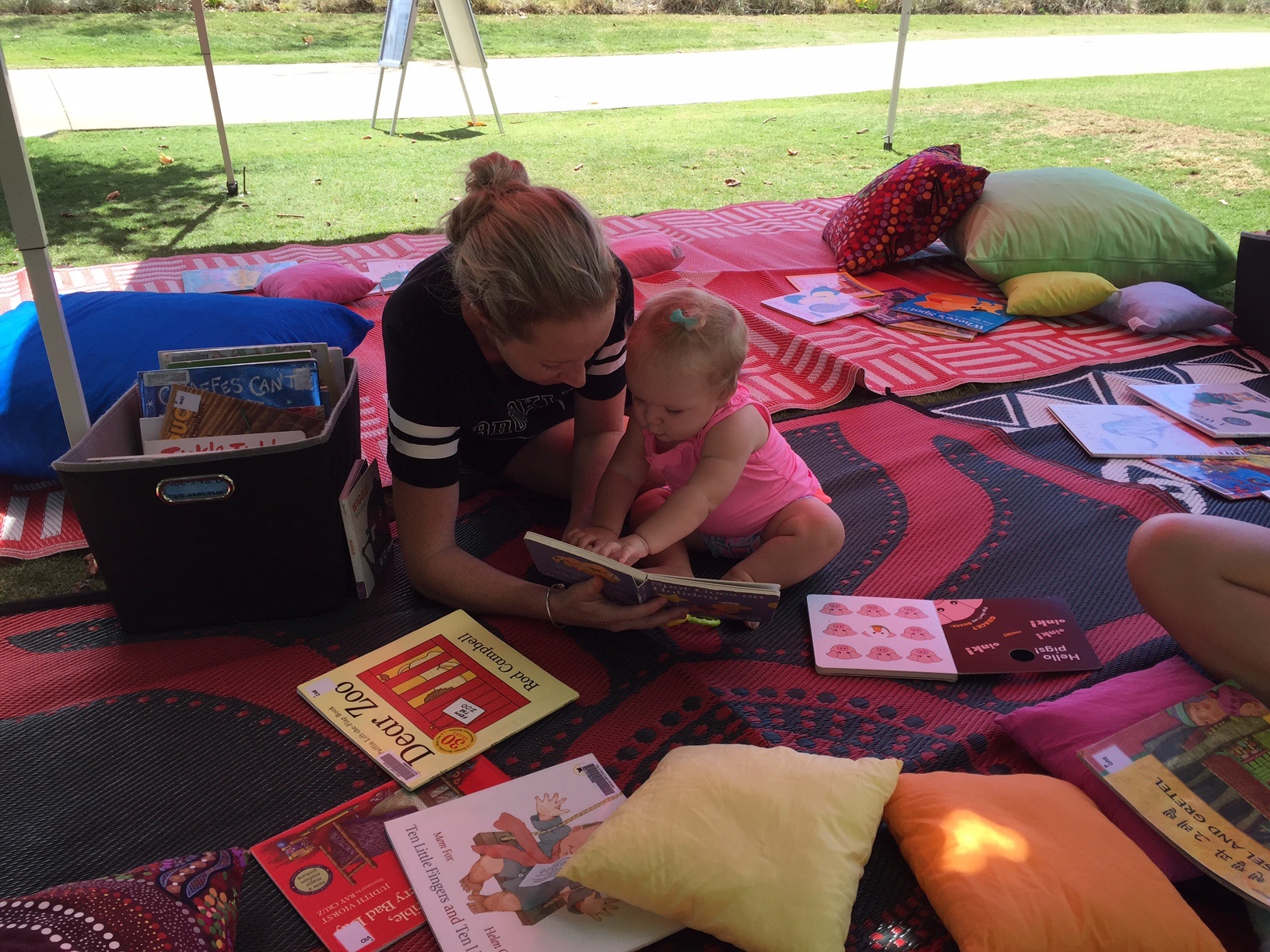
Along with the very popular, Baby Rhyme Time, Toddler Time and Story time sessions programmed within library spaces, City Libraries have also been taking high-quality opportunities for sharing. talking and reading (STAR) out into the community, and especially to areas identified as having a higher percentage of children at risk of low-literacy. With funding from the Queensland State Government’s First 5 Forever grant (administered by State Library of Queensland), City of Gold Coast Libraries, through cross-sector engagement, is working to identify gaps in the community. Our skilled team set up ‘pop-up libraries’ in parks and community halls. The STAR sessions focuson building relationship with parents over time, whilst providing them with the support, encouragement, skills, awareness and confidence to be able to give their children the best opportunity for success.


TRACKS-#53740240-v1-KAITLYN_8_MTHS_BROADWATER_15-2-2016_(2)

PLS Satellite – Philadelphia


IFLA_Marian-Morgan-Bindon


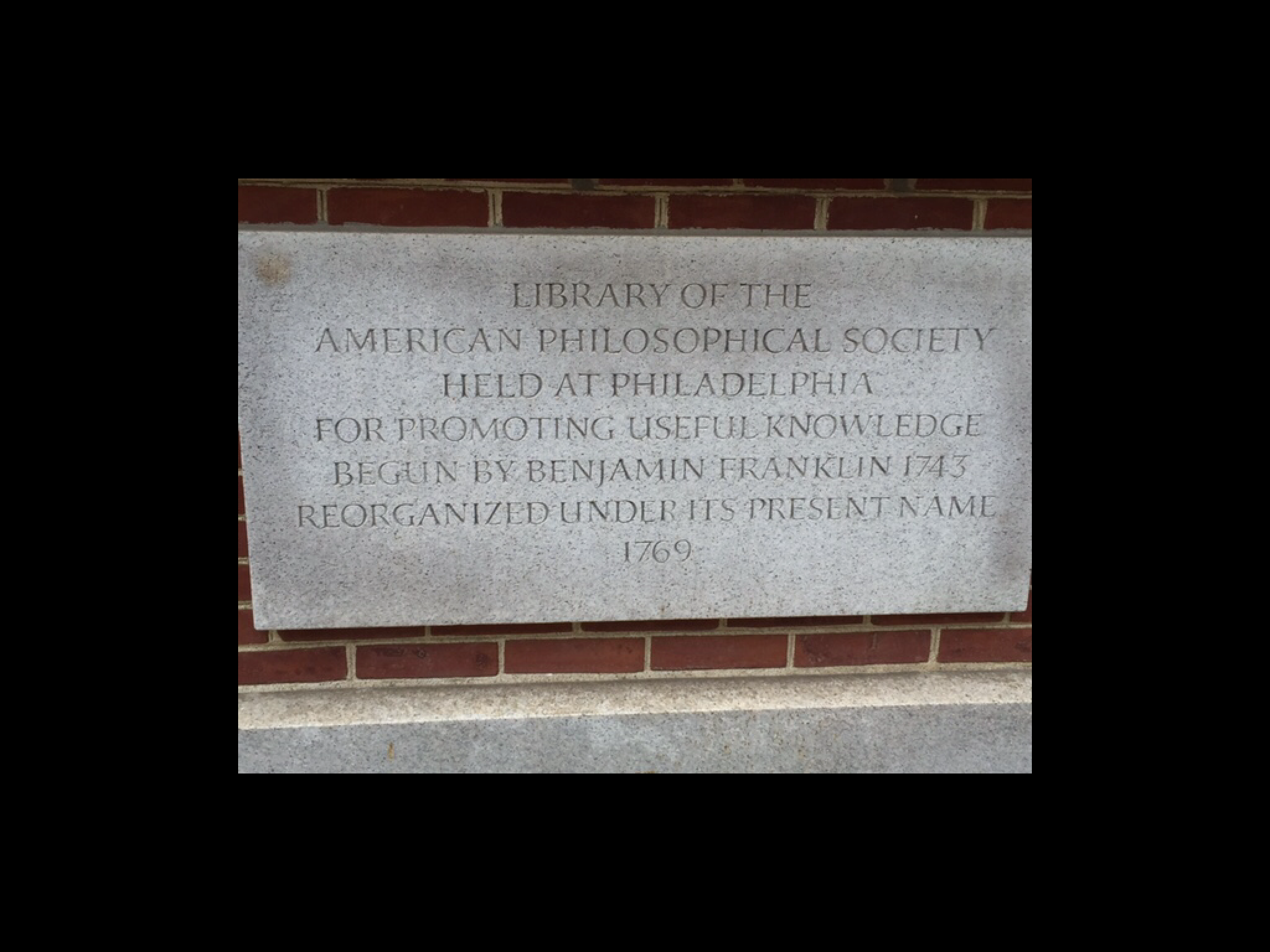
Hello everyone, I have arrived in Philadelphia ahead of the 2016 Public Libraries’ pre Congress satellite. Today I have been learning amongst other things, all about Benjamin Franklin who with a group of friends opened America’s first lending library in 1731. This library paved the foundation for the first free public library services in America. It is fitting that the PLS section satellite is hosted by  Free Public Library of Philadelphia. I know our delegates will be inspired.image

Public Libraries Sessions – IFLA Congress 2016


IFLA_Marian-Morgan-Bindon


On this side of the world the Australian IFLA contingent is getting ready to head on over to the Congress and the various satellite events.  What an array of sessions to choose from!

Please join our first session on Monday 15 August 2016 from 1-4.30 pm at the Columbus Main Library (a short walk from the Convention Centre) A Sanctuary in Times of Need- the public library response.  You will hear some inspirational stories about how public libraries have been working with refugee communities

Who will win the prestigious Systematic Public Library of the Year Award?

Find out following this session from 4.30-6.30 pm

Shortlisted libraries are:

  • Chicago Public Library, Chinatown Branch, USA
  • Dokk1, Aarhus, Denmark
  • Geelong Library & Heritage Centre, Australia
  • Success Public Library, Australia

Hear about these fabulous libraries and join us afterwards for a celebratory drink.

Everyone is welcome to attend the Public Libraries Standing Committee Meetings as observers

Session 037 Saturday 13 August 3.15pm – 5.45 pm Room C212
Session 209 Thursday 18 August 9.45am – 11.15 am Room C226


Libraries: a sanctuary in times of need – the Public Libraries response

IFLA_Annie-Dourlent


Libraries throughout the world have a strong history of responding to natural disasters and humanitarian crises, providing a welcoming environment, a place of refuge for body and soul, and a source of information.

An off-site session will be held at the IFLA WLIC in Columbus (a joint project of the Public Libraries Section and the Library services for Multicultural Population Section) -session 103 – August 15th – Columbus Public Library

During the first part of this session, the Pubic Library Section has chosen to highlight the way libraries in Europe have been able to welcome refugees and provide them both a safe space and many services.

Libraries welcoming refugees

Claudia Lux will present an overview of international examples about services to refugees and newcomers…and our colleagues from Hamburg (Germany), Malmö (Sweden) and Paris (France) will discussed various topics on the way libraries welcome refugees and respond to their needs.

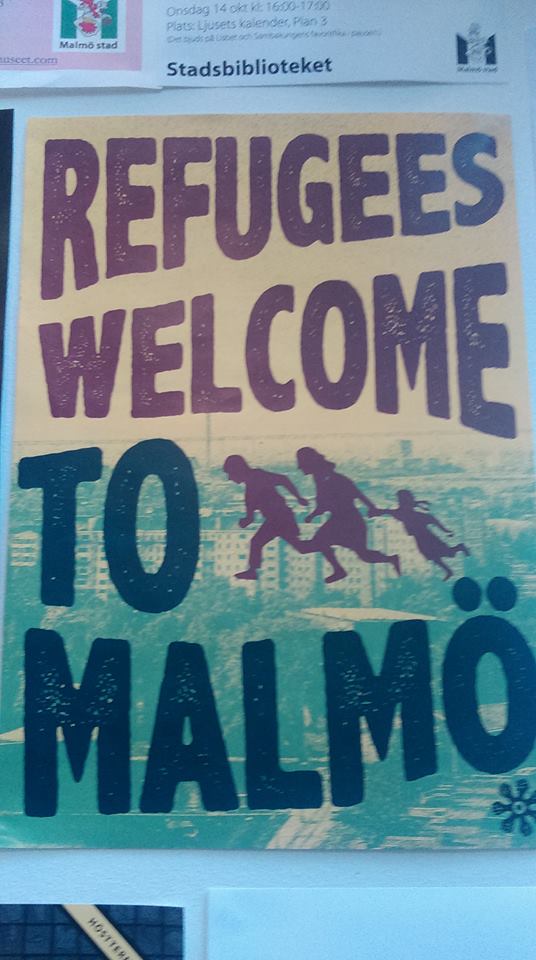
Malmö welcomes refugees

In 2015, many European countries were facing a massive arrival of refugees due to the civil war in Syria.  Many libraries were able to open widely their doors to refugees, to create a welcoming, lively and learning atmosphere for refugees and immigrants. The have provided or enhanced services such as language cafés, Internet access and digital workshops, information about asylum seekers’ rights, and various administrative procedures….

To reach refugees, and especially unaccompanied young people, libraries have built partnerships with other municipal public bodies, NGOs, taking part in events outside of the libraries, organizing events in the libraries, proposing workshops in refugees’ homes or shelters.

The staff have been very involved, with working groups on refugees’ projects, intercultural work, on the way to make library spaces and organization understandable. Some libraries now employ dedicated staff, others have integrated and trained volunteers to expand their services to refugees, mainly language cafés. Some volunteers are refugees themselves, sharing their skills, participating actively in workshops and events. Libraries have broadened the intercultural work they already did toward population with migrant background.

Libraries have thus highlighted their role in the city, how they are great contributors to social inclusion and cohesion. in some cases, their involvement has attracted a lot of attention among citizens, public bodies or even companies.

Read more about the actions and services of libraries in  Hamburg , Malmö  and Paris  for refugees.

During the second part of the session, Mary Grace Falherty will give an overview of Libraries response in times of disaster, and there will be presentations and workshops with colleagues from Oslo (Norway), United States and Toronto (Canada).

Looking forward to seeing you in Columbus!

IFLA Little Library

IFLA Book Box

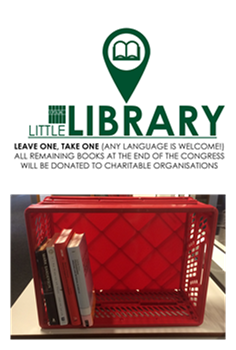
IFLA has announced that at this years World  Library and Information Congress.in Columbus they will host an IFLA Little Library with the slogan Leave a book – Take a book!

In many countries across the world, people have created mini-libraries, or street-libraries to share their books with their neighbours. You will have seen examples of these on our Facebook Page.

What better place than to have an international version of this than at the IFLA Congress!

So if you have finished your book and are looking for a new read, look for one of the ten red crates around the  congress center and take part in our book exchange. All languages are welcome! Help build a literacy-friendly IFLA WLIC! At the end of the Congress, any books still in the Little Libraries will be donated to charitable organisation.