Category Archives: General

Children Services at Miyoshi Public Library

By Guest Blogger

Hitomi Takeuchi

I visited the Miyoshi Public Library in Miyoshi Town, located in northwest of Tokyo, 30 kilometer from Tokyo Central, about one hour by train. The population is about 38,000. The Library is run by the Miyoshi Local Town Government. The circulation per capita of Miyoshi Public Library is 11.20 books per a user a year, compared to the average number of Japanese public library of 5.5.  And the library has maintained its top rank in the past sixteen years.

The reason for my  visit to the library is because it provides very good childrens services. The first is the Book Start Service.  The second one is Book Club Service for the elementary level children. And the third one is that library provides good support and have good relationship to the school libraries.  There are eight schools, five elementary schools and tree junior high schools run by the Miyoshi local Town Government.  

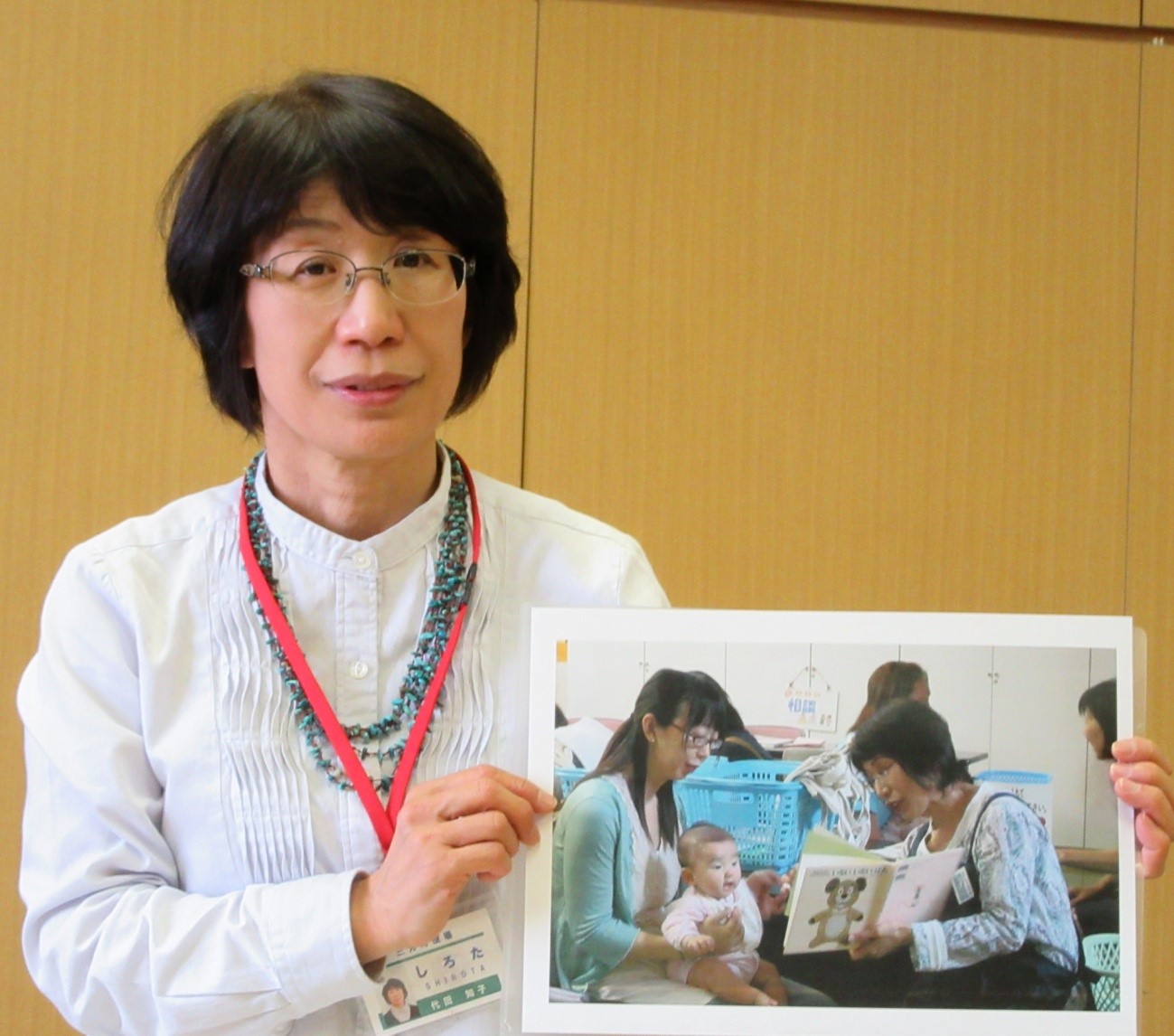
The head Librarian, Tomoko Shirota, a childrens service professional, and she especially emphasizes the childrens services. She said that during the child period is very valuable time to child gets used to read.
<https://www.lib.miyoshi.saitama.jp/libguide?13&pid=29>

Book Start Service & Book Start Plus Service

In Miyoshi Public Library, the Book Start Service is targeted at babies four months and beyond.  The professional childrens librarian reads the picture book with parent and baby. And after the reading hour, the baby will be presented a picture book from the library. You can see it in the picture above that when Ms Tomoko Shirota reads the picture book to the four months old baby, the baby seems very eager to look at the book and listen to the librarians reading voice.. The Librarian said that it is very important to read the picture book attractively for the baby because maybe it is the first time for the baby to look at the book and listen to the reading voice.  It is definitely important how baby feel about the book reading hour. The librarian tries to make the reading hour attractive and interesting because this is the first experience for not only the four months baby but also for the parent to listen to the storytelling. Through reading the picture book, almost all baby have good reactions like smiling and speaking aloud.  Parent understands that the baby who is not speaking language yet, can understand the picture book through the babys reaction and feeling, The librarian said that the Book Start Service makes the problem of child abuse in Miyoshi Town decrease because through the reading the picture book the parent can better communicate to their baby.

When the baby is two years old, the baby have the tooth examination by the doctor.  At that time it is also the time of Book Start Plus Service.  Again the baby and parent have the picture book reading time together and are presented with a picture book which they will enjoy.

Book Club Services

The Miyoshi Public Library organizes two Book Clubs for boys and girls.  They are two groups by their age, one club for the first and second grades in elementary school.  The name of the club is Kamii Club. Kamii comes from a hero’s name in the most popular Japanese children’s book;  the second club is for children from the third to sixth grades, and is named Elmer Club.  Its name comes from the book titled My father’s Dragon written by Ruth Stiles Gannett.  The activities of the clubs are storytelling, book talk and reading from a selected book list.  The activities run every fourth Saturday of the month.

School Libraries

There are eight schools in Miyoshi Town.  Every school has the a school library and school librarians.  School librarians try to make children familiar with reading books.  They provide the booklist which is the books reading during elementary years.  So after six years, students finished reading all the books on the book list.  The Miyoshi Public Library and eight school libraries have not only the computer network but also the human relationship network.

The Miyoshi Book Reading Declaration

The Miyoshi Public Library declared that Miyoshi Town is the town that “Love Reading and Promote lifelong reading all over the Town” in April 2016.  Ms Hideko Nagano who is a famous writer of picture books is the illustrator of the promotional poster for this Reading Declaration, and Ms Hiromi Watanabe who live in the Miyoshi Town, designed it.  In the poster, it says that that the Library has decided that every 23rd  day of the month is “the Day to Love the Reading and a Reading Day”.

In Miyoshi Town, people from baby to senior love the reading and share the reading joy by reading together.  Through reading together people can have closer relationships. The reading makes people filled with love, dream and intelligence, and makes people to a happy and satisfied life.

In 2002 and 2014 the Library was awarded as the Library with superior children’s reading activities by the Ministry of Education of Japanese Government twice.
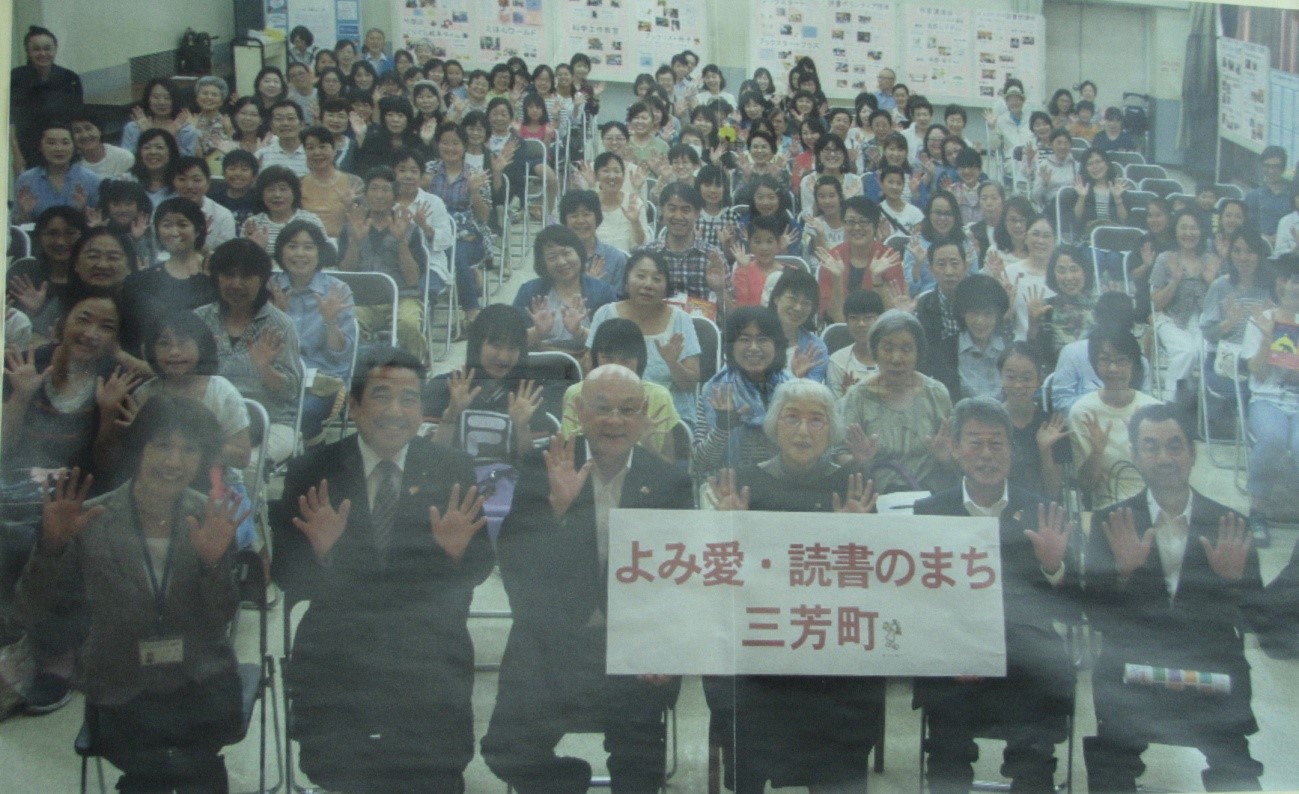
After deciding the Miyoshi Book Reading Declaration.
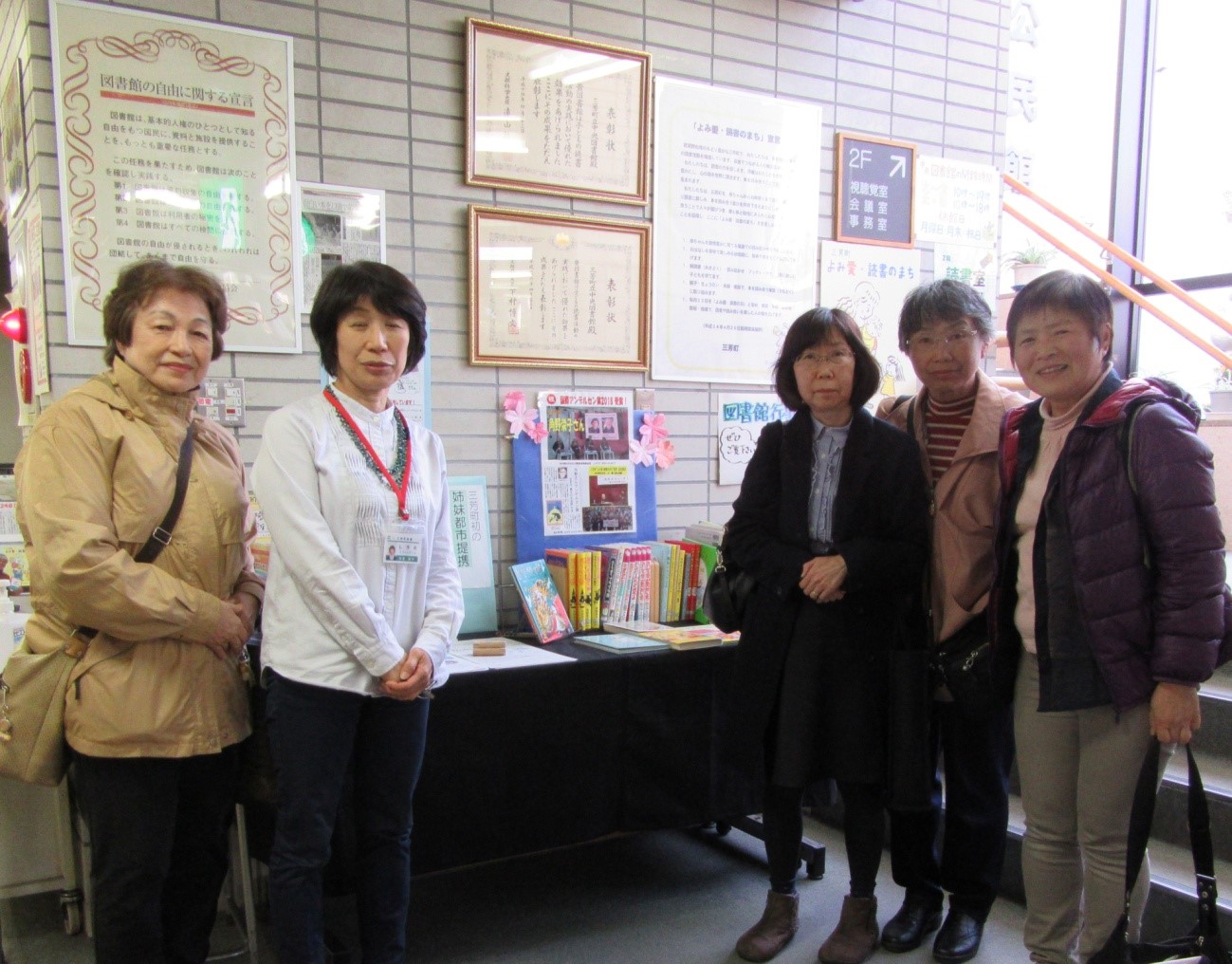
Four members of the Koshigaya City school library study group visited the Miyoshi Public Library. The second from the left is the Head Librarian of the Miyoshi Public Library, the first from the right is the author of this blog article.
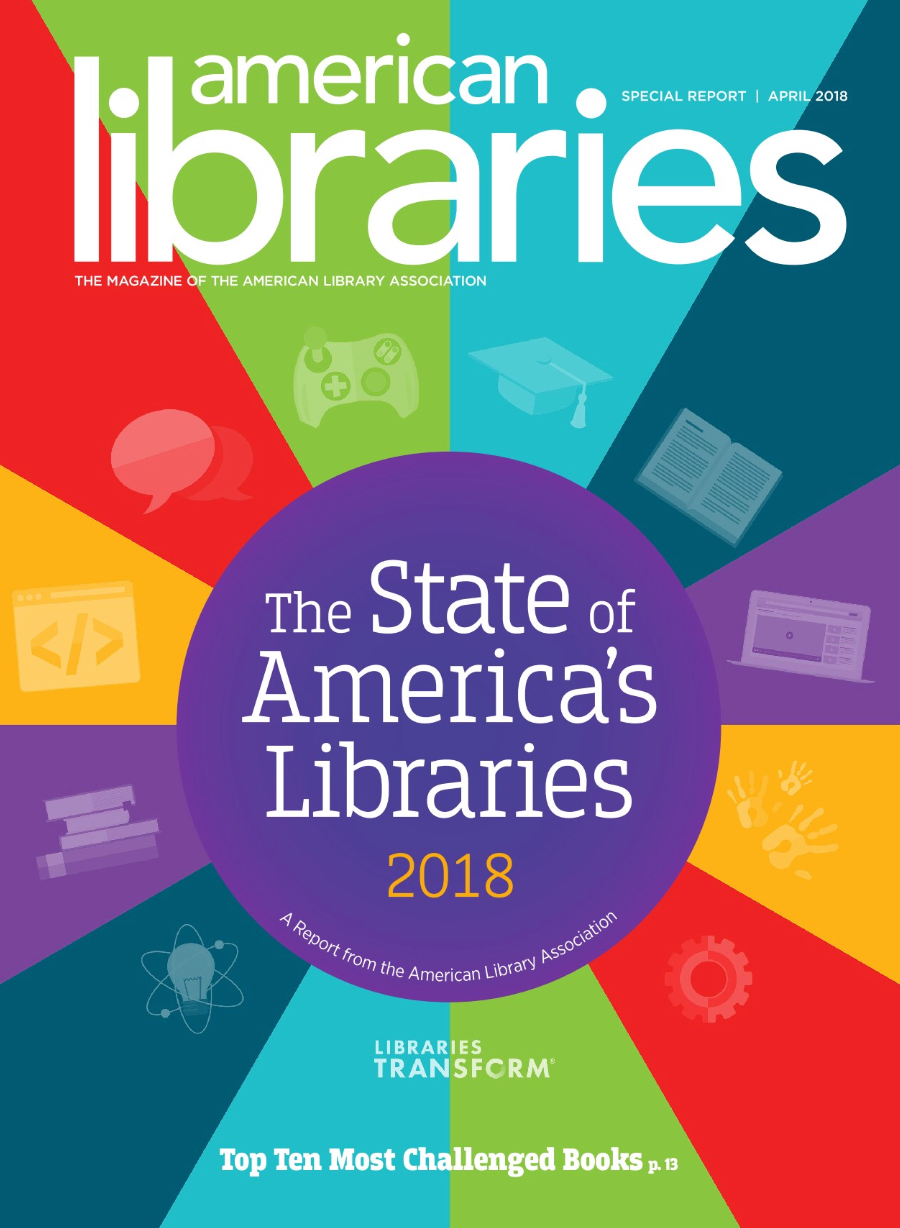
The State of America’s Libraries

During this time of rapid social change, libraries of all types are providing welcoming spaces to an increasingly diverse population. The State of America’s Libraries 2018: A Report from the American Library Association, a special American Libraries digital supplement, affirms the invaluable role libraries and library workers play within their communities by leading efforts to transform lives through education and lifelong learning.

Edited by Kathy Rosa, director of the ALA Library and Research Center, The State of America’s Libraries 2018 features news and commentary on:

  • The top 10 most challenged books in 2017
  • Voter perceptions, use, and attitudes toward public libraries
  • Health and digital literacy initiatives
  • Sustainability as a library’s core value
  • School libraries and student outcomes
  • Three major trends affecting libraries
  • Library advocates and federal funding

Read this special issue online in our easy-to-use web browser format or download it as a PDF for offline reading.

Hello! From Japan

By Guest Blogger

Hitomi Takeuchi


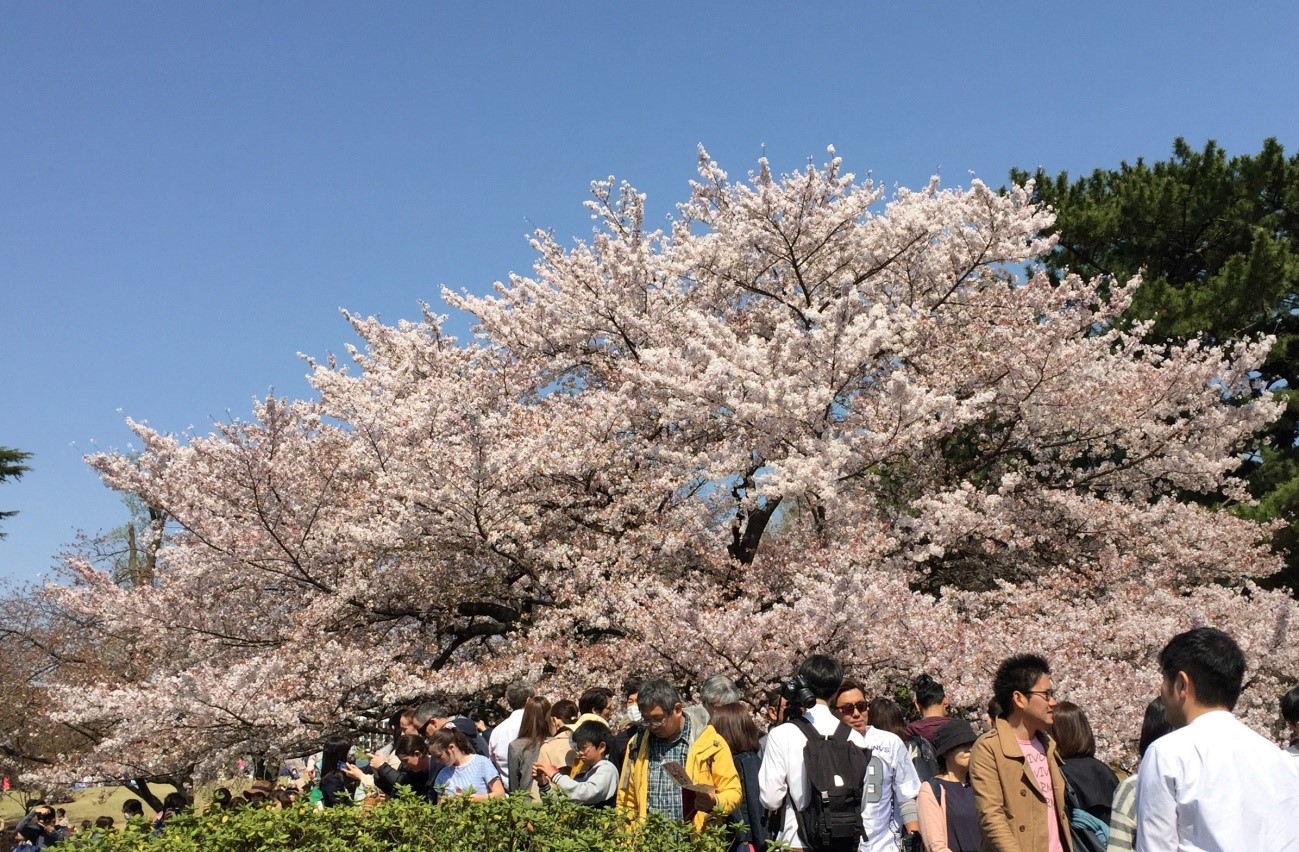
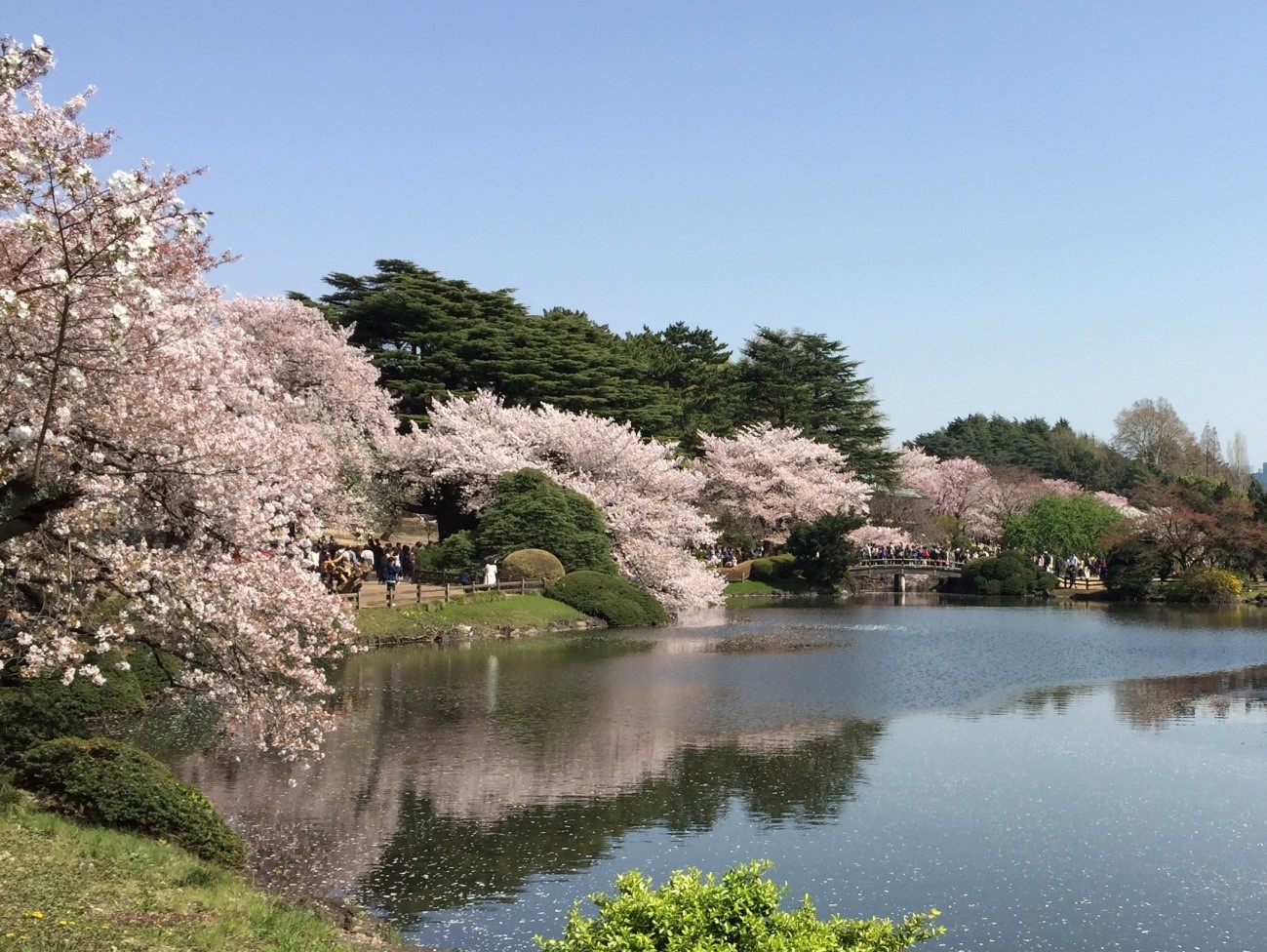
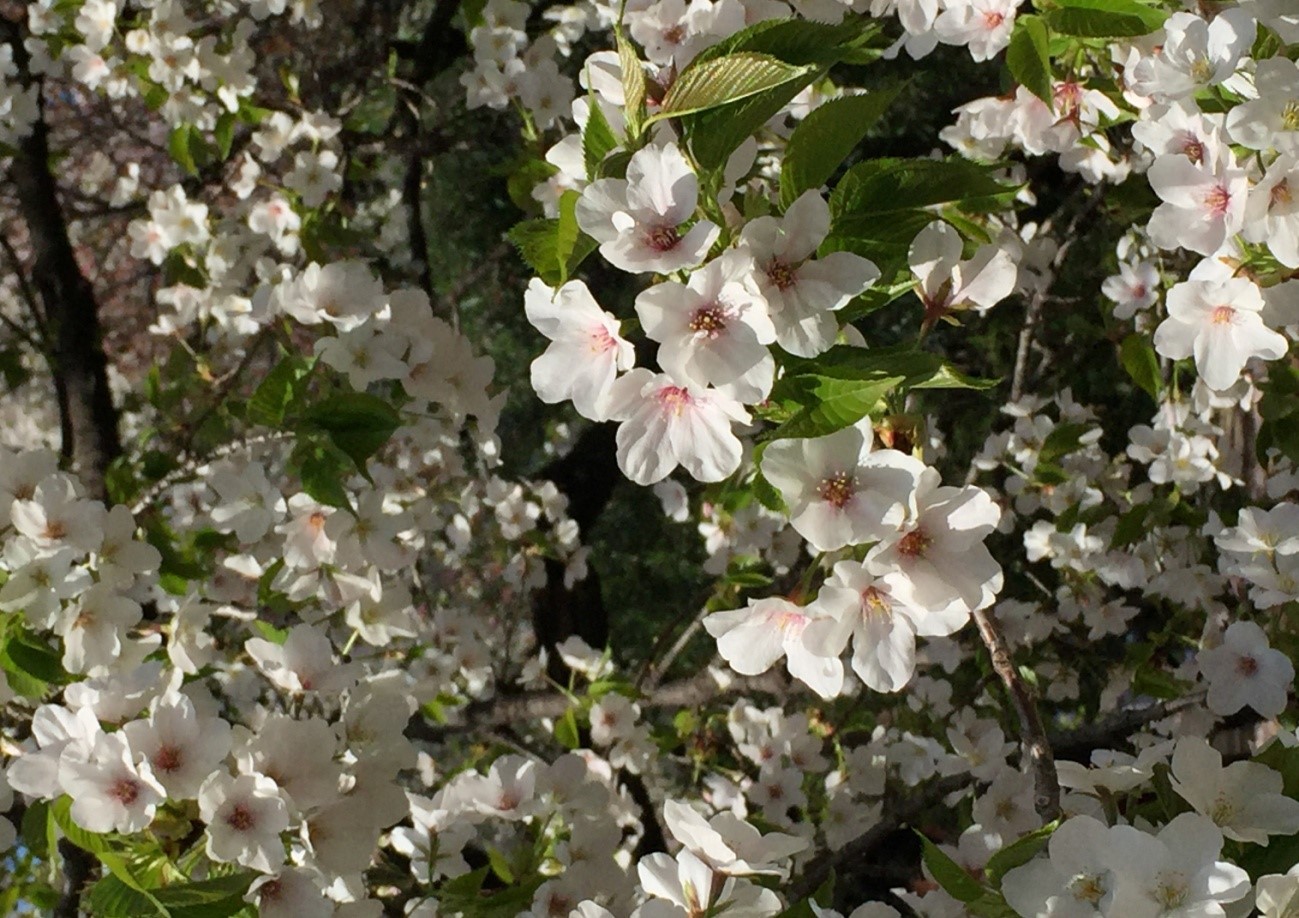
When I came back to Japan from the Mid-term meeting of IFLA Public Libraries Section held in cold Den Helder, I was delighted to find Japan in real spring.  The cherry trees are now fully blooming and what a beautiful scenery they are creating. I have included some of the pictures of cherry blossom in Tokyo, which I took in Shinjuku Imperial Garden. There are full of cherry blossom and also full of people.

Scenes from Shinjuku Imperial Garden, Japan

National Diet Library

I would like to introduce my former working library named National Diet Library which is the National Library of Japan. When people look at the word Diet, they sometimes think it has something to do with food. No! No! It actually means a parliament or a Congress, like the Library of Congress in the US.

You can watch the DVD of National Diet Library by YouTube. Enjoy the DVD. If you have any question, don’t hesitate. Please ask me.
https://www.youtube.com/watch?v=hgVhFGY7jjY&t=18s

Info-Hotspots: Answer Questions on Health care, Housing, and wellbeing

By Guest Blogger

Eric Boekesteijn

Where can residents go with their questions on health care, housing, and wellbeing? In the municipality of Dalfsen, residents sometimes experience difficulties with finding the right services for information, counsel and support. Why is that? Because the supply of services is fragmented and therefore sometimes hard to find. As a result of this, residents are stuck with a request for help and do not receive the support they need on time, if at all. To solve this situation, the municipality of Dalfsen is focusing on early detection and prevention. To this end, the municipality has commission the organization for wellbeing called ‘Saam Welzijn’.

Info-Hotspots

Following the municipal commission, Saam Welzijn has proposed to establish info-hotspots: easily accessible public spaces, open to everyone, and a place for residents to express their initial requests and questions on housing, health care, and wellbeing. At these info-hotspots, requests can be clarified, information can be provided, and, if necessary, where people are kindly received and patiently guided to the appropriate authority. To carry out this idea, Saam Welzijn reached out to the Library of Dalfsen-Nieuwleusen. The library embraced the idea enthusiastically, and after a constructive breakfast brainstorm session with Saam Welzijn, developed the project Info-hotspots. The intended result of the project: actual info-hotspots in three locations of the library that are supported by an online version of the info-hotspot.

Important player
What makes this project so unique and promising? The timing for this project is just right. Both the municipality and Saam Welzijn value a good cooperation with the info-squares and both parties view the library as an important player in the social domain. Moreover, the library traditionally is an actual meeting place, where connection between people and knowledge, and people and information takes place. Right now the combination is perfect, an alliance is forged between the library as information broker, the wellbeing sector, and the municipal government. Three parties that are vital for social cohesion in the community. Eventually, the purpose is to create info-hotspots with multiple social organizations. Well-trained volunteers, provided by the different affiliated partners, will staff the front desk of the info-hotspots. Cooperation is essential for the success of the info-hotspots.

Digital info-square
It is important that the info-hotspots in the building are supported by an online info-hotspot because this will enable the organizations to properly support the residents of Dalfsen and to guide them to the right authorities. Of course, to make this work, close cooperation Is crucial. Cooperation with the municipality, managers of the digital social map, and the parties of health care, housing, and wellbeing, but also cooperation with the national digital databases, such as the Educational Map developed by the Royal Library- National Library of the Netherlands. In developing the digital info-hotspot it is important to focus on the local needs and wishes.

Questions
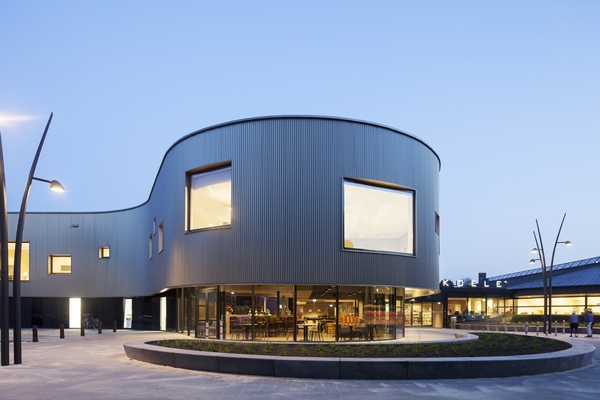
At the moment, the info-hotspots are being developed. Understandably, this also raises questions. Who actually owns the info-squares? Is it the municipality, the Kulturhus – which houses the libraries -, the library, Saam Welzijn, or the combined social parties? And how does the info-square fit into the concept of the library as a place of meeting? Will residents with requests for help actually come to a bustling public space? How do we ensure adequate privacy?

Impact
Still enough questions to be answered, but as stated earlier, the time is just right and everyone is on the same page. We have departed and are travelling together! Next year we will be happy to inform you of the progress and successes of this innovative project. In this, we do not mean reaching the finish line on time, but we refer to the impact that the development of the info-hotspots will have on the municipality of Dalfsen, on its partners, but first and foremost on the people living in Dalfsen.

For more information, contact Jackeline Mekkes
Program manager Participation
The Library Dalfsen-Nieuwleusen
E-mail: [email protected]

Ecology, Education and Culture: Libraries as a Model

The Tunisian Federation of University Libraries “FEBUS” in collaboration with IFLA: Public Libraries Section

& Higher Institute of ISD Documentation University of Manouba

Ecology, Education and Culture: Libraries as a Model

Tunis – 21-22-23 June 2018

Call for Papers

 The Federation of University Libraries and Specialized Documentation and Information Services invites proposals for papers to be presented at its International Conference Ecology, Education and Culture: Libraries as a Model to be held in Tunis, Tunisia 21-23 June 2018.

 Main theme The Conference will showcase international best practice for environmentally sustainable libraries in educational and cultural institutions.

Audience The conference is targeted at Library and Information Professionals, Cultural institutions; Ecologists; Teachers and researchers, Students.

The issues dealt with by the conference

The Conference program will focus on the themes detailed below and proposals should reflect one of these:

  1. Sustainable Environment – the way in which libraries and resource centres can be more ecologically and socially responsible and help to establish an environmental culture, spaces that respect and support sustainable development
  2. Sustainable Resources -The consideration of the ecological dimension in the acquisition, monitoring and organization of documents;
  3. Sustainable Technologies -The consideration of the ecological dimension in the construction, renovation and maintenance of equipment: minimize the negative impact on the environment and maximize the ecological and economic benefits
  4. Sustainable Services – The consideration of the ecological dimension in the programming of cultural action and in partnership practice; The participation of users as a stakeholder in the life of the green library; The intergenerational transmission and its impacts on ecological awareness;

There are three ways to participate in the conference:

  1. Conferences, papers, studies, research, and reports related to the themes of environment and ecology in cultural institutions
  2. Demonstration of best practices, equipment and furniture used in ecological information services and a fair for environmental activities
  3. Training on ‘Pathways to Green Libraries: theory and practice’ working with librarians and archivists in ecological practices: awareness of environmental problems in their professions.


Proposal guidelines:

Proposals must be original work of author(s), address one or more of the sub-themes, written in English, French or Arabic, and include:

  1. Title of proposed paper:
  2. Name(s) of author(s).
  3. Author’s professional role and institutional affiliation, if any.
  4. Author’s e-mail address and telephone number (s).
  5. Abstract of the proposed paper; and
  6. Short professional profiles of presenter(s)

The proposal should not exceed 2 pages in 12 font


Submissions:

All proposals will be reviewed by a panel set up by the Committee. Discussions will be held with successful applicants concerning format and timing (Key notes of 30 minutes and 20 minutes for others)

Important deadlines:


20April 2018: Submission of abstract (max 2 pages in 12 font).
30 April 2018: Communication of acceptance or rejection of proposal.
30 May 2018: Submission of completed paper.(Max 10 pages 12 font)
15 May 2017: Submission of presentation slides.


Contacts Email: [email protected]

Président de l’Association Médiation, Bibliothèque et Formation en France : [email protected]

Lighting a Fire forLlife – B/Slash reduces fear of reading

By Guest Blogger,

Eric Boekesteijn


As soon as I enter the room I can feel the looks. ‘Who is that? What does she want?’ I am in a classroom of a high school for VMBO (preparatory middle vocational education) pupils. By no means an easy target group when it comes to reading and reading enjoyment. However, with B/Slash, a reading stimulation project set up for VMBO3 pupils by the Library of South Gelderland, the results are surprisingly positive.

Many of these pupils hardly ever read, or never read at all. They think that reading is stupid and that there are no good books. The starting point for this project is the Slash series by publisher Querido. True stories written by Dutch youngsters about drug trafficking, abuse, grief, and other subjects that resonate with these pupils.

Low literacy
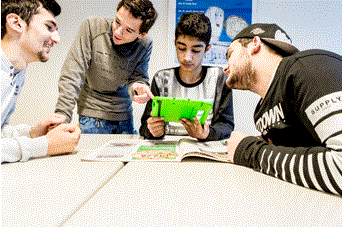
A great many of these pupils are low literate or experience fear of reading. They are not in the habit of picking up a book by themselves. This is difficult for their teachers, often even a struggle. They consider it a victory if pupils read as much as a Donald Duck magazine. With this in the back of my mind, I start the lesson by presenting myself as a librarian who will start a fun book project. When I ask who thinks it’s cool I am here, not a single finger is raised. Luckily, I have experienced that this sentiment will change over the course of this project. After giving a brief overview of the B/Slash project, I explain the subject matter of the books. I brought four different titles with me and everyone has to choose one of these. During my talk, tranquility descends on the class. They listen attentively. Occasionally, you can see pupils glancing at each other, sharing a look of excitement. They know what they want, they are eager to start. After viewing our book trailers, they choose their preferred book. Teams of about four pupils are formed with students who have chosen the same book. They will be working together over the next five weeks. When I finish the lesson, I ask who thinks it’s cool I came by and who thinks the book they have is fun. With a smile I see how most fingers go up in the air. The foundation has been laid for the teacher to take over.

Curriculum
Over the following five weeks, the teacher will be using a specifically designed curriculum. By means of a digital platform, Kahoot, pupils can earn points through a variety of questions and creative assignments. The questions will stimulate the pupils to discuss the books together. Because of this set-up, teachers hardly have to prepare anything when they teach B/Slash. After five weeks, the group that has collected most points is proclaimed the winner. The book of this group is the point of focus for the conclusion of the project.

Project day

When I stop by to take a look during a project day, I can see the pupils enthusiastically working with stop-motion animation and theatre. They are acting out a scene from the book together with instructors from “Kleinkunstig” (an art-education foundation) and transforming that into an Augmented Reality route. This makes this project so much more than just reading stimulation. It directly helps teachers and students develop 21st-century skills. During a break, pupils come over and tell me they loved the book. ‘Miss, do you have any more of these sort of books?’ With a nod I list a couple of titles. Mission accomplished. A fire has been lit, the important thing is to keep it burning.

Information
B/Slash is a project by the Library of South Gelderland, with the help of funders and many others. Our organization is happy to share successful projects with other libraries, so that we can help each other in reaching this important target group. That is why we have made B/Slash available to everyone in the Netherlands and offer support during the set-up period. Several libraries have already embraced the project. Want to know more? Check www.obgz.nl/bslash.

Marjolein Hordijk – Project member with the Library of South Gelderland
Photos: Marcel krijgsman
[email protected] / Twitter: @justslacking
www.obgz.nl / Twitter: @bieb024 / Facebook: bibliotheekgelderlandzuid

Super focused studying with StudyShare

By Guest Blogger

Eric Boekesteijn

How do you prevent students from getting distracted during studying and transform the library into a successful place for studying? Frank Verbeek from the Public Library of Amsterdam knows the solution.

The experiment
Ten o’clock in the morning. A room filled with tables, arranged in classroom fashion. Behind these tables are forty buzzing students. My desk is at the front. Behind it are a large clock and a blackboard with the rules. I explain those again. Talking: forbidden. Social media: forbidden. Entering late: forbidden. Leaving early: forbidden. Everything is forbidden, except studying. A different blackboard shows the study times. At 10.15: study, 11.00: break, 11.15: study, 12:00: break. And so on. It is time, the door closes. All eyes are on my hand, which overly dramatic moves to the bell on my desk. At exactly 10.15 it rings: ‘Ting.’ StudyShare is born!

The idea
The library is a popular place for studying. On a daily basis students are fighting an uneven battle against distraction, which lurks everywhere. At the end of the day they head home frustrated: another day wasted. StudyShare is the answer. StudyShare is the only ‘prison’ you walk into voluntarily. Once inside, you lose your freedom to be distracted, a freedom you need like a hole in your head. StudyShare is clear, simple and super structured.

In practice
Will it work? The first forty-five minutes feel a bit unfamiliar, but after that it all becomes clear. During study it is as quiet as a mouse. Each time after exactly forty-five minutes the bell rings, and it seems as if the students wake up from collective hypnosis: ‘What? Already?’ The talks during the obligatory breaks are about magic. Those forty-five minutes were… timeless! Elated, the students head home that afternoon. A boy jubilates: ‘Never in my life have I done as much as today!’
StudyShare, which I thought up in a flash, came in second at the annual Innovation Prize for staff of the Public Library of Amsterdam. For one week I could use an expensive room for free to turn it into a success. On just the fourth day, the experiment resulted in so many satisfied students and good publicity, that the manager decided to extend the experiment. ‘Frank, we have to continue this!’ he exclaimed after seeing the crammed room.

‘I am done’
Halfway through the second week, a student comes up to me. She had participated in nearly all sessions, every day from ten o’clock in the morning until eight o’clock in the evening. ‘Thank you so much’, she said, ‘you can give my spot to somebody else tomorrow’. ‘What do you mean?’ I asked. She explained: ‘I had to write my thesis, but I suffer from extreme procrastination. For months, I made hardly any progress. StudyShare came just in time. I have never worked as hard as in the last couple of days. My thesis is just about done’.

StudyShare expands
We have moved on three years. Thanks to experimenting and a lot of feedback from students, the formula has been further perfected. We have come up with an efficient system of ticketing that forces students to get out of bed early. They appreciate this. Incidentally, participation is free. Each time, we organize StudyShare during the period of exams, for about two weeks. The enthusiasm of the participants is our best publicity, but we also have a clever marketing campaign, a mailing list, and there is a Facebook group.

Fancy this in your library? Please contact us! We are happy to advise and tell you about things to keep in mind to make it a success. Also, you can visit our website:
https://www.oba.nl/studyshare.html (Dutch)
https://www.oba.nl/oba/english/studyshare0.html (English)
Frank Verbeek, OBA (Public Library of Amsterdam)
[email protected]