Kicking-off a full week advocating for libraries and access to information at the Second meeting of the Forum of the Countries of Latin America and the Caribbean on Sustainable Development, IFLA’s delegation in Santiago, Chile, took active part of meetings organised by civil society at the Forum on 16-17 April.
On 17 April, local organisations representing civil society, Mesa de Articulación de Asociaciones Nacionales y Redes Regionales de ONG de América Latina y El Caribe and Asociación Chilena de Organismos No Gubernamentales (Acción Internacional), organised two side events about relevant issues related to Civil Society Organisations (CSOs) involvement in the UN 2030 Agenda and international cooperation, as well as the status of alternative reporting and their interactions with Voluntary National Reviews (VNRs).
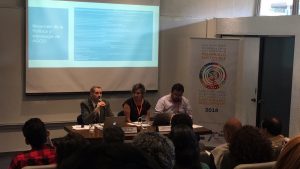
Starting in the morning of 17 April, IFLA was present at the side event “South-south cooperation and the 2030 Agenda: challenges of civil society in LAC” where the situation of international cooperation in Chile and the role of CSOs in the 2030 Agenda implementation process and mechanisms was presented.
In the afternoon, the “Training workshop on alternative reporting” was a perfect opportunity to present the Development and Access to Information (DA2I) report, a contribution from IFLA and TASCHA to the monitoring of the 2030 Agenda by measuring access to information and the libraries’ contribution to achieving sustainable development and the 17 SDGs. The event discussed shadow reporting, including an overview of challenges presented by SDG indicators, and reflections related to financing and CSOs involvement and support.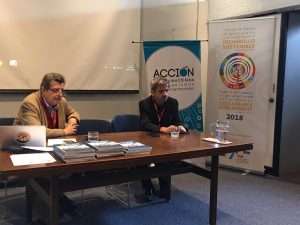
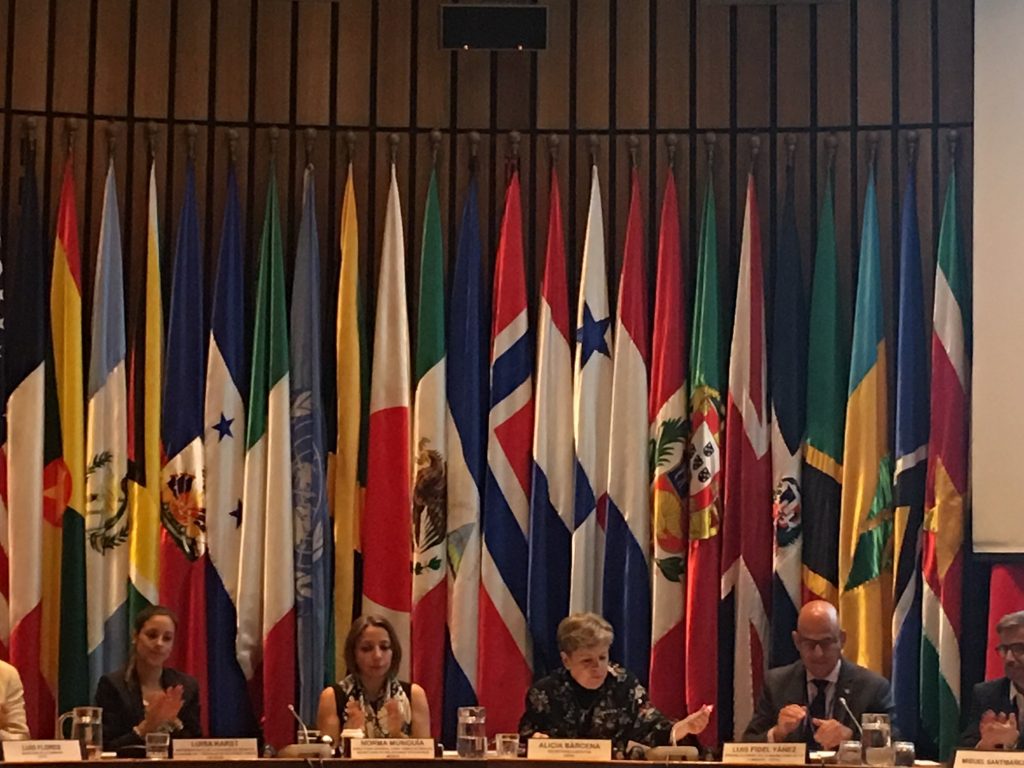
The programme of the Forum started officially on 17 April with the “Latin America and the Caribbean civil society consultation prior to the second meeting of the Forum of the Countries of Latin America and the Caribbean on Sustainable Development” (morning and afternoon programmes).
Alicia Bárcena, Executive Secretary of the United Nations Economic Commission for Latin America and the Caribbean (ECLAC) opened with a speech addressing her views on the current status of the 2030 Agenda in the region, and she stated: “Governments have stopped talking about the 2030 Agenda (…) The 2030 Agenda is a priority, a necessity. It’s the only way to battle inequality.”
This event was an excellent opportunity for IFLA delegates present on the first days of the Forum: Adriana Cybele Ferrari (FEBAB President, Brazil) and Maria Violeta Bertolini (IFLA), with the support of Sueli Mara Soares Pinto Ferreira (IFLA Governing Board Member/FEBAB, Brazil) to connect with other civil society organisations and ensure the need for meaningful access to information is considered throughout the event as a key element for sustainable development.
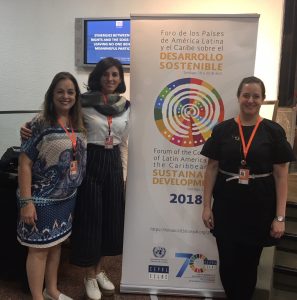 As a few highlights: as a result of networking with fellow Brazilian civil society members, Adriana was invited to be involved in the Comissão Nacional para os Objetivos de Desenvolvimento Sustentável (CNODS) of Brazil. Moreover, the IFLA the delegation had the opportunity to connect with Rosario Diaz Garavito, founder of The Millennials Movement and one of the UN NGO Major Group Operating Partners for Latin America as well as Co Focal Point on Humanitarian Affairs for the LATAM region. This was an opportunity to identify the common interests related to empowering youth, in our case through libraries, and to discuss potential room for collaboration at a regional level.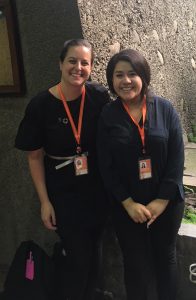
During the Civil Society consultation, the IFLA delegation took part in the discussions where key ideas to be included in the Civil Society Declaration were presented, to form a collective declaration that will be read at the Forum before the end of this week. In addition to submitting a key idea arguing for the need to recognise access to information as a human right, and the need for informed, empowered and committed citizens to have a participatory, inclusive and democratic agenda, IFLA volunteered to be part of the Civil Society team compiling all contributions and writing the final declaration.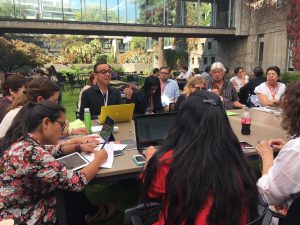
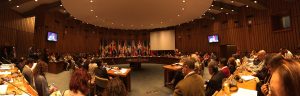
In the afternoon, the proposed mechanism/modality of civil society participation in the Forum of the Countries of Latin America and the Caribbean on Sustainable Development was reviewed, with very engaging discussions that will shape the future of Civil Society participation in LAC regional forums.
We look forward to continuing engaging with fellow Civil Society representatives after the official opening of the Forum that takes place today!
Find out more about IFLA’s work on libraries and development, the Development and Access to Information (DA2I) report, and follow us during the event on Twitter (@IFLA and @IFLA_Lib4Dev, and Facebook).
Use hashtags #ForoALC2030, #ForumLAC2030, #DA2I, and #Lib4Dev to stay tuned!