Author Archives: Miriam Akeriwe

Introducing Evidence-Based Library and Information Practice for Kazakhstani Librarians: A Humble Attempt

  This post is generously contributed by April Manabat, RL, MLIS, a Senior Expert Librarian at the Nazarbayev University, Astana, Kazakhstan.

With the ever-changing informational landscape not to mention the continuous struggle to demonstrate value, librarians are now encouraged to be evidence-based in making decisions to ensure smooth library operations. Being evidence-based requires librarians to conscientiously make decisions supported by evidence to comprehend their users’ needs, thus, improving their service delivery. Coupled with local knowledge and professional expertise, the use of research evidence is crucial, further bridging the gap between research and practice in librarianship (Koufogiannakis, 2015).

A Humble Attempt

In December 2024, The NU Library’s Eurasian Academic Libraries Training (EALT) made a humble attempt to introduce evidence-based library and information practice (EBLIP) or evidence-based librarianship (EBL) among Kazakhstani librarians. The training was attended by more than 50 librarians across the country who were eager to develop their professional competencies and learn the best practices intended to improve their library services in their respective institutions. The attendees were composed of librarians taking various roles such as managers and directors who were expected to prepare various related reports either on monthly or quarterly basis (60%) and had been asked to make decisions constantly (80%). Unfortunately, while most of them used and analyzed local knowledge such as statistics, feedback, and observations (40%) and trusted their knowledge and experiences (20%) in making decisions, none of them mentioned that they used scientific research data to back up their decisions.

An Insightful Discussion on Evidence

The discussion was indeed insightful. During the discussion, the librarians were introduced to the essential concepts of evidence-based library and information practice (EBLIP) highlighting its six steps: Articulate, Assemble, Assess, Agree/Apply, Adapt (Koufogiannakis & Brettle, 2016), and Announce/Advocate (Thorpe, 2021). Kazakhstani librarians believe that evidence is needed to ensure that decisions are based on facts rather than on outdated ideas, unfounded opinions, and prejudices. They also noted that using evidence creates dignity and credibility of the profession, thus, increasing its value. Most of the librarians agreed that the use of factual information such as statistics, reports, and analysis were considered essential to ensure the validity of evidence. However, while they understand the pivotal role of evidence in making decisions, they also noted that some evidence might not be available for them due to confidentiality; they find it difficult to identify or choose which evidence to use; evidence might be prone to manipulation and outdated, thus making it unsuitable to use; some were finding it difficult or lazy to search for evidence; and lastly, its tedious and time-consuming.

During the workshop, librarians were asked to articulate the problems in some given cases using the PICO (population-intervention-comparison-outcome) method which originated from evidence-based medicine (EBM). This is the first step in EBLIP. While most of the librarians understood the importance of defining the problem in each context, they found it difficult to identify the problem, assemble the evidence, and apply the evidence in making decisions.

Moving Forward

While EBLIP has been a talked of the town in the profession for quite some time now, it seems to be a relatively new topic among Kazakhstani librarians. There is a noticeable interest among librarians on EBLIP, however, there is a lack of knowledge and understanding of its application in the library setting. This is a good opportunity for librarians to develop their decision-making skills in various capabilities. Understanding the value and importance of being evidence-based in making decisions should not be ignored by any professions, librarians included. More than collecting statistics, descriptively analyzing them, and creating typical accomplishment reports when asked, librarians should be encouraged to demonstrate their value and uphold the credibility and dignity of the profession with the use of evidence to support them. After all, librarians and information professionals are expected to demonstrate their knowledge and skills in searching, evaluating, and using information (aka evidence) effectively to make informed decisions.

References

Koufogiannakis, D. (2015). Determinants of evidence use in academic librarian decision

making. College & Research Libraries, 76(1), 100-114. doi:https://doi.org/10.5860/crl.76.1.100

Koufogiannakis, D. & Brettle, A. (2016). A new framework for EBLIP. In A. Brettle & D.

Koufogiannakis (Eds.), Being Evidence Based in Library and Information Practice (pp. 11–18). Facet. https://doi.org/10.29085/9781783301454

Nazarbayev University Library. (2024). Eurasian Academic Libraries Training 2024.

https://library.nu.edu.kz/ealt

Thorpe, C. (2021). Announcing and advocating: The missing step in the EBLIP model.

Evidence Based Library and Information Practice, 16(4), 118–125. https://doi.org/10.18438/eblip30044
How Librarians Can Protect Researchers from Untrustworthy Journals and Book Publishers

This post was generously contributed by Lorraine Estelle from Think. Check. Submit., UK.

In the fast-paced realm of academic publishing, researchers are navigating a minefield of options, and not all are genuine. Enter the dubious world of ‘predatory’ publishers and journals—also referred to as fraudulent or misleading publishers and journals. Regardless of the label, these entities share a common objective: exploiting researchers by imposing substantial fees without providing the editorial or peer-review services they guarantee.

Charging fees are a standard publishing model, yet what distinguishes predatory publishers is their bad faith. Rather than advancing knowledge, they capitalise on misrepresentation and manipulation, leaving researchers vulnerable and their work unacknowledged.

The Growing Threat of Predatory Publishing

Predatory publishing isn’t just a nuisance; it’s a global epidemic. Every country is affected, and the rise of online journals has only made it easier for these publishers to operate in disguise. Think you can spot them by their poorly worded emails? Think again. Today’s predatory publishers are increasingly cunning, adopting names that mimic reputable journals and boasting fake impact factors or editorial boards. There are now so-called hijacked journals whose operation is based on copying the website of an existing journal to deceive researchers into submitting their articles to the cloned journal instead of the original. Even experienced academics have been fooled.

A Simple Solution: Think. Check. Submit.

The good news? Researchers don’t have to navigate this alone. Think. Check. Submit. is a cross-sector collaboration that aims to provide researchers with the tools they need to evaluate publishers and journals before submitting their work. Practical checklists, empower researchers to assess a publisher or journal’s trustworthiness and determine if it’s the right fit for their research.

Librarians as Trusted Guides

Librarians play a crucial role in spreading the word about Think. Check. Submit. Library websites are one of the main ways researchers discover this valuable resource. Here’s how your library can help:

  • Add a Link: Include Think. Check. Submit. on your website or LibGuides to make it easy for researchers to access.
  • Share Visual Resources: Download posters, social media graphics, and other materials to promote awareness.
  • Embed the Video: Use the animated Think. Check. Submit. Explainer video to break down the essentials in a fun and memorable way.

By taking these simple steps, librarians can become champions of research integrity, helping researchers avoid the pitfalls of predatory publishing and ensuring their work finds the audience it deserves.

Useful link

Check. Submit. website: https://thinkchecksubmit.org/  

Posters and Social media Graphics for Libraries: https://thinkchecksubmit.org/resource/posters-and-social-media-graphics/ 

Check. Submit. video: https://youtu.be/kmHdR_hlG9Q

Introducing the Open Access Toolkit for Aotearoa New Zealand Researchers


This post is by  Berit Anderson, OA Toolkit Project Lead, Ngā Ratonga Manaaki Rangahau | Research Services, Waipapa Taumata Rau | University of Auckland

Globally, openly accessible research is growing exponentially. However, Aotearoa, New Zealand’s open access rate, has increased slower than the world’s. In 2023, Te Pōkai Tara (Universities New Zealand) released the Pan-University Statement on Open Access, committing to drive and support open access across the university sector. Their goal is to elevate the national percentage of open research to 70% by 2025.

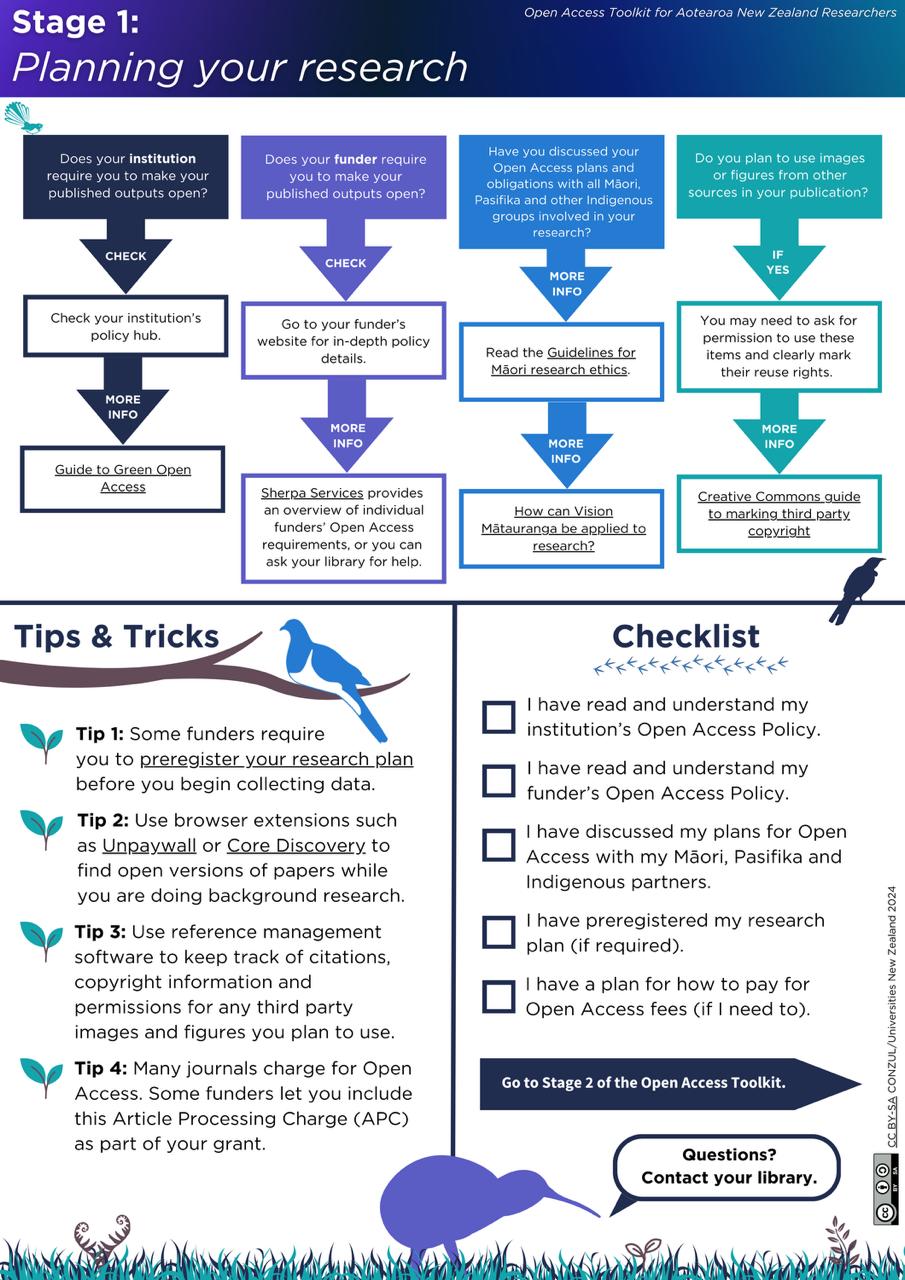
To support this initiative, the Council of Aotearoa New Zealand University Librarians (CONZUL) sponsored a project to create a resource that guides New Zealand’s researchers through the open-access publishing process. To ensure nationwide relevance, ten librarians from Aotearoa New Zealand’s eight universities formed a project team to develop the Open Access Toolkit for Aotearoa New Zealand Researchers. The toolkit is organised into five stages of publishing, which are familiar to all researchers:

  • Planning your research
  • Selecting a journal
  • Submitting your manuscript
  • On acceptance
  • After publication

The Open Access Toolkit (click to enlarge)

The project team worked collaboratively and remotely to co-design and produce the OA Toolkit from March 2023 until its official launch in February 2024. The toolkit is hosted by Open Access Australasia and is reviewed twice a year for accuracy. It comprises two key resources:

  1. A ready-to-use, institution-neutral version (PDF) that any researcher can download and share, along with an accessible alternative in Word format and
  2. We offer Free Canva and Word templates that any institution can adapt and modify to promote its specific policies, resources, and support teams.

Originally designed in a New Zealand context, this free Canva template is easily customisable and adaptable to other countries’ unique academic environments publishing. For excellent examples of how others have modified the original template, please refer to the OA Toolkits from Charles Sturt University and Waikato University. The toolkit is available for free and open reuse under a CC BY-SA licence. We hope you find this resource relevant and valuable—adapt!

Attending the IFLA Information Futures Summit 2024: A Grant Winner’s Experience

This is the third and last post in a series tracking the experiences of the ARL grant recipients who attended the Brisbane summit.

Adi Ela Radini Davuilevu, a library information assistant at Fiji National University, generously contributed to this post.

I had the privilege of attending the IFLA Information Futures Summit 2024, held in Brisbane from September 30 to October 3, as a grant winner sponsored by Sage. This summit provided a valuable platform for library and information science (LIS) professionals to explore emerging trends, share insights, and discuss the future of information services globally.

Among the diverse sessions and discussions, Ms. Gina De Alwis led one of the most impactful presentations I attended. Her session delved into the status of Continuing Professional Development (CPD) offerings for LIS employees in selected Asian countries. Through her detailed analysis, Ms De Alwis shared five significant findings, shedding light on progress and ongoing challenges in LIS professional development.

One particularly concerning finding was the limited CPD programming across many regions. Numerous programs were repeated, leaving gaps in innovative learning opportunities for professionals. The absence of structured LIS curricula further compounded the issue, making it difficult for employees to advance their skills or stay updated with evolving industry demands. Ms. De Alwis also identified several critical barriers to CPD success, including a general lack of interest among employees, mainly due to limited opportunities for career progression.

This session underscored the need for a more proactive approach to developing diverse, forward-thinking CPD initiatives to meet the aspirations of LIS professionals. As a grant winner, this experience has inspired me to advocate for improved CPD structures within my network, aiming to foster a more robust culture of continuous learning and advancement in the LIS field.

The memorable experiences at the IFLA Information Futures Summit in Brisbane, Queensland, Australia were significant

 This post is the second in a series of three that track the experiences of the beneficiaries of the ARL grants to attend the Brisbane summit.

This post is generously contributed by Pham Ba Toan, Vietnam National University, University of Science.

 Attending the IFLA Information Futures Summit in Brisbane, Australia, for the first time, with sponsorship from SAGE and the IFLA ARL Section, was a memorable experience that brought many emotions. I was surprised and excited to find out I had been selected to attend this event. IFLA is one of the largest forums in the field of libraries and information, attracting top experts from around the world.


Figure 1: Thank you for the participant grant supported by the IFLA ARL Section and SAGE Publisher

Before the Opening day, I was invited to the IFLA Asia & Oceania Division with all IFLA Asia & Oceania Committee members. Mainly, I had a photograph with Gulcin Cribb and Jayshree Mamtora. It is a beautiful time to listen to the practices of colleagues in the IFLA Asia and Oceania Division and the plans people will prepare and organise next year.

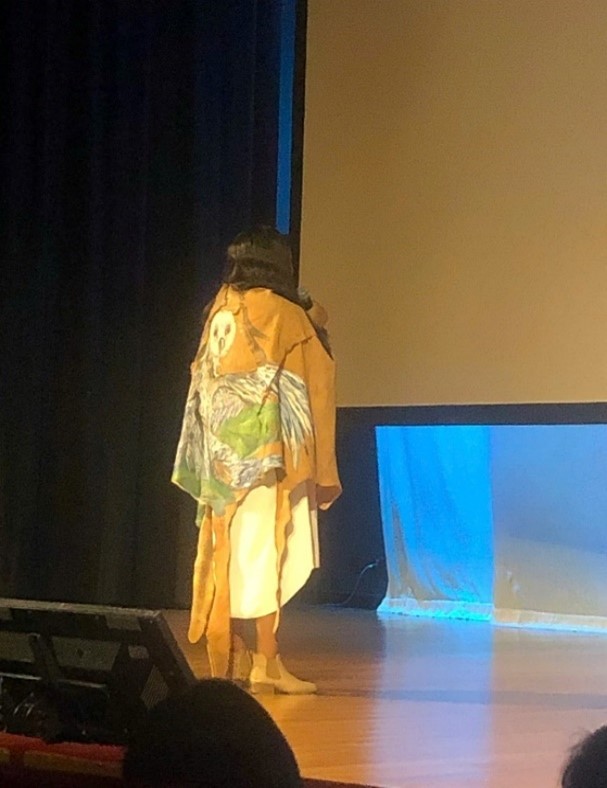
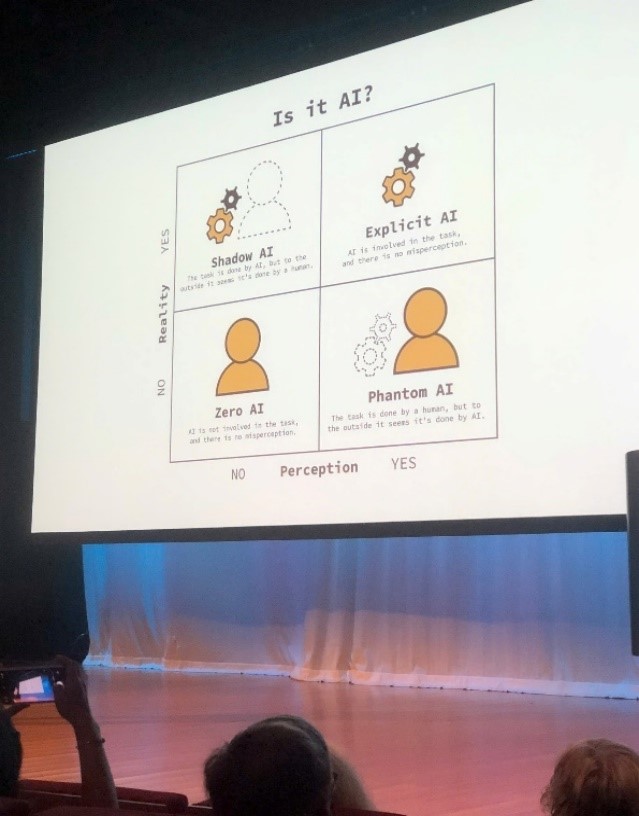
In the Opening Session, I was amazed by the cultural performance of a Native Australian girl with her native song and Tyto alba or barn owl symbolic cloth, which is preserved and protected by many descendants. “AI and the Rise of the Digital Minions”, presented by Marek Kowalkiewicz, attracted and affected my work. The AI detection features are incredibly beneficial and practical in the AI rise era based on the Knowledge Creation Map. When applying this, I can recognise AI and understand AI nutrition, which is mentioned in his presentation.

Figure 2: The meaning of Tyto Alba and her Native Culture Preservation Effort story


Figure 3: AI Detections and Nutrition Facts

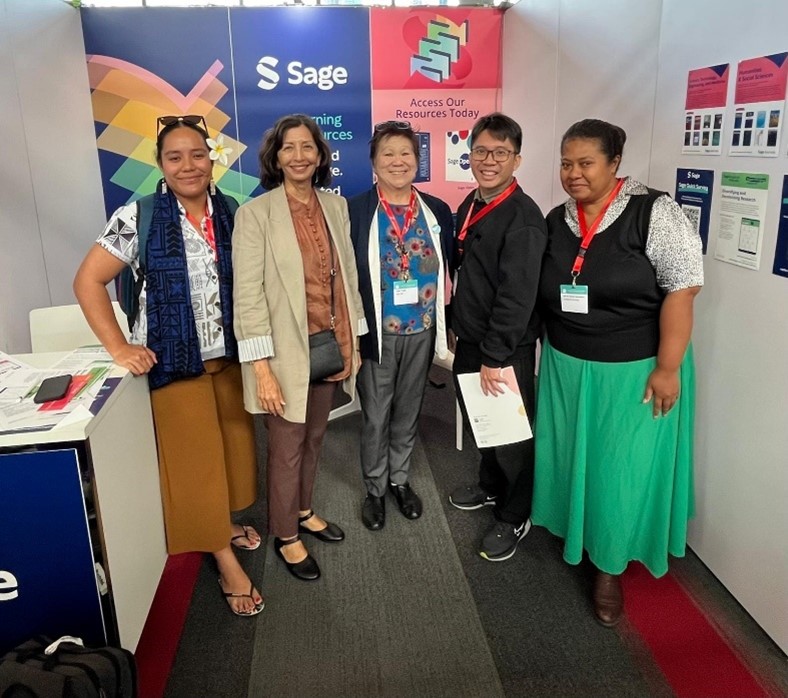
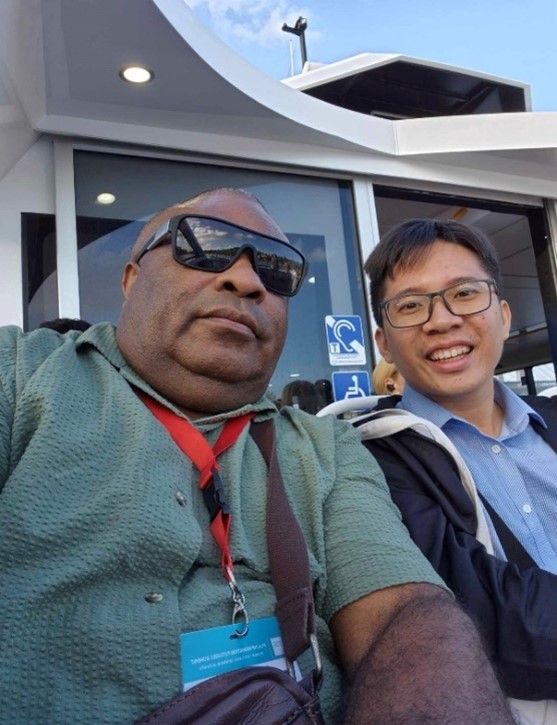
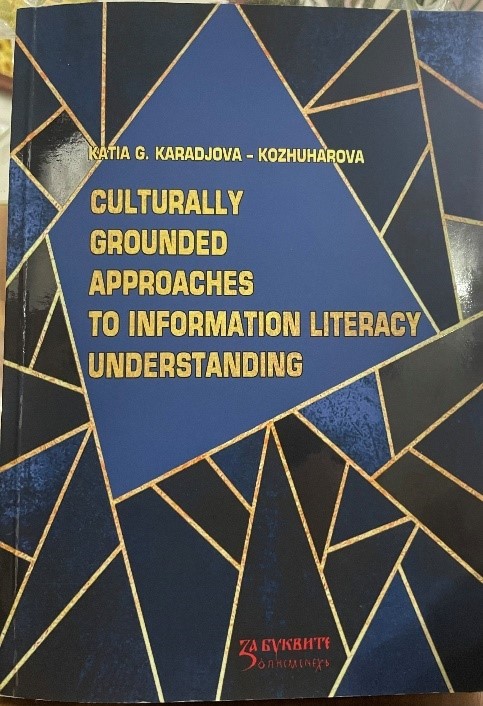
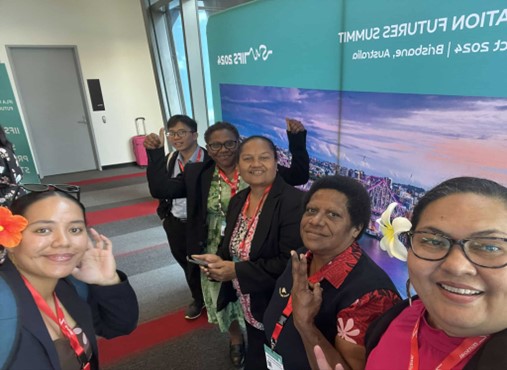
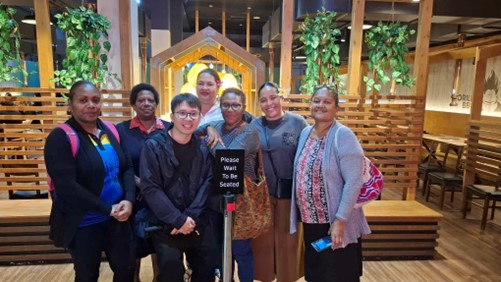
As “Stronger Together”, after each session or summit day, I often had a chance to meet many multicultural friends and chat with them on topics and social life. I met and connected with friends in Oceania nations, including Nelly, Nina, and Lonneth from Vanuatu, Fiji, Miraneta and Ane from Samoa, Kim from New Zealand, and Benzamine from Papua New Guinea. Also, I received a gift for incorporation on information literacy research from Katia, Associate Dean of Research & Assessment and Professor at Georgia Southern University,

Figure 4: International friends met and connected at the IFLA Information Futures Summit

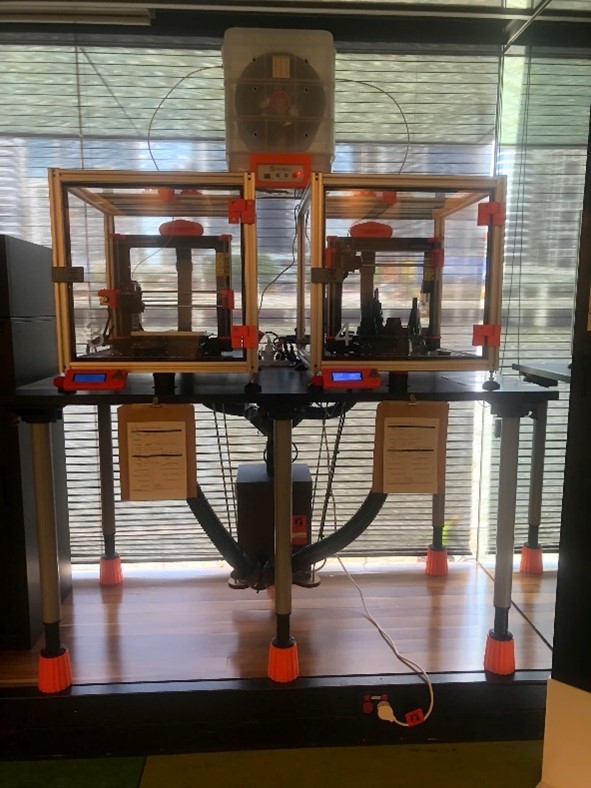
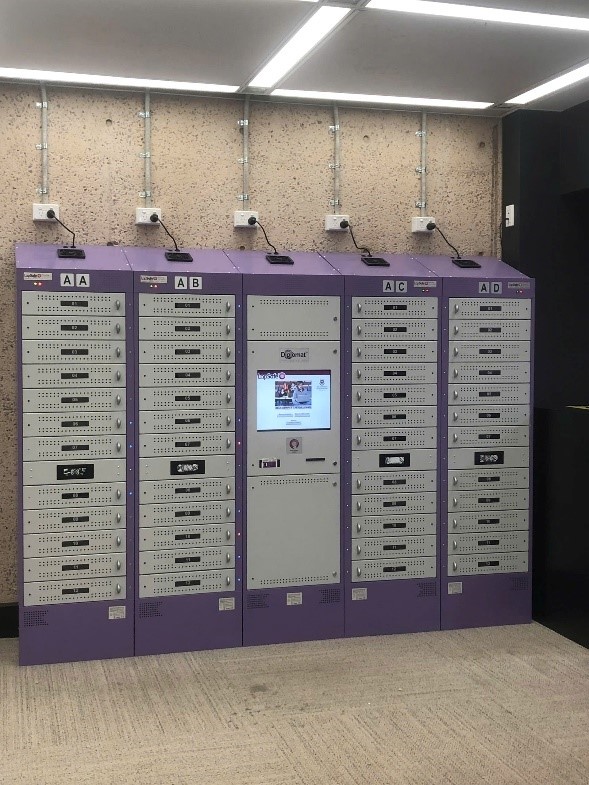
Exploring the Library tour, in my opinion, is one of the best experiences, besides IFLA Summit sessions and IFLA colleagues. I visited three kinds of libraries in Brisbane and GoldCoast, Australia. Exploring with Benzamine, the State Library of Queensland, and the University of Queensland Library is a fantastic tour with the service and technological advancement supporting patrons in reading, learning and researching. Mainly, I was surprised by a Laptop borrowing system in the UQ library where students could exchange or store their laptops and the Edge space where patrons can use 3D printing, laser cutting machines and others such as Makerspace. Otherwise, I travelled to Broadbeach Library, where the community can learn and amuse with many kinds of titles such as literature, sci-fi, etc.


Figure 5: Some of the photos on the Library exploration tour

Figure 6: A dinner with library colleagues after the IFLA Information Futures Summit

As a young librarian, I participated in the IFLA Information Futures Summit and gained valuable insights into the significance of artificial intelligence and technological advancements. I realised that connection, collaboration, and community development are emerging as essential trends and missions for libraries of all types. This is particularly relevant to my current role, where I focus on engaging with students, collaborating with student clubs, and preparing training courses. I am grateful for the opportunities to explore, learn, and connect with fellow library colleagues.

My Experience at the IFLA Information Futures Summit 2024

This post is by Ane Ah Poe, one of the beneficiaries of the ARL grant to attend the IFLA Information Futures Summit 2024 in Brisbane, Australia.

Attending this three-day Summit conference with more than 700 participants and 70 nationalities can be an overwhelming experience, exhilarating and enlightening at the same time. This experience not only expanded my knowledge but also taught me more and more about the crucial role of libraries in all countries. This also provided some invaluable networking opportunities and lessons along the way. I am beyond grateful to have received the ARL Grant, which allowed me to attend and learn more about the importance of our roles and responsibilities in amplifying and advocating for our libraries.

This invaluable experience has been thought-provoking and opened worldwide access to challenges and solutions. The vibrant venue and the beautiful people have charged the atmosphere with energy to the point of people engaging in animated discussions and catch-ups. The organisers have done a marvellous job organising this summit, from the well-designed venue, spacious halls and breakout rooms for presentations to the exhibition booths for gathering and collecting more information and resources. As I navigated around each fruitful session, I felt excitement and trepidation as each panel member brought a unique perspective, sharing innovative ways and insights drawn from their experiences and expertise.

All keynote speeches were profoundly highlighted at the conference. Each speaker shares their views and thoughts on moving forward with the modern use of technology, especially AI. We cultivate and captivate the ethical implications of AI in our everyday life. This sparked a thought: as our developed countries are racing and generating AI, I wonder if our Pacific islands are also keeping up with this.

The IFLA strategy should be a great framework and a guideline for your work in your country. This can inspire more library associations to work together for a better future today or tomorrow. The trendsetter can navigate your workspace and create objectives to guide and transform your roles into a more active and generative opportunity to promote and advocate for your libraries.

But beyond the sessions, this Summit provided me with ample networking opportunities. I always find good conversations with people during coffee breaks and meals, engaging with our dear participants from various backgrounds and industries where we share our workspace, experiences, aspirations and challenges. Connections were forged with some professionals whose work I admired, and I learned about their journeys, gaining insights that could apply to my career. There were friendships made in these short periods, and contact details were exchanged to keep in contact and work together.

As the conference ended, I reflected on multiple information and insights I gained. As I head home, I know the renewed sense of purpose inspired me to implement what I learned from this Summit. The connections felt meaningful, and I look forward to nurturing these relationships in the future.

Lastly, my attendance at this Summit was more than just an opportunity to learn and network. It was a transformative experience that ignited a passion for my workspace. I return home with new knowledge and a network of inspiring individuals with the same enthusiasm for innovations and amplifying our libraries. Conferences like this remind us of the power of working together. Collaborating, forging partnerships, building trust, and continuous learning in an ever-evolving platform for our communities and within our libraries. Our theme for this Summit is “Stronger Together!”

IFLA’s Academic and Research Libraries (ARL) Standing Committee hosted its annual Hot Topics session on August 13, 2024.

This post is by Lorraine J. Haricombe, who managed the Hot Topics program of the IFLA ARL Committee.

IFLA’s Academic and Research Libraries (ARL) Standing Committee hosted its annual Hot Topics session on August 13, 2024.The Hot Topics event is ARL’s signature event that attracts significant interest from WLIC attendees every year.  In the absence of WLIC in 2024, ARL hosted its Hot Topics session as an online webinar to accommodate a global audienceon zoom.

This year’s theme focused on Current & Future Literacies: Libraries Leading Literacy Development” with three speakers addressing three specific topics including: AI in LIS education; Advancing Biblio-Equity: Digital Preservation and Diversity, Equity and Inclusion in a Post-Covid-19 World; and The Role of The Chinese University of Hong Kong Library in Global Transitions with a focus on advancing digital literacy.  Our three speakers represented different global regions including Uganda, the UK and Hong Kong.  Each speaker presented an eight-minute lightning talk via zoom to an online audience followed by a Q and A session where lively discussion ensued including comments in the chat box.  The three presentations and slides are listed below.

Presentation 1: AI in LIS Education in Uganda: A Response Strategy by Dr. Sarah Kaddu, Dean, East Africa School of Library and Information Science, here.

Presentation 2: Advancing Biblio-Equity: Digital Preservation and Diversity, Equity, and Inclusion in a Post-COVID-19 World by Alicia Wise, Executive Director of the CLOCKSS Archive, here.

Presentation 3: Advancing Literacy in the Digital Age: The Role of the Chinese University of Hong Kong Library in Global Transitions by Lily Y. Ko. Head, Research & Learning Support, The Chinese University of Hong Kong Library, here.

This structure of the session mimicked the format we typically use in the in-person sessions at WLIC where the audience is seated in a large room at round tables and where they listen to lightning talks by three speakers for the first half of the hour-long session.  After the presentations, each speaker picks a table to engage in Q and A with those interested in their topic for the last half hour of the session.

As the team lead for ARL’s annual Hot Topics session, I would like to share my observations of the different experiences I have observed when the session was held in-person and online.

The annual in-person Hot Topics sessions at WLIC usually attract strong interest and offer lively and fluid conversations at round tables where the audience can engage directly with presenters. In-person sessions offer the audience the flexibility of walking around from table to table that facilitate collaborative brainstorming and different points of view and where creative solutions can be shared. They can also build positive relationships with other colleagues from different global regions. The round table structure is intentional to ensure equity and inclusion of all voices in the room. The impact of these interactions cannot be overstated as colleagues learn from and directly share their stories with others. People often stay and mingle or continue discussions long after the round table discussions have ended. At our last in person session in Rotterdam in August 2023 the Hot Topics session attracted more than 365 individuals in a large room with standing room only.  Despite the lack of round tables in that room on that day, attendees formed circles of small groups and continued their discussion long after the session ended. If the topic is of interest (and hot!), they are more likely to attend sessions when they are onsite. Simply put, those who invest in travel time and costs to attend WLIC are there to listen, learn, engage and network with others.  The downside of in-person meetings is that only a small percentage of librarians globally attend WLIC while the larger professional community is left out.  Social media and recordings of the presentations have been helpful to ameliorate this challenge. Hot Topics session recordings are usually available on YouTube soon after the IFLA WLIC meeting. See: YouTubehere

In the absence of WLIC in 2024, ARL-SC offered its annual Hot Topics session in the form of a zoom webinar.  While the webinar was free it required registration and more than 200 people registered.  One of the challenges with a global zoom webinar is to determine the best date and time for the event. Even with a firm date, the time will never suit all those who may be interested. Despite more than 200 registrants for the event the size of the online audience varied between 65-67 during the one-hour session which was held on August 13 at 12h00-13h00 (GMT). The zoom session provided an equal opportunity for many more professionals to attend the presentations, at no cost or time to travel to a specific destination. However, challenges with online connectivity, environmental distractions, conflicts, or the time of the session (day or night) are all solid reasons why more people did not or could not participate in the onlinewebinar.

ARL was among the first groups to use IFLA’s new zoom platform. Thanks to IFLA staff we received excellent training and support to manage the new platform for an effective, engaging and seamless webinar experience.  The new platform allowed us to promote the speakers before the event including a brief bio and crisp images for each. A nice feature of IFLA’s new platform allowed speakers to gather backstage to check in and to discuss protocols before going “on stage.” Similarly, they could “exit” the stage to return backstage.  Those who were backstage could hear all the presentations and make comments without being seen or heard.  One drawback of the experience was that presenters could not see the audience and all questions during the Q and A session were directed to speakers via chat.Unlike the in-person sessions, the zoom session was scheduled for one hour and left no flexibility for further discussion. We did not follow up with registrants or participants for their feedback,a feature that will be helpful to understand how to improve the online experience for future online sessions.

Pros and cons abound for online vs in-person meetings.  While I have listed more advantages for in person Hot Topics sessions than for the online zoom session, I am not promoting one over the other. Online sessions should not be ruled out, rather, we should try to maximize the accessibility and participation of in-person and online sessions and work to strike the right balance between in person and online meetings.