Colleagues, we are excited to announce the our next episode (for season 2) of the CPDWL Podcast Project where we feature library and information professionals who support and participate in professional development work.
This episode’s guests are Ulrike Lang and Vera Keown
To listen to he episode, see here: https://spotifyanchor-web.app.link/e/4kS8R2lpSub

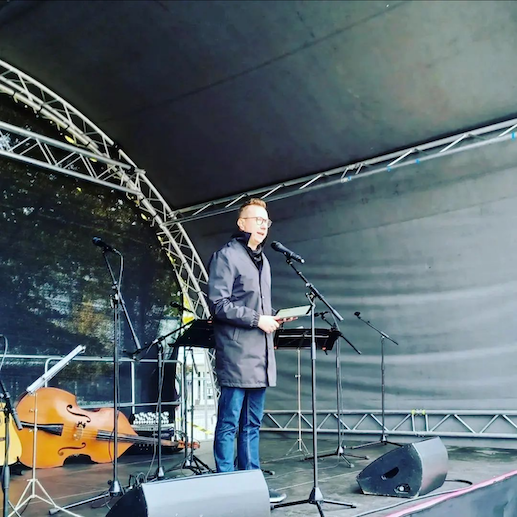
Ulrike Lang – Until June 2020 Ulrike Lang was head of the Education and Training Department at the State and University Library Hamburg, Germany. Also responsible for Health management, conflict management, diversity management and addiction prevention. She is a member of the German library association BIB and gave several presentations at national and international conferences concerning CPD. Ulrike Lang already served eight years at the Continuing Professional Development Section (CPDWL) as co-chair, was four years member of the Education and Training Section of IFLA and now returned to CPDWL again as co-chair. She is a member of the coaching working group and served also as coach in the past years. At the 2019 Satellite conference in Zagreb she held the workshop „Challenging Presentation Needed? „

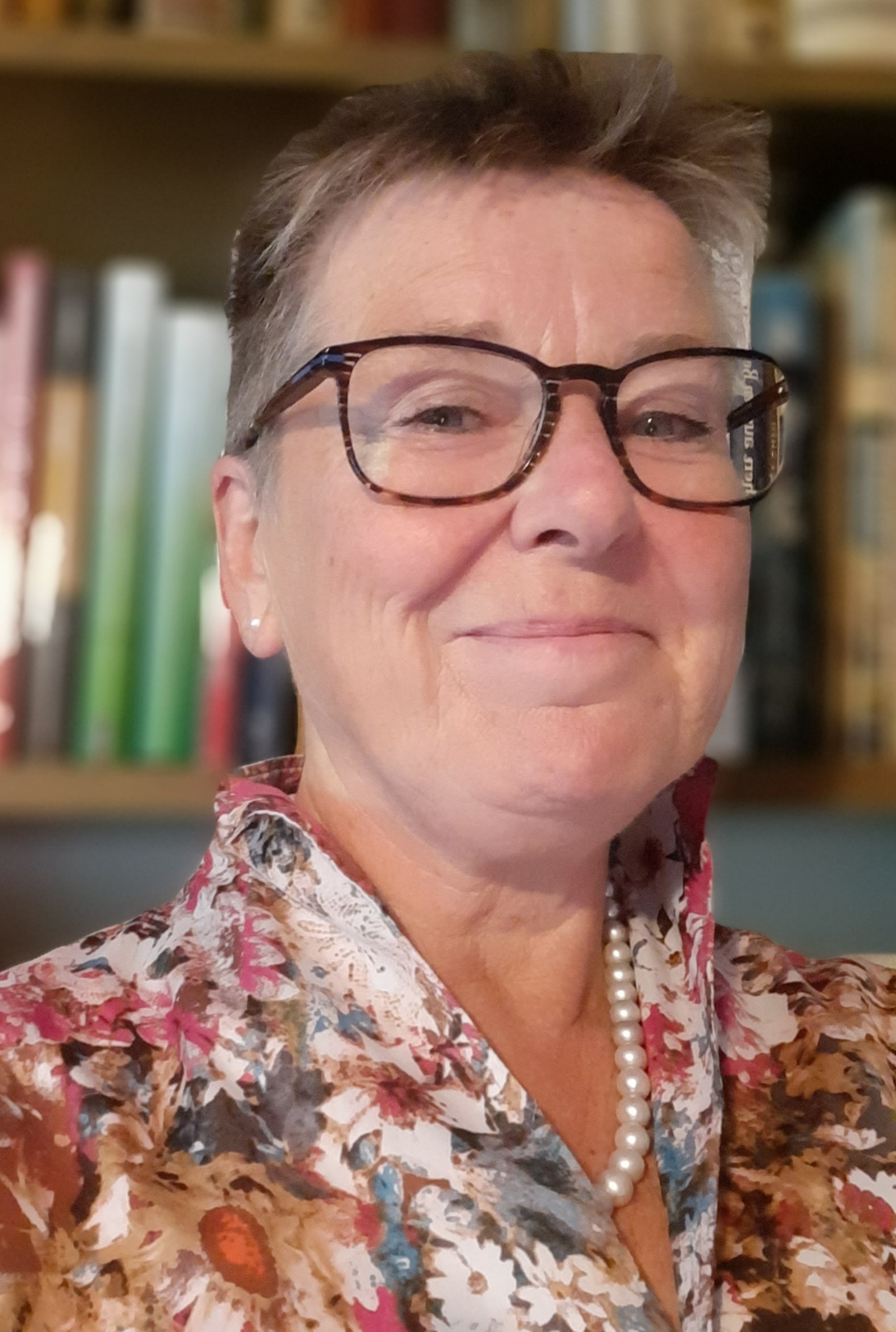
Vera Keown has been with the University of Manitoba in Winnipeg, Manitoba, Canada since 2010. First as Head of the Sciences and Technology Libraries and since 2014, as an Associate University Librarian. She previously held a number of library and business positions at the National Research Council of Canada. Vera has been a member of the IFLA Management & Marketing section since 2016. She considers it a great honour to be working on the IFLA Coaching Initiative with such talented and dedicated committee members. Vera is a certified leadership coach, Gallup Certified Strengths Coach, and a member of the International Coaching Federation. She offers one-on-one coaching to managers, leaders, and executives of all levels for leadership and performance development, and provides coach training to organizations.
Transcript is below.
00:00:04.780 –> 00:00:19.669
ULRIKE: Hello, colleagues, and welcome to a new episode of the CPDWL Podcast. In this podcast we talk with the library and information professionals who support and participate in professional development work. Two.
00:00:19.820 –> 00:00:38.889
ULRIKE: My name is Ulrike Lang. Chair of the Continuing Professional Development and Workplace Learning Section CPDWL, and also convener of the IFLA Coaching Initiative run by a CPDWL and the Management and Marketing Section. I’m a retired head of Education and Training Department at the State and University Library in Hamburg, Germany,
ULRIKE: today’s guest is Vera Keown from Canada, and we will talk about mentoring and coaching, and identify the benefits of coaching.
00:00:57.840 –> 00:01:07.890
ULRIKE: We will also give you an overview about the IFLA coaching initiative and we’ll share some of the feedback coaches and coaches gave to us.
00:01:08.010 –> 00:01:13.449
ULRIKE: But first of all, I would like to ask my today’s partner to introduce herself.
00:01:14.600 –> 00:01:28.700
Vera: Thank you. Hi! Everyone. My name is Vera Keown Um, and yes, I am indeed from Canada, but it’s a big place. Um! So more specifically, i’m from Winnipeg Manitoba, which is kind of in the center of Canada.
00:01:28.840 –> 00:01:38.609
Vera: I’ve been a member of the IFLA management and marketing section in the past, and I’ve been involved in the IFLA coaching initiative since 2019
00:01:39.720 –> 00:01:52.450
Vera: I am a certified executive coach, and through coaching I empower individuals and groups to discover and realize their true potential and experienced success and fulfillment in all their pursuits. One hundred and fifty.
00:01:53.060 –> 00:02:03.070
Vera: I really like partnering with people, so that they can become the leaders that they were meant to be, and I offer that through confidential one-on-one executive and leadership coaching,
00:02:03.280 –> 00:02:17.219
Vera: but I’m also a librarian, and I have over twenty-five years of experience as a special and academic library, and currently, I am the organizational development live frame at the University of Manitoba. One.
00:02:18.220 –> 00:02:28.049
ULRIKE: Thank you, Vera. I already mentioned that we will talk about the IFLA coaching initiative itself, and why we started this for the worldwide community.
00:02:28.060 –> 00:02:39.839
ULRIKE: We will identify the similarities and differences between coaching and mentoring, but also talk about the benefits for both the coaches and the coaches in the business context, one hundred and fifty.
00:02:39.850 –> 00:02:50.100
ULRIKE: Finally, we’ll highlight some experiences of both coaches and coaches who have participated in the in-person and also online. Program.
00:02:50.170 –> 00:03:05.410
ULRIKE: Let’s start with the comparison of coaching and mentoring. Vera is there a definition of coaching and mentoring, which is useful for the library field. And what are the differences in terms of roles, goals, and approaches? One hundred and fifty?
00:03:06.690 –> 00:03:18.679
Vera: Well, Uh, thanks, Um. Arika. Yeah, there is actually a a difference, although we often talk about mentoring and coaching as if they are the same thing. But in fact, they are different. One
00:03:18.690 –> 00:03:30.119
Vera: Um. So I’ll start with mentoring, because I think people are a little bit more familiar with that. Um. And what mentoring is usually a it’s a a formal or sometimes informal relationship
00:03:30.130 –> 00:03:41.379
Vera: Ah! Between a senior and a junior colleague or an employee. And uh, that relationship could either be uh within an organization or external to to an organization one.
00:03:41.390 –> 00:03:50.649
Vera: Um! But the focus of mentoring is on the senior colleague advising and supporting the junior colleague to achieve career success.
00:03:50.870 –> 00:04:02.959
Vera: So typically the senior colleague will help the junior colleague by talking about how they drew their career. Um, and suggest that the junior individual try some of the same approaches that they did.
00:04:03.600 –> 00:04:10.129
Vera: Mentors can also be a source of support in terms of networking and providing opportunities to the junior colleague,
00:04:10.240 –> 00:04:14.230
Vera: based on the relationships and experiences that they have developed
00:04:15.520 –> 00:04:32.689
Vera: mit ctl and Ching, on the other hand, is really a develop. Also, it’s a developmental focused um process as well, but it’s really focused on the coachee and um their personality, their situations, and what it is that they want to accomplish. One hundred and fifty
00:04:32.700 –> 00:04:45.330
Vera: So coaching is, is unlocking people’s potential to maximize their own performance, and that’s a code from Sir John Whitmore, who is considered to be one of the founders of the professional coaching movement, one hundred and fifty
00:04:45.850 –> 00:05:01.439
Vera: So coaching is developmental and future focused. Um. The role of the coach is to facilitate learning and development of the coach. He and they do that through developing self-awareness and self-discovery by asking a lot of questions one hundred and fifty
00:05:01.450 –> 00:05:16.410
Vera: So through the questioning, the coach works through a process to help the Kochi discover their strengths. Look at challenges from a different perspective. Consider the opportunities and different options that might be available, and develop their own solutions one hundred and fifty
00:05:17.530 –> 00:05:21.799
ULRIKE: isn’t there. A third method we could include in this context.
00:05:22.620 –> 00:05:30.960
Vera: Well, yes, um, you know I especially in workplaces. I I about adding coaching to the manager’s toolkit.
00:05:30.970 –> 00:05:47.000
Vera: Um, and that’s because, as a manager, we often have to dance through the roles of manager, mentor, and coach depending on um who we are talking to. Who are we uh dealing with, and also what the situation
00:05:47.010 –> 00:06:03.409
Vera: So you know, I think we’re all pretty familiar with what it means to manage, or to be a manager. Um, but a manager, you know, is seen as the expert and the problem solver. They’re the ones who set the goals. They train staff. They monitor progress and performance.
00:06:03.600 –> 00:06:12.999
Vera: Um, you know, when there’s policies and procedures in place at organizations, it’s the manager that makes sure they are followed, and that those goals are achieved.
00:06:13.140 –> 00:06:26.599
Vera: The manager usually decides what the goals are, or they have them handed down from the organization. They set the targets they assign the tasks, and they tell the employee what to do and how to do it.
00:06:26.610 –> 00:06:34.990
Vera: So in this case a manager really does a lot of telling when we’re talking about conversations with Uh with employees.
00:06:35.070 –> 00:06:38.070
Vera: In the case of uh coaching
00:06:38.130 –> 00:06:57.819
Vera: the differences is, the coach will be asking the manager who’s acting. Who’s acting as a coach at that time will be doing a lot of asking. Instead, they’ll be doing a lot of asking questions and uh letting the Kochi try to come up with some solutions to how do things?
00:06:59.150 –> 00:07:06.789
ULRIKE: So we have mentoring We’re usually a well experienced colleague in that field gives an advice.
00:07:06.800 –> 00:07:21.570
ULRIKE: We also have the managerial coaching where the manager will tell the coach, he his, or her employee, what to do, and we have the coaching itself where no solutions will be presented but targeted questions.
00:07:21.680 –> 00:07:34.219
ULRIKE: When I look at my experience in coaching the last years, I find it sometimes useful not to have specific knowledge and experience in a particular field of librarianship,
00:07:35.180 –> 00:07:49.840
Vera: You know that’s a very important point. Um, I think. And it really what distinguishes mentoring from coaching when we’re acting as a coach. Um, we’re facilitators or guides to solution finding for the coaching
00:08:01.650 –> 00:08:10.450
Vera: we may be too quick to want to offer our advice and our solutions, and it’s natural because we want to help um, and we, you know we want to
00:08:10.760 –> 00:08:14.919
Vera: help this person deal with whatever challenge they’re facing,
00:08:15.020 –> 00:08:30.369
Vera: However, when we’re coaching, we need to remind ourselves that the solution we are tempted to offer worked for us. Um with our personality, our particular situation, and the people that were involved at the time. One.
00:08:30.380 –> 00:08:35.039
Vera: So it doesn’t necessarily mean It’s going to be the right solution for the coaching
00:08:35.679 –> 00:08:49.430
Vera: and so our value as a coach comes from acting as a thinking partner for the coaching. We ask questions that challenge their assumptions and beliefs about what is happening, and we help them explore options for solutions one hundred and fifty.
00:08:49.600 –> 00:08:59.439
Vera: In this way the coaching is developing a solution that is tailor-made for their situation, their personality, and one that they’re going to be comfortable implementing.
00:09:01.320 –> 00:09:05.740
Vera: Um. So if you’re acting as a coach, some of the things we want to
00:09:05.950 –> 00:09:13.990
Vera: and keep in mind is we’re really there to listen. Um! So it’s important to have good listening skills as a coach One
00:09:14.000 –> 00:09:31.959
Vera: uh we want to create a trusting environment uh a safe place where people can talk about some of their assumptions. Oftentimes some of the fears of of what they think might happen if they if they make a particular choice. Um. So we really need to keep an open mind. We need to be curious about
00:09:31.970 –> 00:09:49.739
Vera: um, the coaching, and we really want to focus on the coaches learning it. You know coaching is developmental. They need to learn something from this, and if we just provide the answers, it’s not um. It’s not as fulsome of a learning opportunity for the coaching
00:09:50.930 –> 00:09:57.210
ULRIKE: vera. Can you please give us some examples where coaching can help in the business context.
00:09:58.060 –> 00:10:15.329
Vera: Yeah. So as I mentioned um, you know, with the with a manager and I talked about managers, but you could be coaching colleagues as well. Um. But you know you dance between that manager mentoring and kind of coaching style. Um, so
00:10:15.340 –> 00:10:30.559
Vera: and what we’re finding, you know, in in our new workplace, especially after Covid. Right? Everything changed after Covid and employees want a workplace culture that is different from the old command and control style of the past two hundred and fifty,
00:10:30.570 –> 00:10:39.510
Vera: and at the same time, you know, organizations need employees to be innovative, self-directed and motivated to keep up with the fast pace of change one hundred and fifty.
00:10:40.520 –> 00:10:55.919
Vera: And we’re also seeing a lot of societal changes within organizations. Um, especially when it comes to things like equity, diversity, and inclusion. Um and employees really want to feel empowered and are starting to demand more of their work. Culture?
00:10:57.160 –> 00:11:13.940
Vera: Um. So coaching is a really important part of it, of a of a learning organization, and some of the benefits there. There are many individual benefits that the research has found in in terms of a role clarity for for individual employees
00:11:13.950 –> 00:11:30.710
Vera: um job. Satisfaction has improved. Organizational commitment has uh improved with coaching, uh, you know, and um, and What are the big ones, especially now for for most organizations is uh employee retention one hundred.
00:11:30.720 –> 00:11:40.789
Vera: So some of the research that’s been done suggests that employees that are are coached are less likely to consider. Leaving the organization
00:11:41.070 –> 00:11:55.960
Vera: … for the organization Uh. The benefits of coaching are more satisfied. Employees better performance. Um novel ideas uh novel solutions to to tough challenges that they might be facing one hundred and fifty
00:11:55.980 –> 00:12:13.269
Vera: um and uh, and obviously and often with teams. Uh it comes down to. If you have some team coaching going on, these projects will be shorter in dur duration, and uh, they will be under budget, which is always important.
00:12:14.740 –> 00:12:32.310
Vera: Um! And I I think part of that, too, is is kind of what. When do you consider that you can um try coaching. And uh, there’s really a number of different times uh that you can. You can think about adding coaching to your to your toolkit.
00:12:32.320 –> 00:12:37.920
Vera: Um! One of the simplest is when you know you get a knock at the door, and you, you
00:12:38.000 –> 00:12:41.530
Vera: colleague, or your employee, says, Well, we’ve got a problem,
00:12:41.820 –> 00:12:49.790
Vera: or I need your advice. You know those are two really good clues that maybe this is an opportunity for coaching
00:12:50.690 –> 00:13:09.340
Vera: um. I also like the idea of using coaching during performance conversations, or the annual review conversations that managers have with employees, and this can take the form of asking questions like, you know, what was the most um challenging
00:13:09.350 –> 00:13:12.299
Vera: thing that you found this year, or
00:13:12.340 –> 00:13:19.920
Vera: who did you work with this year that you felt you learned a lot from. And what was your biggest success this year,
00:13:20.660 –> 00:13:34.619
Vera: and the meetings are a great place to add some coaching right? We can ask simple questions and meetings, especially when we have sort of a debate going on, and nobody’s in, you know, some arguing, and nobody’s one
00:13:34.740 –> 00:13:50.400
Vera: agreeing on anything you know. We can try and bring people back to what is the goal here? What is the ideal outcome that we want to um want to get to? And how can we go about doing that. Let’s explore some options, one
00:13:50.410 –> 00:14:02.719
ULRIKE: may I ask here? Um. So coaching is not only driven by the coaching, it could also be driven by a coach.
00:14:03.890 –> 00:14:23.030
Vera: Well, yes, I guess in in terms of um when we’re talking about it happening, say, within an organization um as opposed to you know how I work with clients who come to me. Um. And I am not part of their organization at all, and I’m working one on one with them.
00:14:23.040 –> 00:14:38.490
Vera: But within organizations you know it. It’s very easy for a boss um or manager to say, You know, Doc, at the door, I’ve got a problem. I need your advice. And uh, you know,
00:14:38.520 –> 00:15:00.350
Vera: I was going to just get to the last one about where often I’ve had some of my staff. Bring me problems where I really just don’t know the solution myself, because it’s something that I haven’t had experience in as well. So when I’m stumped, and I don’t know what to do. Um, coaching is a good time to sit down with the person and say, Well, I really don’t know what to do.
00:15:00.360 –> 00:15:19.269
Vera: But um. Would you like me to help coach you through that? And I often find, too, that if you’re going to coach in an organization it’s important to talk to the person first to say that you’re going to try something a little different. You’re not going to just solve the problem for them, but that you’re going to work with them.
00:15:22.320 –> 00:15:23.890
ULRIKE: Very interesting.
00:15:24.560 –> 00:15:29.040
Vera: Okay, Thanks. I think so.
00:15:33.300 –> 00:15:37.940
ULRIKE: Maybe I can talk a bit about the If the coaching initiative,
00:15:38.160 –> 00:15:47.530
Vera: Yeah, I would think it would be a really good idea if you, if you talked a little bit more about that, of how it started, how it functions and and some of the experiences today.
00:15:47.860 –> 00:15:55.930
ULRIKE: Sure, um! I can describe a bit while we, as a section of it, Fl. Started with the coaching initiative.
00:15:55.940 –> 00:16:13.409
ULRIKE: We felt the need of in-person exchange and communication, like in world cafes or discussion groups, because during the world library and information congresses, they have been presented a lot of lectures with the strict separation between speakers and listeners, one,
00:16:13.420 –> 00:16:24.490
ULRIKE: So, some discussions have been introduced, but usually only panel discussions, without involving the audience, like the very much experienced and the less experienced Two
00:16:24.500 –> 00:16:35.199
ULRIKE: and Don’t forget the key initiative. Number three point one of IFLA. It is, provide excellent opportunities for face to face networking and learning.
00:16:35.370 –> 00:16:53.060
ULRIKE: We also knew that many colleagues urgently needed some kind of consultation or advice which they could not get in their libraries or institutions, or only through financial hurdles
00:16:53.070 –> 00:17:05.039
ULRIKE: and train different skills. But for us, coaching seemed to be a skill which could be easily offered for colleagues from all over the world and every kind of institution
00:17:05.770 –> 00:17:19.300
ULRIKE: also. The culture of dealing with the mistakes is very different worldwide. That’s this means that it is not possible to openly admit and discuss deficit everywhere. For example,
00:17:19.400 –> 00:17:36.589
ULRIKE: So for us, the international community within, IFLA seem to be a very reasonable platform to present more participatory form. It’s like coaching in two thousand and eighteen. We had the first in-person coaching session, in Kuala, Lumpur, Malaysia.
00:17:36.600 –> 00:17:55.069
ULRIKE: The coaches were found more on call and who knows whom? And it was a small group excitedly waiting, if anybody will show up, because, as you might know, there are always many interesting presentations and meetings at the same time at the WLIC.
00:17:55.080 –> 00:17:59.640
ULRIKE: But we had around fifty colleagues who were interested to be coached
00:17:59.870 –> 00:18:22.589
ULRIKE: In two thousand and nineteen and Athens. We were even better prepared already. Cooperating with the management and marketing section would also experienced colleagues who were able to coach, and since the advertising was better, for example, in the Newsletter for the Congress we had significantly more popularity and participants. One hundred and fifty.
00:18:22.810 –> 00:18:45.490
ULRIKE: Then came the pandemic, and the conference was cancelled, but during two thousand and nineteen and beginning of two thousand and twenty, our working group was so active and prepared materials to educate the coaches and prepare the coaches. We decided to offer virtual coaching. I remember that you vera prepared very good information for coaches.
00:18:47.050 –> 00:19:01.720
Vera: Yeah, thank you. That’s um. That’s such a great history of the coaching initiative, Ulrike. And I think it really explains why it’s so important for our colleagues across one hundred
00:19:01.760 –> 00:19:09.939
Vera: across the globe. But yeah, you asked me about some of the some of the materials that I prepared and
00:19:09.950 –> 00:19:27.070
Vera: And well, I did a series of uh, I think it was five training videos for the coaches. Um! So these were recordings that they could watch and learn more about what coaching is uh what’s the process. Um! And how to how to do it.
00:19:27.080 –> 00:19:41.350
Vera: um. I also created a coaching guide for the coaches. So um almost a little cheat sheet to help them walk through the coaching conversation, as well as a pre-coaching form.
00:19:41.360 –> 00:19:57.909
Vera: Um for the coaching and This was to provide the coaching with a bit more information about what coaching is um, and try to distinguish it a bit from mentoring, and also asking them a few questions to help them prepare for their coaching sessions.
00:19:58.020 –> 00:20:06.849
Vera: I think one of the things we find with some of the coaches is They come to the sessions, thinking that the
00:20:06.890 –> 00:20:24.729
Vera: And the coach is going to act more as a mentor, and just provide advice and tell them what they need to do, and that form that we have uh that for the coach. The coaches uh really gets them to walk through a few questions, to think about what they one hundred and one
00:20:24.740 –> 00:20:33.449
Vera: what their goal is, what they want to accomplish, and why it’s important to them, and provides that information to
00:20:33.460 –> 00:20:47.369
Vera: to let them know that they’re going to be doing most of the work, and most of the talking, and not necessarily just waiting for the coach to provide them with all the answers to to the challenges. They’re facing one hundred and fifty.
00:20:48.320 –> 00:21:12.729
ULRIKE: I remember also a very informative webinar you presented where interested coaches just could ask questions. Uh, so what we expected from them, and uh, what they have to be aware of. Um! I I thought that was just great. When you have just a format where you can ask the questions which are
00:21:12.740 –> 00:21:21.450
Vera: in your brain or or your heart. Yeah, I forgot about that. No, that was great.
00:21:21.460 –> 00:21:34.710
ULRIKE: Ah, for almost everybody. This online coaching was new. Thanks to you, Vera, you prepared the equity database as a booking platform. Would you mind presenting this platform to our listeners one hundred and fifty.
00:21:35.510 –> 00:21:46.229
Vera: Oh, yeah, sure. So um accost is an online scheduling system, I it’s actually owned by the Squarespace Company, the web, the website Company
00:21:46.240 –> 00:21:58.390
Vera: Um, And what we were able to do with this platform is uh organize our coaches by language and regions. So in different time zones because we’re all over the place.
00:21:58.490 –> 00:22:11.310
Vera: Um! We were able to um create calendars for each of the coaches uh, so that they could choose the days and the times that they were available for coaching,
00:22:11.750 –> 00:22:21.469
Vera: and then we could provide a link um to the coaches where they could go to that link, go online and book, a session to meet virtually with their coach.
00:22:21.910 –> 00:22:35.060
Vera: So on the platform. Uh, when A. Co. She wanted to book a a session with a coach, they could see some their photos of the coach. They could read a a brief bio about them.
00:22:35.070 –> 00:22:56.360
Vera: Um! And I think the fantastic part was we um when we first use that system. We had about twenty-five coaches from around the world, and we were able to offer, and you might have to remind me of Rica all the languages, but I know we offered coaching in English and Chinese, Russian, Swedish, German, Spanish, Italian,
00:22:56.580 –> 00:23:12.549
Vera: I think Arabic, but i’m not sure. I There were a couple of different language that some other languages, but I can’t quite remember um what they were, and also more importantly, we were able to cover. You know pretty much, most of the time zones around the world.
00:23:12.800 –> 00:23:32.579
ULRIKE: Yeah, yes, To offer the coaching in different languages was very important for its success. From my point of view, because not all our native English speakers. And sometimes it’s even difficult to talk about your problem you want to solve, and even more problematic to do it in a foreign language.
00:23:32.630 –> 00:23:50.889
ULRIKE: Um! And to continue the history of our coaching initiative this year in Dublin at the WLIC, we again had in-person coaching sessions. Some colleagues visited the self session and expected to listen to a theoretical input about coaching.
00:23:50.900 –> 00:24:06.950
ULRIKE: So we learned that we have to be very precise in describing the content of the session. The if not organizers, wanted us to choose a catchy title. So it was named International Coaching Building, new leaders globally
00:24:06.960 –> 00:24:22.269
ULRIKE: and only in the subtitle. We described what was planned for this session that’s online code that’s a in-person coaching for next year we have to make clear already in the title, What is to be expected at this session? One hundred and fifty.
00:24:22.440 –> 00:24:29.620
ULRIKE: And again, we’ll have online coaching in November from November the fourteenth to twenty fifth
00:24:29.780 –> 00:24:44.919
ULRIKE: Um. There is an online coaching for all, if not members or members of uh institutions and associations who are members of. If there are still some time slots with different coaches to book.
00:24:46.330 –> 00:24:56.330
Vera: Thanks very much. Yeah. And it’s so important that um that people get a chance to to sign up, and that that coaching
00:24:57.530 –> 00:25:00.670
Vera: very, very soon. So don’t miss your chance to get
00:25:00.950 –> 00:25:19.259
Vera: sometime with the coach. Um, all right. So you’ve talked about how we prepare for the coaching sessions. Um. And you. You’ve done the coaching in the past as part of this initiative. Can you tell us about your the experiences of of both coaches and coaches.
00:25:19.830 –> 00:25:28.090
ULRIKE: Sure, of course we tried to get feedback from coaches and coaches every time we did. We did the coaching sessions,
00:25:28.100 –> 00:25:53.050
ULRIKE: and overall we have only received above average ratings. Uh when the coaches leave the room, left the room. Uh, at the in-person coaching, we already asked them to uh sign for a smile, a very smiling person, and in different one or a negative one, and we only got smiling
00:25:53.060 –> 00:25:54.110
ULRIKE: persons
00:25:54.590 –> 00:26:05.539
ULRIKE: The coaches were very happy to get an attentive and empathetic partner, who is far away from the own institution to discuss or even mention their problems. One hundred and fifty,
00:26:05.550 –> 00:26:23.940
ULRIKE: and also the coaches realized how interesting these sessions have been for themselves, because they were able to expand and improve their conversation techniques, and at the same time think about what solutions strategies they would have found for themselves in comparable situations.
00:26:24.240 –> 00:26:36.889
ULRIKE: I’m happy to coach from the beginning in our initiative, and I must say that almost every coaching session, face to face or online as well, has been a learning experience for myself, too,
00:26:36.900 –> 00:26:45.440
ULRIKE: not only in improving my own coaching skills, but also through the solutions that the coaches find for themselves,
00:26:45.460 –> 00:26:49.470
ULRIKE: which also might give my own thinking a new twist.
00:26:49.690 –> 00:27:07.089
ULRIKE: But some coaches also mentioned that it is sometimes really difficult not to leave the path of coaching and walk on the street of Mentoring, especially if the coach already had the same situation in his or her lifetime. We already focused on this earlier one
00:27:07.440 –> 00:27:25.100
ULRIKE: All we’re happy with the online format, even when some feared it couldn’t work, because the gestures and body. Language is not so present is through. You are sitting next to each other in person. What do you think, Vera? Does the screen make it more difficult.
00:27:26.300 –> 00:27:44.609
Vera: Well, personally, I’ve become very comfortable with virtual coaching. Um. In fact, the majority of the coaching I I do is virtual. Um, You know the bonus of a virtual coaching is that it’s so much more accessible for people, especially um. When we talking about the…
00:27:44.620 –> 00:28:02.169
Vera: the IFLA initiative, um, you know, attending the WLIC. I see, is not an optional is for everybody. Um! And when we were in, you know the Covid lockdown time um in person was not at all a possibility.
133
00:28:02.180 –> 00:28:11.239
Vera: For myself, I really find it thrilling to be working with someone from the other side of the globe because I love talking to people from different countries and in different cultures.
00:28:11.270 –> 00:28:20.750
Vera: Um! And I get to see different perspectives online from around the world, and I wouldn’t necessarily get that if everything was supposed to be in person.
00:28:21.280 –> 00:28:36.019
Vera: But I feel even with virtual um, you know, if you’re doing uh a zoom session with video. Uh: you can still get a sense of of the body language of of someone. The facial expressions uh, and the tone that they’re using,
00:28:36.030 –> 00:28:45.800
Vera: and one of the benefits I do find of virtual of using a virtual environment is sometimes it can be more personal and safe for the Co- she
00:28:45.810 –> 00:29:14.819
Vera: so um, you know it’s it. You’re just one on one. It feels like you’re just in a small room together, because you could just see each other. Um! And there’s less distractions around you. Um! And they can often the Co. She can often be in an environment where uh you know it’s not. They’re not in a big open office, and their colleagues can hear them. Uh, maybe they’re at home instead, and they have a bit more private,
00:29:14.830 –> 00:29:15.590
Vera: I see.
00:29:16.290 –> 00:29:17.170
ULRIKE: Mhm
00:29:17.310 –> 00:29:30.540
ULRIKE: Let me just report about one little occurrence this year. I had an online coaching last year with a librarian who participated this year again at the In-person coaching in Dublin,
00:29:30.590 –> 00:29:32.659
ULRIKE: and she choose me again.
00:29:32.810 –> 00:29:40.389
ULRIKE: She started our conversation, saying, My problem from last year is solved, but I have a new one.
00:29:40.710 –> 00:29:47.480
ULRIKE: I was so happy that I could help her, and she was so pleased to that she wanted to try it again with me.
00:29:47.920 –> 00:29:55.800
ULRIKE: Well, I think we mentioned a lot of arguments while librarians should participate in the coaching initiative of Islam
00:29:55.830 –> 00:30:10.130
ULRIKE: coaches to get a first inside what coaching means, and to try without any costs. If this method could be effective for themselves and for coaches to expand their knowledge and support others worldwide, one hundred and fifty.
00:30:10.250 –> 00:30:21.170
ULRIKE: We also have to mention that some of the coach and co-chair relationships are still ongoing The couples can decide if they want to stay in touch after their meeting one hundred and fifty.
00:30:21.390 –> 00:30:30.049
ULRIKE: Vera, do you have another advice for those colleagues who are not sure if they can apply as a coach, What would we require
00:30:31.090 –> 00:30:44.799
Vera: And yeah, So that’s a that’s a good point. Um, As I mentioned earlier, you know, being you know, a seasoned or a senior experienced librarian is not necessarily the most important thing one hundred and one,
00:30:44.810 –> 00:30:57.990
Vera: because, you know, as you mentioned, sometimes, it can get in the way of us helping as a coach, because we have too much experience. We have too much knowledge, and we want to provide answers and solutions to people one hundred and fifty.
00:30:58.010 –> 00:31:08.640
Vera: It’s also not. It’s not necessary for our coaches within IFLA to be certified coaches, so no formalized training is required. One hundred and fifty
00:31:08.690 –> 00:31:20.820
Vera: Mitzvah
00:31:20.830 –> 00:31:32.480
Vera: um. Coaching is a self learning journey for the Kochi. So for the coach it’s really important to be open minded to be non-judgmental to have good listening skills,
00:31:32.490 –> 00:31:42.519
Vera: and also, you know, create a safe and trusting environment, because we really want the coachees to explore their situation. And sometimes that can be very challenging for them.
00:31:58.890 –> 00:32:15.439
Vera: We probably most people have these skills, or we’ve done training on active listening skills uh asking open-ended questions. And in fact, I like to um, think of coaching a coaching conversation is very much like a reference interview.
00:32:15.450 –> 00:32:22.930
Vera: for a librarian, right? We often have people or students come to us and say, I need this book.
00:32:22.960 –> 00:32:37.029
Vera: And then, when you start the reference interview, you start asking some more open-ended questions. And It turns out, maybe the book isn’t the best option for them. But there are other resources that would be um. So one hundred and fifty
00:32:37.040 –> 00:32:50.520
Vera: and you know. I think that’s one of the things that I can relate to with librarians is. Think about the reference interview and what you do there, and It’s a It’s a really good um way to approach coaching two hundred and fifty.
00:32:51.640 –> 00:33:05.789
ULRIKE: I hope this will bring us to much more colleagues who are interested to be part of our program, the like, the following years. And how should coaches be prepared?
00:33:06.610 –> 00:33:21.600
Vera: Yeah, this is very important. And, as I mentioned, you know sometimes, uh the coaches think the conversation is going to be more of a mentoring conversation where the coach is going to basically give them all the answers. Um!
00:33:21.610 –> 00:33:29.240
Vera: But the coaching really needs to be prepared to do most of the talking, and most of the hard work during a coaching conversation.
00:33:29.410 –> 00:33:41.109
Vera: So their coach is not there to provide advice. Um, but their coach is there to be a guide and a thinking partner for them, and help them develop solutions to their challenges that work for them one hundred and fifty.
00:33:41.430 –> 00:33:56.089
Vera: So coaches should come prepared with an idea of what their goal is, what they want to accomplish. Um. The coach can help them clarify this goal, and the coach will ask them some questions to challenge their thinking on the issue.
00:33:56.440 –> 00:34:05.460
Vera: She really was going to have to dig deep within themselves, to and be open to exploring options and seeing issues from new perspectives.
00:34:05.820 –> 00:34:17.379
Vera: And, as I mentioned earlier, to help our IFLA coaches prepare uh, each coach sends out an information for coaches form when a coach coaching books with them,
00:34:17.510 –> 00:34:27.580
Vera: and this form provides information on coaching the role of the coach and the Koji, and if, as far questions to help the coach, you prepare for the session,
00:34:27.820 –> 00:34:40.779
Vera: and it’s really important for the coaching to complete this form and send it back to the coach before the coaching session begins, so that both can be prepared for the session and make the most of the time that they have together.
00:34:42.650 –> 00:34:59.260
ULRIKE: Thank you so much, Vera, for this interesting talk about the differences of coaching and mentoring the addition of managing. We also gave a brief overview of the If the coaching, initiative and talk about some experiences of coaches and coaches.
00:34:59.300 –> 00:35:14.339
ULRIKE: If you are interested in more information. We already published some podcasts about the coaching initiative, and you can find us on the project page of CPDWL. The Url is
00:35:14.360 –> 00:35:31.540
ULRIKE: https colin slash, slash. IFLA dot org slash projects minus six slash coaching minus initiative slash,
00:35:32.160 –> 00:35:43.450
ULRIKE: and in the CPDWL blog you can read a statement of one of the last year’s co-chairs, who described her experiences with a coaching Session
00:35:44.110 –> 00:35:52.129
ULRIKE: If you are interested in serving as a coach at the next WLIC or online, Please let us know.
00:35:52.350 –> 00:35:58.429
ULRIKE: Thanks for listening and promoting or supporting our coaching initiative.

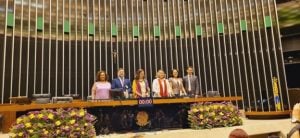
 On November 29, Dr. Jorge Moisés Kroll do Prado, President of the Brazilian Federation of Associations of Librarians, Information Scientists and Institutions (FEBAB), spoke in support of librarians and the 60th anniversary of the regulation of the library profession in Brazil at the Chamber of Deputies of the National Congress of Brazil in Brasilia, the country’s capital.