Category Archives: General

Documenting Excellence: How a Comprehensive Library Manual Transformed Quality Assurance at Bibliotheca Alexandrina

By: Hend El-Shennawy
Director Quality and Administrative Services Department
Library Sector/ Bibliotheca Alexandrina
The Library of Alexandria
Alexandria, Egypt

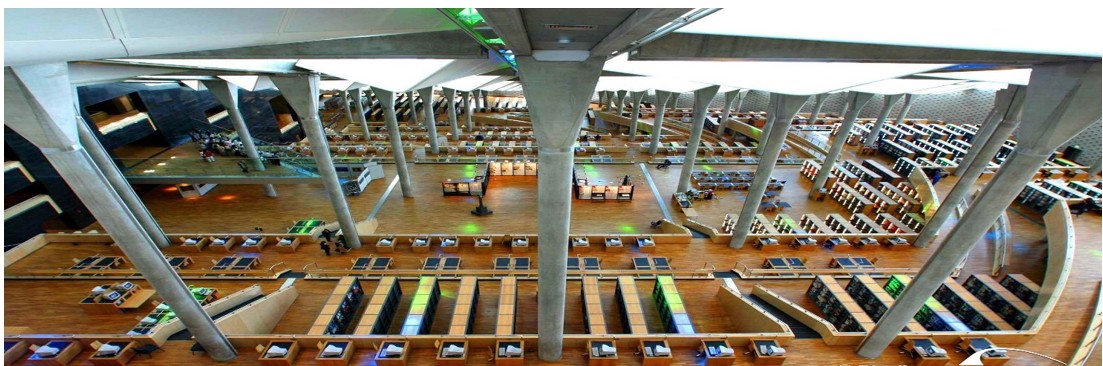
Bibliotheca Alexandrina with columns and high ceiling and rows of reader desks.

Partial view of the Bibliotheca Alexandrina main reading hall.

Developing a library manual that captures workflows, procedures, and performance metrics is more than just documentation; it’s a strategic approach to elevating service quality, ensuring consistency, and fostering a culture of continuous improvement. My experience at Bibliotheca Alexandrina after developing a library manual exemplifies how a well-crafted library manual can serve as the cornerstone of effective quality assurance.

The Challenge

Our library sector faced the common challenge of unifying operations across diverse departments, establishing clear standards, and implementing measurable performance indicators. Without a formal reference document, it was difficult to ensure consistent service delivery, understand operational bottlenecks, or identify opportunities for improvement.

The Solution: Creating a Comprehensive Library Manual

To address these issues, we embarked on developing a detailed manual that outlined all work processes, workflows, and specific tasks within the sector. Our focus was to create a practical, accessible resource that could serve both specialists and non-specialists alike; an authoritative guide that promotes standardization and accountability.

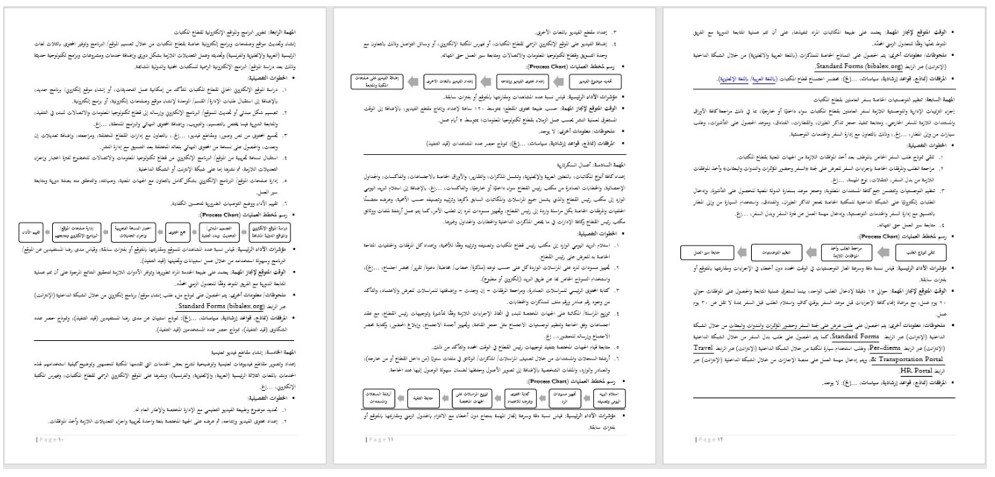
The manual includes:

  • Clear descriptions of core tasks
  • Step-by-step workflow diagrams
  • Key performance indicators (KPIs) for each process
  • Notes and supplementary information to provide context
  • Attachments like forms, policies, and guidelines
Sample pages from the library manual (Arabic)

Sample pages from the library manual (Arabic)

How It Helped Us

Standardization and Consistency:
The manual provided staff with explicit guidelines, reducing variability in how tasks are performed and ensuring uniformity across departments.

Performance Measurement:
By defining KPIs such as beneficiary satisfaction ratings and process timelines, we gained valuable insights into our operational strengths and weaknesses. These metrics enabled us to monitor progress and focus on areas needing improvement.

Continuous Improvement:
With clear KPIs and the ability to track performance, we established preventive actions for risks and corrective measures for weaknesses. This data-driven approach fostered a culture of ongoing refinement and accountability.

Participatory Process:
Developing the manual involved staff collaboration, which increased buy-in and ensured that workflows reflect real-world practices. It also served as an excellent training resource for new team members.

Lessons Learned

Creating a library manual is a dynamic process that requires adaptability, stakeholder engagement, and ongoing updates. Resistance to change can arise, but where communication and training are prioritized, the benefits significantly outweigh the initial effort.

Takeaways for Other Institutions

If you’re considering implementing a similar approach, keep these tips in mind:

  • Clearly define core tasks and procedures within your library.
  • Incorporate KPIs that align with your strategic goals.
  • Use visual tools like process charts to map workflows.
  • Regularly review and update the manual to reflect new practices and insights.
  • Engage staff at every stage to foster ownership and continuous learning.

Final Thoughts

Documentation, when approached thoughtfully, has the power to transform library services. At Bibliotheca Alexandrina, our library manual is more than a static document; it’s a living tool that enhances our standards, improves our processes, and supports our mission of excellence in library service delivery.

I hope sharing our journey inspires other library professionals to leverage documentation as a strategic asset for quality assurance and growth.

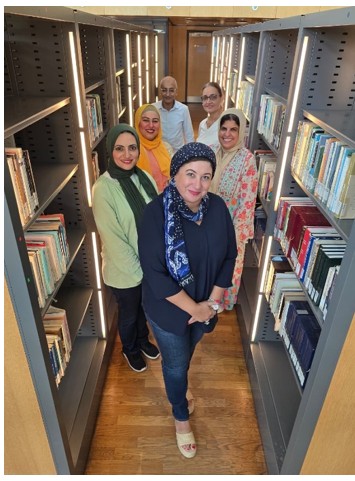
The Quality Team at Bibliotheca Alexandrina 6 staff members pictured in the book stacks.

The Quality Team at Bibliotheca Alexandrina.


Reflecting on a Fruitful WLIC 2025: Celebrating CPDWL’s Vibrant Contributions By Helen Chan, CPDWL Section Chair

As the 2025 IFLA World Library and Information Congress (WLIC) in Astana draws to a close, I am filled with gratitude and pride for the outstanding work and innovative spirit that the Continuing Professional Development and Workplace Learning (CPDWL) Section has demonstrated throughout the event. This year’s journey has been truly inspiring—marked by collaboration, creativity, and a shared commitment to advancing professional development for information professionals around the world. Here are some highlights from our more than 10 CPDWL activities at WLIC 2025:

CPDWL Business Meeting: Charting Our Future

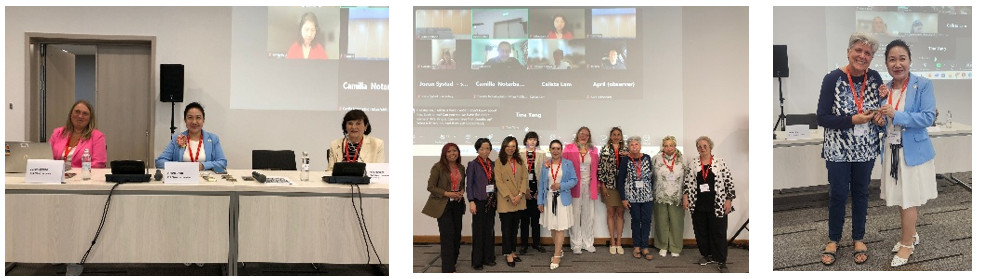
Our annual CPDWL Congress Meeting on August 17 took place in a special hybrid format at the Zheitsu Congress Center, bringing together colleagues—both new and familiar, online and in-person—to reflect on achievements, share ideas, and plan for the future. We appreciate the observers who joined and contributed to the lively discussions. In addition to engaging with the agenda items, each Standing Committee member attending the congress received a special souvenir as a token of appreciation for their valuable contributions, especially during the congress itself. The energy and enthusiasm in the room set a positive tone for a week of dynamic participation and collaboration.

WLIC2025 CPDWL Business Meeting 1

WLIC2025 CPDWL Business Meeting 1

CPDWL Section Dinner: Building Connections

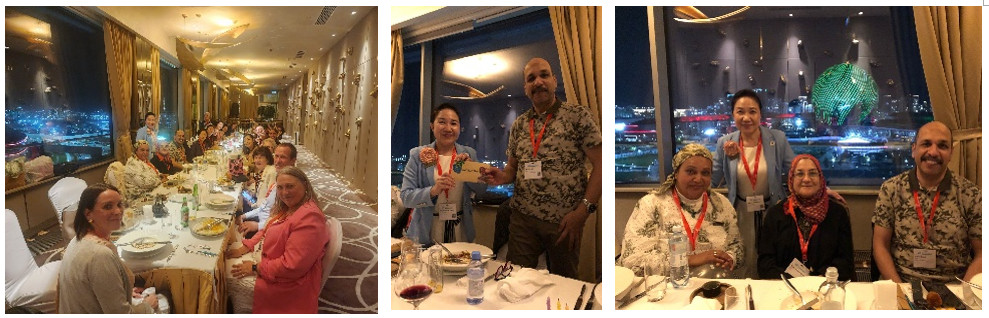
Later that evening, on August 17, 2024, 25 Astana and IFLA colleagues from various countries—including China, Kazakhstan, Egypt, the UK, Netherlands, Italy, Norway, the US, and France—gathered for a memorable Section Dinner at Cloud 9 (Hilton). It was a joyous occasion to deepen friendships, share stories, and celebrate our diverse backgrounds. Heartfelt thanks to everyone for bringing a small souvenir from your workplace or country, and for joining voices in our rendition of “Dreamers”—a beautiful symbol of our collective aspirations. The positive energy and camaraderie from this evening fuelled us for the sessions ahead, inspiring even greater participation and collaboration.

CPDWL dinner at the Hilton Cloud WLIC 2025

CPDWL dinner at the Hilton Cloud WLIC 2025

Session 079: Jackpot or Jeopardy? Exploring AI and Subject Indexing

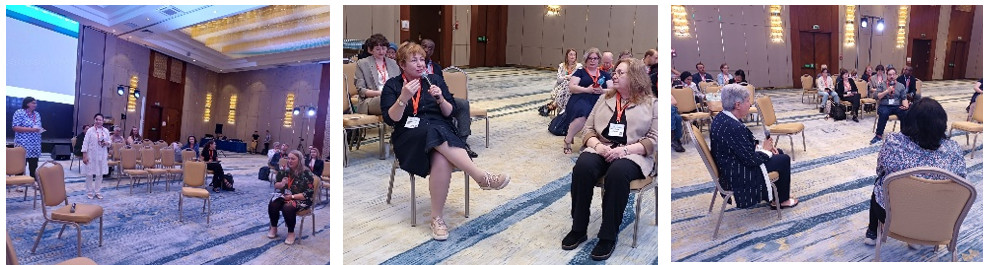
Our joint session with the Subject Analysis and Access (SAA) Section, “Jackpot or Jeopardy? Exploring AI and Subject Indexing”, sparked a lively and thought-provoking debate on the opportunities and risks that AI brings to libraries. Moderated by myself and Julijana Nadj-Guttandin, and enriched by interactive Mentimeter inputs from Luisa Marquardt and Camilla Notarbartolo, participants engaged deeply with critical questions around ethics, data ownership, trust, and the implications for smaller languages. The session underscored the importance of thoughtful, community-driven innovation as we collectively navigate AI’s evolving impact on our profession. Notably, together we launched the very first fishbowl session at WLIC, fostering authentic dialogue and exchange among participants.

Participants at AI fishbowl discussion.

Participants at AI fishbowl discussion.

CPDWL Open Session: Reimagine Continuing Professional Development for SustAInable Futures

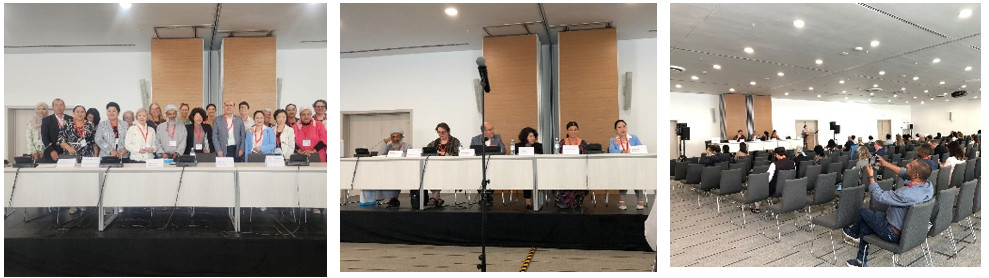
The CPDWL Open Session, “Reimagine Continuing Professional Development for Sustainable Futures”, was a true highlight of the conference, bringing together panelists Ertugrul Çimen, Helen Chan (myself), Adriana Cybele Ferrari, Saif AlJabri, Soh Lin Li, Evviva Weinraub Lajoie and Diane Koen, whose expertise and engaging presentations inspired enthusiastic participation. With the support of our valued session partners from the IFLA regional division committees, the interactive use of Mentimeter energized the room—approximately 70 participants provided real-time “Likes” and shared their perspectives, while the evaluation survey reflected overwhelmingly positive feedback. Attendees praised the session’s inclusivity, innovation, and relevance, noting the value of diverse insights and lively discussion. We also invite you to explore the impactful papers presented, including Jessica BrodeFrank’s work on digital literacy and crowdsourcing, Babak Zendehdel Nobari’s research on managing AI risks in libraries, and Cristian Maturana Maturana and Santiago Villegas-Ceballos’s paper on empowering global south librarians through critical AI literacy. Together, these contributions made the session a resounding success and a memorable experience for all involved.

Panel and audience photos of AI Open Session at WLIC 2025.

Panel and audience at AI Open Session during WLIC 2025.

CPDWL & M&M Coaching: Fostering Growth Through One-on-One Support

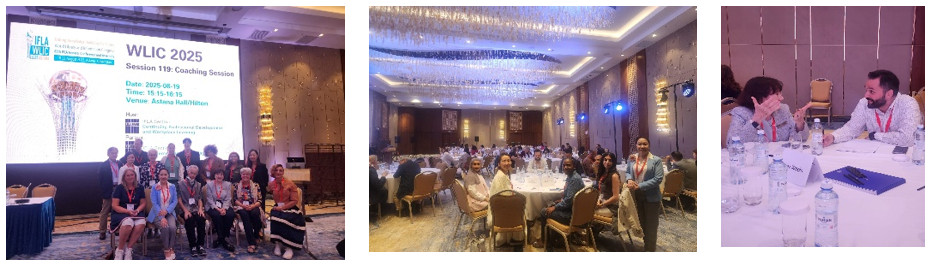
Our six coaching sessions (Sessions 119, 184, 190, 191, 192, and 193) created invaluable spaces for personalized professional support, with roundtable and U-shaped discussions where our dedicated coaches offered tailored advice and encouragement to attendees from 25 countries, including Turkey, the United States (USA), Kazakhstan, Norway, the United Kingdom, Australia, New Zealand, Macao SAR (China), Kyrgyzstan, Qatar, China, India, Jordan, the United Arab Emirates (UAE), Morocco, Israel, Namibia, Kenya, South Africa, the Czech Republic, Ghana, Egypt, Malaysia, Romania, and Saudi Arabia. Participants from all career stages benefited from this supportive and diverse environment. Special thanks to Jorun Systad, Camilla Notarbartolo, Julia M. Gelfand, Florian Forestier, Carmen Lei, Tao Yang, Heba Ismail, Luisa Marquardt, Anna Cascone, April Manabat, Anya Feltreuter, Josephine Siegrist, Chiara De Vecchis, Hans-Petter Storemyr, and Elena Stöhr for their selfless dedication—your expertise and generosity made a profound difference.

Coaches and Coachees connect during WLIC coaching sessions

Coaches and coachees connect during WLIC 2025 coaching sessions

Knowledge Café: Uniting Colleagues for Our Future

Session 142, our Knowledge Café co-hosted with the Knowledge Management, Education and Training, and Library Theory and Research Sections, truly epitomized CPDWL’s collaborative spirit. Through dynamic discussions on topics such as AI in the workplace and leadership, colleagues exchanged valuable insights and forged meaningful connections. Special thanks to all facilitators—including CPDWL Information Coordinator Joan Weeks and Standing Committee member Julia M. Gelfand—as well as the rapporteurs for your vital contributions. Thank you also to all participants for your enthusiastic engagement and for the warm round of applause following my wrap-up and summary of key points at the session’s conclusion. I was especially honored by the kind words from Maggie Farrell, Chair of the Knowledge Management Section, who remarked that my wrap-up was the best among all at our joint sections’ Knowledge Café at WLIC. Such recognition is a testament to the collaborative energy and commitment of everyone involved.

Knowledge Cafe participants join in discussions at WLIC 2025

Knowledge Cafe organizers and participants join in discussions at WLIC 2025.

Heartfelt Thanks
None of this would have been possible without the teamwork, creativity, and commitment of so many colleagues—both on stage and behind the scenes. From managing logistics and facilitating discussions to supporting coaching and capturing memories, every contribution was valued and essential.
As CPDWL Section Chair, I am deeply grateful for your hard work and passion. Together, we have advanced our mission of fostering lifelong learning, supporting professional development, and building a more inclusive and innovative library community.
Let us carry forward the momentum from WLIC 2025 into the year ahead by relive some of the most exciting moments and stay connected by visiting our CPDWL Facebook page, where you’ll find highlights from:
Brief Summary: CPDWL @ WLIC 2025
Section Dinner
CPDWL Business Meeting
Knowledge Café
Fishbowl Session
• CPDWL Open Session

Your engagement keeps our community strong and vibrant—let’s continue learning, sharing, and growing together!

With gratitude,
Helen Chan
IFLA CPDWL Section Chair

Dr. Jessica BrodeFrank to present “Digital Literacy & Crowdsourcing: Tackling Bias” | Blog by Helen Chan, CPDWL Section Chair

IFLA CPDWL | WLIC 2025, Astana

Dr. Jessica BrodeFrank, Clinical Assistant Professor and Digital Librarian at the University of Illinois Chicago, has prepared an insightful presentation titled “Digital Literacy & Crowdsourcing: Tackling Descriptive and Algorithmic Bias through Doing” for the upcoming IFLA CPDWL Open Session: “Navigating Opportunities and Challenges of Digital Transformation”, which will take place this August during WLIC 2025 in Astana. Her presentation focuses on addressing the intersections of digital literacy, crowdsourcing, and ethical artificial intelligence (AI), offering actionable strategies to mitigate bias and promote inclusivity in digital spaces.

Libraries and museums, as trusted sources of knowledge and community engagement, are uniquely positioned to advance digital literacy. Dr. BrodeFrank highlights their key role in educating the public about the opportunities, challenges, and ethical implications of digital technologies. By fostering lifelong learning, these institutions can empower individuals to navigate the digital world responsibly and effectively.

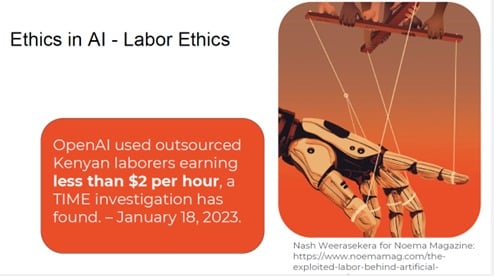
Ethics in AI-Labor Ethics image of wooden hand with puppet strings including text about AI paying Kenyan laborers less than $2 an hour.


Figure 1. Presentation slide from Dr. Jessica BrodeFrank on AI labor ethics, focusing on outsourced labor and wage disparities in the AI industry.

One of the core aspects of her presentation is the importance of metadata. Dr. BrodeFrank emphasizes that metadata, described by Tammy Lee as “the connective tissue of the internet”, is essential for shaping discoverability and amplifying diversity. Without accurate and inclusive metadata, underrepresented voices remain invisible in digital environments, making metadata creation a critical tool for equity and inclusion.

Dr. BrodeFrank also highlights the potential of crowdsourcing as a participatory method to engage the public. By involving communities in metadata creation and cataloging, projects like Zooniverse and the Smithsonian Transcription Center show how libraries and museums can transform passive users into active contributors. Crowdsourcing enhances the discoverability of collections while fostering a sense of ownership and connection among participants.

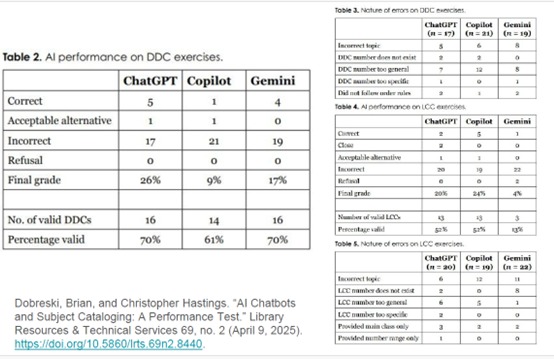
AI Performance onDDC Exercises for ChatGPT, CoPilot, and Gemini categories: correct, acceptable alternative, incorrect, refusal, final grade, no. of valid DDCs, Percentage Valid.

Figure 2. Presentation slide from Dr. Jessica BrodeFrank comparing the performance of AI chatbots (ChatGPT, Copilot, and Gemini) in DDC and LCC exercises.

Her presentation further addresses the ethical challenges of AI, including algorithmic bias, labor exploitation, and environmental concerns. Dr. BrodeFrank explains how AI models trained on biased data can perpetuate systemic discrimination. She also highlights the environmental cost of these systems, noting that a single ChatGPT query generates 4.32 grams of CO2 emissions, underscoring the need for a sustainable approach to AI use.

To tackle these challenges, Dr. BrodeFrank proposes actionable strategies, such as using crowdsourced metadata to surface underrepresented voices, ensuring transparency in cataloging practices, and raising awareness of the ethical and environmental implications of AI. These strategies reinforce the role of libraries and museums as leaders in fostering inclusive and equitable digital spaces.

For those interested in exploring her work further, Dr. BrodeFrank’s materials are available:

Paper: Download “Digital Literacy & Crowdsourcing: Tackling Descriptive and Algorithmic Bias through Doing”

Presentation Slides: Download PPT File

Recording: Watch the Presentation

Dr. BrodeFrank’s contribution to the IFLA CPDWL Open Session, “Navigating Opportunities and Challenges of Digital Transformation” offers valuable insights for library and information professionals. By addressing digital literacy, combating algorithmic bias, and utilizing innovative tools like crowdsourcing, her work inspires cultural institutions to take meaningful steps toward creating a more inclusive and equitable digital future.

Libraries for a Greener Future: CPDWL Webinar Recap by Helen Chan, IFLA CPDWL Section Chair

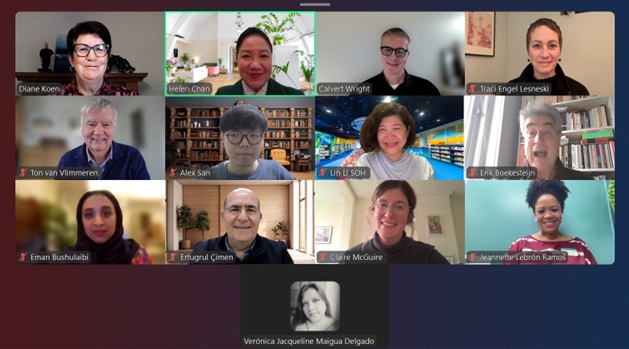
Screen shot of Green Libraries webinar panelOn January 17, 2025, the IFLA CPDWL Webinar, “Libraries for a Greener Future: Innovative Responses to Climate Change”, offered an engaging and thought-provoking discussion on how libraries are addressing climate change through creative programs and services. This webinar underscored the role of libraries as leaders in environmental education and sustainability initiatives. The event featured insightful presentations by esteemed speakers, followed by a dynamic panel discussion with experts and chairs from the six IFLA Regional Division Committees.

This session was a collaborative effort between CPDWL and the following IFLA Regional Division Committees: Asia-Oceania, Europe, Latin America and the Caribbean, Middle East and North Africa, North America, and Sub-Saharan Africa.

Esteemed Speakers and Panelists

The webinar began with presentations by two esteemed speakers: Claire McGuire, Manager of Policy and Advocacy at IFLA, and Traci Engel Lesneski, President and CEO of MSR Design. Their contributions set the stage for an engaging panel discussion featuring experts such as Ton van Vlimmeren (former Director of Utrecht Public Library), Erik Boekesteijn (Senior Advisor at the National Library of the Netherlands), and Calvert Wright (architect, educator, and director of Calvert Wright Architecture PC).

The session also welcomed the participation of chairs from the IFLA Regional Division Committees, including Lin Li Soh (Asia-Oceania), Ertugrul Çimen (Europe), Jeannette Lebrón Ramos (Latin America and Caribbean), Saif AlJabri (Middle East and North Africa), Diane Koen (North America), and Ayanda Lebele (Sub-Saharan Africa).

Webinar Highlights

The webinar offered valuable insights into libraries’ roles in environmental stewardship and climate action. Panelists shared examples of innovative projects, sustainability-focused programs, and strategic partnerships that libraries have developed worldwide. Below are answers to two key questions posed during the open discussion session by Diane Koen, Chair of the North America Regional Division Committee, and the Q&A session by Eman Bushulaibi, Vice-Chair of the Middle East and North Africa Regional Division Committee, with contributions from Traci Engel Lesneski and Ton van Vlimmeren.

Q1: Renovation vs. New Construction
Question (by Diane Koen): “All around the world, could each of you pick a favorite renovation project? The project could be historically significant, a non-library, or just a standard library. What arguments did you use to advocate for renovation versus new construction?”

Answer (by Traci Engel Lesneski): “One project that comes to mind is LocHal in Tilberg, Netherlands (design collaboration between CIVIC Architects and Mecanoo). An adaptive reuse of a locomotive shed, it creates a wonderfully flexible platform that is inspiring to experience and expertly supports the library’s innovative programming and services. One reason I love LocHal is that it illustrates a rarely discussed yet critical aspect of sustainability: inspiring love of place. We take care of what we love; emotional connections to a place make it memorable. Connecting people to what makes their region special and evoking an emotional response to it—in particular the ecology or history of a place—helps foster a sensibility that there is value in preserving and caring for it.”

Q2: Libraries and Climate Action
Question (by Eman): “What are some steps an individual library or library system can take to get more involved in climate action?”

Answer (by Traci Engel Lesneski):
“The Sustainable Development Goals (SDGs) present a terrific framework for libraries to consider how library service offerings and building spaces can foster sustainable and just communities. The SDGs promote “systems thinking” and put education squarely at the heart of progress. An example of SDGs at work is the Fayetteville Public Library (Arkansas). The programs, tools, and spaces designed for their recent expansion are helping tackle SDGs like Zero Hunger, Good Health and Well-Being, Quality Education, Decent Work, and Economic Growth. In the early stages of design, the library considered what the region needs for a sustainable future and chose to prioritize workforce development. For example, programming in Fayetteville Public Library’s new teaching kitchen (https://www.faylib.org/our-space-12812#kitchen) promotes  nutritional awareness and sustainable produce growth, and the library partners with the local food industry to develop the workforce for that industry. Their Simulation Lab (https://www.faylib.org/cfi—simulation-lab ) in the new Center for Innovation (https://www.faylib.org/innovation) features several large equipment simulators (e.g., backhoe, loader, forklift, and excavator) individuals can use to learn valuable skills and trades in the process of becoming certified in operating the equipment.”

Q3: Sustainability Champions
Question (by Diane): “What should librarians be doing, as part of and post-project, to maintain sustainability champions on board? Could you share your experiences with staff involvement in sustainability?”

Answer (by Ton van Vlimmeren):

“If you are in the building process, you hire all kinds of expertise. E.g., screening on crowd control and safety. Invest in having it screened on all aspects of sustainability in the building process, running it and later in circular use.

It will give you new insights.

Showing leadership from the top, encouraging willing staff members to engage in sustainability activities and programs in the library, facilitating them (even little bits are important), rewarding them and paying attention to it in policy documents, reports and communications is extremely helpful to give initiatives a longer life.

Also: help to get ‘ghost riders” out of the way. For example, senior staff opposing growing edible mushrooms for vegetarian meals on coffee grounds in the library because it is ‘too messy and dirty.’

In every community there are enthusiastic groups of citizens who love to cooperate and help to organize programs in the library. That also helps to continue the work.”

Q4: Libraries and Social Impact
Question (by Diane): “What role should librarians play in promoting education, awareness, and social impact? What organizations could libraries partner with to amplify these efforts?”

Answer (by Ton van Vlimmeren):
“The library is a trusted institution. We should avoid harming that by becoming too activistic (although there is the risk of having this attributed to us anyhow).

Guided dialogues and discussions are ways to promote sustainability and create awareness as they include arguments and counter arguments. Presentations, documentaries, and exhibitions that invite reflection can fuel these.

There are many local, regional, and national groups that are eager to support the library in programs on fossil energy, fast fashion, greening your neighborhood, food production/consumption, climate change, etcetera.

It is better to start with existing initiatives in your community. Working with kids and schools is sometimes easier to start.

Often Ngo’s and foundations support these initiatives in kind and financially.

Be sure when you engage on this route to organize the support of your board and if possible your politicians. Do not surprise them. The discussion should be on sustainability; not on you! ”

This webinar underscored the critical role libraries play in promoting sustainability and climate action. Through innovative programming, thoughtful design, and strategic partnerships, libraries worldwide are leading the charge for a greener future.

To learn more, access the recording and presentation files on the IFLA CPDWL event webpage. For further questions, feel free to contact the IFLA CPDWL Section Chair, Helen Chan, at [email protected].

We thank all the collaborators, speakers, and participants for making this event a success! Stay tuned for more CPDWL webinars.


Reflecting on Lifelong Learning: Insights from the Celebratory Conference at HKU by IFLA CPDWL Chair, Helen Chan

As the Chair of the IFLA Continuing Professional Development and Workplace Learning Section (CPDWL), I recently had the honor of attending a landmark event commemorating the 35th anniversary of the Comparative Education Society of Hong Kong at the University of Hong Kong (HKU), alongside the 40th anniversary of the HKU Faculty of Education, and the 30th anniversary of the Comparative Education Research Centre. This convergence of milestones provided a rich backdrop for profound discussions on the evolving needs of lifelong learning in our rapidly changing world, particularly highlighted during the keynote address on November 24, 2024.

Prof. Wing On LEE, former Executive Director at the Institute for Adult Learning, Singapore, provided the keynote speech on November 24th, titled “Comparative Lifelong Learning: Emerging Programs and Pedagogies for Developing New Knowledge and Practice for the Changing Economy”. He offered critical insights into how lifelong learning must adapt to meet the demands of what is variously described as Industry 4.0, the knowledge economy, and the future economy. The future economy includes the gig economy and platform economy, characterized by short-term contracts and the prevalence of freelance work over permanent jobs.

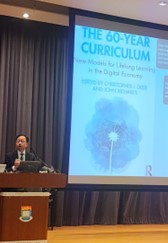
Prof. LEE’s insights are particularly relevant to the field of library and information science, a domain where continuing professional development and workplace learning are already integral. Lifelong learning is not a new concept for library practitioners; however, the idea of the 60-Year Curriculum (60YC) introduces a new paradigm that encourages educational models to serve an agile labor market more effectively.

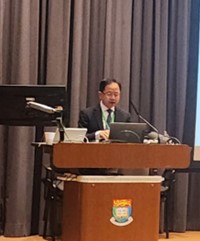
Prof. LEE delivers keynote address.

60 year curriculum slide displayed with Prof. LEE at the podium.

Prof. LEE discusses 60 -year curriculum.

Lifelong Learning and Library Science

The 60YC proposes a lifelong educational pathway that encourages a new paradigm of thinking about learning and the education process and seeking to be relevant for people across a broad range of life and career transitions. It offers ongoing learning opportunities crucial for adapting to technological advancements and economic shifts. For library professionals, this could mean continuous training in digital literacy, data management, and other emerging areas crucial for staying relevant in the profession.

Workplace Learning and Library Professionals

The closest concept to the 60YC in our field is workplace learning, which, as articulated by Prof. Justina TAN and Prof. Wing On LEE in their 2024 book, Making Employee-Driven Innovation Achievable: Approaches and Practices for Workplace Learning, emphasizes the importance of learning that continues throughout one’s career. This approach is vital in library settings where the ability to innovate and continuously improve service delivery can significantly enhance user experience and operational efficiency.

Addressing Challenges and Inequalities

Furthermore, the Third International Handbook of Lifelong Learning (Evans et al., 2023) highlights several challenges, such as the low skills equilibrium and the social exclusion of vulnerable young adults. Library professionals can play a critical role in addressing these issues by providing accessible learning resources and programs that help bridge the skills gap and foster a more inclusive society.

Library and information science professionals, by leveraging their expertise in knowledge organization and dissemination, can also help mitigate the under-utilization of talents among migrants, as discussed by Marie Macauley, Ruud Duvekot, and Yann Jakub Bertier in the handbook. Making certain that prior qualifications and skills are recognized and valued is crucial for integrating migrants into their new communities.

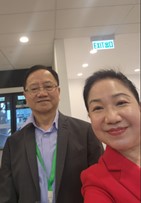
Prof. LEE and Helen Chan


Reflection

The discussions and learnings from the conference serve as a potent reminder of the critical role that lifelong learning plays in the library and information science field. As we move forward, it is clear that embracing models like the 60YC will be essential for developing resilience and adaptability among professionals. This approach not only supports personal and professional growth but also ensures that libraries continue to serve as essential pillars of lifelong learning in their communities. I am deeply grateful for the opportunity to have participated in such an enriching event and look forward to implementing these insights to further enhance the continuing professional development and workplace learning within our field.

References:

Evans K., Lee W. O., Markowitsch J., and Zukas M. (Eds.) (2023). Third International Handbook of Lifelong Learning. https://link.springer.com/referencework/10.1007/978-3-031-19592-1

Tan, J. and Lee, W. O. (2024). Making Employee-Driven Innovation Achievable: Approaches and Practices for Workplace Learning. London: Routledge.

IFLA Guidelines for CPD: the imperative for high-quality online learning!

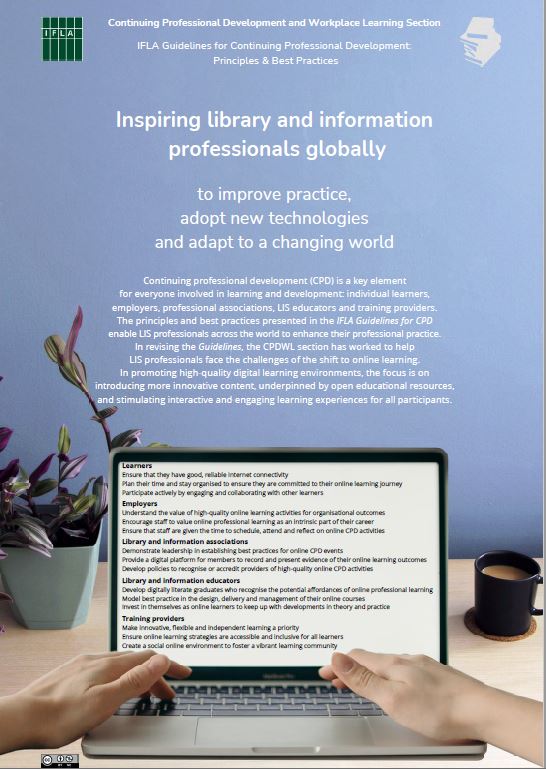
At the WLIC 2022 held in Dublin, CPDWL launched a new poster about the IFLA Guidelines for Continuing Professional Development: Principles and Best PracticesWhen the Guidelines for CPD were released in 2016, the authors, Jana Varlejs, Vivian Lewis, Susan Schnuer and Juanita Jara de Sumar, highlighted the importance of considering additional quality concerns relating to professional learning and development activities delivered in the online environment. These concerns became a stark reality when the COVID pandemic arrived in 2020. Across the globe, face-to-face CPD events could not longer be held, so they were either cancelled or they moved online.

The CPDWL Standing Committee was already planning to review and adapt the Guidelines for CPD for digital learning contexts. A small working group was given the challenge of undertaking the requisite research to identify and collate relevant resources that discussed the principles and best practices of virtual learning in the context of CPD, focusing on quality assurance standards and the cultural and linguistic differences in different regions of the world. To date, over 100 resources have been reviewed.

As part of the online WLIC in August 2021, CPDWL hosted a panel discussion entitled NOW – NEW – NEXT: Seizing the opportunities to redefine and reimagine professional development through online learning. There were five speakers who represented the different stakeholder groups outlined in the Guidelines document: Dr Matilde Fontanin for the Learners, Dr Alan Brine for the Employers, Associate Professor Naoki Matsumoto for Professional Associations, Professor Sandy Hirsh for LIS Educators, and Tony Zanders for LIS Training Providers. The panel members were invited to share their views about the value of the Guidelines for CPD in today’s world, and their perspectives about good practice for CPD in an online world. The main outcome from the panel discussion was that the Standing Committee’s ideas about updating the Guidelines was affirmed – but it was indeed “a really big job”.

Although the working group is still drafting the supplementary materials for the revisions to the Guidelines, the WLIC in Dublin provided the opportunity to develop a poster to present the key ideas. The notion of a poster was already very popular: the original Guidelines poster has already been translated into 36 languages.  Ivana Todorovic, one of the Standing Committee members who lives and works in Serbia, offered to be the creative mind to develop the poster, supported by Alan Brine and Gill Hallam It was an iterative process, but the final poster that was presented in Dublin by Alan Brine and other members of the Standing Committee, is eye catching, with an interesting, contemporary design and a clearly structured message.


The poster seeks to inspire library and information professionals globally to improve practice, adopt new technologies and adapt to a changing world. It is argued that CPD is a key element for the five stakeholder groups involved in learning and development. While the principles and best practices examined in the Guidelines remain valid, it is critical that LIS professionals promote high-quality digital learning environments by focusing on the introduction of more innovative content which is underpinned by open educational resources, and stimulating interactive and engaging learning experiences for all participants.

The principles for high quality online learning indicate that:

Learners should:

  • Ensure that they have good, reliable Internet connectivity
  • Plan their time and stay organised to ensure that they are committed to their online learning journey
  • Participate actively by engaging and collaborating with other learners.

Employers should:

  • Understand the value of high-quality learning activities for organisational outcomes
  • Encourage staff to value online professional learning as an intrinsic part of their career
  • Ensure that staff are given the time to schedule, attend and reflect on online CPD activities.

Library and information associations should:

  • Demonstrate leadership in establishing best practices for online CPD events
  • Provide a digital platform for members to record and present evidence of their online learning outcomes
  • Develop policies to recognise or accredit providers of high-quality online CPD activities.

Library and information educators should:

  • Develop digitally literate graduates who recognise the potential affordances of online professional learning
  • Model best practice in the design, delivery and management of their online courses
  • Invest themselves as online learners to keep up with developments in theory and practice.

Training providers should:

  • Make innovative, flexible and independent learning a priority
  • Ensure online learning strategies are accessible and inclusive for all learners
  • Create a social online environment to foster a vibrant learning community.

The new poster is being added to CPDWL’s publications in the IFLA repository and a template will be available so that it can be translated into many other languages. Can we beat the 36 languages achieved with the first poster?

If you would like to translate the poster to ensure that CPD in the digital learning environment is acknowledged as a critical enabler for a strong, agile and resilient LIS profession, please contact Helen Chan ([email protected]).

We are looking forward to hearing from you!


Developing the “Opportunity Incubator” to Support Professional Development: An Interview with Brian Mathews and Talia Perry

Talia Perry

Brian Mathews

The IFLA Continuing Professional Development and Workplace Learning (CPDWL) Section embraces all aspects of professional development and learning in the workplace in the period post-qualification to the end of a career. One of the exciting aspects of this section is that we explore how colleagues are promoting professional development learning in their communities, institutions, or associations.

In this interview, we feature two library professionals: Brian Mathews and Talia Perry from Carnegie Mellon University Libraries (USA) to talk about their latest project tracking professional development opportunities called, “Opportunity Incubator.” This platform enables colleagues in CMU Libraries to explore and identify upcoming conferences, funding sources or publications to publish in. They both share their thoughts about this project and professional development trends.

Thank you both so much for speaking with us. Can you tell us a bit about yourselves and your roles at Carnegie Mellon University Libraries?

Brian Mathews: I’m the Associate Dean for Research & Innovation at the Carnegie Mellon University Libraries. I’m very interested in creativity and innovation ecosystems and how libraries can systematically yet organically develop new services and engagement. Brian is currently working on a book about how libraries and other organizations can help address complex global challenges. More here:  www.brianmathews.io

Talia Perry: I’m the Digital Projects & Digital Publishing specialist at the Carnegie Mellon University Libraries. With a background in the arts and humanities, I’ve written about the ways in which technological and material change has historically reshaped social experience—this research in turn feeds a reflexive practice that seeks to leverage design thinking and contemporary communication technology to build and support communities today.

We wanted to talk to you about this project called, “Opportunity Incubator” that you and your colleague, Talia Perry, worked on. This project will “identify journals where [colleagues] could publish, conferences where they could present, and funding sources for their projects, research, and professional interests..,” In Brian’s blog post, Brian described this project very well and we wanted to ask how it was to get buy-in from colleagues to build this project out for and with your CMU colleagues? What’s been the reaction from your colleagues in using this tool or learning about it?

This project emerged organically from the ground up. In conversations with librarians and staff, we heard frequent frustrations about finding and following venues in which to publish or present. Many of our colleagues come from diverse academic backgrounds, and so we wanted to provide a common framework that gathered together these points of engagement. Additionally, we have seen an increasing interest in sponsored projects. While there are a great many foundations and funding agencies, we wanted to be targeted and systematic in our selection. As we thought about this common interest across publishing, presenting, and funding, we started to conceive of them as opportunities—and with that, we imagined an incubator that could collect, curate, and connect people with these possibilities.

We developed a prototype in the Spring 2024 semester, and are working over the summer with some early adopters to test and develop it further. We will incorporate what we learn into an official release for our library in late summer or early fall. People are interested in exploring the tool, but so far it’s largely been an experimental side project for us. We’re eager to release it!

Brian also mentioned in the blog that there will be a chatbot component too, and will include GPT-4 for the prototype and Gemini later. What has been useful in using AI tools to support professional development learning?

We started by creating a large dataset, which we’ll continue to build upon. With the dataset in place, we can parse it out in different ways: It can be displayed on a calendar, in interactive lists, or in other ways on a website. We also wanted to experiment with generative AI.

We developed a personal GPT as a test. We loaded it with all the information we have pertaining to the conferences, journals, and funding agencies most relevant to our organization—over 300 records. The useful part of the chat assistant is being able to have a conversation across all the opportunity types. For example, let’s say you’re interested in doing work related to climate change, data literacy, and open science. You could identify places to present and publish, as well as how you might frame your narrative or consider your audience. That topic might work well as a case study in one place, an editorial in another, and as a learning module elsewhere. Additionally, you could find potential foundations or agencies that might fund work on that topic. The chat option helps facilitate a cohesive conversation across our spectrum of opportunities.

Is there anything that surprised you in working on this project or the process itself? If someone wanted to create something similar, what should they think about?

Tracking down future conferences is tough; there are a handful of conferences on our list less than a year away, and the final dates have not yet been published. Grants and foundation timelines are likewise often elusive, emerging and closing within short windows. That’s something we need to figure out going forward: how to keep things constantly refreshed and how we might be able to automate or at least predict patterns or cycles for these opportunities.

We talked about building the Opportunity Incubator in Jekyll or using a system like Notion, but ultimately decided to use the Google suite. This will reduce the entry barrier and upkeep since our organization already extensively uses Google Drive and Google Calendar. Central to the project is this giant spreadsheet (Google Sheet) that needs to be regularly updated, but in terms of ease of use and ease of export, this worked well enough for us. Building the core technical infrastructure took about a week, with little refinements as we experimented, but the more difficult and time-consuming part was identifying the core publications, conferences, and funding agencies, and all the related metadata.

With a project like this, it’s also easy to underestimate the number of decisions you’re making until you start making them, and how important those decisions end up being down the road—the questions that you ask always inform the data you’re gathering. While some of the information we were collecting was a given (e.g. identifying closing dates for calls for proposals) there were also inherent value judgments in the act of including or excluding certain data: As an institution that supports and promotes open access, for example, we wanted to note the open status of each journal in our list; on the other hand, we were less inclined to summarize citation metrics since the range of audience, format, and subject matter for our list of publications varied widely. Distilling the content of the opportunities into a discrete set of thematic tags was another level of decision-making; identifying the different fields and interests, even in very broad terms, while necessary for the ability to group and sort as the list grew, was a multilayered curatorial act (which only underscored the expertise of our colleagues working in cataloging and archival metadata!).

Professional development is very important in the LIS field as you know. What are your thoughts on the future of professional development in LIS? What are some professional development trends in LIS that you are seeing? It cannot just be artificial intelligence, right?

Brian: My general advice is don’t be too myopic. Go to lectures, workshops, and events outside of LIS. I have gained insight and inspiration listening to engineers talk about glacial melting, activists talking about community archives, artists talking about perceptions of time, and physicists talking about the beauty of art. I urge everyone to be curious and develop that as a skill—this leads to asking new questions and exploring new problems across our organizations and communities. By expanding our perspectives and skills, we can approach our work in more creative, inclusive, meaningful, and original ways.

With AI and automation, there will be an increasing demand for soft skills such as critical thinking, creativity, communication, community engagement, service development, and leadership. This is where I encourage people to invest their professional development. Data science and statistics and visualization techniques are extremely valuable, but being able to imagine, build, explain, re-interpret, and collaborate effectively is a timeless foundation.

One last thing, for me personally, I have gained the most from cohort-based programs. Virtual and in-person. There is something powerful and effective when a group of people gather for a limited time to learn and grow together.

Anything else you like to mention that we did not get to discuss?

We have big dreams for the Opportunity Incubator. The 1.0 version is focused on finding potential places to present and publish, as well as agencies who might support our work. We also want to integrate workflows, policies, processes, forms, and advice. So instead of just finding a grant, we can layer that with information, tools, and support to help move things forward at our institution.

We imagine it could also function as a community finding tool—who’s working on what or what opportunities exist for collaboration. By identifying participants and attendees from CMU, too, we might inspire a more strategic approach to conference attendance, as well as encourage more reflective post-conference conversation. Essentially, it’s about pooling resources and creating a framework to invite people to work together in different ways. In this sense, not only are we connecting people to a range of resources and opportunities, but we’re also aiming to connect them with each other.