Category Archives: Professional Development Opportunity

A Warm Welcome to Our New CPDWL Standing Committee Members! By Helen Chan, Chair, IFLA CPDWL

Dear colleagues and friends,

On behalf of the Continuing Professional Development & Workplace Learning (CPDWL) Section of IFLA, it is my great pleasure to welcome our newly elected Standing Committee members for the 2025-2029 term. The CPDWL community is enriched by the diversity, expertise, and commitment of its members, and I am delighted to introduce four outstanding professionals who join us from around the globe.

Meet Our New Members

Luisa Marquardt (Italy) Luisa Marquardt photo
A renowned scholar and advocate for libraries, Luisa Marquardtbrings decades of experience in librarian education, research, and leadership. With a distinguished career teaching Library and Information Science at Roma Tre University, Luisa has served IFLA in various capacities, including the School Libraries Section and Division E. She has also chaired the National Commission on School Libraries of the Italian Library Association and is a Lifetime Member of the International Association of School Librarianship. Luisa’s research focuses on the educational role of librarians and the impact of libraries on cognitive, metacognitive, and interpersonal development. Her passion and dedication make her
a valuable addition to CPDWL.

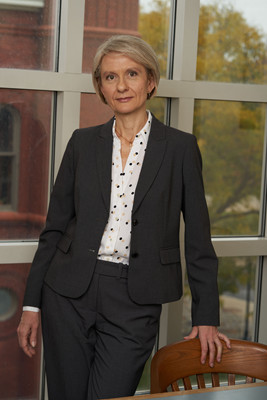
Tetiana Hranchak (Ukraine) Tetiana Hranchak photo
A dedicated scholar and educator, Tetiana Hranchak is a Visiting Research Scholar at the Moynihan Institute of Global Affairs, Syracuse University. She holds a PhD in History and is a Doctor of Sciences in Social Communications. Tetiana has extensive teaching and research experience, notably at the Vernadsky National Library of Ukraine and Kyiv National University of Culture and Arts. Her expertise includes library participation in national memory politics, and she has contributed significantly to methodological developments in this field. Tetiana’s international academic experience and innovative approach will greatly benefit our community.

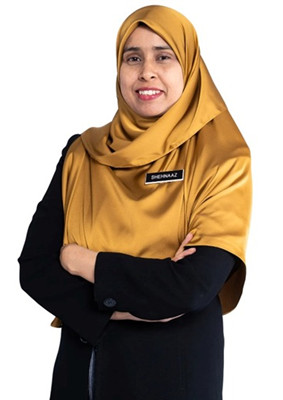
Beghum Ulfhat Shehnaaz binti Amir Razli (Malaysia)Beghum Ulfhat-Shehnaaz Binti Amir-Razli
Beghum Ulfhat Shehnaaz is a Senior Librarian at the National Library of Malaysia, with over 20 years of experience in librarianship and digital transformation. She holds a Master’s in Information Management and is pursuing a PhD focused on leadership and professional development. Shehnaaz is a leader in media and information literacy, reading promotion, library strategic planning, and the integration of AI in libraries. She has held key national and international roles, including serving as Main Secretariat for IFLA WLIC 2018 and as Chair of the Continuous Professional Development Committee of the Librarians Association of Malaysia. Her leadership and innovative vision are invaluable to CPDWL.

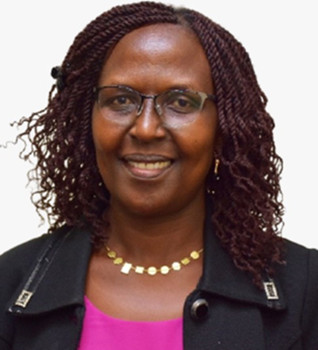
Philomena Kagwiria Mwirigi (Kenya) 
Philomena Mwirigi photo Philomena Mwirigi is an accomplished library and information management specialist with over 20 years of experience in academic, public, and national libraries. She holds a Master’s degree from Loughborough University, UK, and is currently pursuing a D.Phil. at Moi University, Kenya. Philomena has played significant roles in policy development, library consultancy, and management within the Kenya National Library Service. Her current research interests include information access for the elderly in Nairobi’s informal settlements, library material security, and family literacy. Her commitment to preservation, conservation, and digital library promotion brings a vital perspective to our section.

Looking Ahead
As we welcome Luisa, Philomena, Tetiana, and Shehnaaz to the CPDWL Standing Committee, we are excited to collaborate on new ideas, projects, and initiatives that support the continuous professional development of library and information professionals worldwide. Their diverse backgrounds and expertise will undoubtedly strengthen our section and inspire our community.

Please join me in congratulating and welcoming our new members!

With warm regards,
Helen Chan
Chair, IFLA CPDWL Section

Dr. Jessica BrodeFrank to present “Digital Literacy & Crowdsourcing: Tackling Bias” | Blog by Helen Chan, CPDWL Section Chair

IFLA CPDWL | WLIC 2025, Astana

Dr. Jessica BrodeFrank, Clinical Assistant Professor and Digital Librarian at the University of Illinois Chicago, has prepared an insightful presentation titled “Digital Literacy & Crowdsourcing: Tackling Descriptive and Algorithmic Bias through Doing” for the upcoming IFLA CPDWL Open Session: “Navigating Opportunities and Challenges of Digital Transformation”, which will take place this August during WLIC 2025 in Astana. Her presentation focuses on addressing the intersections of digital literacy, crowdsourcing, and ethical artificial intelligence (AI), offering actionable strategies to mitigate bias and promote inclusivity in digital spaces.

Libraries and museums, as trusted sources of knowledge and community engagement, are uniquely positioned to advance digital literacy. Dr. BrodeFrank highlights their key role in educating the public about the opportunities, challenges, and ethical implications of digital technologies. By fostering lifelong learning, these institutions can empower individuals to navigate the digital world responsibly and effectively.

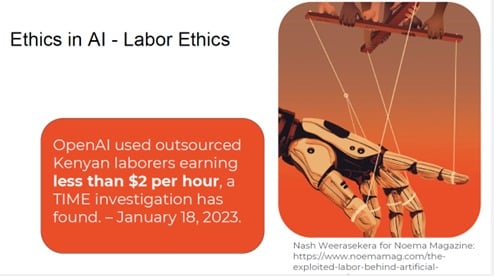
Ethics in AI-Labor Ethics image of wooden hand with puppet strings including text about AI paying Kenyan laborers less than $2 an hour.


Figure 1. Presentation slide from Dr. Jessica BrodeFrank on AI labor ethics, focusing on outsourced labor and wage disparities in the AI industry.

One of the core aspects of her presentation is the importance of metadata. Dr. BrodeFrank emphasizes that metadata, described by Tammy Lee as “the connective tissue of the internet”, is essential for shaping discoverability and amplifying diversity. Without accurate and inclusive metadata, underrepresented voices remain invisible in digital environments, making metadata creation a critical tool for equity and inclusion.

Dr. BrodeFrank also highlights the potential of crowdsourcing as a participatory method to engage the public. By involving communities in metadata creation and cataloging, projects like Zooniverse and the Smithsonian Transcription Center show how libraries and museums can transform passive users into active contributors. Crowdsourcing enhances the discoverability of collections while fostering a sense of ownership and connection among participants.

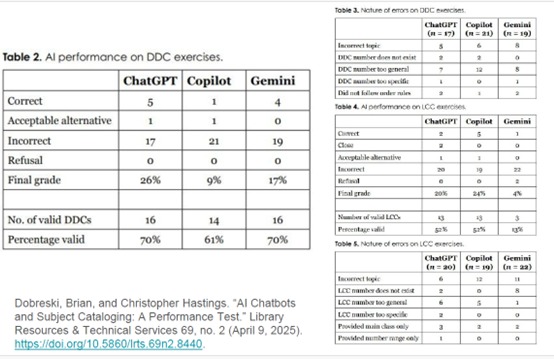
AI Performance onDDC Exercises for ChatGPT, CoPilot, and Gemini categories: correct, acceptable alternative, incorrect, refusal, final grade, no. of valid DDCs, Percentage Valid.

Figure 2. Presentation slide from Dr. Jessica BrodeFrank comparing the performance of AI chatbots (ChatGPT, Copilot, and Gemini) in DDC and LCC exercises.

Her presentation further addresses the ethical challenges of AI, including algorithmic bias, labor exploitation, and environmental concerns. Dr. BrodeFrank explains how AI models trained on biased data can perpetuate systemic discrimination. She also highlights the environmental cost of these systems, noting that a single ChatGPT query generates 4.32 grams of CO2 emissions, underscoring the need for a sustainable approach to AI use.

To tackle these challenges, Dr. BrodeFrank proposes actionable strategies, such as using crowdsourced metadata to surface underrepresented voices, ensuring transparency in cataloging practices, and raising awareness of the ethical and environmental implications of AI. These strategies reinforce the role of libraries and museums as leaders in fostering inclusive and equitable digital spaces.

For those interested in exploring her work further, Dr. BrodeFrank’s materials are available:

Paper: Download “Digital Literacy & Crowdsourcing: Tackling Descriptive and Algorithmic Bias through Doing”

Presentation Slides: Download PPT File

Recording: Watch the Presentation

Dr. BrodeFrank’s contribution to the IFLA CPDWL Open Session, “Navigating Opportunities and Challenges of Digital Transformation” offers valuable insights for library and information professionals. By addressing digital literacy, combating algorithmic bias, and utilizing innovative tools like crowdsourcing, her work inspires cultural institutions to take meaningful steps toward creating a more inclusive and equitable digital future.

Learning Beyond Borders: my professional immersion at the Bpi in Paris by Camilla Notarbartolo

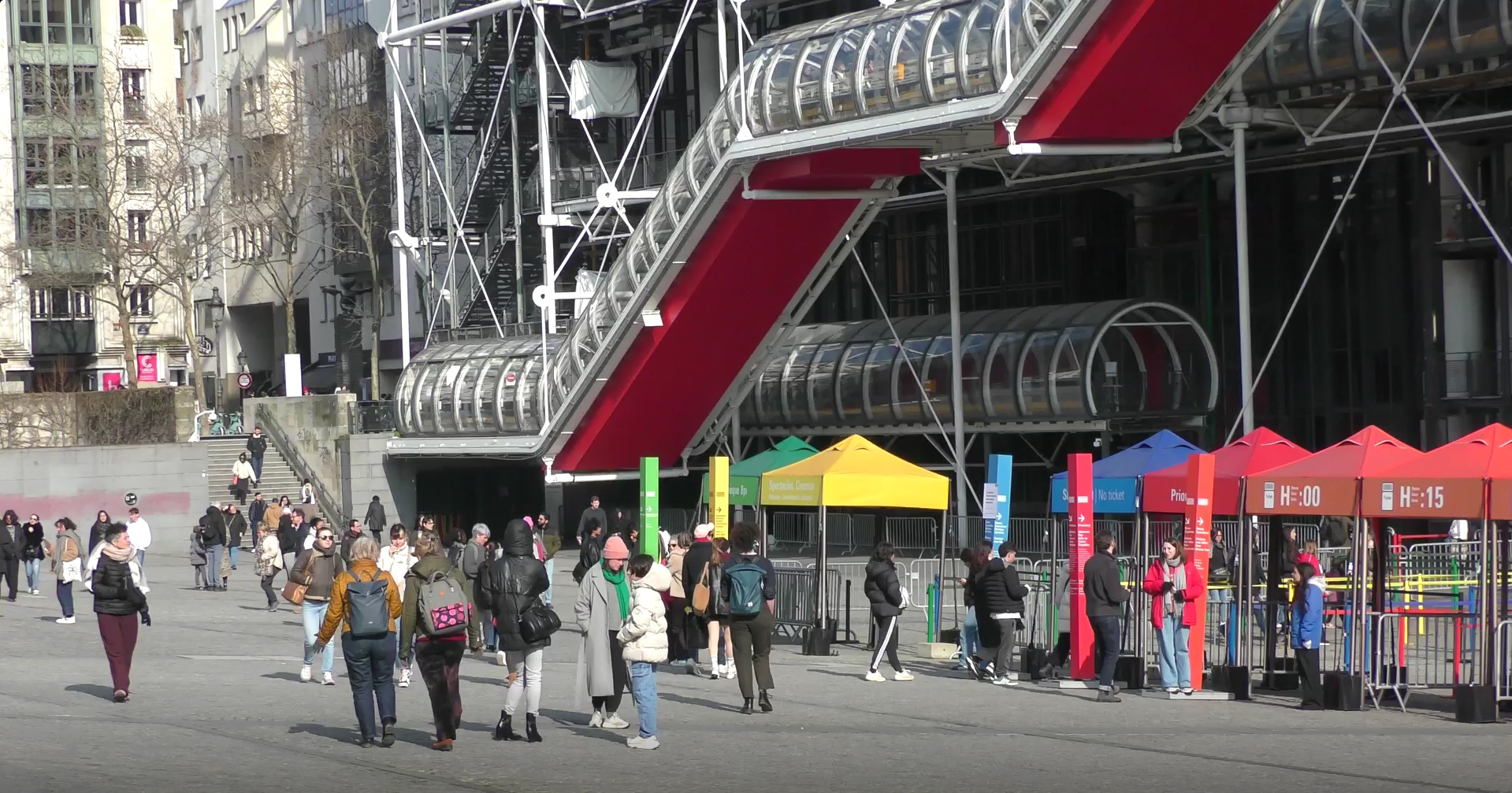
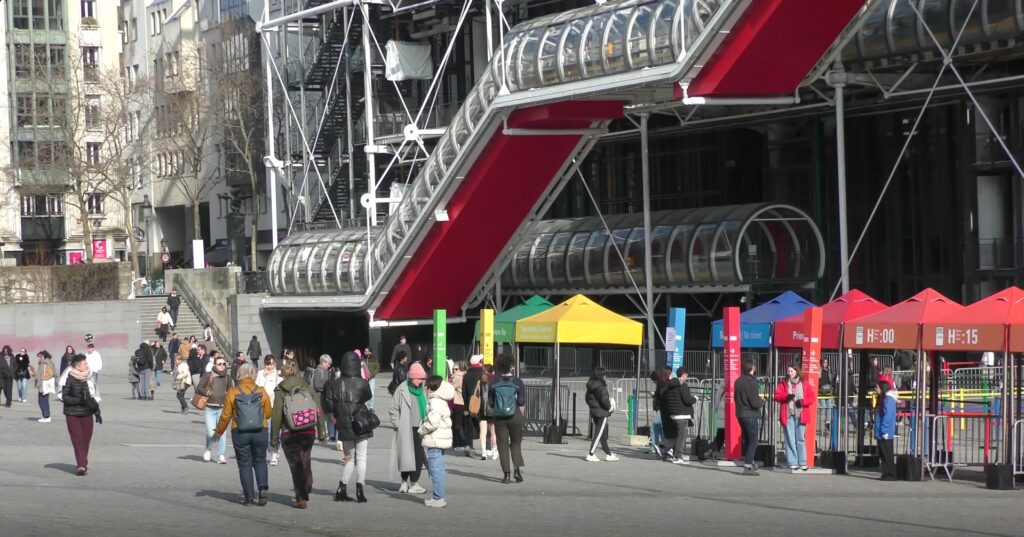
People come and go at the <em>Bibliothèque publique d’information

People come and go at the Bibliothèque publique d’information. (Bpi). Image source: Camilla Notarbartolo, ” Author photo” 2025.

Introduction

In a time of profound transformation for public libraries, investing in workplace learning and fostering international collaboration is more crucial than ever. From January 19 to February 28, 2025, with the support of the Milan Library System, I had the opportunity to participate in the Résidence Culture programme at the Bibliothèque publique d’information (Bpi) in Paris—an initiative supported by the French Ministry of Culture that offers six-week professional placements to French-speaking international librarians, providing a unique framework for professional development, cross-cultural exchange, and strategic reflection.This residency offered me the chance to explore how the BPI structures training and lifelong learning for both staff and users. It also allowed me to gather insights to enrich professional development initiatives in Milan and to reflect on the design of future services for users—especially in light of the upcoming BEIC (European Library of Information and Culture), Milan’s new central library scheduled to open in 2027.

Objectives and Approach

My main goals for the residency were to:

  • Analyse Bpi’s strategies for staff training and user learning
  • Identify transferable practices to enhance professional development in Milan
  • Explore tools to strengthen international professional mobility
  • Observe services and organisational models relevant to the BEIC project

Over the course of six weeks, these objectives expanded into a broader strategic exploration of library services and governance, through:

  • Structured interviews with BPI staff and managers
  • Observation of daily operations across departments
  • Study visits to libraries in the Paris region (including the BnF, the Paris municipal library network, the Plaine Commune network, and the Val-d’Oise departmental library)

Lessons Learned: Training, Collaboration, Innovation

1. A Culture of Internal and External Learning

The BPI integrates formal and informal learning through:

  • A structured internal training programme for staff
  • A vibrant network of knowledge sharing events, including webinars, study days, and site visits
  • Open-access resources via the Bpi Pro website, offering tools, reports, funding opportunities, and “How-to sheets” with replicable practices

This blend of internal capacity-building and outward-facing collaboration fosters a dynamic, peer-driven learning culture. The approach reinforces the idea that professional development doesn’t stop at the institutional boundary—it thrives on connection and exchange.
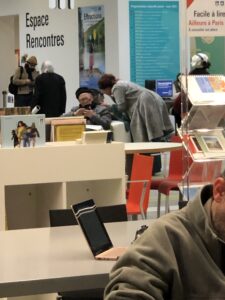
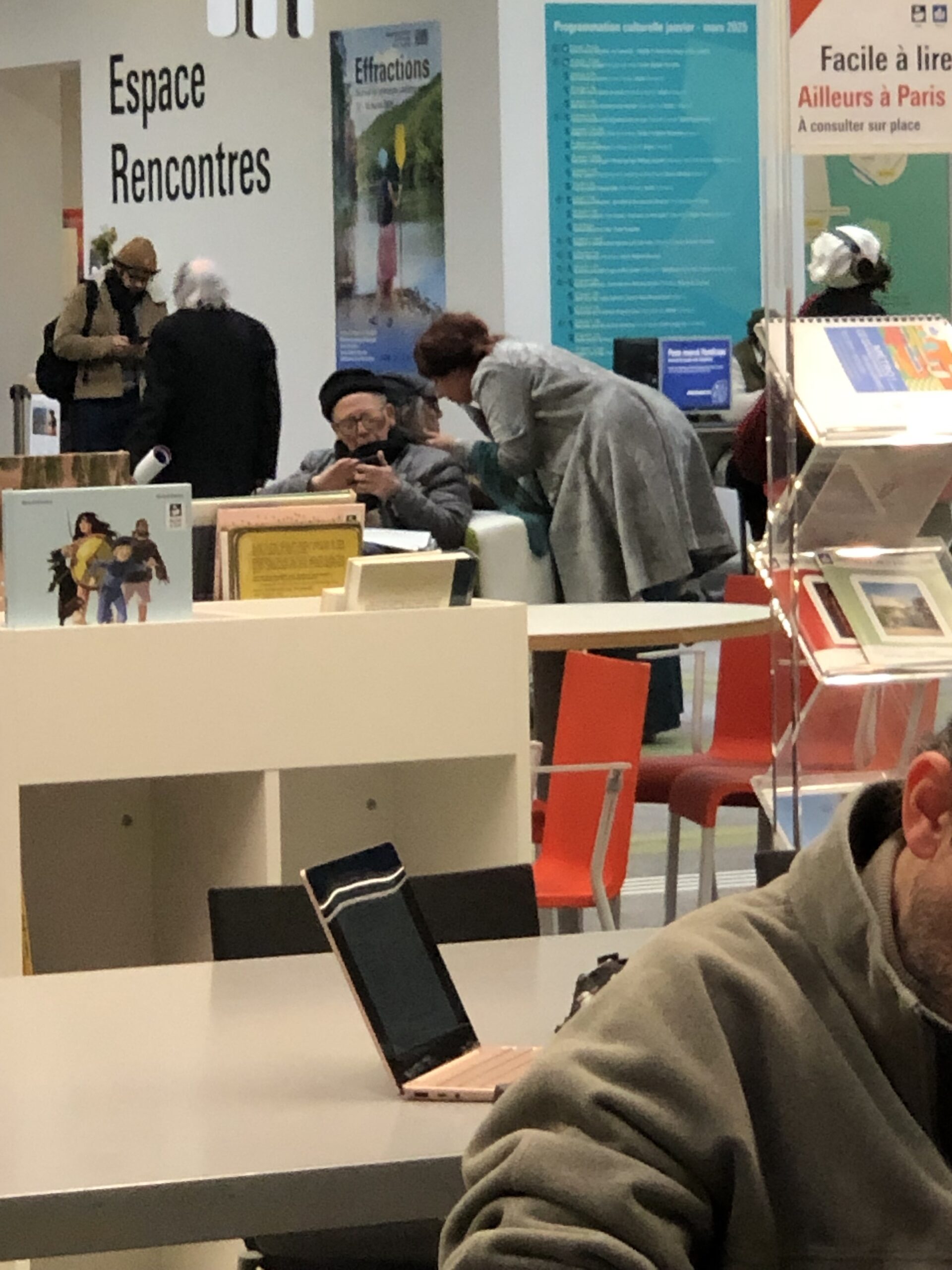
People talking and discussing ideas -collaboration fosters a dynamic, peer-driven learning culture.

Espace Rencontres at the Bpi. Image source: Camilla Notarbartolo, ” Author photo” 2025.

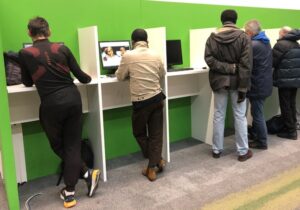
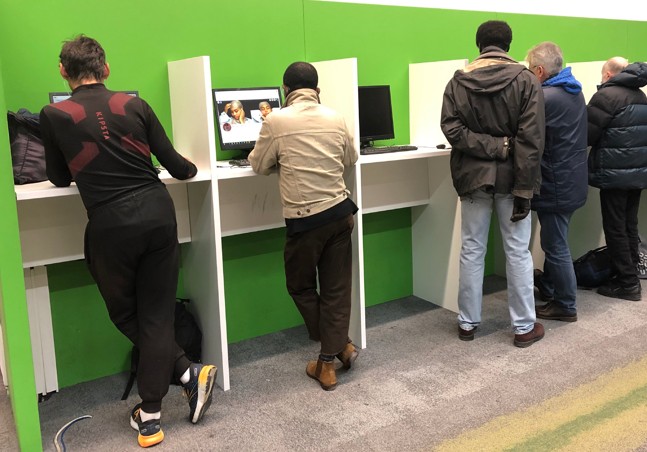
People using computers at Bpi

Everyday Learning at the Bpi. Image source: Camilla Notarbartolo, ” Author photo” 2025.

2. Spaces That Embody a Learning Mission

The BPI’s open-plan, non-circulating model supports its encyclopaedic ambition: documents are always available, and the spatial design encourages spontaneous interaction between people, collections, and ideas. This architectural openness reflects a deeper principle of accessibility and equity, and offers inspiration for the design of Milan’s future central library.
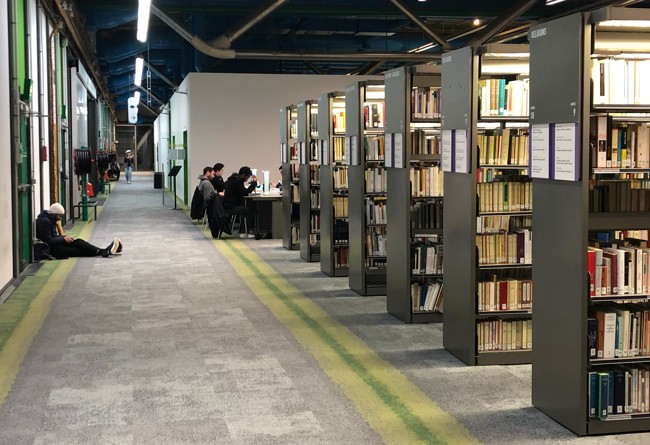
People using the open space stacks at Bpi

Make yourself comfortable at the Bpi. Image source: Camilla Notarbartolo, ” Author photo” 2025.

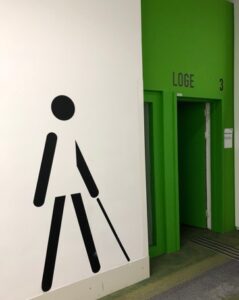
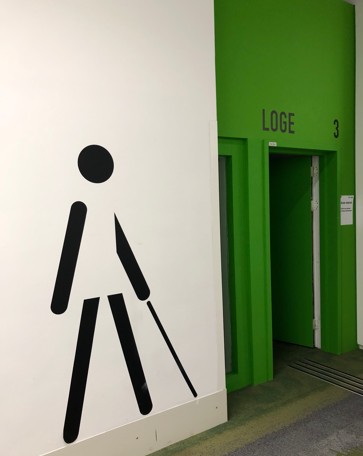
Accessible restroom sign.

Accessibility at the Bpi. Image source: Camilla Notarbartolo, ” Author photo” 2025.

3. Inclusive, Horizontally Organised Public Service

At the BPI, public service is a shared responsibility. Librarians, heads of departments, and senior staff all contribute to the reference desk in a collaborative spirit. This participatory model fosters a strong sense of purpose and connection with users, while flattening hierarchies and enhancing institutional cohesion.
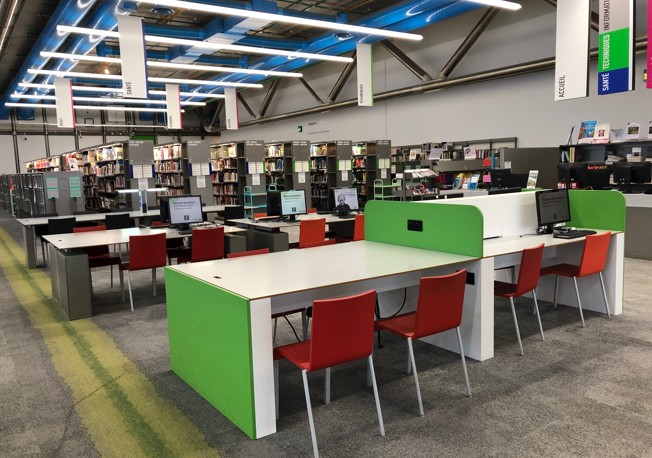
Horizontal view of Bpi with tables and chairs in open space.

Horizontality at the Bpi. Image source: Camilla Notarbartolo, ” Author photo” 2025.

4. Specialised Departments for Research and Innovation

Several BPI departments stood out for their relevance to emerging library missions:

  • Studies and Research: supports audience development and user studies
  • Data and Access: works to optimise catalogue accessibility and digital services
  • Technical and Multimedia Production: manages the logistics, recording, and dissemination of cultural events

These units demonstrate how transversal expertise can enhance learning experiences for both staff and users.
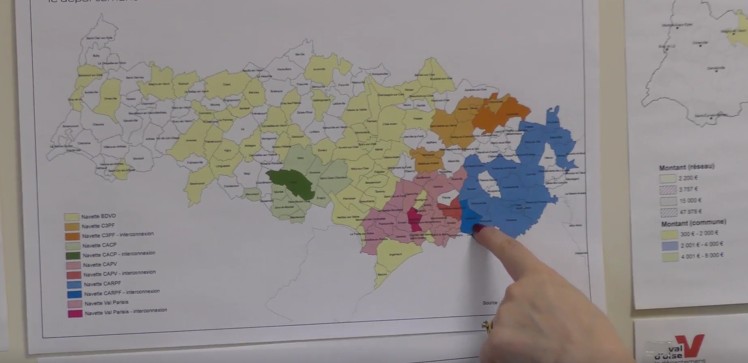
Person pointing out data visualization features on a map.

Data Visualisation through maps at the Val-d’Oise Departmental Library. Image source: Camilla Notarbartolo, ” Author photo” 2025.

Tools and Frameworks to Bring Home

The residency also equipped me with practical tools to inform training and organisational development in Milan, such as:

  • BPI’s functional organisational chart and internal intranet—a model of clarity in task allocation and communication;
  • France’s National Competency Framework for territorial librarians designed by the Ministry of Culture through a participatory process involving library professionals;
  • the strategic use of data cards to efficiently manage interlibrary loans, observed at the Bibliothèque départementale du Val-d’Oise;
  • transversal functions implemented by the City of Paris libraries and the Plaine Commune network;
  • Best practices in accessibility at BnF, BPI, and local libraries;
  • Examples of lifelong learning initiatives, including self-learning stations, knowledge-sharing and empowerment workshops, services to support the development of practical skills.

These references will help inform both staff development planning and the creation of innovative, user-centered services in Milan.

Local Reflections: Connecting to Mi Biblio Tour and Erasmus+ accreditation for mobility

This residency also reaffirmed the importance of peer-based, workplace learning—an approach we’ve embraced in Milan through the Mi Biblio Tour programme. These professional exchange visits between our libraries allow staff to observe, question, and learn from each other in their real working contexts. Like the BPI’s emphasis on cross-institutional dialogue, Mi Biblio Tour reflects a belief that our colleagues are often our most valuable teachers.

The thematic focus of our professional development programme, including Mi Biblio Tour, is aligned with the 2023–2026 Development Plan of the Milan Library System. This strategic document outlines four core priorities—Environment and Digital Transition, Proximity and Participation, and Accessibility and Inclusion—as guiding principles for the future of our libraries. These axes reflect a deep commitment to equipping citizens with the knowledge, tools, and skills needed to navigate a society in rapid transformation—one that is more innovative, equitable, sustainable, and welcoming to all.

This vision for peer-led development has recently taken a major step forward with the Erasmus+ accreditation awarded to the Milan Library System in early 2025. This recognition will enable us to support staff mobility across Europe, reinforcing the international dimension of our training strategy. Inspired by the BPI’s structured approach to knowledge sharing—particularly the use of fiches pratiques (practical guides)—we are now working to develop a similar tool in Milan to enable colleagues to document and disseminate replicable practices that they will observe during the mobilities. This format will allow us to capture the insights gained during exchange visits and study trips, making them accessible and reusable across the entire library system. In this way, individual learning experiences can become a shared resource, fostering a culture of ongoing improvement.
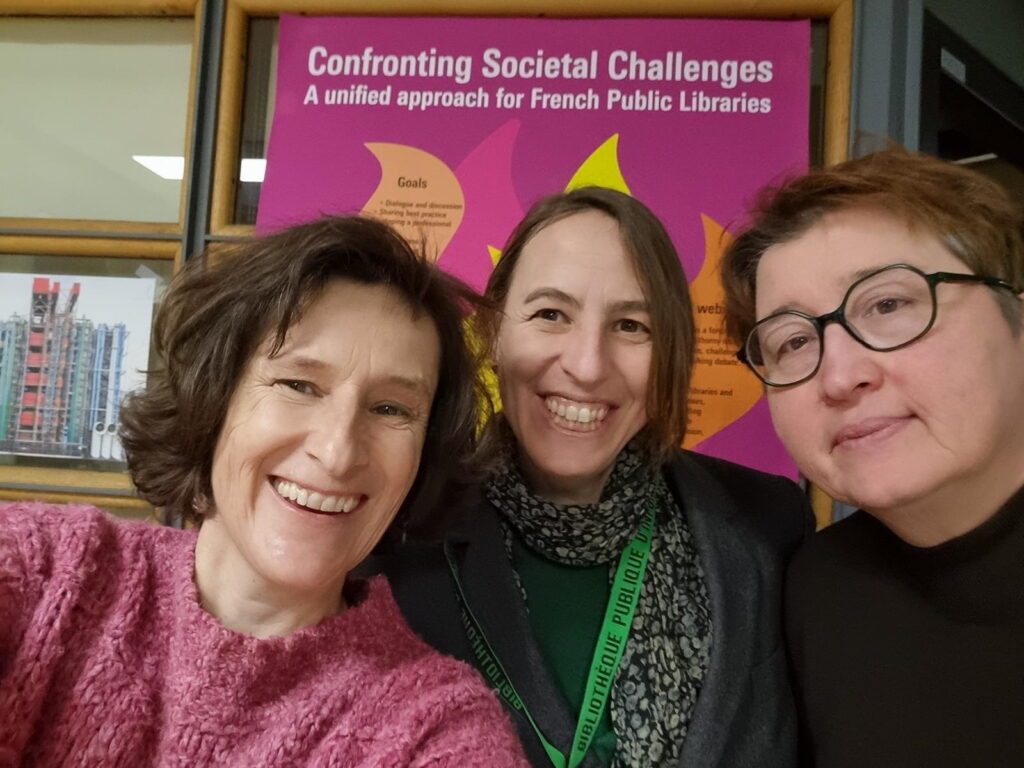
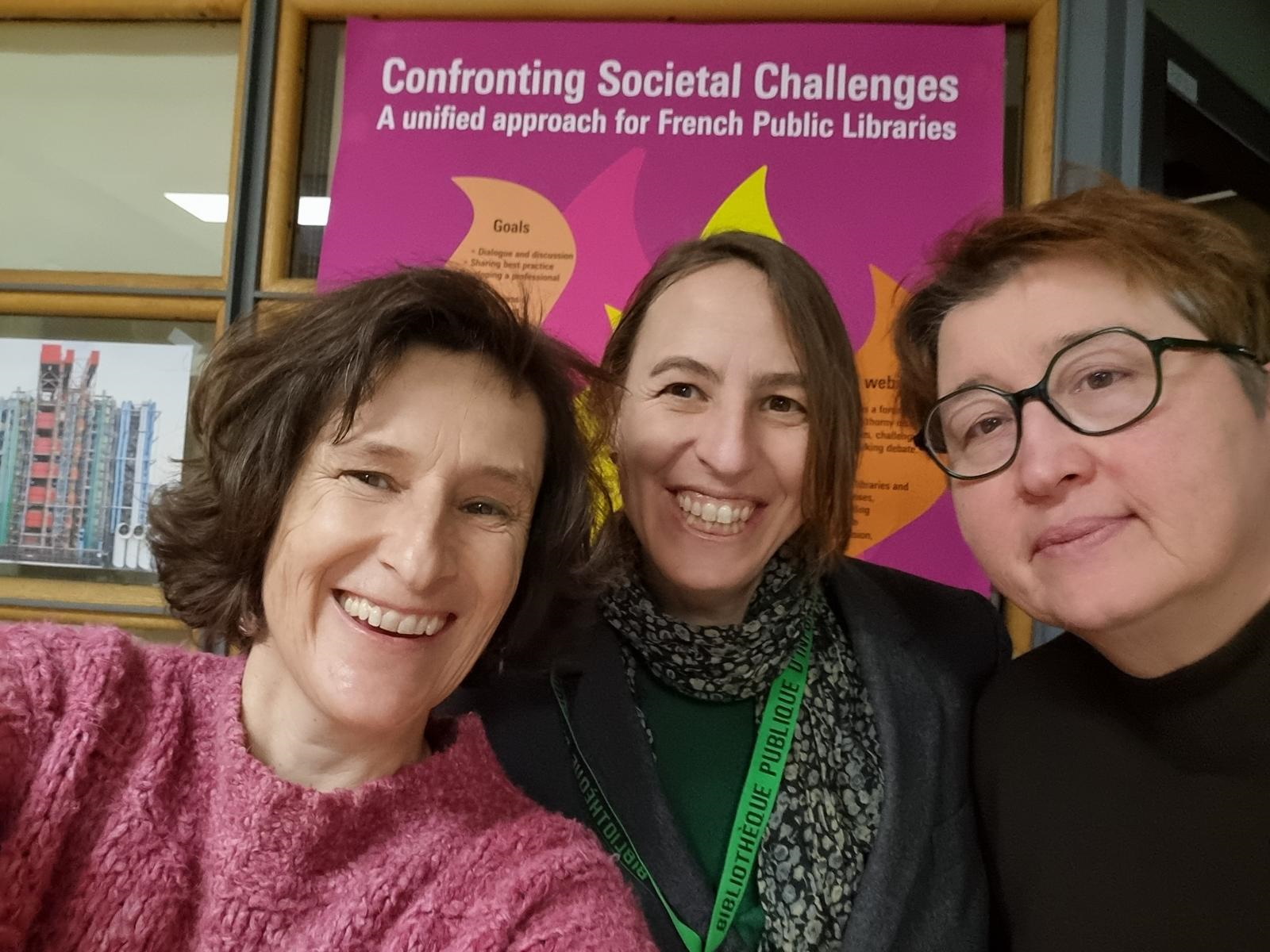
Two of my colleagues pictured with me at the Delegation for National and International Cooperation of the Bpi. Image source: Camilla Notarbartolo, " Author photo" 2025.

My colleagues at the Delegation for National and International Cooperation of the Bpi. Image source: Camilla Notarbartolo, ” Author photo” 2025.

Looking Ahead: A Vision for BEIC and Beyond

As Milan prepares to launch the BEIC, many of the practices observed during this residency will help shape its vision: from open, democratic spaces and transversal teams, to continuous learning for staff and users alike.

What I take home from Paris is not only a notebook full of ideas and a collection of video interviews with BPI colleagues, but also a renewed commitment to embedding professional development into everyday library life.

Final Thoughts

Workplace learning and international mobility are not add-ons—they are essential to preparing public libraries for the future. Whether through structured residencies or peer visits across the city, professional growth happens best in connection with others, across roles, institutions, and borders.

————————————————————————————————————-

Camilla Notarbartolo, Training Manager (Milan Library System)
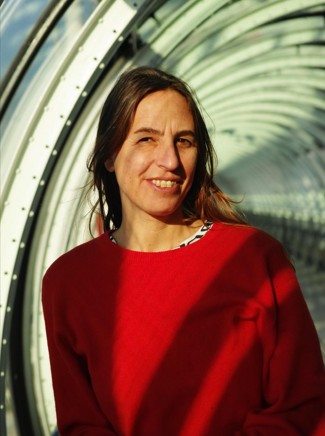
Head shot of Camilla Notarbartolo

Camilla Notarbartolo

Camilla Notarbartolo is the Training Manager of the Milan Public Library System, where she’s responsible for the continuing professional development and workplace learning of library professionals, as well as for managing national and international mobility programmes.

Her role also includes planning and implementing EU-funded projects, coordinating the working group on lifelong learning for library users, and overseeing internships, apprenticeships, volunteering and community service activities.


She is a member of the IFLA CPDWL Standing Committee 2023-2027 and participates in the MetLib Learning Circle 2025-2026.
Call for Papers – CPDWL Open Session (WLIC 2025)

Title:

Reimagine Continuing Professional Development for SustAInable Futures

Overview:

The IFLA Continuing Professional Development and Workplace Learning (CPDWL) Section, in collaboration with the Six IFLA’s Regional Divisions (Asia-Oceania, Europe, Latin America and the Caribbean, Middle East and North Africa, North America, Sub-Saharan Africa), invites submissions for its exciting session at WLIC 2025.

This session will explore the transformative potential of Artificial Intelligence (AI) in advancing continuing professional development (CPD) within the library and information sector. With the increasing integration of AI in library operations and professional development, this session will focus on how these emerging technologies can foster sustainability, inclusivity, and innovation.

As libraries and library professionals navigate the rapidly evolving landscape of AI-driven tools and practices, CPD initiatives play a critical role in equipping them with the knowledge and skills to lead meaningful change. This session aligns with the WLIC 2025 theme, Uniting Knowledge – Building the Future, by addressing the intersection of AI, sustainability, and professional growth.

Call for Submissions:

We welcome submissions that explore challenges, opportunities, and innovative strategies addressing one or more of the following themes:

  • Harnessing AI for Green Libraries:
    • Exploring how AI can optimize library operations (e.g., energy use, resource management) to reduce environmental footprints.
    • Training library professionals to adopt AI tools for sustainability planning.
  • AI-Powered Learning Ecosystems:
    • Utilizing AI-based platforms for personalized and continuous learning in the library and information sector.
    • Case studies on AI-driven virtual mentorship and skill development for sustainable library practices.
  • AI Ethics and the Librarian’s Role in Building Sustainable Knowledge Societies:
    • Addressing ethical considerations of AI in libraries and its impact on sustainable development.
    • CPD programs to equip librarians with ethical AI literacy.
  • Bridging the Digital Divide:
    • Using AI to democratize professional development opportunities for librarians in underserved regions.
    • Strategies to ensure equitable access to AI-driven CPD resources.
  • AI and the Future of Work in Libraries:
    • Preparing library professionals for the changing nature of work with AI integration.
    • CPD initiatives to foster adaptability, creativity, and collaboration in AI-enhanced workflows.
  • Reskilling for Resilience:
    • Building resilience in library professionals to navigate AI-driven transformations.
    • Training librarians to engage in AI-facilitated partnerships.
  • AI Innovations for Knowledge Equity:
    • Examining AI tools that promote knowledge equity and sustainable access to information.
    • Training librarians to use AI to support open access, digital preservation, and inclusive education.

Formats:

We encourage submissions that focus on a variety of presentation formats to engage and inspire the audience, particularly for the Regular Presentations of the Open Session:

  • Regular Presentations: 5-minute in-depth sessions with presentation slides, followed by
  • Panel Discussions: Collaborative and interactive discussions with IFLA Regional Division Committee Chairs on key themes.
  • Roundtable Discussions: Small-group, focused discussions among audience before the Wrap up

Important Dates & Notes

  • Proposal Submission
    • Submit a proposal of 500 words or fewer in one of the accepted IFLA languages by midnight on April 4, 2025.
    • Send your proposal to the IFLA CPDWL Section Chair, Helen Chan, at [email protected].
    • Use the following subject line for your email: “Submission for IFLA CPDWL Open Session – WLIC 2025.”
  • Proposal Format
    Please include the following in your proposal:

    • Title of Proposal:
      [Provide a clear and concise title for your proposal.]
    • Author(s):
      [Full name(s), affiliation(s), and contact details of the author(s).]
    • Abstract:
      [Summarize your proposal in 2-3 sentences.]
    • Proposal Content (500 words or fewer):
      [Provide the main content of your proposal. Ensure it is clear, concise, and relevant to the theme of the CPDWL Open Session.]
    • Keywords:
      [List 3-5 keywords related to your proposal.]
    • Language of Submission:
      [Indicate the IFLA language used in the proposal.]
    • Biographical Information:
      [Provide a brief biography of the author(s), including relevant professional background and experience (maximum 100 words).]
  • Notification and Communication
    • Contributors will be notified of the status of their proposal by April 27, 2025.
    • Proposals not submitted in English will be translated for review purposes. All communication between authors and the committee will be conducted in English.
    • The CPDWL Open Session at WLIC 2025 will follow an interactive and engaging format designed to foster collaboration and knowledge sharing. Please note that all selected speakers must be available to present in person on stage at the CPDWL Open Session during WLIC 2025 in Astana, Kazakhstan. No online presentations or pre-recorded presentations will be arranged. This ensures a dynamic and engaging experience for participants, encouraging active dialogue and in-person networking opportunities.
  • Contact Information
    • If you have any questions, please contact the IFLA CPDWL Section Chair, Helen Chan, at [email protected].

This session will take place at WLIC 2025 in Astana and aims to foster engagement, knowledge-sharing, and collaboration among library professionals worldwide.

We Look Forward to Your Contributions and Innovative Ideas!

Reflecting on Lifelong Learning: Insights from the Celebratory Conference at HKU by IFLA CPDWL Chair, Helen Chan

As the Chair of the IFLA Continuing Professional Development and Workplace Learning Section (CPDWL), I recently had the honor of attending a landmark event commemorating the 35th anniversary of the Comparative Education Society of Hong Kong at the University of Hong Kong (HKU), alongside the 40th anniversary of the HKU Faculty of Education, and the 30th anniversary of the Comparative Education Research Centre. This convergence of milestones provided a rich backdrop for profound discussions on the evolving needs of lifelong learning in our rapidly changing world, particularly highlighted during the keynote address on November 24, 2024.

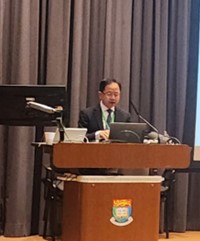
Prof. Wing On LEE, former Executive Director at the Institute for Adult Learning, Singapore, provided the keynote speech on November 24th, titled “Comparative Lifelong Learning: Emerging Programs and Pedagogies for Developing New Knowledge and Practice for the Changing Economy”. He offered critical insights into how lifelong learning must adapt to meet the demands of what is variously described as Industry 4.0, the knowledge economy, and the future economy. The future economy includes the gig economy and platform economy, characterized by short-term contracts and the prevalence of freelance work over permanent jobs.

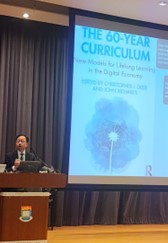
Prof. LEE’s insights are particularly relevant to the field of library and information science, a domain where continuing professional development and workplace learning are already integral. Lifelong learning is not a new concept for library practitioners; however, the idea of the 60-Year Curriculum (60YC) introduces a new paradigm that encourages educational models to serve an agile labor market more effectively.

Prof. LEE delivers keynote address.

60 year curriculum slide displayed with Prof. LEE at the podium.

Prof. LEE discusses 60 -year curriculum.

Lifelong Learning and Library Science

The 60YC proposes a lifelong educational pathway that encourages a new paradigm of thinking about learning and the education process and seeking to be relevant for people across a broad range of life and career transitions. It offers ongoing learning opportunities crucial for adapting to technological advancements and economic shifts. For library professionals, this could mean continuous training in digital literacy, data management, and other emerging areas crucial for staying relevant in the profession.

Workplace Learning and Library Professionals

The closest concept to the 60YC in our field is workplace learning, which, as articulated by Prof. Justina TAN and Prof. Wing On LEE in their 2024 book, Making Employee-Driven Innovation Achievable: Approaches and Practices for Workplace Learning, emphasizes the importance of learning that continues throughout one’s career. This approach is vital in library settings where the ability to innovate and continuously improve service delivery can significantly enhance user experience and operational efficiency.

Addressing Challenges and Inequalities

Furthermore, the Third International Handbook of Lifelong Learning (Evans et al., 2023) highlights several challenges, such as the low skills equilibrium and the social exclusion of vulnerable young adults. Library professionals can play a critical role in addressing these issues by providing accessible learning resources and programs that help bridge the skills gap and foster a more inclusive society.

Library and information science professionals, by leveraging their expertise in knowledge organization and dissemination, can also help mitigate the under-utilization of talents among migrants, as discussed by Marie Macauley, Ruud Duvekot, and Yann Jakub Bertier in the handbook. Making certain that prior qualifications and skills are recognized and valued is crucial for integrating migrants into their new communities.

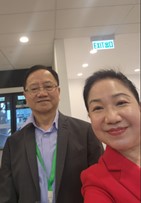
Prof. LEE and Helen Chan


Reflection

The discussions and learnings from the conference serve as a potent reminder of the critical role that lifelong learning plays in the library and information science field. As we move forward, it is clear that embracing models like the 60YC will be essential for developing resilience and adaptability among professionals. This approach not only supports personal and professional growth but also ensures that libraries continue to serve as essential pillars of lifelong learning in their communities. I am deeply grateful for the opportunity to have participated in such an enriching event and look forward to implementing these insights to further enhance the continuing professional development and workplace learning within our field.

References:

Evans K., Lee W. O., Markowitsch J., and Zukas M. (Eds.) (2023). Third International Handbook of Lifelong Learning. https://link.springer.com/referencework/10.1007/978-3-031-19592-1

Tan, J. and Lee, W. O. (2024). Making Employee-Driven Innovation Achievable: Approaches and Practices for Workplace Learning. London: Routledge.

Translators wanted!


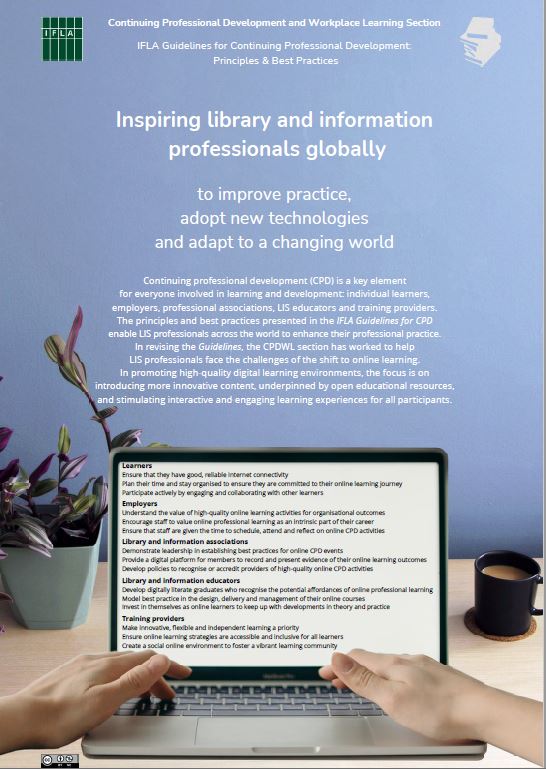
Our new poster promoting the IFLA Guidelines for CPD in the digital environment was proudly launched at the WLIC in Dublin (see the earlier blog post, 27 August 2022). We are now calling for LIS colleagues across the world to translate the poster into their own language(s).

The goal is to ensure that the important messages about the imperative for CPD for everyone working in library and information services is shared, with emphasis on the roles and responsibilities of all the stakeholders when professional learning moves online.

We hope that all national and regional library associations will support the translation of the poster for their members. If you would like to get involved in the translation work (it’s only a couple of hundred words!), please contact Helen Chan  ([email protected]) to request a copy of the poster template file.

We are looking forward to hearing from you very soon!

Macau Open Access Week: Navigating the Open Access Landscape

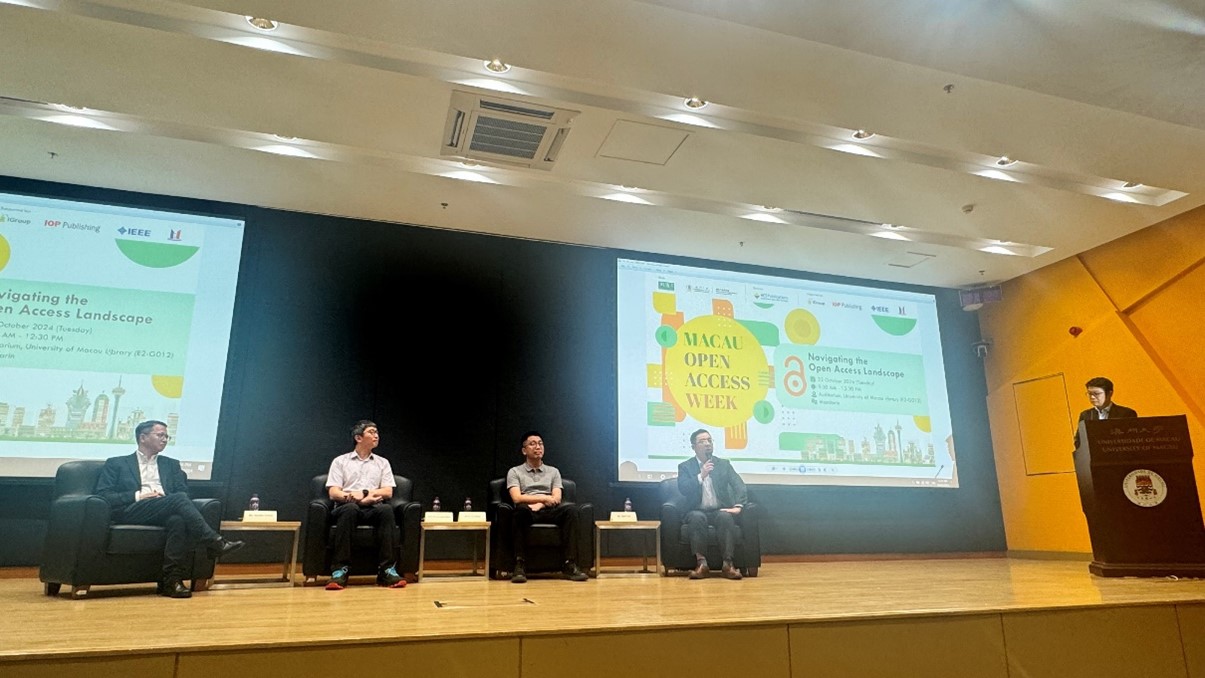
The Macau Open Access Seminar, co-hosted by the Macao Academic Library Alliance (MALA) and University of Macau (UM), was held on 22 Oct 2024, at the UM Library to echo the International Open Access week 2024. The seminar is part of a celebration series to mark the 10th Anniversary of the establishment of Macao Academic Library Alliance (MALA), a collaborative initiative involving ten higher education institution libraries in Macau.

The Open Access week continues with the theme from last year, “Community over Commercialization,” addressing the importance of prioritizing community-driven initiatives over profit from open access publishing.

The seminars featured speakers from IEEE, ACS and IPO publishing, giving the library and researcher’s perspective on open access. Speakers highlighted issues on promoting equitable access to open access development and benefits. Reseachers also shared criteria for evaluating the quality of OA journals, tips in avoiding predatory journals, and how to enhance research impact through OA publishing. The library also played an active role in supporting OA publishing by introducing different funding mechanisms like inclusion of transformative agreements and collaboration among research offices in nagivating funding opportunities.

Panel discussion on Open Access Publishing by different stakeholders, including researchers, publishers and library representatives.

Panel discussion on Open Access Publishing by different stakeholders, including researchers, publishers and library representatives.

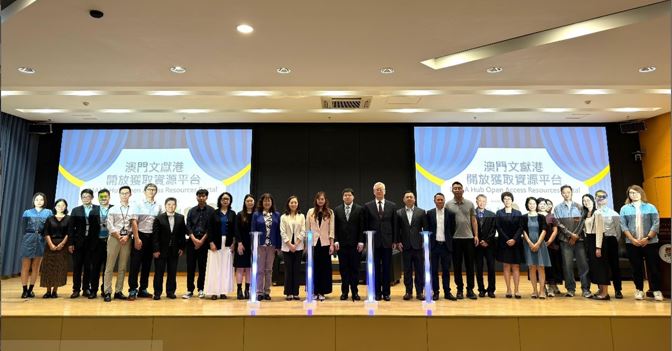
A highlight of the seminar included the launch of the Open Access Resources Portal, a sub portal under the MALA hub that collects open access resources published by Macao academics, local organizations and government units. The portal enables users to search across all Macao OA in a one-stop search platform, aligning with the global movement towards open science and transparency in research and education.

Launch of the Macao Open Access Resources Portal on 22 Oct 2024 with participants onstage.

Launch of the Macao Open Access Resources Portal on 22 Oct 2024.

The seminar was an impactful experience with a panel dicussion to raise awareness on OA for all participants, as well as a forward-thinking discussion on the future of open access. There is a need for different stakeholders like publishers, researchers, institutions, and governments to enhance funding models, as well as stronger policies to support OA initiatives. A balance between community proirities and commercial interests is also a crucial component for sustainability of OA.  Collaborative efforts are the key to create an integrated and effective system to support scholarly communications.