Category Archives: Professional Development Opportunity

Career development webinar for Kenyan librarians: strategies for success

On October 3rd, 2024, Nyakundi James Nyambane, the Head Librarian at Knowledge Empowering Youth (KEY Libraries) in Nairobi and a former IFLA CDPWL member, held a professional development session for information science students and early career library professionals in Kenya. The focus of the session was on professional branding and career preparation strategies, and it was delivered by invited speakers: Tatiana Usova, the Director of the Library at Carnegie Mellon University in Qatar and a member of the IFLA CDPWL Standing Committee, and Dr. Joan Murumba, an Information Literacy Librarian and Faculty at Texas A&M International University. Both speakers provided invaluable insights into creating a unique professional identity, setting career goals, managing an online presence, and being ready for the evolving job market. Forty-four people from all provinces of Kenya joined the webinar.

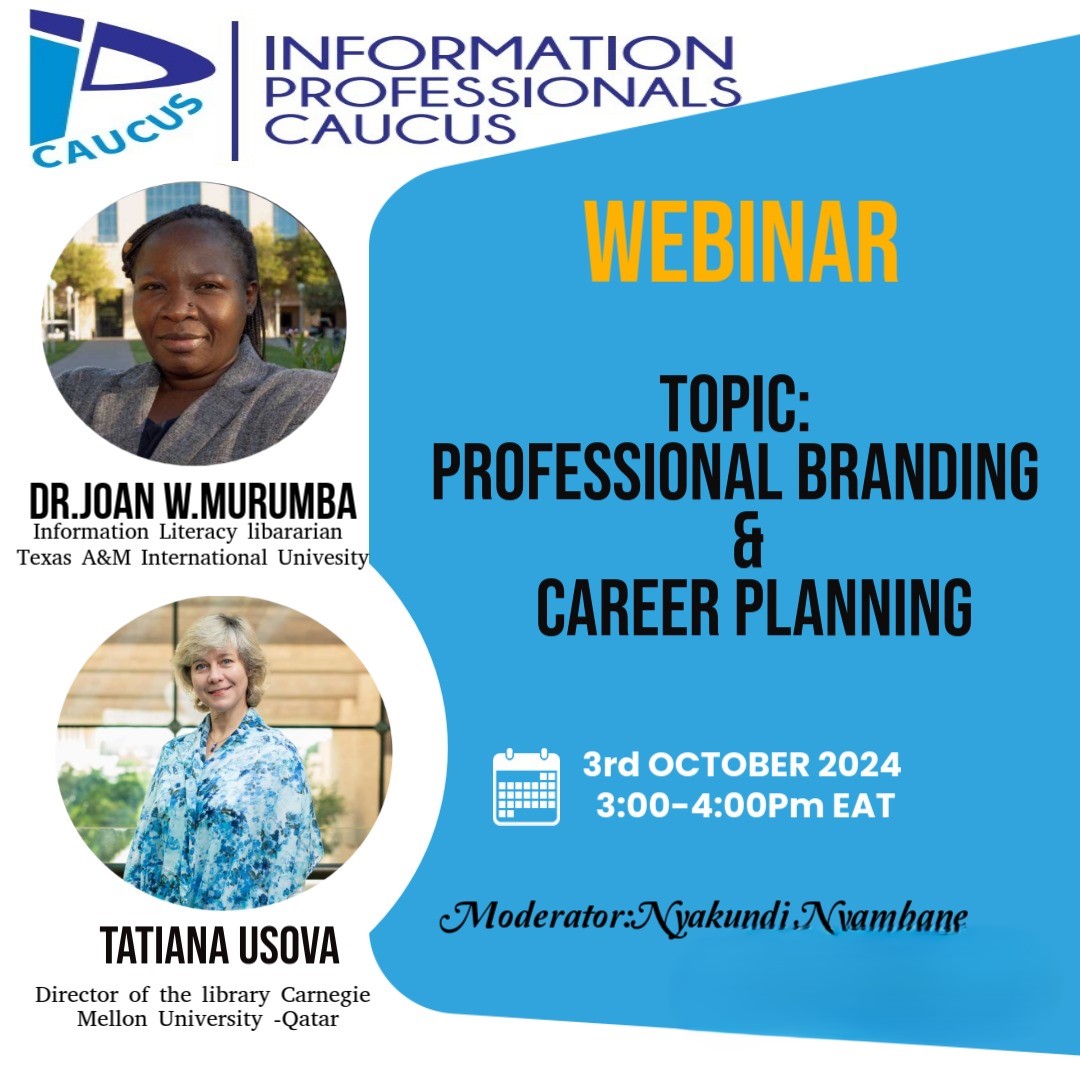
Professional Branding and Career Planning Webinar Poster.

The session began with an exploration of the concept of a personal brand, its importance, and its connection with the notion of a professional brand. It was highlighted that professional reputation is not only about skills and qualifications but also about how people present themselves to the world. The session provided actionable steps in developing and enhancing a professional brand including self-assessment, seeking feedback from colleagues, developing a concise and captivating professional statement, creating and maintaining a compelling LinkedIn profile, and expanding a professional network.

Attendees were encouraged to join professional associations like IFLA, ALA, KLA, and AfLIA, network with information professionals inside and outside of their organizations, engage in communities of practice, find mentors, and seek out guidance from more experienced peers and information industry leaders.

The session also addressed career planning. The invited speakers emphasized the importance of setting clear goals and pursuing continuous professional development. They highlighted the need to stay on top of professional trends like research data management, OER, open access, and develop AI competencies.

After concluding the session with practical career advice and some personal stories, the speakers stayed for extra time to answer participants’ questions. The webinar proved to be of high relevance to attendees, especially those starting out in the professional field and in the early stages of their careers. Presenters received glowing feedback through the chat “Beautiful presentation!”, “Very grateful for this session”, “Amazing insights and eye-opening tips. Absolutely great presentations. Thank you!”

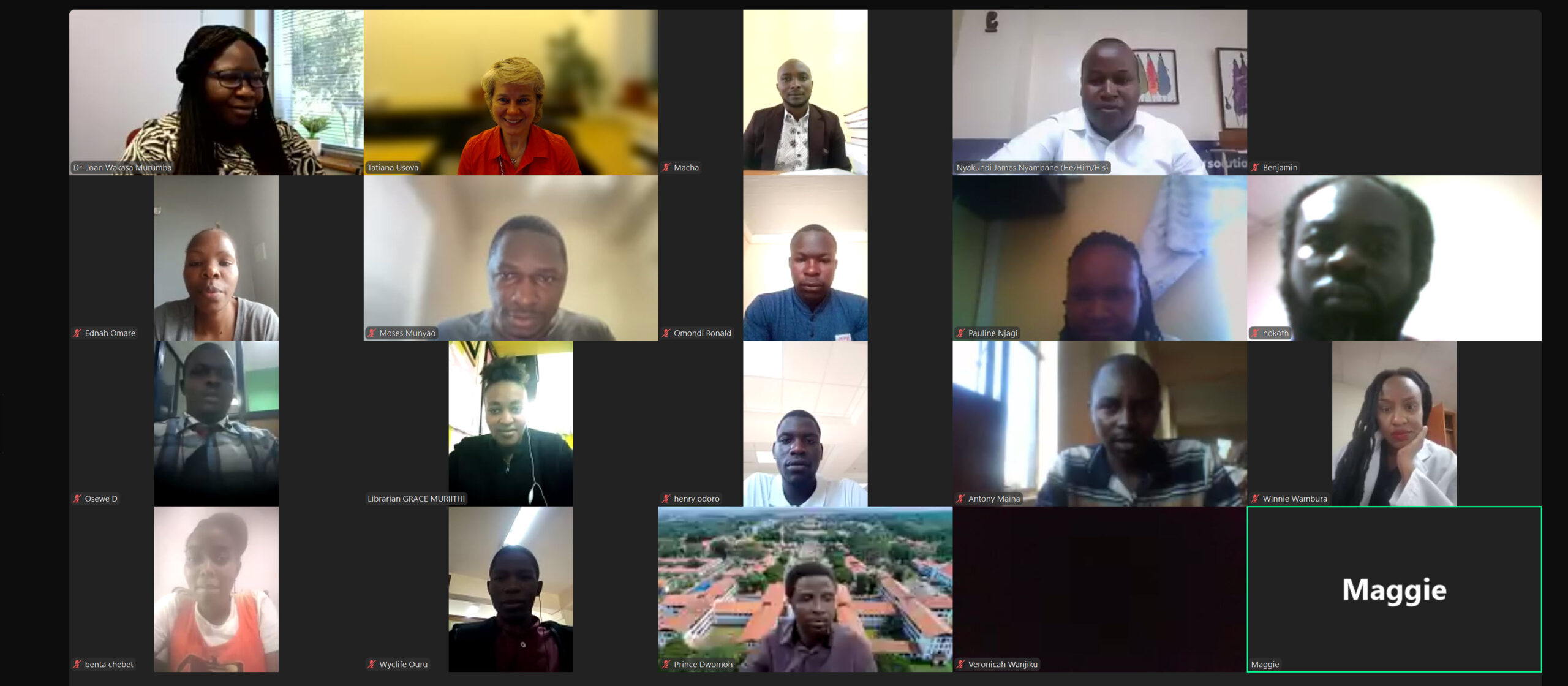
Zoom screen with attendees at Kenya workshop..

Russian Libraries Participate in the Global Agenda

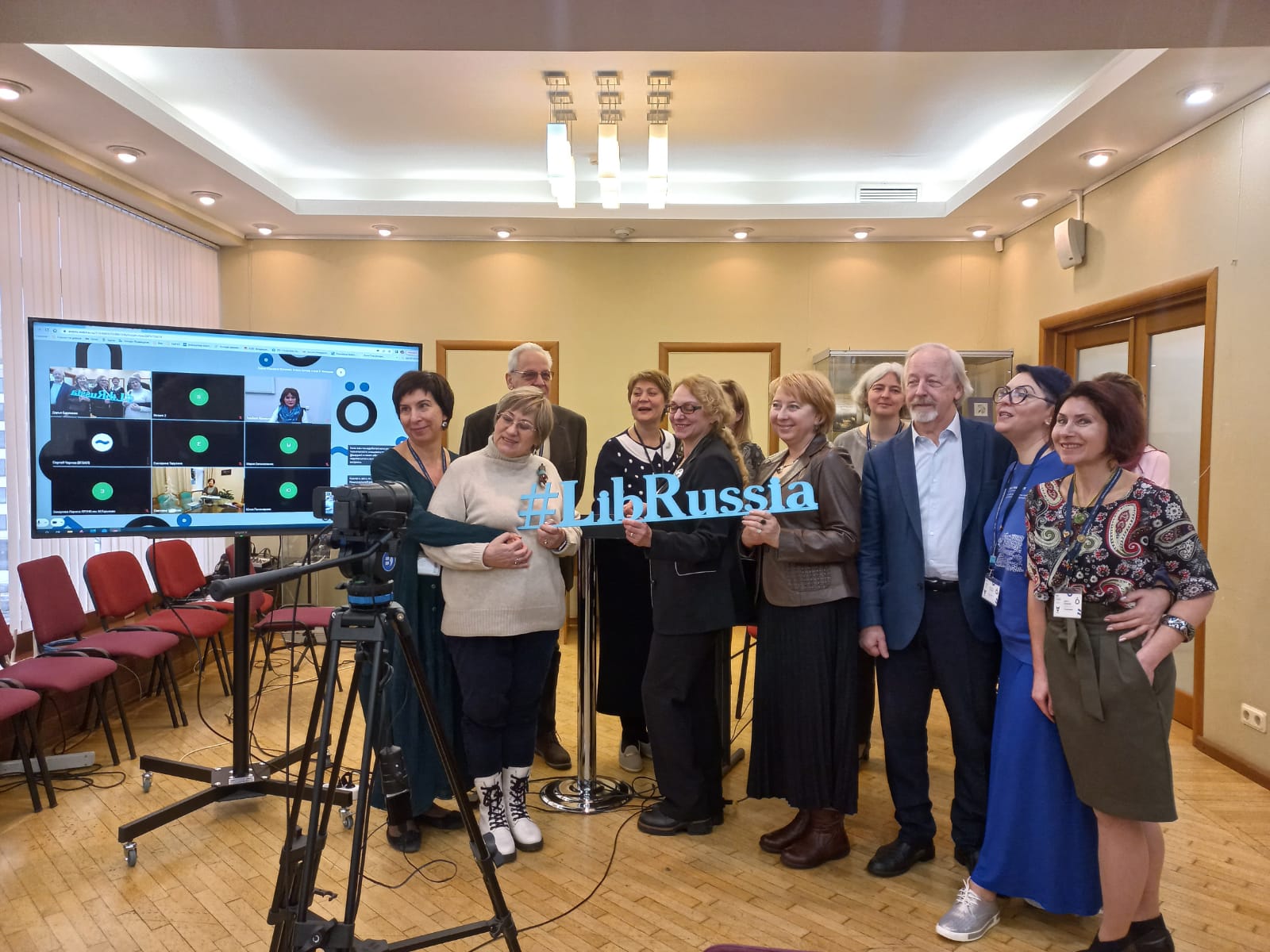
On the 12th of August 2024 the Russian Library Association (RLA) Section for International Cooperation and IFLA Russian Language Center, based in the Russian State Library, held a round table on issues related to the IFLA international library agenda. The meeting was impeccably organized by the M. Rudomino All Russian State Library for Foreign Literature – Headquarters of RLA Section for International Cooperation – and included more than 60 online and offline participants.

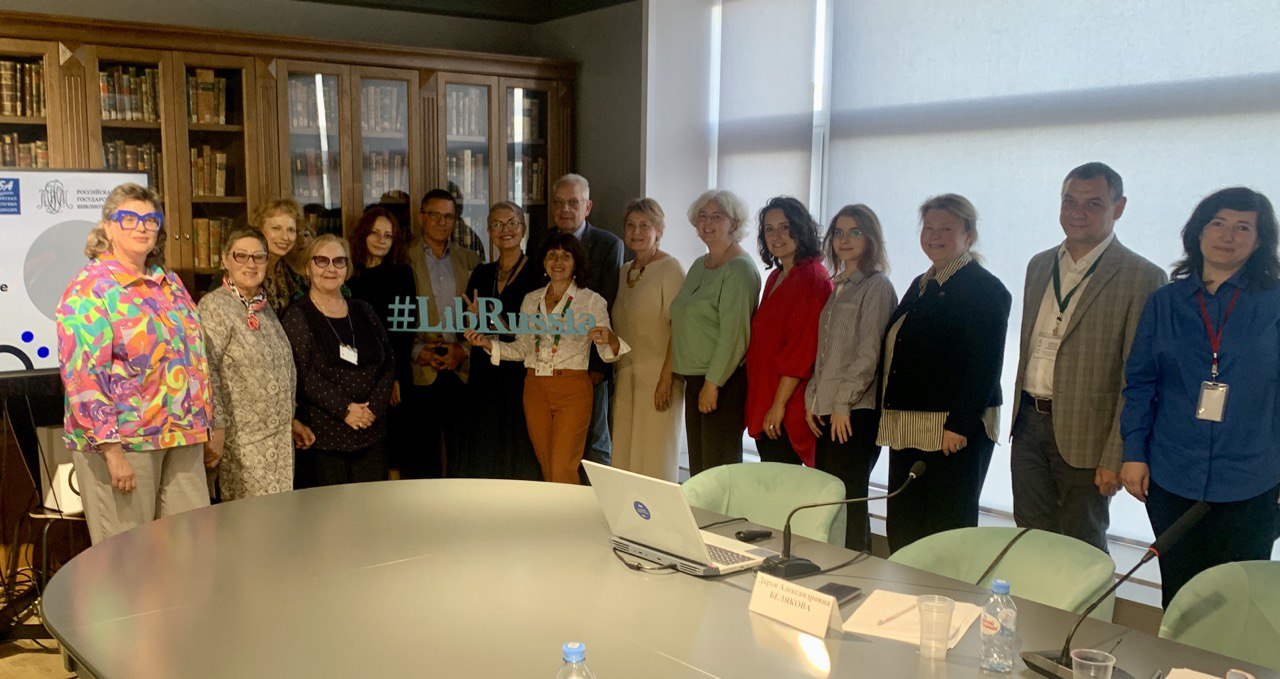
Participants at the Russian Library Association (RLA) Section for International Cooperation and IFLA Russian Language Center meeting.

Annual August meetings are usually organized to discuss participation of the Russian library community in IFLA WLIC and in international library associations. This year’s agenda focused on strategic issues and priorities of Russian libraries while working in international field.

Vadim Duda, President of the Russian Library Association, President of the Library Assembly of Eurasia, and Director General of the Russian State Library delivered his vision of the RLA priorities marking the following directions: development of horizontal links with library associations and institutions that share common approaches and willingness to cooperate; strengthening of RLA’s role as a central platform for high-profile international events of the Russian library community; ensuring effective and productive participation of Russian libraries in Astana 2025 WLIC, including high level representation of delegates at the CIS Caucus.

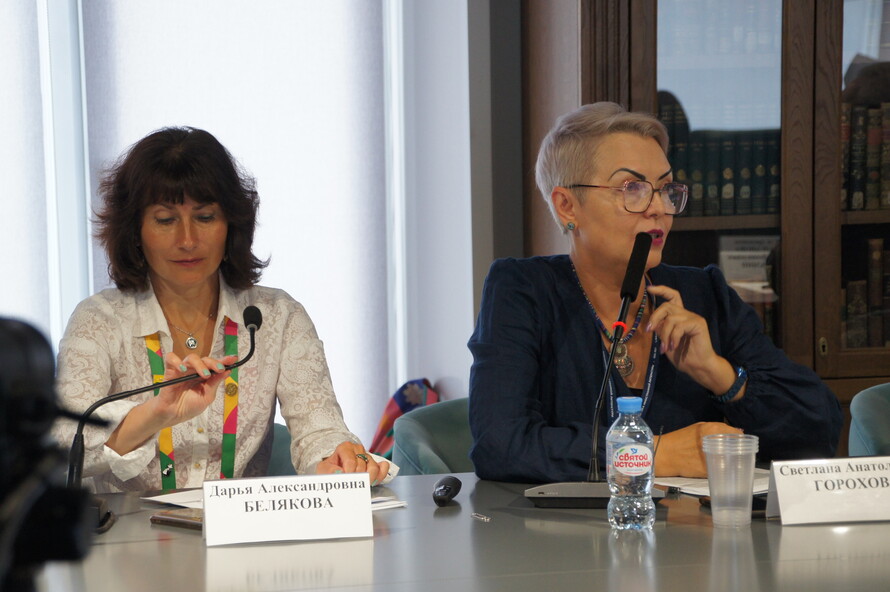
Svetlana Gorokhova and Daria Beliakova, IFLA CPDWL SC. Members, moderate the session.

Svetlana Gorokhova, moderator of the meeting, RLA Board Member and Chair of the RLA Section for International Cooperation, and IFLA CPDWL SC member, covered activities of the Section  and defined key principles of international library cooperation as the following: learning differently but never lose your own; automatic transfer of practice doesn’t guarantee effective results; successful partnerships always require value compatibility; partnership is always about equality  and mutual benefit – it is a two-way street; practical solutions are trendy, no to interaction for the sake of it; international exchange serves to develop national library initiatives to ensure steady development of the country.

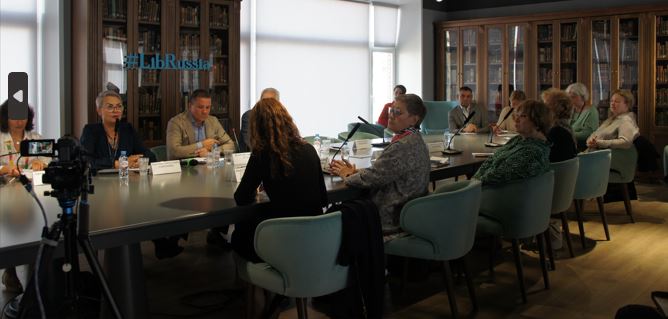
Representatives of the Russian national, federal, regional, and central municipal libraries participated in the meeting to discuss Russian libraries involvement in the work of international professional associations: the International Federation of Library Associations and Institutions (IFLA), International Library Union “Silk Road”,  the BRICS Alliance of National Libraries, and the Library Assembly of Eurasia.

Representatives of the Russian national, federal, regional, and central municipal libraries discuss Russian libraries involvement in the work of international professional associations.

IFLA news was covered by three speakers: Pavel Kuzmin, Europe Regional Division Committee Member of the IFLA Regional Council, Director General of the M. Rudomino All Russian State Library for Foreign Literature, talked on his experience of working on the Division Committee and on the agenda of the forthcoming offline Division meeting in Barcelona.

Daria Belyakova, Vice Chair of the RLA Section for International Cooperation and former IFLA CPDWL SC Member talked on the IFLA Information Futures Summit to be held in Brisbane, Australia on September 30 – October 3, 2024. World librarians are waiting for the results of the Summit and especially for the updates on the IFLA Trend Report and IFLA Strategy 2024 -2029.

Albina Krymskaya, Chair of IFLA Section on Education and Training and Deputy Dean of LIS School of the St. Petersburg State Institute of Culture, spoke on international research activities of the Section and examples of effective LIS student collaboration.

Peter Lapo (Kazakhstan), Asia and Oceania Regional Division Committee Member of the IFLA Regional Council DC Member, spoke on the Astana 2025 IFLA WLIC and broad opportunities open for the Russian library community in Kazakhstan, a country with many  Russian speakers. Specialists taking part in the meeting declared meaningful participation of the Russian delegation in IFLA WLIC 2025, as one of the priorities of the RLA international cooperation.

Irina Gayshun, coordinator of the IFLA Russian Language Center; Director General of the Library Assembly of Eurasia, introduced the participants to the activities of the BRICS Alliance of National Libraries and the Library Assembly of Eurasia. She presented the goals and structure of professional associations and key directions of their activities.

Daria Belyakova spoke to the participants about the International Library Union “Silk Road” and Russian libraries involvement in its activities.

In the final part of the meeting, Russian Library Association in cooperation with Serbian Library Association announced the launch of RU:RS Library Forum – a platform for international library cooperation between two national professional communities.  The idea of the Forum sprang from the participation of SLA President Jelena Glisovic in the All-Russia Library Congress (May 2024, Kazan, Russia) – a meeting where more than 90 foreign specialists took part thanks to the efforts of the RLA Section on International Cooperation and the Russian State Library. The first meeting of the RU:RS Library Forum will take place during Annual Conference of the Serbian Library Association, in Panchevo (Serbia) in December 2024.

Participants of the Round Table concluded that international cooperation of librarians is an effective and powerful instrument of professional development. The process tends to become more diverse and encompasses more players reacting to global changes.  Library diplomacy is a living mechanism that provides space for mutual respect of national agendas.

An Interview with Elaina Norlin from ASERL

Getting ready for #WLIC2023? We are spotlighting professional development trainers and experts in librarianship to talk about their work. In this blog post, we interview Elaine Norlin, Professional Development DEI Coordinator for the Association of Southeastern Research Libraries (ASERL).

Elaina Norlin is the Professional Development DEI Coordinator for the Association of Southeastern Research Libraries. She is an accomplished teacher, technology and leadership development trainer, and writer with extensive leadership experience and a flair for public relations, organizational development, marketing and persuasion and communications. Author of three books, she has delivered over 100 workshops, training sessions, presentations, and institutes both nationally and internationally on marketing, web usability design, facilitation, strategic influence, and conflict management. Self-motivated and results oriented, she is well known for her ability to juggle many projects at once.

Thank you for taking the time to chat with us! Can you briefly tell us about your work and professional development interests?

Norlin: That’s an excellent question, my Professional Development role at the Association of Southeastern Research Libraries (ASERL) keeps me busy and constantly engaged in current trends. As part of my job, I actively seek captivating and enriching content across all cultural heritage spectrum, placing a distinct focus on amplifying diverse and marginalized perspectives. Presently, my primary interest lies in creating and hosting content concerning future and exciting trends within higher education. I am particularly immersed in exploring themes such as enrollment patterns and their convergence with Equity, Diversity, and Inclusion (EDI), projected budget allocations and potential inequities, talent management and employee engagement strategies, educational neuroscience advancements, and the realm of extended reality.

What do you think are the challenges in engaging library staff in professional development activities

Norlin: The majority of librarians I engage with are grappling either with burnout or the frustrations stemming from the pervasive “do more with less” scarcity mindset that occasionally afflicts our profession. This persistent frustration of being unable to match the demands of the workload often leads individuals not have both the time and the energy required for their professional growth. Moreover, the strain of a demanding work environment complicates the task of maintaining a harmonious workplace atmosphere and a well-adjusted work-life balance, posing considerable challenges to prioritizing ongoing professional development.

Another distinct trend I’ve observed is the undeniable prevalence of virtual fatigue. As a consequence of most work interactions transpiring within the virtual space, many individuals encounter difficulties when attempting to engage in online learning, especially as there are an endless number of distractions.  Recent post-pandemic research reveals that the online attention span for passive learning is approximately seven seconds—a remarkably brief span. This condensed attention span underscores the essentiality of incorporating more interactive learning methodologies to captivate individuals’ attention and facilitate the absorption of information.

What are some trends or areas in the LIS field for you? 

Norlin: This year, the most requested professional development is artificial intelligence, burnout mitigation within the workplace, data science advancements, neurodiversity integration, and the formulation of Diversity, Equity, and Inclusion (DEI) strategies within the backdrop of political backlash. One recent standout was a higher education webinar focused on extended reality—an intriguing topic that resonates with the ever-evolving world of online learning. The discussion centered on the pivotal role of active engagement in inspiring the next generation of students.

Another burgeoning area of concern centers around marketing and advocacy strategies, particularly pertinent in light of the prevailing challenges like book bans, threats, and terminations stemming from the current political climate. While marketing and advocacy have always held importance in the domain of librarianship, the current environment requires an enhanced focus on crisis communication and strategic approaches to swiftly address unforeseen challenges. The need for agile problem-solving has become more evident, as librarians grapple with unexpected scenarios requiring quick but persuasive responses to combat current and future attacks on intellectual freedom.

What resources or opportunities would you like to share to highlight the professional development activities for the LIS community?

Norlin: My advice to librarians is to stay well-versed in the realm of library literature, but concurrently read and watch content that is outside our profession. It’s all too simple to become inward-focused and engrossed solely in resolving immediate library related issues and crises. But with today’s ever changing higher education landscape, it’s very beneficial to allocate time to observe prospective and future trends.

For example, ongoing research consistently shows the fluctuations in higher education enrollment across institutions, with an overall trend of decline in overall numbers. While elite institutions seem to be maintaining a favorable financial outlook, many regional colleges, whether public or private, have grappled with meeting their enrollment targets in recent years. As highlighted by Inside Higher Ed, the pandemic impacted transfer and international enrollment, and this is the second year in terms of the decline.  On the other hand, smaller colleges that have refocused their strategy providing more positive student experiences and incorporating innovative and creative learning models are witnessing modest growth in enrollment. As we look more about what’s going on, librarians can become more proactive in terms of reactive when it comes to pivoting and realigning our strategic focus.

Anything else you’d like to share that we didn’t get to talk about?

Norlin: Present Employee Engagement research serves as a clear reminder that a growing number of individuals are becoming disengaged or are quietly stepping back from their responsibilities due to burnout and toxic work environments. In a recent study by the Workforce Institute at UKG, 74% of employees shared that they feel more engaged and happier when they believe their voices matter at their workplaces. However, most employees feel undervalued, leading to a significant increase in the number of people disengaging from their work, which now accounts for over 69% of the workforce.

So, my advice that I tell library organizations who want to actively work on morale is to observe workplace trends, but also to consistently seek solutions that can truly transform the work environment. There are actionable steps we can take to improve our work settings. The first step involves looking beyond our own profession to identify what’s effective elsewhere and how we can apply those practices. This empowerment leads to a workforce that feels confident in making decisions that positively influence their work, thus setting in motion a positive cycle of engagement and innovation.

Supporting new leaders globally through coaching

Again in 2023 CPDWL and M&M sections are very happy to provide

in person coaching for at least 30 minutes with experienced coaches at the

WLIC in Rotterdam on Wednesday August 23, 10.00 – 11.30 in room  Rotterdam A. https://iflawlic2023.abstractserver.com/program/#/details/sessions/268

If you are interested to be coached, it is a walk-in session for all registered delegates and we’ll offer the coaching in different languages. Hosts will guide you to the appropriate coach.

If you are interested to serve as a coach, please fill in the form https://docs.google.com/forms/d/e/1FAIpQLSfJc01AAA70Nqp3h6HlYD8gAXh5gc7CFwlkL1o9MtQ3rdUL_A/viewform

For further information please feel free to contact us.

Hope to meet you in Rotterdam!

Ulrike Lang

Convenor of the IFLA Coaching Initiative

[email protected]


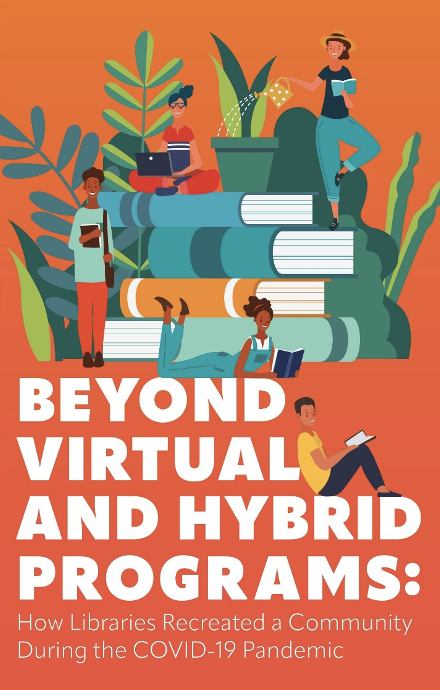
Presenting the e-book “Beyond Virtual and Hybrid Programs: How Libraries Recreated a Community During the COVID-19 Pandemic” by The REFORMA Northeast Chapter Leadership Institute

By Loida Garcia-Febo, CPDWL Advisor, International Library Consultant

The COVID-19 Pandemic ushered in new ways of providing library services. Libraries around the world continue to innovate to serve communities deeply impacted by the pandemic. On this blog post, I am sharing information about a new e-book featuring eleven of these new services hoping it is useful to many libraries worldwide. The e-book was developed by the Northeast Chapter of REFORMA, The National Association to Promote Library and Information Services to Latinos and the Spanish Speaking.

The REFORMA Northeast Chapter Leadership Institute announced the publication of the eBook “Beyond Virtual and Hybrid Programs: How Libraries Recreated a Community During the COVID-19 Pandemic” edited by Adriana Blancarte-Hayward, Manuel Figueroa and Fred Gitner, with original cover art designed by Ariana Rivera Goldberg. The RNE Leadership Institute is Chaired by Mary Marques.

“Librarians around the world were challenged during the hard months of the pandemic on how to provide library services and resources to patrons of all ages. We had to experiment, create, and adapt! We navigated from in-person and face-to-face meetings to the anonymity of the virtual world. We put in practice our creativity and delivered services to our community.”

“Beyond Virtual and Hybrid Programs” includes eleven programs created during the global health emergency of the pandemic:

  • Smoking Ballerinas and Red-Hot Bolsheviks: Making the Artwork of Frances Lichten
  • Accessible Prof Talks
  • YA Comics Chat
  • The Class
  • Virtual Tech Tuesdays
  • Santa Rosa Zine Fest
  • Queens Memory COVID-19 Project
  • Write Now! A Writer’s Collective
  • Library and Student Support Services Virtual Summer Bridge Program
  • We Need to Talk: Conversations About Racism for a More Resilient Las Vegas
  • Senior Art During the Pandemic by Evelyn Ray

This project was developed by the REFORMA Northeast Chapter Leadership Institute with support from the REFORMA National Grant 2022.

To download the free PDF copy of this eBook and to access the webinar recording session of the eBook launch presentation, visit https://tinyurl.com/BeyondVirtualandHybridPrograms.

Thank you on behalf of the REFORMA Northeast Chapter Leadership Institute Team!


REFORMA Northeast Chapter represents the following states: Connecticut, Massachusetts, New Jersey, New York, Pennsylvania, Pennsylvania, and Rhode Island. The chapter advocates for the improvement of library and information services for Spanish speakers and people of Hispanic/Latino origin in the six-state area at the local, regional, and national levels.

REFORMA Established in 1971 as an affiliate of the American Library Association (ALA), REFORMA has actively sought to promote the development of library collections to include Spanish language and Latino oriented materials; the recruitment of more bilingual and bicultural library professionals and support staff; the development of library services and programs that meet the needs of the Latino community; the establishment of a national information and support network among individuals who share our goals; the education of the U.S. Latino population in regards to the availability and types of library services; and lobbying efforts to preserve existing library resources centers serving the interest of Latinos.

International Library Dialogues as an Effective Tool of Professional Development and Exchange

On December 23, 2022, M. Rudomino All Russia State Library for Foreign Literature (LFL) and the Russian Library Association Section on International Cooperation (RLA SIC) held a round table devoted to the world libraries’ collaboration in the framework of the LFL project “International Library Dialogues”. More then 40 library specialists from 20 Russian regions took part in this hybrid event.

IFLA CPDWL SC member (2017-2021) and current Advisory Group member Svetlana GOROKHOVA moderated the meeting and delivered a presentation on the US-Russia Library Dialogue, CPDWL SC member Daria BELIAKOVA presented Rudomino Award for the best international library project and acted as a key discussant. IFLA SET Chair Albyna KRYMSKAYA moderated the hybrid brainstorm of the second part of the meeting.

The meeting was divided into two parts. During the first one the participants analyzed the work of two oldest and most elaborated dialogues – German-Russian Library Dialogue and US-Russia Library Dialogue, trying to single out characteristic features of the dialogue as a specific form of professional communication.

German-Russian Dialogue is primarily devoted to the issues of book collections looted during the World War II and goes back to the 1990-ies. During the years of its existence the Dialogue involved about 500 specialists from Germany and Russian regions, aiming at collecting data on looted collections and generating joint projects allowing to restore their original state in hybrid formats.

US-Russia Dialogue was launched in 2016 and since then developed into a dynamic professional space producing new forms of communication centered around the issues of libraries working with their communities. 5 meetings of the Dialogue took place in the USA, Russia and online, covering such burning issues as libraries supporting their communities during the pandemic and role of the libraries in the achieving the UN sustainable development goals. About 200 specialists from the USA and Russia took part in the work of the Dialogue enhancing competencies related to better understanding of the communities our libraries serve.

The second part was built as a brainstorm of offline and online participants in order to group the characteristic features, suggest ways of further development of the project including new types of dialogues and possible themes for discussion.

Based on the results of the discussion LFL Rudomino Academy and RLA SIC plan to develop a training course for CIS and Russian libraries on how to initiate, launch and realize Library Dialogues in their professional communities.

At the end of the meeting the second round of the Rudomino Award for the best international library project was presented to further stimulate the international activities of the Russian libraries.

Recording in Russian is available here: видеозапись круглого стола.

We would be glad to provide additional information if needed.

Written by Svetlana GOROKHOVA

Singapore Management University Libraries hosts ‘A Day in the Life’ Programme

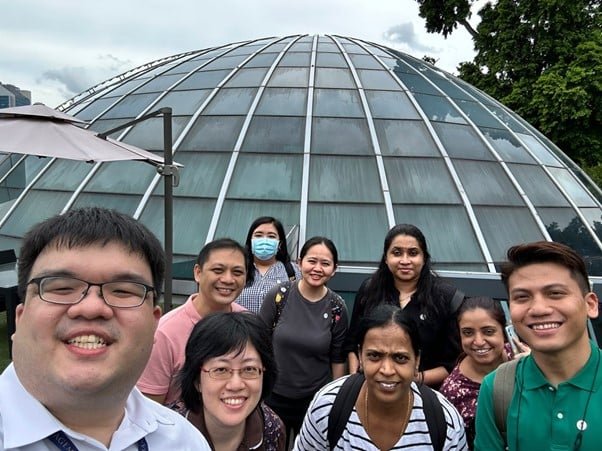
Recently, Bryan Leow, Associate Librarian, Law from Singapore Management University Libraries (“SMU Libraries”) hosted participants in the ‘A Day in the Life’ Programme (“the Programme”) from other Singapore university libraries.

About the ‘A Day in the Life’ Programme

The Programme was developed in 2013 by an executive planning team comprised of representatives from Nanyang Technological University Libraries (“NTU Libraries”), National University of Singapore Libraries (“NUS Libraries”) and Singapore Management University Libraries (“SMU Libraries”). The draft terms of reference also note that the Programme was “a collaborative staff development programme for Singapore Universities library staff which promotes broad understanding of academic library environments, open sharing of good practices, and connecting with colleagues across libraries”.

To this end, the Programme aims to:

  • Provide opportunities for staff to have exposure to the operations and management of other academic libraries in a short, condensed, practical and simple way;
  • Provide networking opportunities for those staff so that they can keep in touch with each other for subsequent follow-up and collaboration; and
  • Provide opportunities for the staff of host organisations in gaining experience and confidence to plan and present about their own library to visitors, i.e., the programme will be delivered (as much as practicable) not by Heads of Departments/Divisions but by the staff working in those units.

The Programme’s intended audience are professional library staff (or equivalent), with a preference for staff with no prior experience working in an academic library; as well as those who have worked in a particular library for a long time and would benefit from being exposed to another academic library.

The Programme takes place twice a year. During each run, three nominated institutions act as ‘host’ institutions. Each host institution puts together their own programme that typically provides and overview of their library, core functions of the library highlighting services and functional departments and provide networking opportunities. Participants get to spend a full day at each host institution (3-day programme) and the Programme is open to one participant per academic institution (maximum of seven participants per run). Each participant is required to prepare a brief reflective report which is submitted to the executive planning team and annually submitted to the University Librarians of participating institutions. Some participants also share their experiences using various platforms such as staff meetings or writing.

Back on Track and in their Own Words

This year, following a hiatus of the Programme during the COVID pandemic, SMU Libraries, together with The Ngee Ann Kongsi Library, Singapore Institute of Technology (SIT Library) and NUS Libraries hosted the Programme in November 2022. As a recent hire, Bryan was nominated as the SMU Libraries participant. He also put together the SMU programme which involved presentations, sharing of best practices, demonstration of tools and applications used for work, tours, and an important Reflection segment at the end of the day, which was facilitated by Rajen Munoo, Head, Learning and Engagement.

Wearing his IFLA, Continuing Professional Development and Workplace Learning (“CPDWL”) Section Member hat, Rajen asked participants to pen their thoughts to the following question: Why is it important to have continuing professional development activities?

Below are some of their thoughts in their own words:

Participant 1: “It is important to stay relevant as the world keeps changing…Important to exchange knowledge, be open to ideas, learn from the others”

Participant 2: “It is important for us to have professional development activities as they give us a chance to learn about what other institutions are working on, how we can collaborate, network and do better. It gives us an opportunity and open our mind and think creatively.”

Participant 3: “The library/academic scene is changing rapidly e.g., moving into electronic resources, more interdisciplinary learning. Development is needed to stay relevant and to keep up to date with the latest changes.”

Participant 4: “Share ideas with others. Share how challenges were resolved. Students and staff need continually changes, and so…library must keep up with the times.”

Participant 5: “No professional is an island. Like, research, the professional work also should be made open to grow and contribute to the society (library) as one.”

Participant 6: “Staying relevant is crucial as technology evolves – information is readily available in just one click. Professional development programmes allow us to connect with other librarians or experts where we can continue to learn.”

Participant 7: “Teaching and learning are always evolving, so is technology continually improving and adapting to the changes and in response to the needs of faculty and students. Hence, the library and librarians must always engage in exploring new avenues of thought, learning from one another so that all SG libraries are not left behind in this digital innovative age.”

Participant 8: “It is as simple as for personal self-development and remain relevant not just for the present state but also future. It allows us to collaborate and share greater knowledge with one another to deliver greater value to our stakeholders. A win win situation.”

Bryan too, noted that, “This Programme was very useful for me to better understand how other university libraries work, and to get a sense of the challenges they also face. I was also glad to get to know more people within the different universities, which would definitely come in handy for future collaborations between university libraries.”

From the reflections above, keywords such as change rapidly, sharing, collaboration, evolving, knowledge, staying relevant, digital innovation, how libraries work, keeping up with the times and more. Participant 5’s comment, is worth re-reading. As new professionals, it is important to start thinking about career paths and planning and having the relevant skills and competencies in hybrid working environments is essential as part of the digital transformation taking place in all libraries.

A Day in the Life Programme is an example of a CPDWL activity that has been a successful collaboration amongst university libraries in Singapore and is a simple model that can be adopted quickly by others.
Written by

  • Bryan Leow, Associate Librarian, Law, SMU Libraries
  • Rajen Munoo, Head Learning and Engagement, SMU Libraries

With inputs from the SMU Libraries programme participants:

  • Ms Jeyalakshmi Sambasivam, Senior Assistant Manager (NTU Libraries);
  • Ms Suhasini d/o Rajendran, Associate Librarian (Singapore University of Social Sciences Library);
  • Ms Stephanie Ow Tsin Li, Librarian (National Institute of Education, Nanyang Technological University (NIE NTU), Singapore;
  • Mr Muhammad Ridzwan bin Hussain, Senior Associate (Singapore University of Technology and Design Library);
  • Mr Allan Mones Quito, Senior Manager, Technology (SIT Library);
  • Ms Wendy Thun, Librarian (NUS Libraries);
  • Ms Poonam Lalwani, Curator (NUS Libraries) and
  • Ms Gladys Toh Mei Jun, Research Assistant (NUS Libraries).