Category Archives: General

EIFL’s CPD Strategy for Public Libraries in Africa: Results and Lessons Learned (Part III) by SUSAN SCHNUER and UGNE LIPEIKAITE

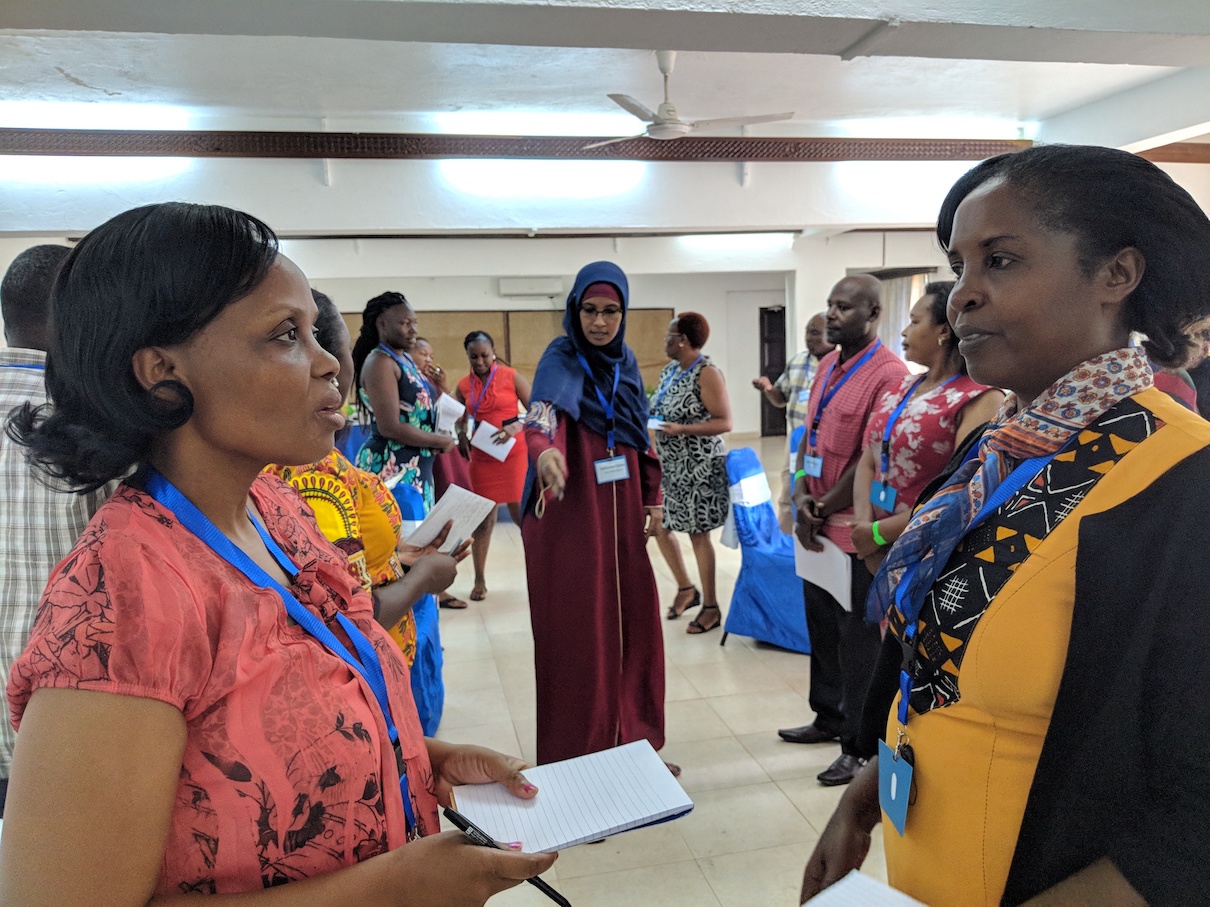
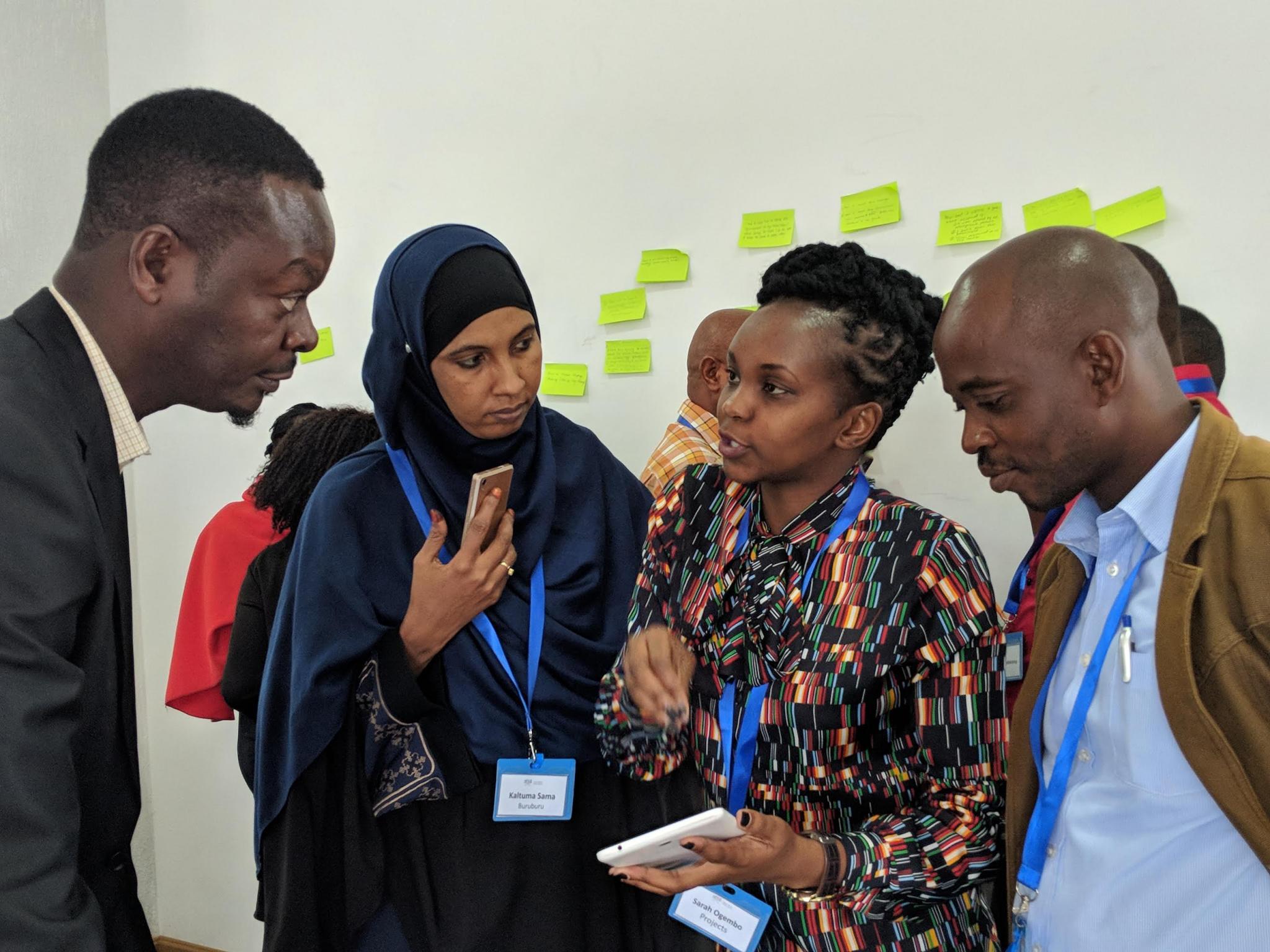
EIFL photo: Kaltuma Sama, Head Librarian at KNLS / BuruBuru Public Library, lead the cascade training on re-designing library spaces in Mombasa, Kenya  (2018)

In 2018-2020, EIFL (Electronic Information for Libraries – www.eifl.net) developed and implemented a new CPD strategy in four African countries. The strategy is sustainable, country-wide, and affordable, using skilled local trainers. In the previous two blog posts we presented the assessment tools and methods, and the activities designed to transform local librarians into skilled trainers. In this post, we will share the results and learnings from the implementation of the CPD programme in Kenya, Namibia, Zambia and Uganda, and will discuss the sustainability of the programme in the context of the COVID-19 pandemic.

All in all, 62 librarians and ICT officers completed the EIFL supported CPD programme in Kenya, Namibia, Uganda and Zambia, and are now being deployed in ongoing staff development for public libraries in their countries. By the end of 2020, the 62 trainers, who had learnt subjects critical to introduction of modern library services as well as generic training and facilitation skills, had cascaded their knowledge to over 1,400 librarians and other information professionals, including public, community, school, government librarians and volunteers, who run community libraries.

The training did not stop even during the pandemic – some trainers in Kenya managed to successfully adapt the training to an online format and continued enabling their peers with new skills. Namibia Library and Archives Service (NLAS) is also building an online training strategy, which includes monthly online training sessions on different topics. To support the network of trainers in all four countries, EIFL initiated virtual T-breaks, regular informal online meetings, which serve as an opportunity to learn new topics, discuss training experiences and share ideas with others.

To assess the impact of the programme, we applied an extensive methodology which consisted of: 1) Pre- and post- skills audits of local trainers to capture the improvement of their skills; 2) Feedback surveys immediately after each training session to evaluate how well the training was received by the participants; 3) Impact survey of the public librarians who participated in cascade training to find out what changes they had made in their libraries after the training.

The impact evaluation found that the CPD programme had positive outcomes for the local trainers. First of all, the programme improved the way the trainers perform their daily duties as library staff. It also made them better leaders and stronger advocates, which led to increased recognition of senior managers. As one of the trainers, Kaltuma Sama from Buruburu Library in Kenya, put it: “Continuous professional development has had such a huge impact on me as a person and also on my career. As a person, I have come out of my shell, I feel more confident than before. My career has also changed for the better, I have realized my potential as a leader too.” For details on the programmes and impact evaluation findings, please read the reports for Kenya and Namibia.
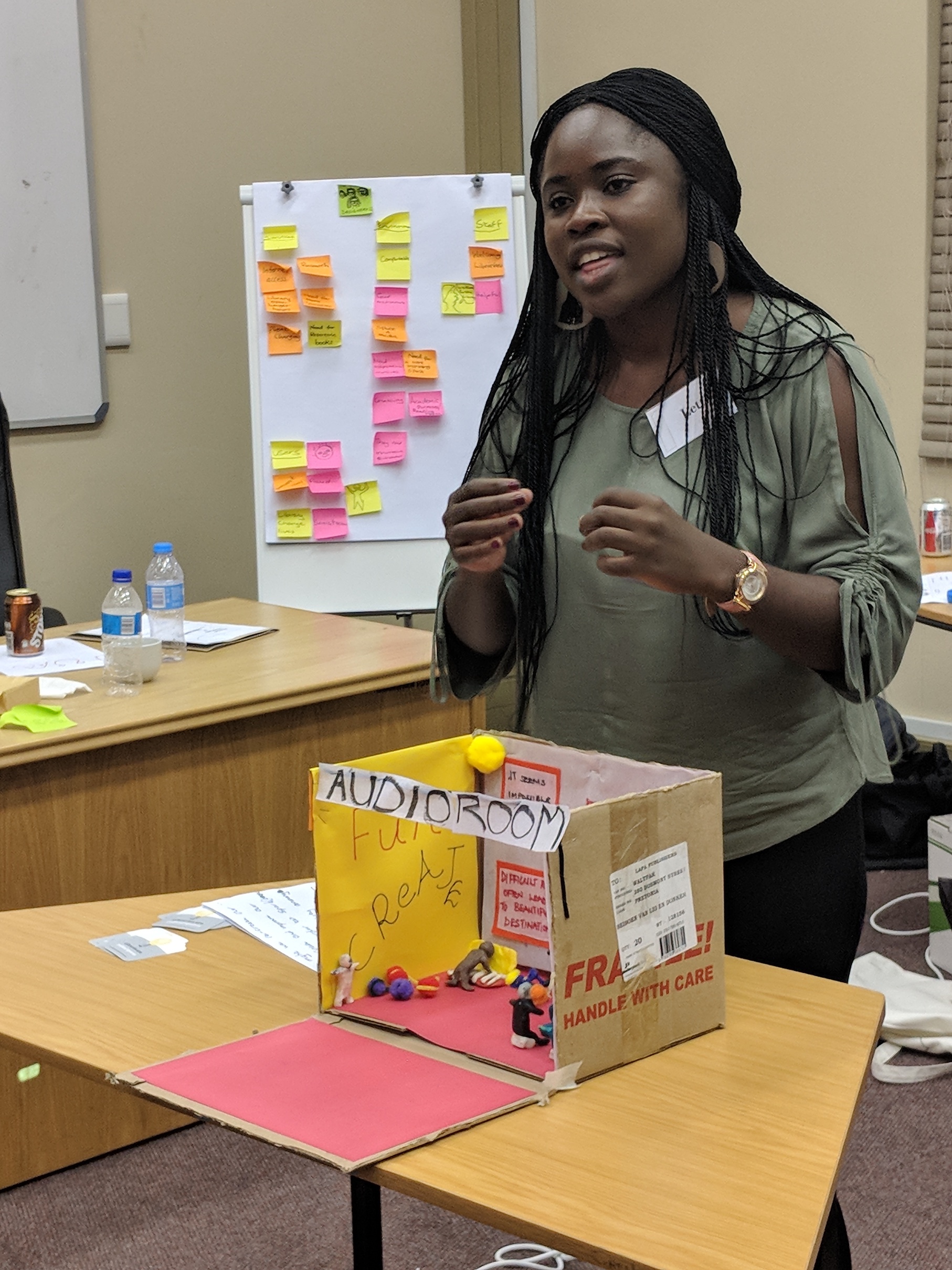
EIFL photo: During hands-on design thinking training Letta Shivute Librarian of Mariental Community and NLAS trainer showcased a prototype for new library service (2019)

However, the most important outcome of the CPD programme was the way in which it benefited librarians who participated in the cascade training conducted by the local trainers. For example, EIFL’s partner, NLAS, conducted an impact survey of all 51 public libraries where staff had participated in cascade training. The survey showed that all participants were very satisfied with the training and almost 90 percent of respondents found training to be very relevant for improvement of service delivery. After participating in the training, many libraries managed to start new services, for example weekly teenage games club (Luderitz Public Library), cooking club (Okahandja Library), creation of user interaction platform on WhatsApp (Otjomuise Public library), organizing training for street children (Omaheke Regional Library) and others.

The impact survey in Kenya revealed very similar results and showed that the cascade training had opened the eyes and shifted the mindsets of librarians, who became more proactive in seeking solutions to their libraries’ challenges, rather than waiting for solutions to be found by library authorities. Many libraries in Kenya also introduced changes or new services in their libraries, for example coding for children (Muranga Library), redesigned the junior section with input from the children on painting, murals, and quotes for the walls (Karatina Library), smart farming (Meru Library), lending mobile devices with educational material to children (Kibera Library), digital wellness for youth (Thika Library) and many others.

Reflecting on this CPD approach in general, EIFL and partners concluded that it is a sustainable and cost-effective way to strengthen CPD of public librarians in countries with fewer resources. This model can be replicated in other countries that have strong national institutions responsible for public library development, and in bigger public library systems that have several hundred staff. Our experience has also taught us that partners engaged in CPD initiatives need to have a shared vision for public libraries, and that the trainers need to buy into that vision with enthusiasm and pride. Finally, we learned that when an international organization (like EIFL) engages with an in-country partner (for example, NLAS), the more control the national partner and local librarians have over the project, the better the results. In fact, even before the project in each country ended, we knew that we were no longer needed. We could move on to future projects with smiles on our faces.

To find out about other activities of EIFL’s Public Library Innovation Programme, please visit: www.eifl.net/plip


***

Authors:
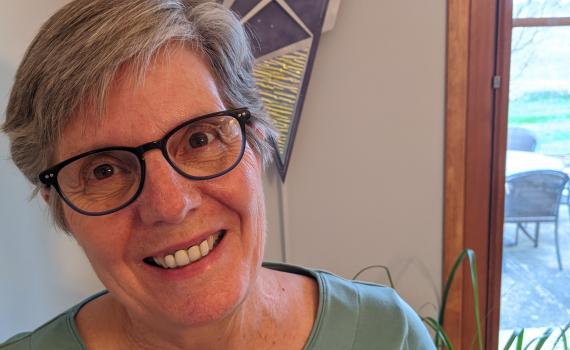
SUSAN SCHNUER, EIFL’s Public Library Innovation Programme, Capacity Building Manager

For over 27 years Susan Schnuer has trained librarians, in developing and transition economy countries, to be agents of change in their communities. Her passion is to identify and coach talented librarians, helping them to explore their potential as leaders and trainers in their communities. Her philosophy is to ‘tread lightly’ by co-developing training programmes that are tailored to meet the unique needs of librarians in different countries or regions.
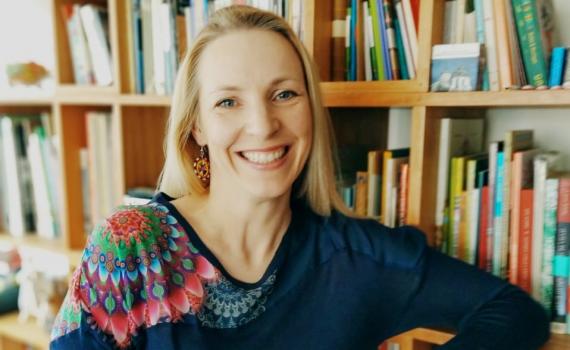
UGNE LIPEIKAITE, EIFL’s Public Library Innovation Programme, Impact Manager

Ugne Lipeikaite’s expertise in developing impact evaluation methodologies and tools for measuring the outcomes of public library services has grown over a period of 15 years. Ugne has contributed to the design and implementation of major international research projects to measure the impact of public internet access in libraries and the role of libraries in providing connectivity and digital skills in communities. Ugne has developed training courses and trained public and community librarians in several countries in Africa on how to assess the needs of communities and the impact of library services.
 

EIFL’s CPD Strategy for Public Libraries in Africa: Public Librarians Becoming Skilled Trainers (Part II) by SUSAN SCHNUER and UGNE LIPEIKAITE

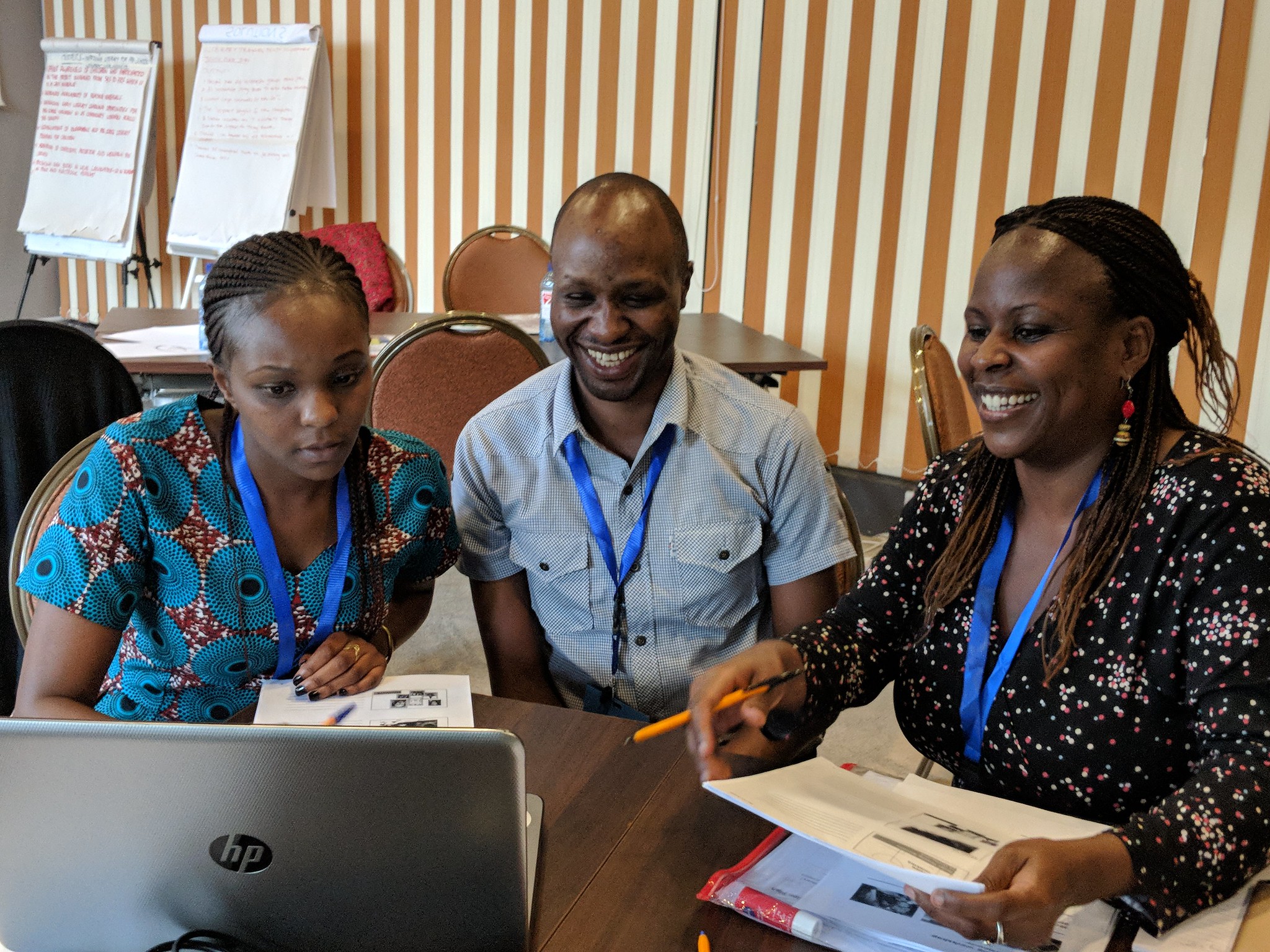
EIFL photo: A moment from the Performance and Outcome Evaluation training workshop in Kenya (2018)


In 2018-2020, EIFL (Electronic Information for Libraries – www.eifl.net) developed and implemented in four African countries a new continuous professional development (CPD) strategy that is sustainable, country-wide, and affordable with the use of skilled local trainers. In a previous blog post, we discussed the importance of assessment of training needs to this strategy. In this post, EIFL details the programme that helped develop the training skills of the local librarians.

The question on the mind of the EIFL’s Public Library Innovation Programme (EIFL-PLIP) team before starting the pilot programme in Kenya was: how do we work with public librarians to develop their skills as trainers so they can help their colleagues develop innovative library services for their communities? The team extensively discussed the building blocks of running the new project in partnership with Kenya National Library Service (KNLS). While some of the elements were obvious, it took careful deliberation and discussion to identify other important components.

EIFL photo: Trainees at the EIFL and KNLS mobile information literacy workshop in Kenya (2018)

Identifying relevant content was easy to do with the help of the KNLS team, and through in-depth needs assessment. Our focus was on introducing practical skills and knowledge that librarians could then easily use in their library. While some of the content was developed by the EIFL team, to save time and resources we invited several trusted international partners to join the project and bring in relevant material that they had created for other countries. While we included a train-the-trainer (ToT) component, we also covered a number of subject modules core to development of library services such as mobile information literacy, leadership, library spaces, design thinking, project management, performance and outcome evaluation, and communication and advocacy. The training took place over 18 months, with different modules offered every 2 – 3 month. Between modules, trainees prepared and facilitated workshops, cascading their subject knowledge to other librarians.

Less obvious to the project partners was how to handle the librarians’ concerns, and perhaps, lack-of-confidence in their training skills. We did a lot of brainstorming and experimenting to get this aspect tackled. We knew that practicing their training skills, and peer support were critical. So we formed training teams for each subject module. Each team comprised up to four trainers who would together prepare and conduct cascade training, and support each other. We also piloted individual coaching sessions. The coaching turned out to be incredibly successful and important to the librarians on the path of becoming trainers. They wanted to talk, in a safe environment, about their new roles and concerns. Coaching then became part of CPD projects in Namibia, Zambia, and Uganda.

We also wanted a safety net for all the training teams. KNLS and EIFL project coordinators attended all first cascade training sessions, mainly in a mentoring role.  We had a very important rule about our participation: the KNLS and EIFL staff would only intervene if they were invited in by the training team. Our role was to support and assist when needed, and keep quiet the rest of the time (which was most of the time). We also did a debrief after each training with each team, and individually with each trainer. We asked two questions: What went well and why?  What would you change if you ran this training tomorrow?

The combination of quality training sessions, coupled with coaching and mentoring, was extremely effective (read Blog 3 for more details about the results).  Richard Atuti, the (now former) Director of KNLS, paid tribute to the programme: “The continuous professional development/training of trainers programme has introduced a unique perspective for improving knowledge and skills of library staff. Developing a pool of internal trainers in critical areas of library operations enabled KNLS to conduct regular training at different levels. This partnership transformed our human resources and the quality of service delivery.”

Our experience showed that equipped with relevant skills and supported through mentoring and coaching of professionals, local librarians can become effective trainers for their peers. With lessons learned from Kenya (see the project impact report), EIFL applied the same CPD/ToT strategy in Namibia, and a modified CPD/ToT strategy, taking into account contextual differences, in Zambia and Uganda.

Watch for our next blog, which will look into the results and lessons learned!

To find out more about EIFL’s public librarians’ capacity building initiative in Africa, please visit: https://www.eifl.net/eifl-in-action/capacity-building-public-librarians-africa


Authors:

SUSAN SCHNUER, EIFL’s Public Library Innovation Programme, Capacity Building Manager

For over 27 years Susan Schnuer has trained librarians, in developing and transition economy countries, to be agents of change in their communities. Her passion is to identify and coach talented librarians, helping them to explore their potential as leaders and trainers in their communities. Her philosophy is to ‘tread lightly’ by co-developing training programmes that are tailored to meet the unique needs of librarians in different countries or regions.

UGNE LIPEIKAITE, EIFL’s Public Library Innovation Programme, Impact Manager

Ugne Lipeikaite’s expertise in developing impact evaluation methodologies and tools for measuring the outcomes of public library services has grown over a period of 15 years. Ugne has contributed to the design and implementation of major international research projects to measure the impact of public internet access in libraries and the role of libraries in providing connectivity and digital skills in communities. Ugne has developed training courses and trained public and community librarians in several countries in Africa on how to assess the needs of communities and the impact of library services.
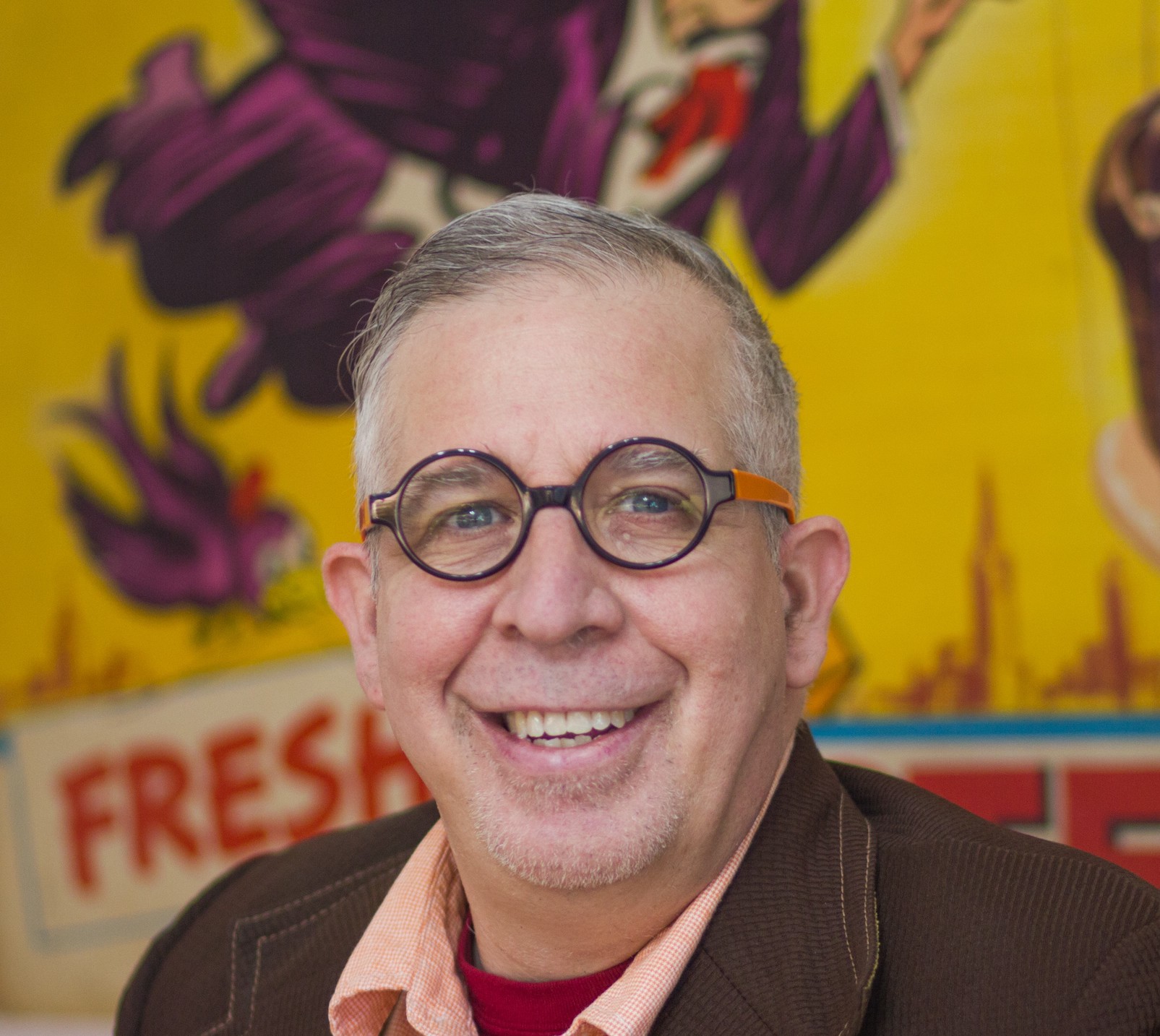
An Interview with Greg Peverill-Conti, Co-Founder of the Library Land Project

Looking for an inspiring library project? Have you heard of Library Land Project before?
I haven’t until I stumbled upon this article about it. I reached out to Greg Peverill-Conti, Co-Founder of the Library Land Project to tell us a bit more about it! In this conversation, we discuss the project and its purpose.
Ray: Thanks for speaking with me! Please briefly tell us what the Library Land Project is and what inspired you to create such a fascinating project?

Greg: The Library Land Project is a 501(c)(3) whose mission is to explore, document, and promote public libraries. It started, really, as a lark. In the fall of 2017, my friend and business partner Adam Zand and I started a PR agency, SharpOrange, and needed a place to work. Rather than renting an office, going to a coffee shop, or using WeWorks, we decided to meet at the Newton Free Library outside of Boston. It was terrific. Plenty of parking, fast wifi, nice study rooms – we loved it. We loved working in libraries  so much that we decided to do it again – but at another library.

That led to another and another and another.

After five or six, we started noticing little differences: this one had more parking, this one had a really nice reading room, this one was super friendly and we began keeping informal scores and notes. After a dozen or so, we decided to try to visit all of the libraries in Massachusetts. After a few dozen, we realized that libraries were doing amazing things in their communities and that most people didn’t appreciate the essential work being done by public libraries. By the end of 2018, we had visited 100 libraries around Massachusetts. It was fantastic.

Because we’re PR guys, we decided we could help tell their stories – but initially we weren’t sure what that meant or would look like. We kept visiting libraries. We came up with a more formal rating system, we took photos, made notes, and began spending more time talking with library workers.

One of the directors we met with – Jennifer Harris (now retired) of the Plymouth Public Library – suggested we attend Library Legislative Day at the State House in Boston. We decided to use that day to launch the Library Land Project with a website. It was a great opportunity to meet folks from around the state and to start to understand the infrastructure and organizations that support libraries.

We also began talking with the media. The hook was two quirky guys traveling around the state looking at libraries. The story we told was about libraries and the work they were doing – and things snowballed from there. Over the course of 2019, we went to more than 200 libraries and started speaking about what we were seeing and learning.

As 2020 started, life was good. We drove out to Bloomington, Indiana to speak at a staff training day. We had plans to speak in Missouri. I was working as a part-time substitute librarian at the Dover Town Library, and was hoping to start working on my MLIS degree. When COVID happened, all that changed. Library visits were on hold, Dover closed, I didn’t get into grad school. Blah.

We decided to use the time to convert Library Land into a nonprofit, which was a way easier process than we’d expected. I also rethought my plans for grad school (I’m now one semester away from graduating from the University of Alabama – which I have absolutely loved). We moved forward and life goes on in wonderful ways.

That was a really long answer. The bottom line was that when we needed libraries, they were there for us. Now, we want to be there for them, to help tell their stories and to reframe the ways people think about them.

Ray: Very neat! The site is full of wonderful information from stories to rankings! What do you encourage viewers to explore first?

Greg: People should read the stories first and foremost. Or the reviews. The stories are recaps of our visits and the reviews are deeper dives into specific libraries. We love libraries and really hope that comes through in what we share. We started doing in-person visits again in May and the pace is quickening. The creativity, resilience, and commitment to community we’ve been seeing during our recent travels have been amazing and we’re happy to be sharing them.

Ray: The ranking system is very interesting – how did you decide on these factors?

Greg: Ah, the rankings. Sometimes we wish we’d never created them! We’ve fielded some complaints about them, but at the same time, we’ve heard from a lot of libraries saying how they’ve used them to make the case for more resources. They’re something we spend a lot of time thinking about.

The original criteria  reflected the things that mattered to us for our visits – parking, wifi, study rooms, etc. We tuned around the edges here and there – parking, for example, became transportation. We began talking to more people in the library community to get ideas and feedback. We have expanded the criteria to include things like accessibility, programming, and services. We’ve tried to make it more objective so other people can use it to rate their libraries.

That work continues and we’ve started leaning toward a pretty major change. We’re thinking about publishing a framework for thinking about libraries from the patron perspective – but without a reliance on the rankings. We think it’s important to think about libraries critically but without the stark judgement of a number. We think that could be a good compromise and could provide a way to get other people involved. We are always open to suggestions though!

Ray: Any plans to include libraries outside of the United States in the future?

Greg: There are 16-17,000 public libraries in the United States and around 250,000 around the world. We started way too late to try to visit them all. That’s why we’ve thought about ways to open-source Library Land. We think the framework will help other people participate – and that includes beyond the U.S. for sure. We’d love Library Land to be a clearing house for stories about public libraries and the work they’re doing here and around the world.

Ray: Anything else you’d like to talk about that we didn’t get to discuss?

Greg: Public libraries need to find more effective ways to tell their stories. So many are doing such amazing and impactful things, but too many people still think of them as buildings filled with books staffed by “Marion the Librarian. Now, more than ever, libraries are making critical contributions to their communities. That point gets lost or ignored way too often. Be proud of the work – and the commitment behind that work – and don’t be afraid to talk about it loudly and often!

***

Greg Peverill-Conti is the Executive Director and Co-Founder of the Library Land Project. Since 2018, Greg has visited more than 300 libraries around the U.S., with many more to come. He is also a principal at SharpOrange, a communications consultancy. Greg has been helping organizations tell their stories since 1992. He has his B.S. in American Culture and Communication from Emerson College in Boston and is currently working on his MLIS at the University of Alabama. Greg lives in Medway, Massachusetts.

EIFL’s CPD Strategy for Public Libraries in Africa: Based on Assessment (Part I) by SUSAN SCHNUER and UGNE LIPEIKAITE

EIFL photo: EIFL and National Library Authorities of Ghana, Kenya, and Uganda meeting to review continuous professional development of public librarians (2016)

From 2014 to 2017 EIFL (Electronic Information for Libraries – www.eifl.net) implemented extensive capacity building programmes in Kenya, Ghana and Uganda, aimed at development of technology-based library services in public libraries that had computers and internet access for public use. While working with local library authorities and training librarians, we observed that library systems, mainly for financial reasons, struggle to offer continued professional development (CPD) to assist librarians in providing modern and technology-oriented services to their communities. This lack of professional development support led EIFL to engage in the development of a new CPD strategy that is sustainable, country-wide, and affordable, by using skilled local trainers. From 2018 to 2020 we tested this strategy through capacity building initiatives in Kenya, Namibia, Zambia and Uganda and in a series of three blogs, EIFL will share key attributes and outcomes of this CPD approach.

In our experience, the key to the strategy, and to the success of CPD programmes based on this strategy, is assessment at the outset, of existing CPD systems, and of training needs of both libraries and librarians. To transform existing CDP practices into sustainable systems, with training provided by local trainers, EIFL worked with national library authorities. We started by meeting potential partners – Kenya National Library Services (KNLS), National Library of Uganda (NLU) and Ghana Library Authority (GhLA) – to review the CPD situation and particular needs in each country and to discuss next steps. At that moment KNLS was the most ready to take a commitment for a multi-year effort, so we started by planning a more specific intervention within the KNLS network. This was done collaboratively during a three-day meeting between the EIFL Public Library Innovation Programme (EIFL-PLIP) team and representatives of different departments of KNLS. Together, we came up with a vision of a CPD system for public libraries in Kenya as well as initial criteria for selection of librarians to become trainers.

The next step was a skills audit of librarians who were selected to become trainers. We examined candidates’ skills and confidence in 4 key areas, that were foreseen to become the backbone of the training of trainers (ToT) programme: 1) Training Abilities (principles of adult training, building training programmes and materials, running training events, evaluating training results); 2) Technology (using Microsoft office applications, internet searching, open and subscribed e-resources and strategies of digital skills training to community); 3) Development of New Library Services (community needs assessment, project management, fundraising and stakeholder management, monitoring and evaluation); 4) Communications and Advocacy (building messages, developing advocacy plans, conducting effective presentations, working with media). The information on competences of trainers was collected via a Google-based online survey and was used to shape the  ToT programme as well as to assess the effectiveness of the programme, as we compared their skills before and after the training. Quantitative data was complemented by personal interviews with the trainers-to-be, where we talked to them about their background education, training experience, subject skills and professional interests and, finally, their personal traits and motivation to become trainers.

Lastly, and maybe most importantly, we wanted to find a way to assess the needs of public libraries for professional development and service provision. Through in-depth discussions with staff from different KNLS departments, the KNLS and EIFL-PLIP team identified gaps and challenges of existing training needs assessment practices, which comprised a bi-annual Training Needs Assessment survey through which librarians would indicate what they would like to learn. The weakness of this approach was that it generated information about librarians’ personal needs and interests, which were not necessarily aligned with the organizational goals of KNLS or the service improvement needs of a particular library. Also it was not always possible to respond to the training needs expressed by librarians, as most CPD happened through external opportunities offered by development organizations, which – though welcome – were not necessarily related to librarians’ needs.

To address this gap, EIFL-PLIP and KNLS co-developed a Capacity Building Framework, a self-assessment tool to be filled in by the heads of libraries in the KNLS network. The Framework looks at 7 areas of library operations, identified by KNLS as the key, such as Community Needs Assessment, ICT, Customer Service, Services and Programs, Collections, Library Facilities and Assets and Library Management. It enables the heads of libraries to assess their library in relation to an ‘ideal library’ situation through a system of indicators and evidence, used to assign a library to a Group A, B or C, where A meant good, B – medium and C – not very good. The application of the Framework includes three steps:

  • The head of each KNLS branch library assesses the present situation / operations of the library and submits the information to KNLS headquarters.
  • KNLS Staff Training and Advisory Committee (STAC) reviews and analyses the assessments provided by heads of libraries, to understand what capacity building is required in relation to library service development targets, and to set staff capacity building priorities for each library.
  • KNLS STAC builds a plan for staff capacity building, and implements the plan, drawing on internal resources and external opportunities.

This Framework was piloted in 17 libraries and later applied to 45 KNLS branch libraries and provided valuable and deep insights on the current state of library operations and needs for capacity building. However, the complexity of the tool showed that it requires a significant amount of effort to apply and skills to analyze the data, so for the post training evaluation instead of open questions, we developed a more structured questionnaire with Likert scale response options for most of the questions.

To summarize our learnings from this process, we can say a comprehensive pre-assessment strategy is essential for the success and sustainability of CPD programmes. This strategy must consider capacity building at both the library level, where the need for service improvement should be evaluated, and at the individual level of trainers and local librarians, which leads to tailored training content adapted to the local context.

Watch out for our next blog, which will look at how we helped public librarians to become skilled Trainers!

To find out about other activities of EIFL’s Public Library Innovation Programme, please visit: www.eifl.net/plip

Authors:

SUSAN SCHNUER, EIFL’s Public Library Innovation Programme, Capacity Building Manager

For over 27 years Susan Schnuer has trained librarians, in developing and transition economy countries, to be agents of change in their communities. Her passion is to identify and coach talented librarians, helping them to explore their potential as leaders and trainers in their communities. Her philosophy is to ‘tread lightly’ by co-developing training programmes that are tailored to meet the unique needs of librarians in different countries or regions.

UGNE LIPEIKAITE, EIFL’s Public Library Innovation Programme, Impact Manager

Ugne Lipeikaite’s expertise in developing impact evaluation methodologies and tools for measuring the outcomes of public library services has grown over a period of 15 years. Ugne has contributed to the design and implementation of major international research projects to measure the impact of public internet access in libraries and the role of libraries in providing connectivity and digital skills in communities. Ugne has developed training courses and trained public and community librarians in several countries in Africa on how to assess the needs of communities and the impact of library services.
CPDWL and M&M Online Coaching during WLIC 2021

Need assistance in achieving your goals or expand your professional development or career? Would you like to tackle challenging situations? Have you ever tried the business method of coaching?

The IFLA Coaching Initiative, founded by IFLA’s Continuing Professional Development and Workplace Learning (CPDWL) and Management & Marketing (M&M) Sections, invites colleagues registered for WLIC 2021 without any additional costs to take part in an online coaching session.

Coaching is currently available in the following languages: Bosnian, Cantonese/Mandarin, Croatian, Dutch, English, German, Hindi, Italian, Portuguese, Punjabi, Russian, Serbian, Spanish and Swedish.

To prepare for the session as a coachee please visit the Coachee Information and Preparation page: https://lnkd.in/dup8pMn

Book with an individual coach in your time zone at https://lnkd.in/d5YnCyi .

Available Dates: August 9 – 13 & 23 – 27, 2021

For further information please contact [email protected]


Professional Development and Learning: An Interview with Christine Bolivar, Project Coordinator for the Developing Leaders in California Libraries (USA)

In this interview, I speak with Christine Bolivar on professional development opportunities and learning approaches. Christine Bolivar is the Project Coordinator for the Developing Leaders in California Libraries in the United States. Beyond project management, she has experience in libraries and information organizations including public libraries, academic libraries, museums and art galleries. Christine is a true believer in lifelong learning and collaboration. Currently, Christine serves on the California Library Association’s Equity, Diversity and Inclusion (EDI) Interest Group and the American Library Association’s EDI Assembly.

Ray: Thank you for taking the time to chat with us! Can you briefly tell us about your work and interest in supporting professional development?

Christine: Currently, I am the Project Coordinator for the California Library Association’s Developing Leaders in California Libraries (DLCL) project (a LSTA funded project administered by the California State Librarian). The project is broken into three parts. The first, offers cohort members a variety of training workshops in leadership skills to help them discover, develop and refine their strengths in these areas. It also provides a network building platform for cohort members. The second is called the Leadership Challenge, in which participants work in groups to research challenges in the library profession and present solutions. And the third is a series of conversations with library leaders about their journey from their early careers to where they are now, called My Leadership Journey (which recordings can be found on our website, https://claleadership.org/.)

Through the DLCL project, I get to connect with a lot of smart, talented, creative library professionals and connect them with resources and training opportunities to support their professional growth. So not only do their supervisors believe in them, we do too.

I’m a true believer in professional development just as I believe in supporting life long learners. Professional development allows staff (at all levels) to get more involved, it creates opportunities for engagement and it shows that your organization is invested in it’s team, the community/communities it serves and your profession.

Ray: What do you think are the challenges in engaging library staff in professional development activities?

Christine: Oh yes, challenges, the top item that comes to mind is work culture. It’s hard to get staff interested in professional development if you never asked or required them to participate in the past. Or if they have never experienced this type of work culture. Sometimes it’s hard to get staff on board if your leaders are not demonstrating the value and need of professional development themselves.

Ray: What are some trends or areas in LIS field do you see from your experiences coordinating professional development?

Christine: I think that really depends on who you are finding the training opportunities for and your organization’s vision. Right now, it’s really not the topics but more of the delivery of the topics. I’m also seeing a shift in who is being invited to participate in professional development activities. I think that there are a lot of efforts to opening professional development opportunities to non-degree holding LIS staff. Which is great for many reasons.

Ray: What resources or opportunities would you like to share to highlight the professional development activities for the LIS community?

Christine: There are a lot of LIS and non-profit associations out there that offer professional development opportunities including IFLA, the American Library Association and Webjunction. The pandemic has also pushed for many trainings to be delivered virtually which has created a little more accessibility. Here in California, US we have a number of grant supported opportunities that are free to our participants including California Libraries Learn and Developing Leaders in California Libraries. I would say that many associations host social media feeds where they publish articles and recordings for FREE.

But I would also like to emphasize the need to put the learning into practice. So really it is important that individuals get the opportunity to share, showcase and put into practice what they are learning. Ultimately that portion can be another learning opportunity in itself.

Ray: Anything else you’d like to share that we didn’t get to talk about?

Christine: I’m a huge fan of teamwork and collaboration. I really enjoy it when I see people reach out to others to work together and collaborate on projects and presentations. I think we are learning on how to do that more. Our current use of technology has really pushed for more platforms for collaboration. This gives more people the opportunity to participate and bring their voices to the table.

Besides that, thank you Ray for inviting me, I know you have contributed a lot to the LIS profession and it’s been an absolute pleasure to know you. Maybe someday we will work on something together in the future.

Revisiting Online Conferences and Learning, and Internet Librarian at 25: An Interview with Jane Dysart (Part II)

Photo: Jane Dysart

Reflecting on how online learning and professional development learning has been transformed over the year by COVID and by other factors, this conversation brings back Jane Dysart, Program Director of Internet Librarian 2021. Jane is a member of IFLA’s Knowledge Management Standing Committee and a past member of Continuing Professional Development Committee and Workplace Learning Standing Committee. Missed the first part of the conversation? See here!

Ray: Thank you for taking the time to speak with me! It’s been almost 11 months since we last chatted about online conferences, the impact of COVID-19 and your thoughts in shifting into digital learning. What lessons or insights can you share with us about your thoughts with professional development learning?

Jane: Charlene Li, https://www.charleneli.com/, author, consultant, digital transformation & disruptive leadership expert, said last year when speaking at the first virtual KMWorld event, that in times of crisis innovation soars.  I truly believe that as we are seeing more user friendly, and easy to use, collaborative platforms and learning environments. Our skills are increasing as we use a wider variety of new and exciting tools.  For example, the subject-oriented standing committees of IFLA are now doing many targeted virtual events that are reaching a global audience.  Awesome!! The growth in interactive learning environments has not only opened up the playing field for those seeking professional development, but also to those who have wonderful expertise to share that we would not otherwise experience in our local venues.

I think we will continue to see these types of virtual events as well as in-person events.  I’m not sure about hybrid events that offer both in-person and virtual participation in a big way, but as I said, innovation is the name of the game these days and we will see more in the future for professional development and learning environments, especially in the area of extended reality development meeting tools – augmented and virtual reality being the foremost ones.  If you want more about that, talk to Chad Mairn, Librarian, Innovation Lab Manager, St. Petersburg College, he’s a popular Computers in Libraries and Internet Librarian instructor who leads some sessions in VR, and some do not require the wearing of goggles!


Ray: The Internet Librarian 2021 is celebrating its 25th anniversary! It is held in-person on Oct 25-28, 2021 in Monterey CA, USA. What are some of your favorite memories that you’d like to share?

Jane: Wow, there are so many wonderful past experiences from Internet Librarian, most of which were held in Monterey but there were a couple in other cities.  I remember first meeting Jenny Levine in our Palm Springs venue, the retail shopping at close by retail outlets in San Diego, the fabulous auditorium in Pasadena that is often used for Hollywood events.  I certainly remember so many of our excellent speakers/practitioners who share their experiences so we can all learn, but there are few keynotes who stand out to me – Vint Cerf, author J. A. Jance, Nina Simon, Howard Rheingold, Roy Tennant vs Rich Wiggins on the Next Big Library, entrepreneurial women software innovators, students from Monterey area schools, Lee Raine, Danny Sullivan, and so many more!!

Many of my favorite memories revolve around people and the fun interactions: our evening fun/learning events that have included skits, wrestling matches, music, debates, games as well as an earthquake which California resident Cindy Hill immediately pointed out was happening as the chandeliers were shaking; our extra-curricular activities like Karaoke, Whale Watching, guided walking tours, butterfly sanctuary in Pacific Grove, the lone pine we use in many of pics, in-town farmers market, Portola Plaza concerts and art sales, Fisherman’s Wharf and all it’s great restaurants; and of course, our fabulous audience representing all types of libraries and organizations.  And then there are all the fog incidents causing travel havoc in many ways including several workshop leaders to participate from the Denver and other airports; the seals barking or climbing on boats in the bay; the Hallowe’en pumpkin contest at the Portola.  As I say, just so many wonderful members over the last 25 years of the internet (so new when we began!) and Internet Librarian. You really stimulated me with this question and I’ve now tweeted and put on Internet Librarian’s Facebook page that we’d like more people’s memories of Internet Librarian shared and perhaps even highlighted in a 25th anniversary and pandemic breakout party at our event in October!  Stay tuned for more details!

Ray: Any sessions in the upcoming conference you’d like to highlight? 

Absolutely! Our theme, Call To Action: Innovation In Library Technology & Communities has sparked many interesting and diverse speakers for Internet Librarian 2021.  Our program has just gone live online, http://internet-librarian.infotoday.com/2021/Agenda.aspx, with key themes around search and discovery, digital presence, community engagement (especially during and after COVID-19), insights and practices in data, content management and open access, management, technology updates (especially the latest in Makerspaces, Innovation Labs, XR, AI, Robotics as well as library and meeting platforms), innovative practices and the future for libraries!

We start with pre-conference workshops on a range of topics, http://internet-librarian.infotoday.com/2021/Program.aspx. Our keynote speakers include: the former Smithsonian and U.N. tech visionary Michael Edson, a popular and thought provoking speakers representing the entire GLAM community; author Alex Deschamps-Sonsino, on ideas from her new book, Creating a Culture of Innovation; and long-time knowledge management guru Jean-Claude Monney who sparked so much interest a few years ago when he talked to internet librarians about Skype applications (like auto translation) when they were purchased by Microsoft where he worked at the time; as well as our traditional closing panel of librarians on challenges and opportunities for 2022+!  Returning favorites: Games & Gadgets featuring a VR meeting experience and lots of new tech entrepreneurs, Showcase Networking Reception, Evening learning event populated by information/library community students in “Wheel of Library Vision: Listening to Different Voices”.  New networking feature: early bird chat arounds over breakfast before the morning keynote, some great topics!

Ray: Finally, we discussed what trends you were seeing for the international library community — are these trends that you described still valid and/or are there other emerging ones? 

Well, I mentioned earlier about IFLA units doing more global online events making our library and information world much more connected throughout the year and I do think this is a terrific new trend that will continue and hopefully we will also do more cross-fertilization with other types of organizations who could become partners in the journey to fulfilling the world’s critical challenges and the United Nations Sustainable Development Goals (SDGs).  We need to build more partnerships with organizations who can help us in our communities in many different ways. For instance, with emerging new collaborative technologies like the SLA Canada chapter who is doing a free workshop on “Standing Tall: Articulating Our Value” on a new meeting platform, Airmeet. Or, with broadband providers who can help our goal of bridging the digital divide. Or with other health-related or social groups who can support our outreach to our community.

Last time you asked me about trends  I said, “I really believe we need to reset, not look for a new normal or try to fit the old ways into the new environment, but really rethink what we want to accomplish in our communities.” I believe our community has definitely been innovative and creative (and have been recognized for doing so in lots of press), and will continue to do so in the coming future – we still have many challenges in our world! I also said, “We definitely need to build up our digital collections in libraries with many different learning and discovery avenues, such as couch safaris to different places, zoos, museums, art galleries, aquariums, etc; virtual bird watching expeditions using webcams all over the world; as well as open access to our research and scientific resources and lots more.  I think we need to build more relationships with our communities (academic campuses, municipalities, enterprises, schools), bridging many of these communities in our geographic locations.  We also need to look for strong partners as IFLA always says – stronger together.  We need support from many new and diverse partners.” I do think libraries have definitely strengthened their digital collections and services, and they will only get stronger in the future since we’ve engaged new muscles in this area. Keep flexing them! I still think we need to do more to build more relationships and partnerships.  Our work is never done!

Thanks for asking me these questions, they never fail to energize me and spark new ideas!

***

JANE DYSART, Founding Partner of Dysart & Jones and Curator of Curiosity, She specializes in designing learning and leadership events and customized conference planning. Jane has brought together experts and facilitators, keynote speakers and presenters for more than 100 successful events in Canada, the US and the UK.