Category Archives: General

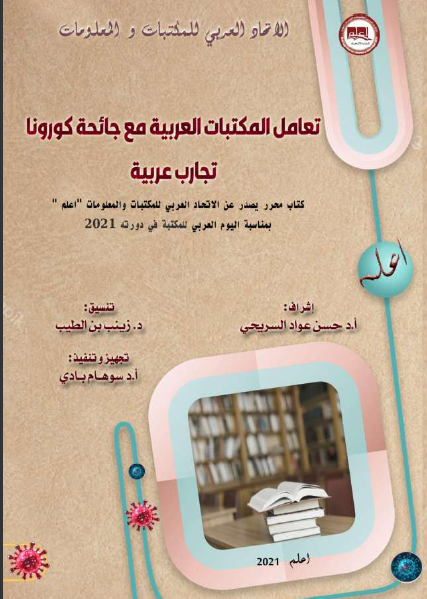
AFLI – IFLA CPDWL “Innovation course grant”

Innovations are critical for public libraries. Many libraries have developed and implemented innovative programs and projects that demonstrate their enthusiasm for the ever-changing services they provide to meet the demands of today’s world. This was especially obvious during the COVID-19 pandemic.

This e-training program will be conducted in partnership between Arab Federation for Libraries and Information (AFLI) & IFLA Continuing Professional Development and workplace learning Section (CPDWL),

Course objectives:

  1. Develop outstanding future innovative librarians in public libraries worldwide, which will effect in improving the standard and services of public libraries.
  2. Connecting librarians worldwide through e-training courses.

Program Description:

Module 1: Getting Started:

This module includes four topics that will help participants to become familiar with navigating in Moodle and using Moodle tools and resources.

Module 2: Innovation

This module includes eight topics that will help participants mastering innovation and implementing innovative ideas in their public libraries.

Through the program, the participants will work in teams – through the online learning environment – to produce a new innovative service /program and implement it in their public libraries.

Eligibility Criteria

The selection of participants is determined according to the following criteria:

  1. The applicant must be a member of his/her national library association, IFLA or AFLI.
  2. Priority is given to applicants from qualifying developing countries (see list of Qualifying Countries: World Bank)
  3. The applicant must be under 40 years old.
  4. Those who enrolled in INELI and regional INELI networks programs are not eligible to apply.
  5. Applicants should work in a public library and have at least 5 years of experience working within public libraries. Receiving training in the program is linked to the participant’s continuing work in the public libraries.
  6. The applicant should have the technical abilities to participate in an online course: computer skills & high-speed internet connection are both required.
  7. The applicant must have the ability to allocate additional time outside normal working hours to fully participate in the activities of the training program.
  8. The applicant should have the ability to present innovative ideas, which would contribute to the development of services and programs provided in the library.

How to apply?

Applications should be submitted in English language through https://forms.gle/atFwhM3ywbEMKxt67

Attach a single PDF file merging the following documents:

  • Curriculum vitae(one page max);
  • Proof of membership of national library association or IFLA or AFLI (i.e. copy of membership card, letter from the association etc.);

You must have a Google account to submit your form and attached file

Important dates:

Submission deadline is 20 February 2022.

Successful candidates will be notified by the end of March 2022.


January 2022 newsletter issue published!

The Continuing Professional Development and Workplace Learning (CPDWL) Section would like to announce that our newest Newsletter (January 2022 issue) is now available!

Read about our section’s and members’ latest activities, projects and programmes.

This issue includes the following topics:

► Letter from the Chair
► The Guidelines Working Group
► The IFLA Coaching Initiative
► Interview: Dr. Dilara Begum, IFLA Division C Chair
► CILIP’s central knowledge and skills framework
► Innovation during COVID in public libraries
► Continuing Professional Development (CPD) for Library and Information Science (LIS) Professionals in Selected Asian Countries
► International Librarian Networking Program 2021: Collaboration, Sharing Experiences, and Friendship All in One IFLA CPDWL bingo
► CPDWL Officers and SC Members to August 2021

Check it out here:

https://repository.ifla.org/bitstream/123456789/1859/1/cpdwl-newsletter-january2022.pdf

Please, share the newsletter with others!


CPDWL Podcast Project Season 3, Episode 4: Albina S. Krymskaya (in Russian/Русский)

Colleagues, we are excited to announce the our fourth episode of the CPDWL Podcast Project (Season 3) where we feature library and information professionals who support and participate in professional development work. This episode is in Russian.

To see the episode: https://anchor.fm/ifla-cpdwl/episodes/S3E4-Albina-Krymskaya–PhD-and-Daria-Beliakova-in-Russian-e1cu5mo

Our host is CPDWL SC member Daria Beliakova and this episode’s guest is Albina S. Krymskaya.

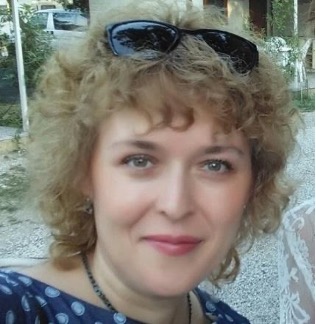
Daria Beliakova

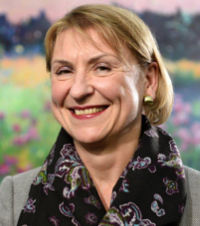
Albina Krymskaya, PhD in Pedagogic Sciences, Associate Professor of the Mediology and Literature Department of the St. Petersburg State Institute of Culture, Russia.

  • Member of the Standing Committee of IFLA Section on Education and Training
  • Secretary, IFLA Section on Education and Training (2019–2021)
  • Secretary, IFLA Division of Support of the Profession (2019–2021)
  • Chair, IFLA Section on Education and Training (2021–2023)
  • Member of the editorial boards of the international magazines “Libri” and “Digital Libraries Perspectives”

Academic background 

  • Specialist degree, Library Science, St. Petersburg State University of Culture, 1999
  • PhD, Library Science, St. Petersburg State University of Culture, 2005 (dissertation title “Knowledge Management Technologies in Biobibliographic studies”

Professional background: current place of work and position, recent projects

I began working at the St. Petersburg State University of Culture in 2011 in the Department for Continuing Education. I organized professional courses and summer schools for students and adults. I also initiated some courses for librarians, developing programs together with St. Petersburg libraries of different types.

Since 2014 I have held a dual position, as a lecturer and as a deputy dean, in the Library and Information Science (LIS) Department. Within the educational section “Information analysis in book publishing, the arts and business” I teach three courses: “Analysis of professional information”, “Information resources in social and humanitarian sciences”, and “Using information analysis to avert crises in book publishing, the arts, and business”. As deputy dean, I am responsible for developing programs for the LIS Department.

At the University I also organize seminars on library and information issues for librarians from around Saint Petersburg and other areas of Russia. The International Summer Library School, which I initiated and organized in 2014 in cooperation with the University of Maryland and the Russian Academy of Sciences Library with the financial support of the United States Consulate General in St. Petersburg, was a great success. More than 60 library specialists and students from Russia, the United States, and Kazakhstan participated.

Since 2015 I’ve been the chief organizer and coordinator of BiblioFest, an annual library festival sponsored by my university. BiblioFest promotes interest in libraries and reading to students and to the public through seminars, master classes, lectures, exhibits, performances, and other events. Among my key responsibilities are preparing annual festival plans; maintaining relationships with libraries, publishers, bookshops, and cultural centers etc.; motivating and assisting students to develop and implement program ideas; working closely with university departments to carry out festival plans. Festival speakers include writers, researchers, and directors of publishing organizations, libraries et al.

In 2016, I initiated student study tours for LIS students of my university.

In 2017, I was nominated by the US Department of State to participate in the International Visitor Leadership Program “American Libraries”.

My most important professional achievements within the last 5 years

Among my significant professional achievements within the last 5 years, I would highlight those connected with developing international activities and cooperation of the Library and Information Science Department of the St. Petersburg State University of Culture.

  • In 2016–2019, I organized four study tours for LIS students (two to Germany and two to the Baltic Region countries). The two tours to Germany were funded by the DAAD (Deutscher Akademischer Austauschdienst). These study trips, a first experience for the LIS Department, featured professional visits to libraries and universities.
  • In 2017, I was elected as a Russian member of the Education and Training Section of the International Federation of Library Associations and Institutions (IFLA). By becoming a member of the IFLA Education and Training Section, I was able to expand our university’s international relations with LIS specialists worldwide.
  • Since 2018 I’ve been a member of the BSLISE Working Group.
  • In 2018, I launched a training program in our department titled “International Activity in Libraries” to enrich students’ knowledge about international librarianship and new trends in library and information science. During its initial year twelve students enrolled in this program and received valuable training.
  • At IFLA WLIC 2019 I was elected as a Secretary of IFLA Section of Education and Training and a Secretary of IFLA Division of Support of the Profession.
  • At IFLA WLIC 2021 I was elected as a Chair of IFLA Section of Education and Training.
  • Early 2021, I proposed a project “A Webinar Series for LIS Students” for IFLA Division IV professional units. During a year the Division held six webinars (https://www.youtube.com/channel/UCo9R8g3vwtNgv2k4rNUzjOA).

Additional information

I have published more than 130 works on topics such as the international cooperation of the LIS Department, international relations in the fields of education and culture, knowledge management, bibliography, and the international history of information science. These publications include a bibliography on Knowledge Management (2009) and a monograph (2014) about American exchange students’ educational experience in St. Petersburg.

A short list of my publications in Russian is at https://spbgik.ru/team/krymskaya_albina_samiulovna/

Альбина Самиуловна Крымская

Кандидат педагогических наук, доцент кафедры медиалогии и литературы Санкт-Петербургского государственного института культуры

Председатель Секции ИФЛА по образованию и подготовке кадров

Секретарь Отдела ИФЛА «Поддержка профессии»

Член редколлегий международных журналов “Libri” и “Digital Libraries Perspectives”

Образование:

  • В 1999 г. окончила Санкт-Петербургский университет культуры и искусств (ныне СПбГИК) по специальности: библиотековедение и библиография, квалификация: библиотекарь-библиограф общего чтения. Дипломная работа на тему: «Информационный анализ кризисных ситуаций в фирмах» (научный руководитель: Гордукалова Галина Феофановна, доктор педагогических наук, профессор).
  • В 2005 г. защитила кандидатскую диссертацию «Персональная библиография в технологиях менеджмента знаний». Научный руководитель: Гордукалова Галина Феофановна, доктор педагогических наук, профессор. Официальные оппоненты: Гиляревский Руджеро Сергеевич, доктор филологических наук, профессор, заведующий отделением научных исследований по проблемам информатики ВИНИТИ Российской академии наук; Леонов Валерий Павлович, доктор педагогических наук, профессор, директор Библиотеки Российской академии наук.

Профессиональный опыт

2014 – н. в. – заместитель декана библиотечно-информационного факультета, доцент кафедры медиалогии и литературы СПбГИК.

Читаемые курсы: «Аналитические технологии», «Отраслевые информационные ресурсы: Социальные науки», «Информационное предупреждение кризисных ситуаций».

2011 – 2014 гг. – специалист по учебно-методической работе, Центр дополнительного профессионального образования Санкт-Петербургского государственного института культуры, организация курсов повышения квалификации и летних школ для специалистов учреждений культуры

Наиболее значимые проекты на факультете:

В 2014 г. инициировала и организовала Международную Летнюю библиотечную школу, в которой приняли участие более 60 специалистов и студентов из России, Казахстана и США. Проект реализован в сотрудничестве с Библиотекой Российской академии наук и Университетом Мэриленда (США) при финансовой поддержке Генерального консульства США в Санкт-Петербурге.

С 2015 г. занимается организацией ежегодного Международного фестиваля «БиблиоФест».

В 2016 г. инициировала и организовала первую образовательную поездку студентов в Германию.

В 2017 г. была участником Международной лидерской программы «Американские библиотеки».

Наиболее значимые достижения за последние пять лет

С 2014 г. активно развивает международную деятельность на библиотечно-информационном факультете.

  • В 2016–2019 гг. организовала четыре образовательных поездки для студентов библиотечно-информационного факультета (Германия, страны Балтии).
  • В 2017 г. была избрана членом Секции ИФЛА по образованию и подготовке кадров.
  • С 2018 г. – член Рабочей группы ИФЛА «Формирование сильной системы библиотечно-информационного образования» (Building strong library and information science education).
  • В 2018 г. разработала и реализовала дополнительную образовательную программу «Международная библиотечно-информационная деятельность».
  • В 2019 г. была избрана секретарем Секции ИФЛА по образованию и подготовке кадров и секретарем Отдела ИФЛА «Поддержка профессии».
  • В 2021 г. избрана председателем Секции ИФЛА по образованию и подготовке кадров.
  • В 2021 г. предложила проект «Серия вебинаров для студентов библиотечно-информационной специальности» для секций Отдела IV «Поддержка профессии». В течение года состоялось шесть вебинаров (https://www.youtube.com/channel/UCo9R8g3vwtNgv2k4rNUzjOA).


Дополнительная информация

Опубликовала более 130 работ по таким темам, как международное сотрудничество библиотечно-информационного факультета, международные связи в области образования и культуры, управление знаниями, история развития информатики за рубежом, информационное обеспечение специалистов в области социально-экономических и гуманитарных наук. Среди них аннотированный библиографический указатель «Управление знаниями» (2009) и монография «Становление института американских стажеров в Санкт-Петербурге» (2014).

Краткий перечень работ представлен на сайте СПбГИК: https://spbgik.ru/team/krymskaya_albina_samiulovna/

***

Transcription:

00:00 Дарья:

Добрый день, дорогие коллеги и наши многочисленные друзья!
Сегодня мы предложим вам второе интервью из “Русской серии” подкаста Секции ИФЛА по непрерывному образованию и обучению на рабочем месте. Цель подкаста – знакомство с библиотечными специалистами мира. Для обеспечения принципа культурного разнообразия и баланса использования официальных языков ИФЛА секция приняла решения записывать интервью не только на английском языке.

Наш гость – Альбина Самиуловна Крымская. Здравствуйте, Альбина!

00:37 Альбина: Добрый день, Дарья!
00:40 Я: Альбина Самиуловна Крымская, кандидат педагогических наук, доцент кафедры медиалогии и литературы Санкт-Петербургского государственного института культуры, заместитель декана библиотечно-информационного факультета. В 1999 г. окончила Санкт-Петербургский университет культуры и искусств по специальности: библиотековедение и библиография. Тема дипломной работы “Информационный анализ кризисных ситуаций в фирмах”. В 2005 г. защитила кандидатскую диссертацию на тему «Персональная библиография в технологиях менеджмента знаний». С тех пор Альбина Самиуловна опубликовала более 130 работ по таким темам, как международное сотрудничество библиотечно-информационного факультета, международные связи в области образования и культуры, управление знаниями, история развития информатики за рубежом, информационное обеспечение специалистов в области социально-экономических и гуманитарных наук. Активно развивает на факультете международную деятельность. В 2017 г. была избрана членом Секции ИФЛА по образованию и подготовке кадров, в 2019 году стала секретарем Секции, а в 2021 году её председателем. Член редколлегий международных журналов “Libri” и “Digital Libraries Perspectives”

02:00 Дарья: Итак, мы к переходим к традиционным вопросам. Альбина, опишите, пожалуйста, себя одним словом. If you had to describe yourself using only one word, what would word would it be?

02:10 Альбина: Сначала я хотела бы поблагодарить Вас, Дарья, за приглашение принять участие в проекте Секции по непрерывному образованию и обучению на рабочем месте. Я слежу сама за появлением новых подкастов и рекомендую своим студентам их прослушивать, чтобы быть в курсе всего нового, что происходит в непрерывном образовании, как можно приобретать дополнительные профессиональные навыки сегодня, в том числе международные компетенции.

Довольно трудно описать себя одним словом. Наверное, это «аналитик». С этим связана моя профессиональная деятельность, в том числе и темы моей дипломной работы и диссертации. Насколько себя помню, я всегда была склонна к анализу людей, взаимоотношений, слов, информации, различных ситуаций… Можно было бы добавить ещё «генератор идей», поскольку я постоянно предлагаю различные идеи своим коллегам и студентам. И, наверное, ещё «перфекционист». Это моё стремление довести всё до совершенства.

03:55 Дарья: Итак, аналитик – генератор идей – перфекционист. По-моему, очень верный Ваш портрет!

04:03 Альбина: Спасибо!

04:07 Дарья: Что побудило Вас стать преподавателем библиотечных дисциплин? С чего Вы начали?

04:14 Альбина: Наверное, путь в библиотечную профессию начался с образования. Ни для кого не секрет, что в мире не так много людей, которые мечтают стать библиотекарями. Я поступила на Библиотечный факультет в 1995 году, поскольку здесь была возможность изучать два иностранных языка. В то время я мечтала выучить несколько иностранных языков и стать полиглотом. Я выбрала английский и немецкий языки. Но постепенно я втянулась в саму библиотечно-информационную специальность. Профессиональный интерес начал проявляться на третьем курсе, когда нас вовлекли в проект по исследованию российско-итальянских культурных связей. Это предполагало работу с поиском источников информации, нам приходилось просматривать большое количество публикаций, которые были в библиотеках.

К самой профессии преподавателя мой путь был долгим, через работу в коммерческих организациях и государственных учреждениях. Спустя 10 лет после получения высшего образования я начала работать в Институте культуры, сначала в Центре дополнительного образования, параллельно являясь преподавателем-почасовиком. С 2014 года я работаю на Библиотечном факультете в должности заместителя декана. Сегодня я этому очень рада.

07:18 Дарья: Спасибо. Когда я зачитывала Вашу краткую профессиональную биографию, то упомянула о том, что активно развиваете на факультете международную деятельность. Расскажите нам об этом подробнее. Что значит для Вас международная библиотечная деятельность? Изменилось ли Ваше видение с годами работы?

07:45 Альбина: Мой интерес к международной деятельности стал проявляться ещё в школьные годы, когда я интенсивно изучала английский язык. И я благодарна своей маме, которая дала мне возможность заниматься этим так досконально. Также меня интересовала литература, посвященная международным связям, дипломатии. Это заложило некий фундамент. Через несколько лет после окончания института и защиты кандидатской диссертации, которая была связана с изучением зарубежных источников информации, я стала заниматься темой советско-американских научных обменов. Я до сих пор продолжаю интересоваться этой темой, слежу за новой литературой, продолжаю общаться с бывшими американскими стажерами. Мне удалось собрать их воспоминания об опыте пребывания в Советском Союзе и, позже, в России. С этого началась моя профессиональная международная деятельность, с попытки изучить этот период нашей совместной истории. В 2014 году мне удалось опубликовать монографию «Становление института американских стажеров в Санкт-Петербурге». Это стало моим личным вкладом в развитие международной деятельности Библиотечного факультета СПбГИК, которая развивалась ещё в советские времена. После этого по моей инициативе была организована Международная летняя библиотечная школа. Она была организована совместно с Библиотекой Российской академии наук и Университетом Мериленда. Это был очень интересный опыт. В настоящее время пандемия не позволяет проводить подобные школы, мы надеемся, что в будущем нам удастся к этому вернуться. После этого мы начали очень активно вовлекать в международную деятельность студентов. Я считаю, что это очень важно и для них и для факультета в целом.

Я считаю, что международная деятельность дает нам больше возможностей общаться друг с другом в независимости от границ и географии, позволяет устанавливать новые контакты и изучать другие культуры. Хотелось бы вспомнить слова нашего известного библиотековеда Валерия Павловича Леонова, который ещё в 1992 году на аналогичный вопрос ответил, что не существует отдельно российской или американской библиотечной деятельности, а есть единая наука, она без границ и позволяет решать нам вопросы, которые непосильны политикам. Та самая народная дипломатия, «мягкая сила».

12:28 Дарья: В этом году у нас появился ещё один повод для гордости. Мы Вас поздравляли с избранием на пост председателя Секции ИФЛА по образованию и подготовке кадров. Как вы попали в Секцию?

13:00 Альбина: Спасибо большое за этот вопрос. За то, что попала в Секцию, я благодарна Валентине Владимировне, которая сама была членом этой секции с 2013 по 2017 гг. и рекомендовала меня в ее Постоянный комитет. К этому моменту мною уже был реализован ряд проектов, связанных с международной деятельностью. И я благодарна Российской библиотечной ассоциации, которая поддержала выдвижение моей кандидатуры на второй срок.

14:00 Дарья: Мы уточним, что речь идет о Валентине Владимировне Брежневой, декане Библиотечно-информационного факультета Санкт-Петербургского института культуры. Альбина, поделитесь своим ярким воспоминанием об ИФЛА: о конгрессе, о Вашей работе в секции.

14:15 Самое яркое воспоминание это участие в моем первом конгрессе ИФЛА в 2017 году, который проходил в Польше, в городе Вроцлав. На открытии конгрессе я испытала непередаваемые чувства. Студентам первого курса всегда рассказывают об этой организации, но в 1995 году я себе и представить не могла, что когда-то окажусь там.

15:10 Дарья: Спасибо! Следующий вопрос действительно для аналитика:  что Вам больше всего нравится в профессии?

15:20 Альбина: В моей профессии мне нравится возможность творчески мыслить, генерировать идеи, воплощать их. Главное мне нравится учить студентов, передавать им знания. Вдохновлять, мотивировать их, чтобы они развивались в этой профессии. Я очень радуюсь, когда вижу, как они растут, как складывается их профессиональная жизнь.

16:00 Дарья: Безусловно, не только библиотекари, но и преподаватели нуждаются в постоянном совершенствовании своих профессиональных компетенций. Каков Ваш лайфхак в профессиональном непрерывном образовании, которым Вы хотели бы поделиться?

16:15: Альбина: Я думаю, это то, чему я учу студентов с самого первого курса. Это бережное и деликатное отношений к окружающим. Как говорится: «Береги честь смолоду, а профессиональную особенно». И быть благодарным своим учителям.

17:13: Дарья: Спасибо! Поделитесь тем, что у Вас сейчас происходит, над каким замечательным проектом Вы сейчас работаете?

17:23. Альбина: Один из проектов, который продолжает реализовываться в этом году, это серия вебинаров для студентов библиотечно-информационных специальностей. Серию инициировала Секция по образованию и подготовке кадров. Этот проект был предложен Подразделению ИФЛА № 4 «Поддержка профессии». В этом году нам удалось провести 6 вебинаров, чему я несказанно рада. Это возможность вовлечь студентов разных стран в профессию и в международную деятельность. Основываясь на отзывах студентах, которые принимали участие в проекте, и слушателей вебинаров, я бы оценила его как успешный. Сегодня задача состоит в том, чтобы привлечь к нему коллег из других секций ИФЛА, расширить тематику обсуждений. В марте 2022 года мы организуем следующий вебинар. Тему для него предложила наша американская коллега Лойда Гарсиа Фебо, экс-председатель Американской библиотечной ассоциации, председатель Группы по целям устойчивого развития 2030. Вебинар будет посвящен вопросам адвокации библиотек.

20:00 Дарья: Это очень интересно! Мы желаем Вам успехов, поддерживаем и радуемся за вас!

20:17 Альбина: Большое спасибо. Хочу дополнить, что у нас есть предложение к Секции ИФЛА по непрерывному образованию и обучению на рабочем месте, – совместно провести один из вебинаров.

20:28 Дарья: Здорово! Это прекрасные новые возможности для всех нас. Я предлагаю пригласить к участию в вебинаре молодых специалистов. Тогда мы охватим обе аудитории, и между студентами и молодыми специалистами получится полезный обмен опытом. Альбина, а если представить, что Ваш профессиональный путь сложился как-то по-другому, то какой еще профессией кроме преподавателя Вы хотели бы овладеть?

20:47 Альбина: Это очень сложно себе представить (смеется)! Сегодня библиотечно-информационная профессия дает широчайшие возможности для саморазвития и изучения других сфер жизни. И это очень ценно в нашей профессии. И мы обогащаем нашу профессию, используя знания из других сфер. Я думаю, если была возможность поучиться и получить второе высшее образование, я бы выбрала международные отношения. Меня очень интересует эта тема. В рамках дисциплины «Отраслевые информационные ресурсы» я затрагиваю ресурсы из сферы мировой политики и международных взаимоотношений. Есть много такого, что мне хотелось бы изучить. Жалко, что не на все хватает времени (смеется)!

22:02 Дарья: Спасибо. И в заключение наш специальный вопрос: Ваше кредо?!
22:26 Альбина: Сложно (улыбается). Наверное, «Учиться и не останавливаться на достигнутом»

22:35 Дарья: Прекрасное кредо! Большое спасибо, Альбина Самиуловна за нашу сегодняшнюю беседу!
Дорогие друзья, продолжение следует, ожидайте новый выпуск “Русской серии” нашего подкаста в ближайшее время!
Беседу вела Дарья Белякова, член ПК Секции ИФЛА по непрерывному образованию и обучению на рабочем месте, руководитель Центра библиотековедения и профессионального взаимодействия Библиотеки иностранной литературы, Москва.

22:53 Альбина: Спасибо большое, Дарья!

***

Translation:

00:00 Daria:

Hello, dear colleagues and friends,

Welcome to the podcast project started by the IFLA Continuous Professional Development and Workplace Learning (CPDWL) Section and devoted to library and information professionals from all over the world. The Section agreed to record interviews also in languages other than English to promote cultural diversity and to ensure the balance in the use of the official IFLA languages.

Today we present our second interview in the Russian-language series of the podcast.

Our guest is Albina S. Krymskaya. Welcome, Albina!

00:37 Albina:

Hello, Daria!

00:40 Daria:

Albina Samiulovna Krymskaya, PhD in Educational Science, Associate Professor, Department of Medialogy and Literature, Saint Petersburg State Institute of Culture; Deputy Dean, Faculty of Library and Information. In 1999, Albina graduated from St. Petersburg University of Culture and Arts, specializing in Library Science and Bibliography, with the senior thesis, “Information Analysis of Crisis Situations in Firms”. In 2005, she defended her PhD dissertation, «Personal Bibliography in Knowledge Management Technologies». Since then, Albina has published more than 130 papers on topics such as the international cooperation at the Faculty of Library and Information, international relations in the field of education and culture, knowledge management, history of computer science development abroad, information services for social, economic and human sciences specialists. Albina actively promotes international activities at the Faculty. In 2017, she joined the IFLA Education and Training Section. In 2019, Albina became Secretary of this Section and in 2021 – its Chair. She is a member of the editorial boards of the international journals, “Libri” and “Digital Libraries Perspectives”.

02:00 Daria:

Now we are moving on to our traditional questions. If you had to describe yourself using only one word, what would this word be?

02:10 Albina:

First, I would like to thank you, Daria, for your invitation to participate in this CPDWL project. I keep track of new podcasts and encourage my students to listen to them to keep abreast of new developments in continuous education and to find out how additional skills can be acquired today, including international competencies.

It is rather hard to describe oneself in one word. Perhaps, it’s “analyst”. My professional activities, including my senior thesis and dissertation, are related to this. As far as I can remember, I’ve always been committed to analyzing people, relationships, words, information, situations… As I constantly offer various ideas to my colleagues and students, I think I could describe myself as «generator of ideas» as well. And in addition, “perfectionist”. It’s my desire to bring all things I do to perfection.

03:55 Daria:

So, analyst – generator of ideas – perfectionist. I would call this a very faithful portrait of yours.

04:03 Albina:

Thank you!

04:07 Daria:

What compelled you to become a librarian? How did you get started?

04:14 Albina:

My path to the library profession began with the education. It’s an open secret that there aren’t too many people in the world who want to become librarian. I entered the Library Faculty in 1995 because it gave me an opportunity to study two foreign languages. At that time, I dreamed of learning several foreign languages and becoming a polyglot. I chose English and German. But gradually I was getting involved in the LIS specialty. I started taking interest in the profession in the third year when we engaged in a project exploring the Russian-Italian cultural ties. This included working with sources of information, browsing through a large number of publications in libraries.

My journey to the teaching career was long – through jobs in business and state institutions. Ten years after graduation I started working at the Institute of Culture: at first, I worked at the Center for Continuing Education and as a part-time teacher. Since 2014, I have been working at the Library Faculty as Deputy Dean. I’m very happy about this.

07:18 Daria:

Thank you! Albina, in your CV you mentioned your taking part in the international activities at the Faculty. Could you please dwell on it? What does international librarianship mean to you? Has your vision changed over the years?

07:45 Albina:

My interest in international activities arose while I was intensely learning English at school. I’m grateful to my mom for letting me do this so in-depth. I was also interested in literature on international relations, diplomacy. These books laid down a kind of groundwork. A few years after the graduation from the Institute and the defense of the dissertation, which was linked to the study of foreign information sources, I began to develop insight into the Soviet-American scientific exchanges. I’m still interested in this subject, keeping up with the new literature, continuing to talk to the former American interns. I managed to collect their memories of the stay in the Soviet Union and later in Russia. So, my international career began with an attempt to study this period of our common history. In 2014, I managed to publish the monograph «The Development of the Institution of American Interns in Saint Petersburg». This was my personal contribution to the development of the international activities at the Library Faculty of the Saint Petersburg State Institute of Culture, which date back to the Soviet era. This was followed by the International Summer Library School. It was organized on my initiative and set up jointly with the Library of the Russian Academy of Sciences and the University of Maryland. It was a very interesting experience. Currently, the pandemic does not permit such schools. But we hope to be able to run such schools again in the future. After our first summer school, we started to encourage students to actively engage in international activities. I think it’s very important for them and for the Faculty.

I believe that international activities give us more opportunities to interact with each other, regardless of borders and geography, making it possible to establish new contacts and explore other cultures. I would like to cite the words of our renowned librarian Valery Pavlovich Leonov, who, back in 1992, answered a similar question, saying that there are no separate Russian or American library activities, but a single borderless science, which allows us to address issues that are beyond the capacity of policymakers. It is public diplomacy, or «soft power».

12:28 Daria:

This year we have had another cause for being proud. We have already congratulated you on your election as Chair of the IFLA Education and Training Section. How did you get involved with this Section and why this Section?

13:00 Albina:

Thank you very much for this question. I joined the Section thanks to Valentina Vladimirovna, SC member in 2013 – 2017, who supported my candidacy to the Standing Committee. By then, I had already implemented a number of projects related to international activities. I am grateful to the Russian Library Association for lending support to my candidacy for the second term.

14:00 Daria:

To make it clear I need to add that we are talking about Valentina Vladimirovna Brezhneva, Dean of the Library and Information Faculty, Saint Petersburg Institute of Culture. Albina, please, share with us your most special memorable moment you have about IFLA WLIC or the Education and Training Section.

14:15 Albina:

WLIC–2017 in Wroclaw (Poland), my first IFLA Congress, is by far the most memorable event for me. At the opening of the Congress, I had an indescribable feeling. Our first-year students are always told about this organization, but in 1995 I could hardly imagine that I would ever attend it myself.

15:10 Daria:

Thank you! The next question is really for analyst: What are you most excited about in the profession?

15:20 Albina:

In my profession, I like creative thinking, generating ideas and implementing them. The point is, I like to teach students, impart knowledge to them, inspire and motivate them to develop in the profession. I’m very excited to see them grow up, advance their career.

16:10 Daria:

Of course, not only librarians, but also teachers need to continually improve their professional competencies. What’s a professional development tip or advice that you’d like to share with others?

16:15: Albina:

I keep telling my students since their first year to be thoughtful and sensitive to others. As the saying goes, “Look after your reputation, in particular, your professional one from your young years.” And be grateful to your teachers.

17:13: Daria:

Thank you! Can you tell us a bit about your work at the moment, what’s an exciting project you are working on now?

17:23: Albina:

A series of webinars for LIS students is one of the projects which we continue to work on. The Education and Training Section initiated this series. The project was proposed to the IFLA Division IV “Support of the Profession”. This year we managed to run six webinars, which I’m very happy about. It is an opportunity to engage students from different countries in the profession and in the international activities. Based on the feedback from the students who took part in the project and the webinar viewers, I would rate the project as success. The challenge today is to engage colleagues from other IFLA sections and to broaden the scope of the discussions. In March 2022, we’re organizing the next webinar, which will focus on library advocacy. This topic was suggested by Loida Garcia-Febo, Chair of U.N. 2030 Sustainable Development Goals Task Force and ex-Chair of American Library Association (USA).

20:00 Daria:

This is very interesting! We wish you success and are very proud of you!

20:17 Albina:

Thank you! May I add that we have a proposal for the CPDWL Section to co-host one of the webinars.

20:28 Daria:

Great! These are great new opportunities for all of us. I suggest we invite young professionals to participate in the webinar. This will help us reach both audiences – students and young professionals and have them exchange experiences. Albina, tell us please whether there was any other profession, other than librarianship, that you would have wished to obtain?

20:47 Albina:

It’s quite hard to imagine (laughing)! Today, the library and information profession offer vast opportunities for self-development and research into the other spheres of life. It’s very valuable in our profession. We enrich our profession by using the knowledge from other fields. I think if I could study and earn a second degree, I would choose to major in international relations. I’m very interested in this subject. While doing research into the topic “Industry Information Resources”, I’ve come close to issues from the realm of world politics and international relations. There’s a lot I’d like to study. I wish I had more time (laughing)!

22:022 Daria:

Thank you! And by way of conclusion, our special question: What would be your favorite moto or creed?

22:26 Albina:

Difficult to answer (smiling). Perhaps, “Learn and never give up”.

22:35 Daria:

Wonderful creed! Thank you so much, Albina, for the interview!
Dear friends, the Russian-language series of the CPDWL podcast is to be continued. We’ll be back with a new issue in the near future!
Our today’s guest, Albina Krymskaya, was interviewed by Daria Beliakova, SC Member of the IFLA CPDWL Section and Head of the Center for Library Science and Professional Cooperation, Library for Foreign Literature in Moscow.

23:53 Albina:

Thanks a lot, Daria!


Pandemic: Pain and Pride

2021 will be remembered as the year of vaccinations and stop-start-go measures we all experienced as we began to accept the new normal living with Corona or the COVID-19 pandemic bringing pain and pride for some, in the way we live, work and play whilst scientists try to find a cure.

As Chair, of the Council of Chief Librarian’s (CCL) Committee on Information Literacy (CIL), I initiated the Pandemic IL (Pain and Pride) in collaboration with the Library Association of Singapore (LAS). This is a curation of stories in 300 words by instruction librarians in Singapore that was published in the LAS Bulletin. Released on a weekly basis, this multi-part story series highlights the pivot to online during the pandemic and demonstrates the resilience, tenacity, commitment, and passion by instructing librarians to teach, educate and advocate not only information, media, and digital literacy, but multi-literacies using various digital learning strategies.

Enjoy their stories below:

Look out for the finale here.

I wish to express my sincere gratitude to Dr Sadie-Jane Nunis, President, Library Association of Singapore (2021-2023), and Ms. Kong Leng Foong, Publications for supporting this initiative and being a strong advocate in the continuing professional development of LIS workers in Singapore and beyond!

As we bring down the curtain in 2021, what were your Pain and Pride?

Enter your comments below.


Rajen Munoo

Head, Learning and Engagement, SMU Libraries

December/Winter 2021

CPDWL Podcast Project Season 3, Episode 2: Ulrike Lang and Almuth Gastinger on Coaching (in German/Auf Deutsch)

Colleagues, we are excited to announce the our second episode of the CPDWL Podcast Project (Season 3) where we feature library and information professionals who support and participate in professional development work. This episode is in German.

To see the episode, see here: https://anchor.fm/ifla-cpdwl/episodes/S3E2-Ulrike-Lang-and-Almuth-Gastinger-in-Germanauf-Deutsch-e18s665

Our guests are Ulrike Lang, CPDWL Co-Chair, Almuth Gastinger, CPDWL Secretary.
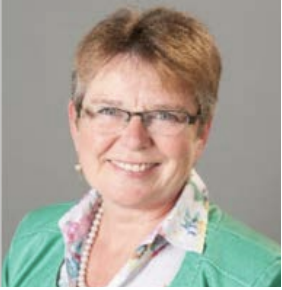
Ulrike Lang
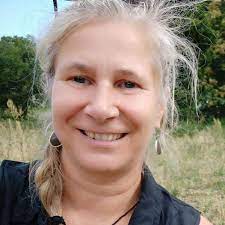
Almuth Gastinger

Transcript and translation are below. Transcribed/Translated by Ulrike Lang and Almuth Gastinger.

Transcript 

Ulrike: Herzlich willkommen zu einer neuen Folge des Podcasts der IFLA Sektion für berufliche Fort- und Weiterbildung, CPDWL. Mein Name ist Ulrike Lang. Ich bin derzeit Chair der Sektion und Organisatorin der Coaching Arbeitsgruppe. Bis 2020 war ich in der Staats- und Universitätsbibliothek Hamburg Carl von Ossietzky zuständig für die Ausbildung, die Fort- und Weiterbildung, sowie für Gesundheitsmanagement und Suchtprävention. Unterhalten möchte ich mich heute über die Anfänge, Entwicklung und Zukunft des Coaching Programms der IFLA mit Almuth Gastinger, die sich am besten selbst vorstellt.

Almuth: Ja, ich heiße also Almuth Gastinger und arbeite als Fachreferentin für Mathematik und Maschinenbau an der Bibliothek der Norwegischen Universität für Naturwissenschaften und Technologie (kurz NTNU genannt) in Trondheim. Ich bin aber Deutsche und habe an der TU Ilmenau studiert und promoviert, bevor ich vor 24 Jahren nach Norwegen gezogen bin. Seit August diesen Jahres bin ich Schriftführerin der Sektion CPDWL, und ich bin wie Ulrike bei der Coaching-Arbeitsgruppe dabei.

Almuth fragt:  Ulrike, wie bist Du eigentlich zu der Arbeitsgruppe gekommen?

Ulrike: Von Beginn an ab 2017 war ich Mitglied der Planungsgruppe. Damals nur als Consultant der Sektion, da meine offizielle vorherige Amtszeit von 2007 bis 2015 beendet war. 2015 wurde ich zwar Mitglied der Sektion für Aus- und Fortbildung, aber mein Herz und meine beruflichen Neigungen hingen weiter an den angeschobenen Projekten von CPDWL. Daher habe ich mich dieser interessanten Arbeitsgruppe zum Coaching gleich angeschlossen.

Ulrike: Und Du?

Almuth: Ich konnte mich gar nicht mehr genau erinnern, ab wann ich dabei war, aber die Unterlagen zeigen, dass ich auch schon seit 2017 dabei bin. Auf dem Weltkongress in Wroclaw hat sich unsere Arbeitsgruppe das erste Mal getroffen und angefangen, ein Konzept für ein Coaching-Pilotprogramm auf dem Weltkongress 2018 in Kuala Lumpur zu erarbeiten. Das war sehr spannend und ist es immer noch.

Almuth fragt: Und warum genau bietet denne CPDWL Coaching an?

Ulrike: das Ziel der Sektion ist schon seit vielen Jahren, partizipative Veranstaltungsformate anzubieten, die über das reguläre Vortragsformat hinausgehen und die Teilnehmenden in ihrer Kreativität fordern und fördern, denn für reine Vortragsveranstaltungen muss ich nicht mehr um die Welt reisen. So veranstalten wir z.B. gemeinsam mit der Sektion Wissensmanagement seit vielen Jahren auf dem Weltkongress ein sogenanntes Knowledge Café, jährlich zu unterschiedlichsten Themen mit verschiedensten Unterthemen. Dort können und sollen alle Beteiligten mitdiskutieren und eigene Erfahrungen einbringen. Geplant sind nur die Themen an den runden Tischen, es gibt eine Moderation und eine Person, die die Ergebnisse notiert. Der Verlauf der Diskussion und die eigentlichen Ergebnisse ergeben sich aus den Beiträgen der am Tisch Sitzenden. 2017 kam die Idee auf, ein Coaching auf einfacher Basis anzubieten, da einige aus unserer Sektion aus ihrer direkten Umgebung den Bedarf nach Unterstützung am Arbeitsplatz erfahren haben. Für den Kongress 2018 wurden Gruppencoachings geplant. Wir hatten überhaupt keine Idee, ob das Angebot im Stress der alternativen Veranstaltungen überhaupt angenommen würde und unsere Erwartungen schwankten zwischen “niemand kommt” bis zu “wir werden hoffnungslos überlaufen werden”. 

Almuth:  Coaching ist ja eine tolle Methode, um sich Herausforderungen zu stellen und Probleme zu lösen, finde ich. Wobei das nicht heisst, dass einem der Coach, sagt, was man tun soll, sondern dass man gemeinsam Lösungen erarbeitet. Coaching wird also definiert als “partnerschaftliche Zusammenarbeit zwischen Coach und Coachee (also die Person, die gecoacht wird) in einem zum Nachdenken anregenden und kreativen Prozess, der die Coachees dazu inspiriert, ihr persönliches und berufliches Potenzial zu maximieren”. Und das wollte unsere Sektion eben allen Teilnehmern des Weltkongresses anbieten.

Ulrike fragt: Erinnerst Du Dich noch, wie unsere Zusammenarbeit mit der Sektion Management & Marketing zustande kam?

Almuth: Ja. Nach dem ersten Durchgang des Coachings während des Weltkongresses in Kuala Lumpur haben wir uns nach einem Partner umgesehen, der erfahrene Kolleginnen und Kollegen in seinen Reihen hat und an einer Zusammenarbeit interessiert sein könnte. Denn nach der ersten Durchführung war uns klar, dass das Programm Potenzial hat, aber eben auch das die Suche nach erfahrenen Kolleginnen und Kollegen, die als Coach eingesetzt werden könnten, nur in unseren eigenen Reihen zu begrenzt ist. Da Management & Marketing in der selben Division, bisher die sogenannte Division 4, gewesen ist, war die Anfrage bei ihnen naheliegend. Außerdem sieht es die IFLA gern, wenn es eine Kooperation oder Zusammenarbeit zwischen Sektionen gibt. 

Ulrike: Ja, das stimmt. Seit 2018 nach dem Kongress in Kuala Lumpur arbeiten wir zusammen und das funktioniert richtig gut. Dadurch haben wir noch mehr Ideen für die weitere Arbeit bzw. Umsetzung bekommen, und die Arbeitsbelastung wurde auch besser verteilt. Und seit etwa 2 Jahren haben wir eine Kollegin dabei, die als Educational Coach ausgebildet ist und auch in diesem Bereich beruflich arbeitet. Sie hat für uns die meisten der jetzt vorhandenen Weiterbildungsunterlagen erarbeitet und kostenlos zur Verfügung gestellt. Diese Schulungsdokumente wurden auch in mehrere Sprachen übersetzt, u.a. ins Deutsche. Ich finde, sie sind eine tolle Grundlage, um zu lernen, was Coaching ist und wie eine Coaching-Sitzung durchgeführt wird. Hier also gleich schon einmal der Tipp, sich die Informationen und  Dokumenten auf der Website unserer Sektion, zu der man über die Webseite der IFLA kommt, anzuschauen.

Almuth fragt: Ich möchte nochmal auf den IFLA-Kongress 2018 in Kuala Lumpur zurückkommen. Wie genau lief denn nun die erste Coaching-session dort?

Ulrike: Im Vorfeld haben wir bei den Coaches abgefragt, in welchen allgemeinen Themengebieten sie sich fit fühlen würden, z.B. Veränderungsmanagement, Führung, Marketing, Arbeitsorganisation, Wissensmanagement oder Gesundheitsmanagement. Am Eingang des Raumes haben wir eine Übersichtstafel angebracht, an der man sehen konnte, an welchen Tischen welche Coaches mit welchen Themenschwerpunkten zu finden waren. Die Idee war nun, dass Kolleginnen und Kollegen am Eingang eine Einteilung der interessierten Coachees vornehmen sollten. Das hat nicht immer geklappt, vor allem hat es durchaus schon zu längeren Diskussionen am Eingang geführt, was ja nicht unbedingt Sinn der Sache gewesen ist. Da der Ansturm dann doch erheblich größer war, als von uns vermutet, mussten wir auch gleich mehrere Interessierte pro Tisch zuweisen. Die Coaches sollten dann jeweils selbst entscheiden, ob es quasi zu einem Gruppencoaching kam, wenn die Themen ähnlich oder identisch waren oder man die Diskretion soweit aufgeben konnte, dass andere Interessierte zuhörten, während man mit einem Coachee sein/ihr Problem besprach. 

Almuth: Ja, ich erinnere mich noch gut daran, dass es ein wenig chaotisch war. Eines der Probleme, dass sich herausgestellt hat, war dass viele Interessierte gar nicht wussten, was Coaching ist. D.h. viele haben erwartet, dass man ihnen Tipps gibt, wie man Probleme löst oder in der Karriere weiterkommt. Also eher ein Mentoring, eine Beratung. Manche Teilnehmer hatten auch einfach nur Fragen zum Weltverband IFLA und wie dieser arbeitet, d.h. sie wollten nichts weiter als eine Antwort auf eine Frage. Und wenn man nur eine konkrete Information möchte, da passt natürlich auch kein Coaching,

Ulrike: Das stimmt. Zu meinem Tisch kamen fast gleichzeitig fünf Kolleginnen, alle aus dem Nahen Osten, die sich zwar nicht kannten, aber dennoch einen Tisch gemeinsam aufsuchen wollten. Und die Fragen waren eher so, dass ich sie als Kollegin mit langjähriger Berufserfahrung schnell hätte beantworten können. Oder es waren Fragen zu den Strukturen der IFLA. Ich habe die Zeit dann zum Teil dazu genutzt, sie über die Spielregeln des Coachings aufzuklären. 

Almuth: Und was haben wir daraus gelernt, d.h. was wurde dann auf dem IFLA-Kongress 2019 in Athen anders gemacht?

Ulrike: Als erstes haben wir die Themenaufteilung beendet und als weiteres Kriterium die Sprachkenntnisse eingefügt. Manchmal ist es ja schon eine Herausforderung, das Problem, welches einen umtreibt, präzise zu beschreiben. Viel schwieriger ist es dann noch, dies in einer fremden Sprache zu tun. Uns war klar, dass die meiste Nachfrage nach englischem Coaching bestehen würde, aber Ziel war es, daneben wenigstens die offiziellen weiteren IFLA-Sprachen anbieten zu können, also Arabisch, Chinesisch, Französisch, Russisch, Spanisch und Deutsch. Unsere Coaches konnten sogar noch weitere Sprachen hinzufügen wie z.B. Italienisch und Schwedisch. Und natürlich ist es auch für einen Coach leichter, die richtigen, konkreten Fragen in ihrer/seiner Muttersprache zu stellen, denn im Coaching ist es ja viel wichtiger für einen Coach, die richtigen Fragen zu stellen, als detaillierte Kenntnisse des Problemkomplexes zu haben. Daher machte die Themenaufteilung wirklich keinen Sinn. Die Kolleginnen und Kollegen am Eingang hatten vielmehr die Tische im Blick und haben dafür gesorgt, dass die interessierten Coachees nicht zu lange auf ein Gespräch in der von ihnen gewünschten Sprache warten mussten. 

Almuth: Ja, das war eine deutliche Verbesserung, finde ich. Individuelles Coaching ist natürlich viel besser als Gruppencoaching. Wir haben ja 30 Kolleginnen und Kollegen als Coaches werben können und mehr als 50 Konferenzteilnehmer haben sich dann coachen lassen. Die Coaching sessions dauerten so um die 30 min, einige aber noch länger. Um das ganze logistisch besser handhaben zu können, gab es eine kleine Gruppe, die die Teilnehmer willkommen geheißen hat, die Email-Adressen registriert und die Leute dann zu den passenden Coaches geführt hat. Und nach den Gesprächen wurde dann auch ein erstes Feedback erfragt, d.h. mit einem entsprechenden Smiley. Ein konkretes Feedback haben wir ja nach dem Kongress eingeholt, mit einer kleinen Umfrage, die Coaches und Coachees beantworten sollten und auch getan haben. Alle Rückmeldungen waren sehr positiv, d.h. der Coaching-Ansatz wird als eine exzellente Methode angesehen, um eigene Leistungen zu verbessern und um Probleme zu lösen. Wobei die Coaches auch diesmal berichteten, dass es zum Teil schwierig ist, Coaching und Mentoring zu trennen. Coaching heißt ja, sehr aufmerksam zuzuhören und offene Fragen zu stellen, so dass der/die Coachee selbst die beste Lösung findet. Das ist aber eben oft schwerer, als einfach zu beraten und Tipps zu geben.

Was wir noch gemacht haben, war ja die Organisation eines Webinars zum Thema Coaching im Mai 2019, also vor dem Kongress in Athen. Das war vor allem ein Angebot an diejenigen, die sich bereit erklärt hatten, als Coaches zu fungieren. Es wurde also darüber gesprochen, was Coaching eigentlich ist, welche Methoden es gibt, wie man offene Fragen stellt und welche Herausforderungen entstehen können. Ein richtig gutes und nützliches Webinar.

Almuth: Und für 2020 waren wir auch gut vorbereitet auf eine neue Runde Coaching, die auf dem Weltkongress in Dublin stattfinden sollte, der dann ja aber leider abgesagt werden musste.  

Ulrike: Genau. In zahlreichen Zoom Meetings der Arbeitsgruppe haben wir einstündige Online Coachings geplant und zwar genau in der Woche, in der ursprünglich der Kongress hätte stattfinden sollen. Wir sind davon ausgegangen, dass sich viele Kolleginnen und Kollegen diesen Zeitraum eh für die Teilnahme reserviert hatten. 14 Kolleginnen und Kollegen hatten sich für dieses Online Coaching als Coach zur Verfügung gestellt und ich glaube, online zu coachen war für alle neu. Um die Coaching-Sitzungen zu buchen, haben wir das Tool Calendly benutzt. Das hatte aber leider eine eingeschränkte Funktionsweise, zumindest für unsere Zwecke, vor allem was die Buchungen in verschiedenen Zeitzonen betrifft. Jede Buchung musste händisch eingepflegt werden. Weshalb wir uns entschieden haben, ein neues Tool zu suchen, d.h. wir sind dann für 2021 bei Squarespace scheduling gelandet.  

Worauf unsere Arbeitsgruppe noch sehr stolz sein kann, finde ich, sind die schon erwähnten Schulungsunterlagen in allen 7 IFLA-Sprachen. Unsere Kollegin aus Kanada, die auch als zertifizierter Coach arbeitet, hat diese Dokumente wie gesagt 2020 erarbeitet, und Kolleginnen und Kollegen aus aller Welt haben diese dann übersetzt. Du und ich haben dabei die Übersetzung ins Deutsche übernommen. Und zusätzlich zu den Schulungsunterlagen, die in der englischen Sprache auch als Videos aufgenommen wurden, haben wir auch noch Webinare durchgeführt. D.h. Vera Keown, die erwähnte Kollegin aus Kanada, stand für Fragen und Diskussionen live zur Verfügung. Und da die am Coaching interessierten Kollegen in der ganzen Welt verteilt sind, wurden die Webinare passend zu verschiedenen Zeitzonen angeboten.

Die Schulungsunterlagen bestehen aus 5 Teilen, angefangen von einer Einführung ins Coaching, über Coaching-Prinzipien und das Coaching-Gespräch, bis hin zu Fertigkeiten, was das Zuhören und Feedback-geben anbelangt.

Zum Beispiel vermitteln die Unterlagen die Unterschiede zwischen Management, Mentoring, Beratung und Coaching. Sie zeigen auf, welche Herausforderungen Coaching angehen kann, wie z.B. eine Optimierung der Arbeitsleistung, die Definition von eigenen Stärken und Schwächen, Karrierechancen, oder eine Verbesserung der Unternehmensführungsstrategien. Es wird auch vermittelt, was aktives Zuhören bedeutet, sowie die Definition von offenen Fragen, natürlich immer mit entsprechenden Beispielen.

Almuth: Offene Fragen sind ja nicht so einfach, denn sie werden ja gestellt, um den Coachee zum Nachdenken anzuregen. Oft stellt man nur Fragen, auf die man mit einem Ja oder Nein antwortet, was aber beim Coaching nicht weiterhilft. 

Einfache und kraftvolle offene Fragen sind zum Beispiel.

Was wollen Sie erreichen?

Wie sieht für Sie Erfolg aus?

Wie haben Sie in der Vergangenheit Probleme gelöst?

Was werden Sie tun? 

Und um mal offene und geschlossene Fragen gegenüberzustellen, habe ich noch 2 Beispiele:

Eine geschlossene Frage wäre “Gibt es einen Grund, warum Sie feststecken?” Während eine offene Frage wäre: “Was steht dem im Weg?”

Oder ein anderes Beispiel:

Statt nur zu fragen “Haben Sie mit Ihrem Vorgesetzten gesprochen?” sollte man lieber fragen “Was haben Sie bereits getan, um das Problem anzugehen?”.

Ulrike: Sehr gute Beispiele, Almuth. Ich mag ja auch Fragen wie: Was sind Ihre Stärken oder auch Was wird passieren, wenn Sie nichts tun? Aber gehen wir doch noch ein bisschen genauer auf unsere Erfahrungen in diesem Jahr ein. 

Almuth: Ja klar. Für dieses Jahr, also 2021, in dem der Weltkongress jetzt im August online stattgefunden hat, hatten wir uns entschieden, Coaching auch wieder online anzubieten. Diesmal in der Woche vor dem Kongress und in der Woche danach, um allen, die am weiteren Programm des Kongresses teilnehmen wollten, keine Terminkollisionen zu bescheren. Wir haben über verschiedene soziale Medien angefragt, wer als Coach in unserem Programm mitmachen möchte und haben 25 positive Antworten erhalten. Und die ersten Rückmeldungen von Coaches und Coachees zeigen, dass es wieder ein Erfolg war. Vor allem die Coachees sind sehr dankbar, die Möglichkeit zu bekommen, gecoacht zu werden. Es gibt natürlich immer noch Verbesserungsmöglichkeiten, vor allem in der Organisation, darüber werden wir dann in den kommenden Monaten in unserer Arbeitsgruppe genauer sprechen. 

Ulrike:  Die Rückmeldungen sind sehr positiv. Insgesamt hatten wir 122 Buchungen. Ich weiß allerdings nicht genau, wie viele davon wirklich stattgefunden haben. Ich hatte z.B. auch eine Anfrage, da hat sich der Coachee aber nach der ersten Kontaktaufnahme nie wieder gemeldet. Für Coaches wurde im Vorfeld vereinbart, dass nach der ersten Terminanfrage ein Link zu den Informationen zur Vorbereitung für Coachees verschickt wird. Diese Informationen sind auch auf unserer Website hinterlegt und enthalten fünf kurze Fragen, deren Beantwortung es dem Coach etwas leichter machen sollte, sich auf das Gespräch vorzubereiten. Sobald die Antworten bei mir eintrafen, habe ich den Link für unser Zoom Meeting verschickt. Vielleicht auch interessant: Meine 12 Buchungen waren alle mit Zoom als Plattform einverstanden. Das scheint sich also jetzt in den Zeiten der Pandemie wirklich als eine sehr verbreitete Plattform weltweit etabliert zu haben. 

Almuth: Ich war ja diesmal nicht als Coach dabei, d.h. ich kann nicht aus eigener Erfahrung sprechen. Aber Du kannst das. Erzählst Du noch etwas mehr darüber, wie Du die diesjährigen Coaching-Sitzungen empfunden hast? Welche Themen gab es und woher kamen eigentlich Deine Coachees?

Ulrike: Das war wirklich ein bunter Strauß quer über den Globus. Interessanterweise wurde nur ein Coaching auf deutsch bei mir angefragt von einer Kollegin aus der Schweiz. Da ging es um eine zukünftige Führungsaufgabe. Die anderen kamen aus Irland, Kroatien, Russland, Südafrika, dem Iran, Südkorea, Puerto Rico, Bolivien und dem Libanon. Einige Themenstellungen wären grundsätzlich besser für ein Mentoring geeignet gewesen, z.B. wenn es darum ging wie man Auslandskontakte bekommt für ein Praktikum. Wiederkehrendes Coaching-Thema war aber z.B. auch Work-Life-Balance und Burnout oder die Problematik der Überlastung weil man nicht gut im Delegieren ist.  Das Nicht-Delegieren können oder die Angst, wichtige Tätigkeiten abzugeben und dadurch an Einfluss und Wissen zu verlieren, ist übrigens ein ganz typisches Coaching Thema, auf das man wunderbar mit den schon erwähnten offenen Fragen reagieren kann. Genauso bei Schwierigkeiten im oder mit dem Team.

Die Gespräche waren jedenfalls alle super spannend, alle waren sich einig, dass die eine Stunde gut investierte Zeit gewesen ist  und mit einigen werde ich weiterhin im Kontakt bleiben, einfach weil es mich interessiert, wie es für sie weitergeht und was sie umsetzen können. Und auch sie möchten mit mir im Gespräch bleiben, ganz außerhalb eines regulären Coachings. 

Gerade die Gespräche mit den Kolleginnen aus dem Iran und dem Libanon waren für mich extrem interessant. Natürlich wurde zumindest am Rande auch immer das Thema Pandemie gestreift, aber ich habe z.B. nicht gewusst, dass Homeoffice für viele Beschäftigte im Libanon nicht aus Gründen der Eindämmung der Pandemie angeordnet wird, sondern auf Grund von Mängeln in der Energieversorgung, z.B. um den Nahverkehr zu entlasten oder die Stromversorgung, die während unseres Gesprächs mehrfach in Beirut unterbrochen wurde. 

Und die meisten hatten noch nie an einer IFLA Konferenz teilgenommen und freuten sich sehr über dieses niederschwellige Angebot. Das ist vielleicht auch ein wichtiger Hinweis für die Offiziellen bei der IFLA, dass die Online-Konferenz mit einem reduzierten Teilnahmebetrag  einen anderen Kreis von Teilnehmenden eröffnet.

Almuth fragt: Das hört sich ja richtig spannend an. Sowohl was die Themen angeht als auch die Herkunft Deiner Coachees. Wie sieht es denn IN deutschland aus, d.h. haben denn deutsche Bibliotheksverbände schon einmal Coaching für ihre Mitglieder angeboten?

Ulrike: Es gab vor einigen Jahren mal ein Angebot des Mentoring beim Berufsverband Information Bibliothek BIB. Eine Handvoll Mentor*innen bekam eine Handvoll Mentees zugeteilt. Dabei wurde darauf geachtet, dass eine gewisse räumliche Nähe bestand und die Institutionen vergleichbar waren, also z.B. beide aus wissenschaftlichen Bibliotheken oder beide aus Öffentlichen.

Ich selbst habe auch dabei als Mentorin teilgenommen mit einem Mentee aus der Nähe von Berlin. Wir haben uns lediglich auf dem Bibliothekartag in Berlin kennengelernt und danach per Skype, Telefon und Email Kontakt gehalten. Etwas über ein Jahr haben wir miteinander kommuniziert, wobei es für uns beide das erste Mal war und ich das Gefühl hatte, dass es meinem Mentee mehr darum ging, jemand Aussenstehenden zu haben, die die Probleme anhörte, als den Lösungen zu folgen, die ich versucht habe anzubieten. Im Mentoring ist es ja ganz ähnlich wie im Coaching. Beide Seiten müssen unbedingt dazu bereit sein, sich auf das Verfahren einzulassen. Was letztendlich Coachee oder Mentee aus dem Besprochenen und Erlebten machen, ist allein ihre Sache.

Almuth: Ich kann auch noch kurz über ein Angebot in Norwegen berichten. Auch wenn der Fokus dabei nicht auf Coaching liegt, denke ich, dass es interessant ist. 

Die Norwegische Vereinigung der Bibliothekare, einer von mehreren Bibliotheksverbänden in Norwegen, hat im September 2019 ein sogenanntes Mentorenprogramm für Bibliothekchefs gestartet. Alle Bibliotheksleiter in Norwegen können daran teilnehmen, egal ob sie Mitglied im Verband sind oder nicht. Das Programm hat zum Ziel, den Erfahrungsaustausch zu fördern, Weiterbildungsmöglichkeiten anzubieten, Netzwerke und Beziehungen zu stärken, auch zwischen Mitarbeitern unterschiedlicher Bibliothekstypen, und die Entwicklung des Bibliothekswesens generell positiv zu beeinflussen.

Der Bibliotheksverband arrangiert dabei Meetings zwischen Managern, die sich in unterschiedlichen Phasen ihrer Karriere befinden. D.h. ein Manager oder eine Managerin, der/die noch eher wenig Erfahrungen hat, wird sich mit jemandem treffen, die/der schon länger eine Leitungsfunktion innehat. Und umgekehrt. Der- oder diejenige, die sich beraten lassen möchten, können bis zu 3 Mentoren vorschlagen. Es wird erwartet, dass sich die Teilnehmenden weiterentwickeln wollen, dass sie offen für Input von anderen sind, über eigene Herausforderungen reflektieren, sich voll auf das Programm konzentrieren und sich Zeit für 6-8 Treffen pro Jahr nehmen.

U.a. werden Bzw wurden folgende Themen vorgeschlagen:

  • Die Rolle als Leitungsperson.
  • Ein schwieriges Gespräch.
  • Die Karriere.
  • Leitungsanforderungen und Leitungsstile.
  • Stärken und Schwächen als Managerin.

Ich glaube, dieses Programm ist eine Mischung aus Coaching und Mentoring, aber man hat es eben Mentorenprogramm genannt. Wer mehr dazu hören möchte, kann mich gern kontaktieren.

Ulrike: Das ist auch eine interessante Initiative. Manche Zuhörerin und mancher Zuhörer mag denken, wozu braucht es eigentlich ein Coaching im internationalen Rahmen, wie es mit der Initiative von CPDWL und M&M in der IFLA angeboten wird. Das kann ich doch in meiner Bibliothek, meiner Institution zuhause haben mit Vorgesetzten oder mit jemandem aus dem Kollegenkreis. Doch es wird auch manche geben, die befürchten einen Gesichtsverlust oder Nachteile in der eigenen Hierarchie, wenn sie Schwächen eingestehen oder offen Probleme artikulieren, z.B. mit dem Team. Das ist natürlich von Kultur zu Kultur unterschiedlich, aber ich habe bei meinen Coachings mehrfach die Rückmeldung erhalten, dass es von Coachees als äußerst angenehm empfunden wurde, dass der Coach nicht zur eigenen Organisation gehört und die beteiligten Personen nicht kennt und im Vorfeld das Problem nicht bewertet.

Almuth: Ich kann das nur bestätigen. Ich persönlich würde auch einen Coach bevorzugen, der nicht aus meiner eigenen Institution kommt. Da muss ich dann nicht überlegen, was ich sagen kann oder sollte, sondern wirklich richtig offen und ehrlich sein. 

Ulrike: Um noch einmal auf das nationale norwegische Programm zurückzukommen. Vor kurzem war unser Arbeitsgruppenmitglied Vera Keown an einem weiteren Webinar zum Coaching beteiligt. Dabei wurde auch über das kanadische Programm des Bibliotheksverbandes von British Columbia kurz erwähnt. Bedingt durch die Corona Pandemie wurden dort für 2021 Gelder bereitgestellt, um den Verbandsmitgliedern  bis zu zehn Sitzungen mit professionellen Coaches zu ermöglichen. Der Verband trägt dabei 50 % der Kosten. Wir möchten mit den kanadischen Kolleginnen und Kollegen kooperieren und über Blog, Webinar oder Podcast unsere gemeinsamen Vorstellungen verbreiten.

Almuth: Stimmt, über Kosten haben wir ja noch gar nicht gesprochen. Ein professionelles Coaching kann ja wirklich schnell ins Geld gehen, denn die Stundensätze von professionellen Coaches sind meistens ziemlich hoch und oft benötigt man mehrere Sitzungen, um die Fragestellung oder Herausforderung ausreichend zu behandeln. Und auch deshalb kann diese IFLA Initiative ein sehr guter Einstieg dafür sein, kostenlos zu prüfen (kostenlos jedenfalls für registrierte Teilnehmende des Weltkongresses), ob diese Methode mir bei der Problemlösung helfen kann.

Ulrike: Das sehe ich genauso. Deshalb hoffen wir sehr, dass unser Vorschlag, für die Konferenz im kommenden Jahr in Dublin sowohl eine Session vor Ort mit Coaches und Coachees als auch erneut das Online Coaching via Zoom oder anderer Meeting Plattformen anbieten zu können, angenommen wird.

Unsere Vorstellung ist dabei, dass wiederum jede/jeder angemeldete Teilnehmende entweder ein face to face oder ein Online Coaching buchen kann. Vorausgesetzt die Registrierungsgebühr für die entsprechende Teilnahmeform wurde an die IFLA entrichtet. Das prüft  die IFLA dann nach Eingang der Anmeldung bei uns.

Almuth: Damit sind wir ja schon bei den Planungen für 2022. Unsere Arbeitsgruppe hat ja auf ihrem letzten Online-Treffen beschlossen, dass es nach Möglichkeit wieder eine zweistündige Veranstaltung in Dublin geben soll und daneben eben die Online Coachings in der Woche vor und der Woche nach dem Kongress, um zeitliche Kollisionen mit anderen Programmen zu vermeiden. Ausserdem werden wir im Rahmen der Projektförderung durch die IFLA eine finanzielle und personelle Unterstützung für die Buchungsplattform beantragen. Squarespace ermöglicht nämlich nicht nur die Terminbuchung, sondern auch das Einfügen von Fotos der Coaches und eine kurze Biographie derselben. Das wollen wir für die nächste Buchungsperiode verpflichtend machen.

Ulrike: Ja, das ist eine sinnvolle Ergänzung. Ich habe am Ende meiner diesjährigen Coaching Sitzungen immer gefragt, warum sie denn ein Coaching bei mir gebucht haben. Die Coaches waren alphabetisch nach Vornamen gelistet und am Anfang hatte ich vermutet, dass ich gar keine Buchung erhalten würden, denn mit U war ich der vorletzte Eintrag in der Liste und hatte nicht erwartet, dass viele bis ganz nach unten scrollen würden. Daher war ich dann doch sehr überrascht, dass es letztendlich 12 Buchungen wurden. Die Antwort war dann von einigen, dass sie nach Bildern geschaut hatten, wer sympathisch aussah, aber auch, wer schon etwas älter war, weil man dort mehr Erfahrung vermutete. Es ist also sehr sinnvoll, für alle Coaches Bilder und kurze Beschreibung des Arbeitsumfeldes einzufügen.

Daneben wollen wir noch Stimmen von diesjährigen Teilnehmenden sammeln, die ein bisschen ausführlicher über ihre Erfahrungen berichten. Natürlich anonym. Das ist bestimmt auch interessant für diejenigen, die noch überlegen, ob sie in der Zukunft mal teilnehmen sollten. Diese Stimmungsbilder werden wir im CPDWL Blog oder unserem nächsten Newsletter im Januar 2022 veröffentlichen.

Es lohnt sich also in der Zukunft, mindestens einem Social Media Kanal der Sektion für berufliche Fort- und Weiterbildung zu folgen, wenn man am Thema Coaching interessiert ist.

Und da wir schon von einem weiteren europäischen Bibliotheksverband und einer deutschen Fachhochschule zu unseren Erfahrungen angefragt worden sind, werden wir als Arbeitsgruppe sicherlich auch mit weiteren Publikationen, die über unsere Arbeit berichten, beschäftigt sein.

Ach ja und falls Sie, liebe Zuhörende, Interesse haben, als Coach bei uns mitzumachen oder Dokumente und Informationen in welche Sprache auch immer zu übersetzen, melden Sie sich doch bitte. Und den Gender Gap würden wir natürlich auch gerne verkleinern, denn sowohl bei den Coaches und unserem Übersetzungsteam, als auch den Coachees sind die weiblichen in der deutlichen Überzahl. Für interessierte Coachees wird es Aufrufe geben, wenn wir Termine festgelegt haben. 

Jetzt hoffen wir, dass wir ein paar Fragen rund ums Coaching und die Coaching Initiative der IFLA, getragen von den Sektionen Continuing Professional Development and Workplace Learning und der Sektion Management & Marketing beantworten konnten.

Danke Almuth, es hat Spaß mit Dir gemacht.

Almuth: Ich fand das Gespräch mit Dir auch sehr gut und interessant. Und wenn Sie als Zuhörer noch Fragen haben, schauen Sie auf unsere Webseite unter https://www.ifla.org/units/cpdwl/. Dort finden Sie auch unsere Kontaktdaten. Oder sie folgen uns auf Twitter, Instagram, Facebook.


Translation into English / Podcast CPDWL in German

Ulrike: Welcome to a new podcast of the IFLA Continuing Professional Development and Workplace Learning Section, CPDWL. My name is Ulrike Lang. I am currently chair of the section and organiser of the coaching working group. Until 2020 I was staff member of the State and University Library Hamburg Carl von Ossietzky, responsible for Education and Training, as well as for health management and addiction prevention. Today I would like to talk about the beginning, development and future of IFLA’s coaching programme with Almuth Gastinger, who best introduces herself.

Almuth: Yes, my name is Almuth Gastinger and I work as an academic or subject librarian for Mathematics and Mechanical Engineering at the library of the Norwegian University of Science and Technology (called NTNU) in Trondheim in Norway. However, I am German and have studied and done my PhD at the Technical University Ilmenau, before I moved to Norway 24 years ago.

Since August 2021 I am the secretary of the CPDWL section, and like Ulrike I am a member of the coaching working group.

Almuth: Ulrike, how did you actually get to this working group?

Ulrike: From the beginning of 2017, I was a member of the planning group. At that time only as a consultant of the section, as my official previous term of office from 2007 to 2015 had ended. In 2015 I became a member of the Section for Education and Training, but my heart and professional inclinations continued to depend on the CPDWL projects that had been initiated. That’s why I immediately joined this interesting working group on coaching.

Ulrike:  What about you?

Almuth: When I first thought about it, I could not remember exactly when I joined the working group, but the documents show that this was also in 2017. Our working group met the first time at the world congress in Wroclaw and began to work on a concept for a coaching pilot programme for the world library and information congress (WLIC) 2018 in Kuala Lumpur. That was really exciting and still is.

Almuth: But why exactly did CPDWL want to offer coaching?

Ulrike: For many years, the aim of the section has been to offer participatory event formats that go beyond the regular lecture format and challenge and promote the participants in their creativity, because I no longer have to travel around the world for pure lecture events. For example, together with the Knowledge Management Section, we have been organising a so-called Knowledge Café at the annual WLIC for many years, on a wide variety of topics with lots of different subtopics. There, all participants can and should join in the discussion and contribute their own experiences. Only the topics at the round tables are planned, with a moderation and a person who notes down the results. At each table. The course of the discussion and the actual results result from the contributions of those sitting at the table. In 2017, the idea arose to offer coaching on a simple basis, as some of our section members experienced the need for support in the workplace from their immediate environment. Group coaching sessions were planned for the 2018 congress. We had no idea at all whether the offer would be accepted with lots of alternative events available, and our expectations varied from “no one will come” to “we will be hopelessly overrun”.

Almuth: Coaching is a great method to meet challenges and solve problems, in my opinion. However, that does not mean that the coach will tell you what to do, but you will work on solutions together. Coaching is defined as “partnering with clients in a thought-provoking and creative process that inspires them to maximize their personal and professional potential”. And exactly that was what our section wanted to offer to all participants of the WLIC.

Ulrike: Do you remember how our cooperation with the Management & Marketing Section started?

Almuth: Yes, I do. After the coaching pilot programme in 2018 in Kuala Lumpur we realised that we need a partner section with professional colleagues among them and who would be interested in collaborating. We knew that the coaching programme has potential for being successful, but we also knew that finding coaches only among our own section members would be limited. Since the Management & Marketing section is in the same Division, in the former IFLA structure it was Division 4, it was obvious to ask them. In addition, IFLA likes its sections to co-operate.

Ulrike: Right. After the conference 2018 in Kuala Lumpur, we started to work together and this works very well. As a result, we got even more ideas for further work or implementation, and the workload was also better distributed. And for about 2 years we have had a colleague in our group who is trained as an educational coach and also works professionally in this area. She has prepared most of the training documents now available for us and made them available free of charge. These training documents have also been translated into several languages, including German. I think they are a great foundation for learning what coaching is and how to conduct a coaching session. So here there is a first hint to take a look at the information and documents on the website of our section, which can be accessed via the IFLA website.

Almuth: I would like to get back to the IFLA congress 2018 in Kuala Lumpur.  Ulrike, can you tell us how exactly this was going?

Ulrike: Before the conference, we asked the coaches in which general topics they would feel fit to coach, for example change management, leadership, marketing, work organization, knowledge management or health management. At the entrance of the meeting room we installed an overview board where you could see at which tables which coaches with which main topics could be found. The idea was that colleagues at the entrance should make a classification of the interested coachees and allocate them to the right coach. That did not always work well, it often led to longer discussions at the entrance, which was not necessarily the point of the matter. Since the rush was much greater than we expected, we also had to assign several interested coachees per table. The coaches should then decide for themselves whether there would be a group coaching if the topics were similar or identical, or whether they could give up discretion to such an extent that other interested parties listened while discussing his/her problem with.

Almuth: Yes, I remember quite well that it was a bit chaotic. One of the problems that emerged was that many interested colleagues did not know what coaching is. That means, many of them expected to get advice how to solve their problems or how to get onwards in their career. So rather mentoring or guidance. And some of the participants had only questions about IFLA as an organisation and how it works. So, they only wanted an answer to their question. And if you only want a specific information, coaching might not be the appropriate method.

Ulrike: That’s right. Five colleagues came to my table almost at the same time, all from the Middle East, who did not know each other, but still wanted to visit a table together. And the questions were rather such that I could have answered them quickly as a colleague with many years of professional experience. Or there were questions about the structures of IFLA. I then used some of the time to teach them the rules of coaching.

Almuth: And what did we learn from this pilot, that means what did we do differently at the congress 2019 in Athens?

Ulrike: First, we finished the topic division and added language skills as a further criterion. Sometimes it is a challenge to describe the problem that concerns you precisely. But it is often much more difficult to do this in a foreign language. It was clear to us that most of the demand would be for English coaching, but the aim was to offer coaching in at least all the official IFLA languages, which are Arab, Chinese, French, Russian, Spanish and German. Our coaches could also add more languages, for example Italian and Swedish. And of course, it is much easier for a coach to ask the right and specific questions in her/his mother tongue. Because in coaching, it is much more important for a coach to ask the right questions than to have detailed knowledge of the complex problem. Therefore, the division of topics really did not make sense. Instead, the colleagues at the entrance had an eye on the tables and ensured that the interested coachees did not have to wait too long for a conversation in the language they wanted.

Almuth: Yes, in my opinion, that was a huge improvement. Individual coaching is much better than group coaching, of course. We had managed to get 30 coaches in the end, and more than 50 congress participants could get coaching. The coaching sessions lasted about 30 min, but some lasted longer. In order to manage the logistics well, a small group welcomed the participants at the entrance of the room, registered their email addresses, and led the coachees to the best suitable coach. And after the conversations we asked for a first feedback with a fitting smiley.

A detailed feedback was obtained after the congress, so we sent out a small survey that coaches and coachees should reply to, what they did. All feedback was really positive, that means the coaching method is seen as an excellent method to improve the own performance and to solve problems. However, the coaches did mention again that it is rather difficult to separate coaching from mentoring. Coaching means to listen carefully and to ask open questions, so that the coachee herself/himself can find the best solution. But this is often more difficult than to just give advice or specific tips.

What we also did was to organise a webinar about coaching. That was in May 2019, so before the congress. That was particularly an offer to the colleagues who had said they would serve as coach. The webinar discussed what coaching is, what coaching methods there are, how to ask open questions and what challenges could arise. A very good and useful webinar.

Almuth: And we were also well prepared for a new round of coaching in 2020 at the planned congress in Dublin, but unfortunately the congress had to be cancelled then.

Ulrike: Well, in several zoom meetings the working group had planned one hours long online coaching sessions, exactly during the week in which the congress was originally supposed to take place. We assumed that many colleagues had reserved this period for participation anyway. 14 colleagues had made themselves available as coaches for this online coaching and I think coaching online was new for everyone. To book the coaching sessions, we used the Calendly tool. Unfortunately, this had a limited functionality, at least for our purposes, especially concerning bookings in different time zones. Each booking had to be entered manually. That’s why we decided to look for a new tool, and we ended up with Squarespace scheduling for 2021.

What our working group can be very proud of, I think, are the training materials already mentioned that exist in all 7 IFLA languages.  As already said, our colleague from Canada, who also works as a certified coach, prepared these documents in 2020, and colleagues from all over the world helped translating them. You and I have done the translation into German. And in addition to the training materials, which were also recorded in English, Vera Keown, the mentioned colleague from Canada was available live for questions and discussions. And since the colleagues interested in coaching are spread all over the world, the webinars were offered according to different time zones.

The training materials consist of 5 parts, ranging from an introduction to coaching, coaching principles and the coaching conversation, to skills in listening and giving feedback.

For example, the documents convey the differences between management, mentoring, consulting and coaching. They show which challenges coaching can tackle, such as optimising work performance, defining one’s own strengths and weaknesses, career opportunities, or improving corporate management strategies. It also conveys what active listening means, as well as the definition of open questions, of course always with appropriate examples.

Almuth: Yes, asking open questions can be tricky. Because you ask such questions in order to provoke new thoughts. But more often one only asks questions that can be answered with a simple yes or no. And that does not help when coaching, of course. Some simple but powerful open questions are for example:

What do you want?

What does success look like?

How have you solved problems in the past?

What are you going to do?

And in order to distinguish open from closed questions, I will give you two examples:

A closed question would be “Is there a reason you are stuck?”, while an open question would be “What is getting in your way?”.

And another one:

Instead of just asking “Did you try talking to your manager?” you could rather ask “What have you already done to address the problem?”.

Ulrike: Very good examples, Almuth. I also like questions like: What are your strengths? or What will happen if you do nothing?

But let’s go a little more into detail about our experiences this year.

Almuth:  Yes, of course. For this year 2021 when the WLIC in August took place online, we had decided to offer coaching online again. This time in the week before and after the congress, so that there would be no conflicts with the congress sessions. We have asked for coaches via various social media channels and got 25 positive answers.

And the first feedback already shows that the coaching programme was a success again. In particular, the coachees are very grateful for the possibility to get coached. Of course, there is always something that can be improved, and the working group will discuss that during the next months.

Ulrike:  Yes, the feedback has been very positive. In total we had 122 bookings. However, I do not know exactly how many of them really took place. For example, I had one request, but the coachee never contacted me again after the first contact. For coaches, it was agreed in advance that after the first appointment request, a link to the information on preparation for coachees will be sent. This information is also stored on our website and contains five short questions, the answers to which should make it a little easier for the coach to prepare for the interview. As soon as I received the answers, I sent the link for our Zoom meeting to my coachees. Maybe also interesting: My 12 coachees all agreed to use Zoom as the meeting platform. So, now in the times of the pandemic, it really looks like Zoom has established itself as a very common platform worldwide.

Almuth: As I have not served as coach this time, I cannot tell about my experiences. But you can do so, Ulrike. Can you tell us a bit more about how your coaching sessions did go? Which topics did you discuss and where did your coachees actually come from?

Ulrike: That was really a colorful bouquet across the globe. Interestingly, only one coaching was requested in German, that was by a colleague from Switzerland. It was about a future management task. The other coachees came from Ireland, Croatia, Russia, South Africa, Iran, South Korea, Puerto Rico, Bolivia, and Lebanon. Some topics would have been better suited for mentoring, for example when it came to how to get international contacts for an internship. However, a recurring coaching topic was a work-life balance and burnout or the problem of work overload because you are not good in delegating. By the way, not being able to delegate or the fear of giving up important activities and thereby losing influence and knowledge is a very typical coaching topic to which you can react wonderfully with the already mentioned open questions. The same applies to difficulties in or with a team.

In any case, the conversations were all super exciting, everyone agreed that the one hour of time had been well spent and I will continue to stay in touch with some of them, simply because I am interested in how things will continue for them and what they can implement. And they also want to stay in touch with me, completely outside of a regular coaching.

Especially the conversations with my colleagues from Iran and Lebanon were extremely interesting for me. Of course, at least on the sidelines, the topic of the pandemic has always been touched upon, but I did not know, for example, that home office is not ordered for many employees in Lebanon for reasons concerning the pandemic, but due to shortcomings in the energy supply, for example to relieve public transportation or the power supply, which was interrupted several times in Beirut during our conversation.

And most of them had never attended an IFLA conference before, so they were very happy about this low-threshold offer this year. This is probably also an important indication for IFLA officials that an online conference with a reduced attendance fee makes it possible for a different circle of colleagues to participate.

Almuth: That sounds very exciting. Both the topics you discussed and the origin of your coachees. Do you know how it looks like in Germany, that means have German library associations offered coaching to their members?

Ulrike: A few years ago, there was an offer of mentoring by the „Berufsverband Information Bibliothek BIB“. A handful of mentors were assigned to a handful of mentees. Care was taken to ensure that there was a certain regional proximity and that the institutions were comparable, for example both from academic libraries or both from public libraries.

I myself also participated as a mentor with a mentee from near Berlin. We just met once at the German Library Conference in Berlin and after that we were in touch via Skype, phone and email. We communicated for a bit more than one year, and this was the first time of being a mentor or mentee for both of us. I felt that my mentee was more interested in having someone outside her institution who listened to the problems than following the solutions I tried to offer. Mentoring is very similar to coaching when it comes to the engagement. That means, it is imperative that both sides are prepared to engage in the process. What the coachee or mentee ultimately do with what they have discussed and experienced is up to them then.

Almuth: I cannot tell you about any offers in Germany, of course. but I thought to talk about a similar project in Norway. The focus was not on coaching either, but I think it is interesting anyway.

The Norwegian Union of Librarians, one of several library associations in Norway, started a so-called mentoring programme for library managers in 2019. All library managers can participate, whether they are a member of the associations or not. The aim of the programme is to promote professional development, to strengthen networks and relationships, also between different library types, and to have a positive impact on the development of librarianship in general. Meetings are arranged between managers on different stages of their career. That means, a manager with little experiences will meet someone who has had a managing position for a longer time. And the other way around. The mentee could suggest up to 3 mentors. It is supposed that the participants are keen to enhance their knowledge and skills, that they are open for input from others, that they reflect about challenges they meet, that they focus very much on the programme and will have time for 6 to 8 meetings per year.

Several topics were suggested, like the role as manager, a difficult conversation, the career, managing styles, or strengths and weaknesses as manager. I think this programme is a mix of mentoring and coaching, but they just called it mentoring programme. If you want to hear more about that, please get in touch with me.

Ulrike: This is also an interesting initiative. Some listeners may wonder why coaching is actually needed in an international context, as it is offered with the initiative of CPDWL and M&M in IFLA. Because I can have that in my library or my institution at home, too, with supervisors or with my colleagues. However, there are people who fear a loss of face or disadvantages in their own institutional hierarchy if they admit weaknesses or openly articulate problems, for example with their team members. Of course, this varies from culture to culture, but I have received feedback several times during my coaching sessions that coachees found it extremely pleasant that the coach does not belong to his/her own organisation, does not know the people involved and does not evaluate the problem beforehand.

Almuth: I can only confirm that. I myself would also prefer a coach who does not belong to my institution where I work. Because then I do not need to think about what I should or could tell, but I can be totally open and honest.

Ulrike: To come back to national programmes like in Norway. Recently, our working group member Vera Keown was involved in another webinar on coaching. There, the Canadian programme of the Library Association of British Columbia was briefly mentioned. Due to the Corona pandemic, funds have been made available for 2021 to enable association members to have up to ten sessions with professional coaches. The association bears 50% of the costs.

We would like to co-operate with our Canadian colleagues and spread our common ideas via the CPDWL blog, webinars or podcasts.

Almuth: Wow, what an interesting initiative. Yes, costs. It’s right, we have not talked about costs yet. Professional coaching can be really expensive, because the hourly rate of professional coaches can be very high, and often you need several coaching sessions in order to discuss the problem or challenge properly. So, this IFLA coaching initiative can be a very good start to check free of charge (at least free of charge for registered congress participants) whether coaching can help solving your problems.

Ulrike: I see it the same way. Therefore, we very much hope that our proposal to be able to offer both an on-site session with coaches and coachees and online coaching via Zoom or other meeting platforms for next year’s conference in Dublin will be accepted. Our idea is that every registered participant can book either a face to face or an online coaching session. Provided that the registration fee for the corresponding form of participation has been paid to IFLA. Because someone from IFLA Headquarter will check this after we have received the registration.

Almuth: OK, with that we have come to the plans for 2022. Our working group has decided on its last online meetings to offer a two hours long session at the congress in Dublin, in addition to online coaching sessions during the week before and after the congress, in order to avoid collisions with other programmes. Furthermore, in the context of IFLA’s project funding possibilities we will apply for financial support and staff to get help with the booking platform. Because Squarespace does not only allow for appointment bookings across time zones, but also to add photos as well as a short biography of the coaches. And we want to make this compulsory for the next programme.

Ulrike: Yes, this is a useful addition. At the end of this year’s coaching sessions, I always asked my coachees why they booked a session with me. The coaches were listed alphabetically by first name and at the beginning I had suspected that I would not receive any booking at all, because with U I was the penultimate entry in the list and did not expect that many would scroll all the way down to the bottom. Therefore, I was very surprised that there were finally 12 bookings. The answer from some of my coachees was then that they had looked for pictures of coaches that looked sympathetic, but also for those who were already a little older, because one suspected more experience among them. So, it makes a lot of sense to include pictures and a short description of the institution and working environment of the coaches. In addition, we intend to collect feedback from this year’s participants, that means we want them to report on their experiences in more detail. Anonymous, of course. This is certainly also interesting for those who are still considering whether they should participate in the future. We will publish these mood pictures in the CPDWL Blog or in our next newsletter in January 2022.

In the future, it will therefore be worthwhile to follow at least one social media channel of the Continuing Professional Development and Workplace Learning Section if you are interested in coaching. And since we have already been asked about our experiences by another European library association and a German university of applied sciences, we as a working group will certainly also be busy with further publications that report on our work. Oh yes, and if you, dear listeners, are interested in joining us as a coach or translating documents and information into any language, please get in touch. Of course, we also would like to reduce the gender gap, because both among the coaches and our translation team, as well as the coachees, females are in the clear majority. There will be calls for interested coaches as soon as we have set dates.

Now, we hope to have answered a few questions about coaching and IFLA’s coaching initiative, supported by the Continuing Professional Development and Workplace Learning section and the Management & Marketing section.

Thank you Almuth, it was fun with you.

Almuth: Thanks, Ulrike. I loved to talk with you and I think it was an interesting conversation. And if you as audience still have questions, please have a look at our website: https://www.ifla.org/units/cpdwl/. You will also find our contact information there. You can follow us on Twitter, Instagram or Facebook, too, of course. Good bye!

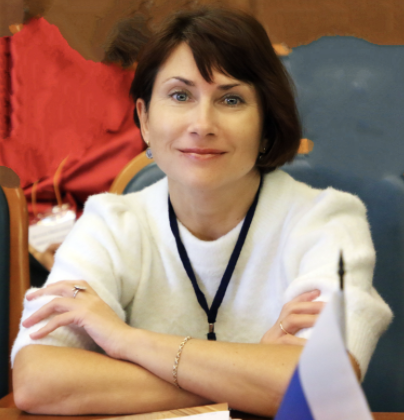
CPDWL Podcast Project Season 3, Episode 1: Barbara Lison, IFLA President 2021-2023

The CPDWL Podcast Project is back!

Our first episode for season 3 features Barbara Lison, IFLA President 2021-2023 and CPDWL Information Coordinator Edward Lim as host.

Hear the podcast conversation: https://anchor.fm/ifla-cpdwl

Barbara Lison is currently President of the International Federation of Library Associations and Institutions (IFLA) and has been the Director of Bremen Public Library since 1992. Barbara has been actively involved in German and European library Associations and IFLA for many years. She has served as President of the Federal Association Library & Information Germany (BID), the umbrella organization of the German Library Associations. From 2016 to 2019, she was Chair of the German Library Association (dbv). She has also held a number of senior positions in the European Bureau for Libraries, Archives and Documentation Associations (EBLIDA), including Vice President. Barbara is particularly committed to library policy and the development of libraries for the future.

Transcript below:

Edward 0:00  

Hi everyone! This is Edward Lim. Welcome to the CPDWL podcast project. In this space we talk with library and information professionals to support and participate in professional development work. Today’s guest is IFLA President Barbara Lison. Barbara Lison is currently President of the International Federation of Library Associations and Institutions (IFLA) and has been the Director of Bremen Public Library since 1992. Barbara has been actively involved in German and European library Associations and IFLA for many years. She has served as President of the Federal Association Library & Information Germany (BID), the umbrella organization of the German Library Associations. From 2016 to 2019, she was Chair of the German Library Association (dbv). She has also held a number of senior positions in the European Bureau for Libraries, Archives and Documentation Associations (EBLIDA), including Vice President. Barbara is particularly committed to library policy and the development of libraries for the future.

Welcome, Barbara!

Barbara  1:14  

Yes, hello, hello, hello, Edward. 

Edward  1:18  

Good to have you here! So we’re gonna start off with our first question. I always think it is the most difficult question but usually we try to solve the easy question. So, if you have to describe yourself using one word, what word would it be?

Barbara 1:34  

I would use the word vibrant. 

Edward 1:38  

Do you want to say that a bit more why vibrant?

Barbara 1:42  

Yeah. I always am very vivid, I like to talk with people. I like to network, I am very curious, so I like to discover the world, and I also like when the world discovers me so that is ,that is why I say vibrant.

Edward 2:04  

Interesting choice. So maybe you can start out a little bit, share with us, what compelled you to be a librarian. How do you get started, I didn’t notice that your university degree was in Slavonic Studies and History?

Barbara 2:23  

Yep. Yeah, History and Slavonic studies. Yes, well I was always interested in libraries, as a user of course, and I watched people who worked in the library, and I thought well this might be a, well not very interesting occupation or profession. But then I worked at the university, I had to earn money for my studies and I worked at the university. And I found that, this is in the library of the historical department for history, and as well this is a very interesting job because it helps people to get information and this is something which I really appreciated in that job. And for the first time I felt really useful. And so I thought, “well this might be interesting to go on with it…” and when I finished my topical studies, which led me and the first time to become a teacher for two years and then I thought, “Oh no, teacher is not what I wanted to be, let’s go for libraries,” and then I did a two year traineeship for librarians in Germany. And what was clear for me that I would rather go to public libraries, then two academic libraries that came from all the internships, which I made during this traineeship, and so I was always looking for a job in a public library.

Edward  4:05  

Yeah, I think that’s interesting, I believe some of our listeners would have similar experiences of encountering life libraries as the use of first, and being in some kind of library environment. And I think you mentioned being a teacher for a short while before you became a librarian. Is there any other profession, other than librarianship that you would have wanted to attend. Looking back at your long career in librarianship?

Barbara 4:36  

Yeah, well, there are two professions which are really what I like, what I like to start with. One is an engineer, I had an uncle who was an engineer and I was really admiring his work and I was very much interested. But, of course, in the 70s to start a study, as a woman in engineering, that was really awkward. And so many people said, “Oh no, just leave, just leave it out. Don’t say something and do something different.” That was one thing and the other thing was architecture or town planning. I’m still very much interested in architecture, library architecture, of course now, and also town planning and libraries, I think have a big role in town planning as well. So, that is, now I’m doing town planning and architecture from the library point of view.

Edward 5:31  

That’s fascinating. I’m sure we have listeners who used to be engineers and now your librarian so that’s interesting and you mentioned a little bit about architecture, about having libraries in the center of the town [that] are centered at community space I guess. So, I think what’s exciting is, you are now IFLA President, I read that you, you started serving in the Metropolitan Library section, quite some time ago in the 90s so, you know, maybe you could share with our listeners, how do you get first get involved with IFLA?

Barbara 6:06  

Well, I was always involved when I started my job in libraries, I was always involved with the association so I started of course with the German associations with the Librarians Association and the Libraries Association, and I saw a very high impact for my work for my person as well in networking. So, if you have a job like being a library director, it is more or less a standalone job because in a city, you are the only librarian director or at least in university, you are the only library director normally, and this is a standalone job so it is very important to network and to find people who have the same interest, who share the same values, of course, and this is mostly done in the association so you find other people with the same goals in the associations, and that is why I started in the national associations, and from the National Associations I came to the European umbrella of library associations. And then from there, the step into the international library world with IFLA was not that difficult. The first real encounter with IFLA which I had personally was in 2003, when the World Library and Information Congress took place in Berlin. And then, there I was a volunteer. I thought, “Well, I don’t have that much money at that time and nobody would have paid for me so I thought well if I become a volunteer, I can easily join the conference,” of course, I have to work, but this is something which helps me to get into, into the bubble of IFLA, if I may say so, yeah. So I worked there at the information desk in Berlin and met a lot of people that was so interesting to be a volunteer because as a volunteer, I think you might even meet more people whom you don’t know so far. Then if you are just there as a participant. So I always can very much advise to become a volunteer and then I was a volunteer again in Milan, so I started to be a volunteer and as a volunteer, you get involved with IFLA quite a lot. And yes, and then in 2007, I was President of one of the library associations in Germany. And that started then to become more on an outer field. And so I run for the elections in 2011 for [the] governing board.

Yes, and I was elected and I had, I think I had the second best voting at that time already for the first time I was running. So I felt really very well acknowledged and appreciated. Yes, and I was then from 2011 to 13 and 13 to 15 You have always two terms in two years for a term and IFLA. I was on the governing boards until 2015. And then I paused for two years. And I thought, “Well, why not try to get another position…” For instance, the President of IFLA but you cannot really come out, out of the blue, and become the President so you have to be part of the governing board or of one of the most governing board, and so while I ran again. I was elected and became treasurer. And then as treasurer, I ran for President. Yes and I was President elect from 19 to 21, and now I’m President so it’s maybe, one can say it’s step by step, and it’s a lot of luck, of course, and it’s a lot of work, but you have to be, you have to be lucky and fortunate, of course as well.

Edward 10:16  

I think you mentioned, a lot of themes that something about leadership, of being sort of lonely at the top, you mentioned being the only library director. I thought that was interesting, as well as many of us started being involved in IFLA because you know as a volunteer because it came to our city, or came to our country you know that sort of how I got involved in his life. Well, and I think that’s a great professional development team that you know we are [the] CPDWL section after all. So I want to ask you, do you have any other professional development tips or advice that you would like to share with others besides volunteering for upcoming IFLA activities?

Barbara 11:02  

Well, you can imagine that I have been asked this already several times, and I always say the first thing I always say, and I will repeat that is be curious and continue with your curiosity throughout your life. That means, be open to the new things [and] be open to other people. And don’t say I’m a saturated person. I think this is one of the most important things which brings you forward. And with give, which gives you a personal development chance. So whatever profession you might have and sometimes librarians say well I have learned to be a librarian for two or maybe three years. And that’s it, and now I sit here at my desk and wait until I’m retired. And I, this is in many professions the case, but I also meet, unfortunately, people in our profession who do this, and this is not really recommendable so I would really, people who would like to have — enjoy that job because you can enjoy their job in different ways but I think the real way to enjoy the job is to be service oriented and being service oriented needs, always an outward perspective. So, the output perspective is not based on its own. It must be curiosity, it must be a like for people, and a like for getting new knowledge and getting new knowledge, the basis is curiosity.

Edward 12:50  

Right, right. I hear I hear some of the other points, You mentioned really, it’s about staying engaged, genuinely engaged about the profession. Being curious you mentioned so this is probably going to be another question that you get asked a lot, now they get the President, you know, Share with us, a special moment, a memorable moment you have about IFLA, whether it was early in Berlin or in Milan, or recently, you know, the virtual WLIC that we had was anything that stands out for you?

Barbara 13:28  

Well you see, I have to come back to one thing. That’s the volunteers that said I was a volunteer. And for me, it is always such a great feeling, it comes into my heart. When, at the end of the conferences. I see the 3 to 400 volunteers, being onstage, or somewhere else, and being applauded and being so happy that they were, they were part of it, and I am so happy that there are so many people who are engaged, who are trying to be a part of the IFLA family and the IFLA community in a way which is service. And so I think service orientation is so clue to our profession, and in the in these three or 400 volunteers, you see the service oriented orientation and this is for me, always this this warms up my heart very much. When, when, when we have the IFLA volunteers together and we cheer them and they cheer themselves. That’s so wonderful.

Edward 14:46  

Right, I mean, I mean, just, just to continue on this point about, what are you excited, the most in the profession, they see that you have a long history, you know, when it comes to advocating for libraries.  We mentioned earlier about public policy, and stuff like that but you know I wanted to hear a little bit more about what gets you excited about the profession, you know, you’ve been in the profession for a long time now.

Barbara 15:17  

While the profession is a profession, who helps people to develop themselves. We say libraries change lives. And I think this is so true libraries change lives, but it’s not the buildings, it’s not the books, it’s not the information which is there, it’s the people who work in the libraries, who have the ambition to improve the lives of the people who come to the library and use the library, and this is for me. The crucial things, might it be academic librarians who serve, research, and who support research and learning and on a very high academic level. Might it be the children’s librarian, who tries to, to, well to implement into the children, the joy for discovering knowledge, not reading alone, the joy for discovering knowledge. And this is, this is for me the clue of the profession.

Edward 16:25  

Okay, so I just wanted to talk a little bit. We talked about sort of being involved at the national level, like you were with the German Library Association, and also at the regional level with your work at the European level. And now you know you’re the President of IFLA, and this is really probably at the highest, you know, international stage. So maybe you could talk a little bit more about what global library should mean to you. I know you mentioned a lot, you know, in your previous presentations about multiculturalism and diversity, you know, I would like to hear more, and I’m sure our listeners would like to learn more about that.

Barbara 17:06  

Yeah well global, global librarianship, does not mean that every library is like the other. So, the global librarianship is …. it’s a positive puzzle, a jigsaw of different pieces, which bring a big picture of global libraries together. So, one library can be a huge academic library like let’s say Stanford or a huge public library like let’s say, the public library of Rotterdam in the Netherlands, but they are different, they are different. Our library, like we know there are these camel libraries, or the libraries on boats or whatever, but they all bring in their shares to bring knowledge to people in a different way, and with different accents and this is how diversity comes in, because the accents of the content is different, that maybe the way they work is different, but the outcome, the result is the goal is the same. And so this is for me this is global librarianship, we are united in our goals, and we are. Perhaps you remember that. If not, started the global vision project, and the highest or the outcome on the highest level of this global vision project was we are united in our goals, how we now fulfill the goals, how we work to come to that goal that is different. And this must be different from country to country from a social level from one to the other. But the goal is the main thing and I just said what the goal is for me where and I think these are the goals for all the librarians and the global library. The Global Vision Program showed exactly this: we have these 10 opportunities and the global vision. And when you look at the 10 opportunities, then you also should look at the 10 challenges and to fulfill these goals, you work in a different way in different countries on different levels. But the goals are the same and I think this is so important.

Edward 19:42  

Do you mind talking a little bit about, you know, you’ve been involved at different libraries associations of the year, you know, how has your sort of vision for librarianship of libraries how how is that changed for you personally over the years?

Barbara  20:00  

Well, I think that my understanding of a library is not a static understanding. It is not referred to a building or referred to special media. So, the understanding of a, of a library. I think every librarian should be change. So the understanding is we should be ready for change, we should be savvy enough for change, I think this is, this is a very important thing and the 30 years and now in Bremen Public Libraries, and the let’s say, 38 years that I’m in librarianship now has shown that we have we can never sit down and say, “That’s it, now we are done.” And this is something which is important when I started in the library field, we were discussing, oh, shall we have videos in the library. “Oh yes, perhaps we shall do a project to find out whether we have videos…” then 10 years later, “Oh, what about the internet there’s something coming up, like, what is called Internet …What is this?” Then in between came the computers into the library and of course digitization brought a lot of change and is bringing a lot of change into the libraries, and we shall be ready to take that change and make use of the development, not follow blindly the development… that’s not good, but make use of the technical development, if possible, of course, and bring it to a service and develop services which are useful for our users and customers.

Edward 21:54  

Right, I think your message, definitely, rather than you know today with so much new technology, you know revolving around things like, you know, artificial intelligence, you know, you’re bound to the library. So we want to end off this sort of podcast recording shows my listeners want to learn more about what you have to share, and I see the many many library groups that invited you to give keynotes and presentations you know different library associations, maybe you could share in this upcoming project or presentation also event you’ll be attending virtually. You know how our listeners can tell a follow up with some of the things that you’re working on.

Barbara 22:41  

Yeah well I’m working, of course, a lot on IFLA itself, because the President also has to care for the organization where he or she is President, so. Perhaps you remember that we had, we have new statutes, which changed a flag quite a lot in different parts, And especially we introduced into IFLA more appreciation for the region’s, so the region’s play now, a bigger role also connected with the issue of diversity, a bigger role within IFLA shall play a bigger role within a flat as they had done before. And not only the regions like Asia and Africa or South America, but regions like North America or also Europe. So we now have the six regions, which are represented in the Regional Council and the chair of the Regional Council is also on the governing board so on the highest body of IFLA. So this is something which I really look forward to bringing into life, this idea about regional representation and the regional participation in the IFLA work, that is something which is very important. And of course, we are living in pandemic times, and you have, have seen what has happened with IFLA last year we did not not have any conference this year we had a totally virtual conference, many people were very happy about this conference, but also said, “Well, you see, the social aspect and the meeting in person is so important as well.” So next year we are going to have a hopefully we are going to have a hybrid conference, and to bring this hybrid conference into a good position and into a good service to all our members and all the librarians who want to attend virtually or in person. This is a big project not only for me but for headquarters and the Secretary General, but this is something the organization does not exist without work. So we put off a lot of work and I myself will do that as well into a sustainable organization so you know my theme is, “libraries building a sustainable future.” This is my theme, and this belongs to the libraries, of course, and it also shall belong to IFLA as an organization because only strong IFLA can support the libraries of the world if we are a weak organization, who cares?

Edward 25:25  

Right, I think that’s been many changes. If you know, to try and keep up with some of the ongoing changes like you mentioned the statutes, and also right to the conferences that, you know, WLIC is sort of changing, and will continue to change for next year in the foreseeable future. So yeah, I think many of our listeners will be looking forward to some of these changes, and also you communicating these changes to the members and [to] different library associations… Barbara, I want to thank you personally for being here with us. I know you have a busy schedule. Thank you very much for sharing some of what we have covered about, you know, being involved, that is volunteering in IFLA. And I hope we will continue to have, you know, volunteers, or for IFLA conferences in one shape or form, you know, you’ll be in the future. So I want to thank you and then…

Barbara 26:25  

Yes and thank you very much for having invited me for this podcast, I enjoyed it very much and thank you for your questions, Edward!

AFLI release “Arab Libraries Dealing with the Corona Pandemic” book

The Arab Federation for Libraries and Information (AFLI) announced recently the launching of its new book entitled “Arab Libraries Dealing with the Corona Pandemic: Arab Experiences”.

The book was issued on the occasion of the “Arab Library Day 2021” to gather the efforts of libraries and institutions that show how the Arab libraries interact & provide their services to the beneficiaries to ensure the continuation of their services during the pandemic, and to document the repercussions and lessons learned during this period.

The book is available in Arabic language on  AFLI website at: https://bit.ly/3nrYycj

The book discusses the following topics:

  1. Arab libraries and their experiences during the Corona pandemic: case studies; how the library dealt with the pandemic, plans, lessons learned, services, future plans.
  2. Arab libraries and future plans to deal with unexpected crises
  3. Crisis management and activating its role in Arab libraries and information institutions.
  4. The technical and physical infrastructure of Arab libraries of all kinds and their readiness to serve their beneficiaries in light of unexpected crises
  5. Library and information specialists and how to perform their tasks in light of the pandemic: reality and challenges

Cover of the book

This book aims to clarify:

  • The Arab contribution to documenting the efforts of Arab libraries of all kinds, as well as their professionals, in dealing with the unprecedented Corona pandemic.
  • Uncovering the ways and mechanisms of participation/contribution of various Arab libraries with this pandemic and its unusual repercussions.
  • Shedding light on the methodologies for adapting Arab libraries to this circumstance.
  • Standing on the contribution of Arab libraries to raising awareness of ways to prevent infection and the spread of the epidemic.
  • Shedding light on the most important types of information services and activities provided by Arab libraries during the pandemic since its inception until today.
  • Show the readiness of Arab libraries, with their technical infrastructure, and their material and human capabilities, for such unprecedented crisis.
  • To identify how Arab libraries have responded to the changes required to deal with this pandemic.

It is worth mentioning that the contributors of the book are:

Algeria (Algeria National Library; Faculty of economic and business sciences, management Library at Batna University; Public library “Mohamed Hammouda bin Saei” in Batna state);

Egypt (Bibliotheca Alexandrina; Misr Public Library; Egypt’s Society for Culture and Development);

Iraq (Iraq National Library and Archive);

Jordan (Abdul Hameed Shoman Foundation library).

Oman (Main Library at Sultan Qaboos University; Learning Resource Center at Saeed Bin Jubair primary School).

Palestine (Library of Dar Al-Kalima University College of Arts and Culture Library; Nablus Municipality Public Libraries).

Saudi Arabia (King Saud University Libraries; Deanship of Library Affairs at King Abdulaziz University).

Sudan (The Sudanese National Library).

United Arab Emirates (Sharjah Public Libraries).

The book also demonstrated a model for the YouTube channel dedicated to librarians and its impact on society.

The book concluded the experiments presented with the lessons learned and a guideline for opening libraries after the COVID- 19 pandemic.