Category Archives: General

Multicultural Library: Reality and Prospects

The Russian Federation declared 2022 the Year of Cultural Heritage of the Peoples of Russia. This decision is in tune with the International Decade of the World’s Indigenous Languages (IDIL 2022-2032) proclaimed by the UN General Assembly (A/RES/74/135 Resolution).

In pursuance of it, the Russian institutions of culture, including libraries, have run cultural, educational, and professional events showcasing cultural diversity and promoting the local tangible and intangible cultural heritage.

Over many years Library for Foreign Literature (LFL) has lent methodological support to the activities of Russian libraries. LFL’s major annual professional forum, April Library Moscow Agenda (ALMA), this year is designed to help Russian libraries to develop services for multicultural populations.

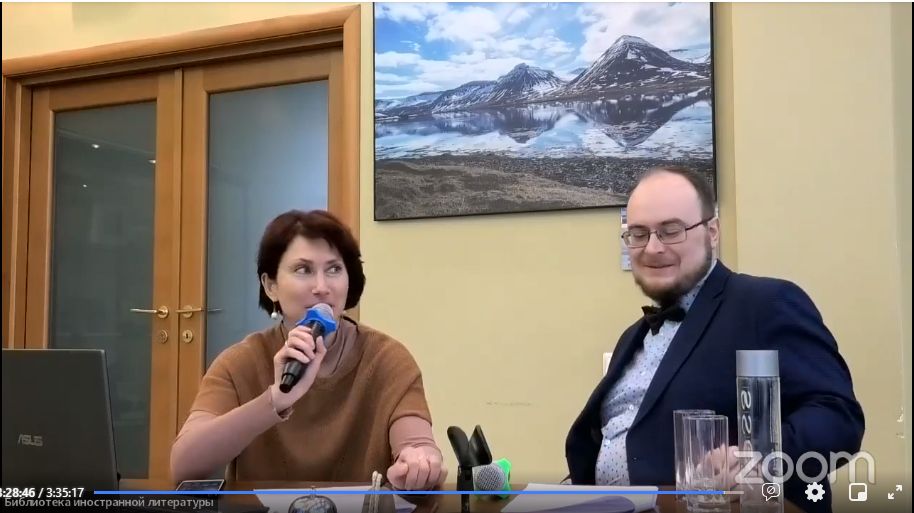
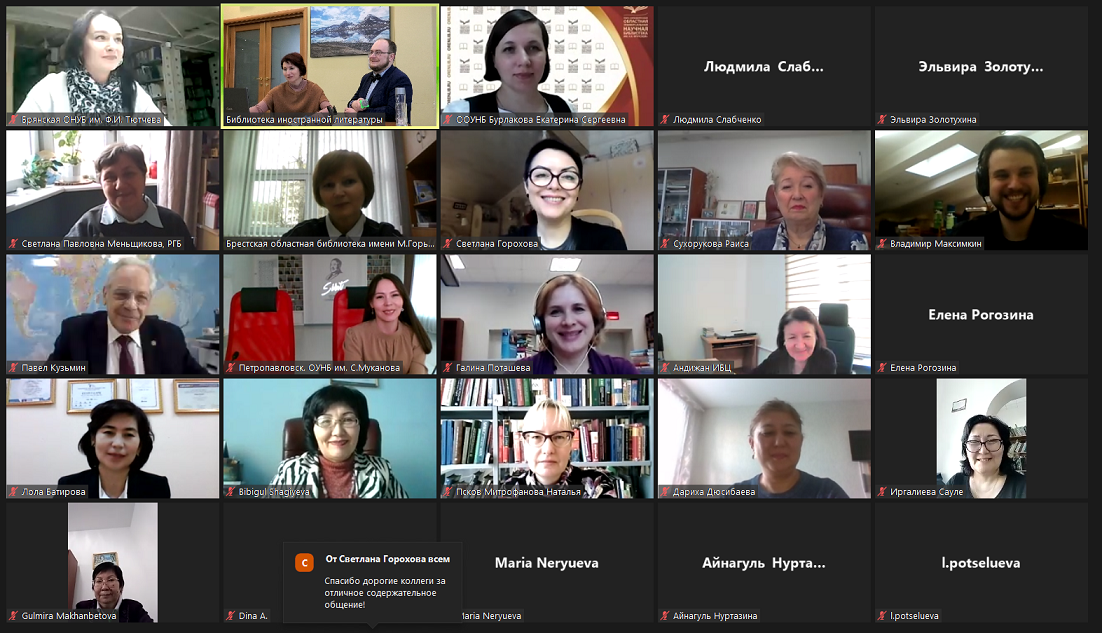
On 6 April, 2022, Library for Foreign Literature held the 5th international ALMA forum dedicated to LFL’s 100th birthday. The event gathered representatives of regional libraries of Russia and LFL’s partners from the CIS (Commonwealth of Independent States) countries to discuss the global future of the library field and chart the way forward.

Mikhail Afanasiev, RLA president, and director of the State Public Historical Library pointed out that ALMA forums helped define views on the world and indicate what libraries can give the world at present.

“Today, in an age of divides, the library must maintain a sense of a united world. This is the mission that librarians in Russia and in the world need. We are a united community.”

Mikhail Afanasiev

The discussion of modern problems of the multicultural world was the main focus of the meeting. The UN’s initiative, the International Decade of the World’s Indigenous Languages, met with the support of the librarians, who spoke out in favor of making a contribution to tackling these problems.

The keynote address was made by Evgeny Kuzmin, a member of the National Organizing Committee for the 2022–2032 International Decade of Indigenous Languages in Russia, head of the Russian Committee of UNESCO Information for All Program (IFAP), Vice-Chairman of the Intergovernmental Council of UNESCO/IFAP, head of the UNESCO/IFAP Working Group on Preservation of Languages and Development of Linguistic Diversity in Cyberspace. His report, Modern problems of preservation and development of minority languages in the conditions of multilingualism in Russia and in the world: solutions and prospects, elicited a great response and lively discussion among the participants.

Evgeny Kuzmin stressed that issues related to the preservation of indigenous languages should be viewed from different perspectives — complex, multi-layered, civilizational, linguistic, and social. The extinction of indigenous languages and dialects is a consequence of globalization. According to experts, by the mid-XXI century, there will be only 60–70 dominant languages left in the world. All spoken languages will gradually degenerate, including African and eastern languages, which are noted for their ancient roots and richness. It is a great threat to the world’s cultural diversity.

The key role of education and its availability in indigenous languages remained central to the discussion. The librarians addressed the problems of the remoteness of indigenous peoples’ places of residence, the inadequate infrastructure, and the high potential that distance learning has in such territories. The participants in the ALMA forum described solidarity and cohesion of the language communities as one of the key factors in reviving and preserving their languages.

“People should be sufficiently well motivated to preserve their indigenous languages. It includes studying them, keeping up and using in public space, writing books in them, publishing newspapers, dictionaries, putting on plays, raising public awareness of any shifts in the linguistic realm. In cyberspace it implies developing machine translation and speech synthesis. All this is time-consuming and takes a lot of effort. It requires exchange of experience and conducting research.”

Evgeny Kuzmin
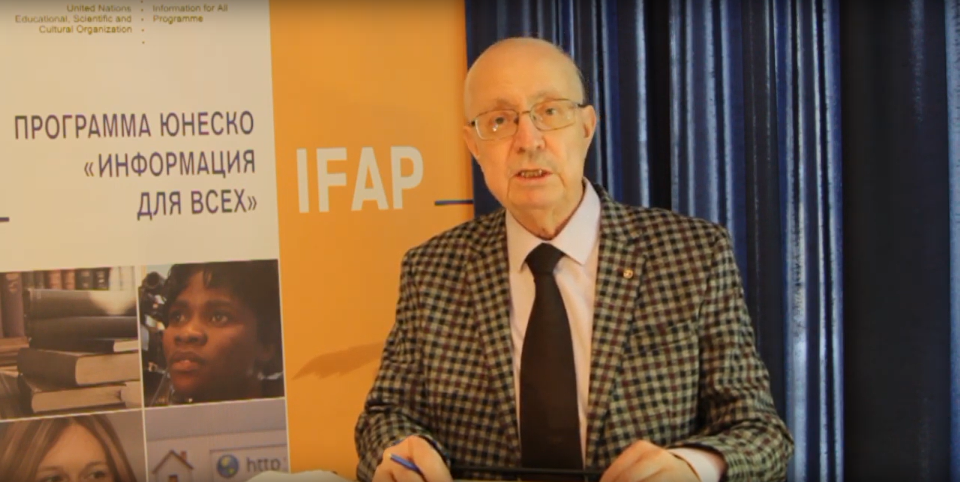
Evgeny I. Kuzmin’s presentation (in Russian) can be viewed here.

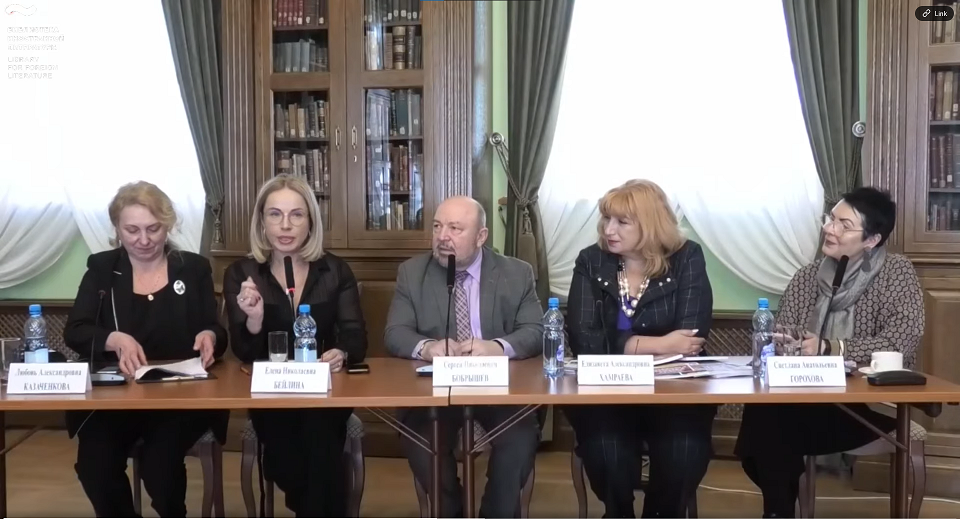
Further to the topic raised by the keynote speaker was a panel discussion entitled “Big Country and I: Big Opportunities and Big Risks”. It involved leading Russian experts of international and regional organizations for indigenous peoples and preservation of cultural heritage, specialists from major Russian research centers, universities, and publishing houses, as well as linguists, translators, developers of the site, and social media interfaces in indigenous languages.

The experts’ position was clearly stated: everyone has the right to study, read, and speak in their mother tongue, the language of their ancestors, and any multiethnic country has the obligation to allow its nationals to do so. The key role of education and its availability in indigenous languages was an overarching theme of the discussions. As regards the preservation of languages and intangible heritage, it is clear that the development of an effective way forward depends upon the concerted actions of a variety of institutions and sectors: legislation, education, publishing, IT technologies, and, of course, libraries.

The experts shared their unique cases, solutions, and best practices.

The forum‘s recording (in Russian) is available on the portal Culture of the Russian Federation portal.

  • Svetlana A. Gorokhova,
    Academic Secretary, V. Mayakovsky Central City Public Library, Saint-Petersburg, Russia
    Advisor to Director General, M.I. Rudomino All-Russia State Library for Foreign Literature, Moscow, Russia
    Board Member, Russian Library Association (RLA)
    Chair, RLA Section for International Cooperation
    Advisory Group Member, IFLA CPDWL Section
  • ​Daria A. Beliakova,
    Head, Center for Library Science and Professional Interaction, M.I. Rudomino All-Russia State Library for Foreign Literature, Moscow, Russia
    SC Member, IFLA CPDWL Section
  • Translated by Maria Bereslavskaya, Leading Specialist, Center for Library Science and Professional Interaction, M.I. Rudomino All-Russia State Library for Foreign Literature, Moscow, Russia
Future-proof librarian, part 2: Co-operation with Wikimedia – Ideas from Sweden

Writer: Jarkko Rikkilä, coordinator, Tampere City Library – Regional Development Task, Finland

How can libraries co-operate with Wikimedia – Ideas from Sweden

Besides enhancing our skills in evaluating, the libraries could also participate in organizing, producing and creating information. One of the interesting methods of doing so would be co-operating with the Wikimedia Foundation. There’s a lot of similarities between libraries values and the goals of the free encyclopedia Wikipedia. The aim of both is to make information accessible to as many people as possible. In addition, the professional ethics of the library staff has similarities to the principles recognized by Wikipedia volunteers.

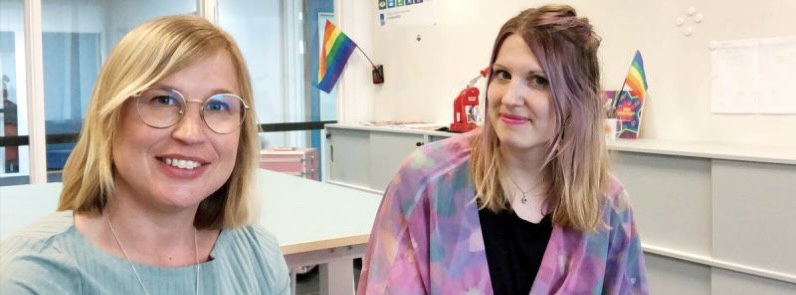
One of the library development organizations that has opened up doors concerning this kind of co-operation is the Sörmland Library Development Unit in Sweden. I interviewed our Swedish colleagues Malin Klintholm and Victoria Lagerqvist, who shared kindly their thought to CPDWL blog readers. We met with Malin and Victoria in the Next Library 2019 -conference in Aarhus Denmark and we’ve been in touch since. Malin’s and Victoria’s ideas were the inspiration to our own Wikipedia related training sessions for librarians in our area. That’s why I think these are good tips and tricks for everyone working with professional development!

Malin and Victoria

Tell us some examples of the co-operation with Wikimedia?

“In 2020, together with Sörmlands museum and Wikimedia Sweden we initiated Project LBTQI on Wikipedia, where we improve Wikipedia from a LBTQI perspective in regarding content and representation of editors. Our co-operation is a way to work with democracy, sustainability and equality online, in line with the mission of the public library.”

“Because of Project LBTQI we had a lot of interactions with Wikimedia Sweden as well as the museum. These led us (Sörmlands museum and Biblioteksutveckling Sörmland) in getting a Wikimedian in Residence during for six months in 2022. With this position we want to explore how librarians can work with Wikipedia, how the museum and library can collaborate, and also strengthen our own organization as one that empathizes with a sharing culture, and accessibility to free knowledge. Both us and Wikimedia Sweden have also been contributing with courses and articles to the theme Wikipedia on Digiteket, the national learning platform for librarians in Sweden.”

How could the librarians participate in creating and editing information?

“Librarians can participate in many ways, like enhancing Wikipedia with better sources as well as help others to find sources. It’s like being a reference librarian in a digital setting. Working on Wikipedia is a way to meet the users where they are and where they seek information, but also participate in building a community, making sure it’s a community for and by all. It’s also a great way to teach literacies.”

“The library could organize Wikipedia activities, for example edit-a-thons on different topics and gather people who are interested or have a lot of knowledge on the chosen topic. Maybe on the climate issue or local authors? Since Wikipedia is a global movement, librarians could also take advantage of the different languages spoken in a community, working together to improve articles in different languages at the same time creating a learning space for language development.”

“We encourage librarians to take part in #1Lib1Ref (which stands for one librarian, one reference) which is a campaign happening every year. Librarians could also join a Wikipedia project of relevance, for example in Sweden, they could join our Project LBTQI, in order to either learn more about how to identify and bridge gaps on Wikipedia, or to raise awareness of LBTQI knowledge in their own library and in the community.

“We see that librarians through Wikipedia could play a part in the work where underrepresented groups gain the visibility they deserve. If you put a light on more stories that matters in our understanding of the world, we contribute to broaden our collective knowledge, making it a much better and more relevant knowledge development.”

What kind of new skills or learning have you detected with the co-operation?

“Libraries and the Wikimedia share the common purpose of providing free public access to resources and knowledge for everyone. With our co-operation we’ve deepened our understanding of Wikipedia itself as well as all the other Wikimedia-platforms, and all the possibilities related. It’s been helpful for us to be more open-minded to different ways of thinking. Also through co-operation librarians are learning how and why it’s a good idea to be a librarian on Wikipedia. For example, increasing the understanding of open linked data, put on the role of being a reference librarian in a digital environment, skills regarding copy right and open source are in our findings.”

Since working on Wikipedia is a kind of never-ending story, it’s also a perfect fit for lifelong learning – for you, your colleagues and your local community.

Future-proof librarian, part 1: Fact-checking, multiliteracy and up-to-date evaluating skills

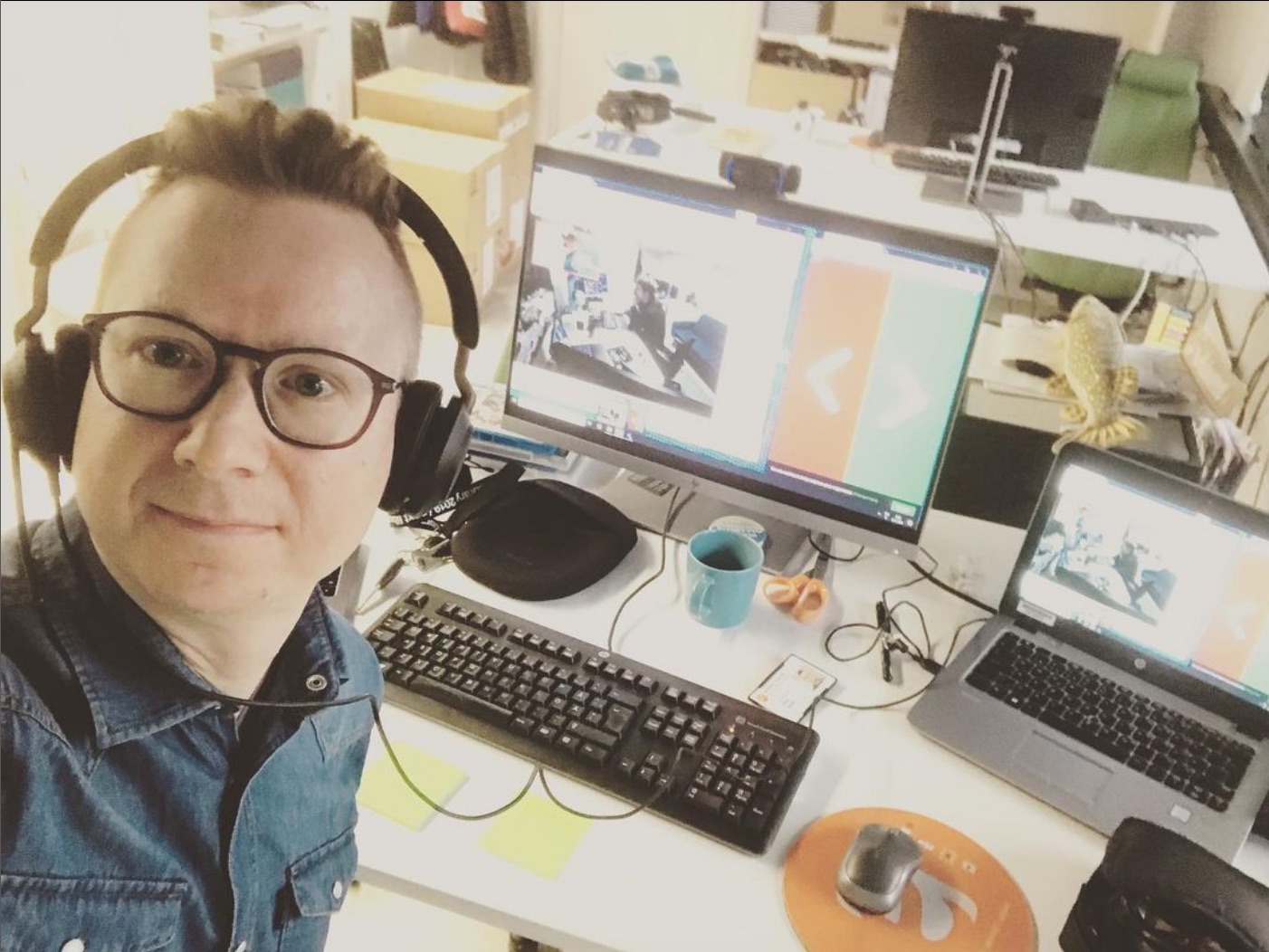
Writer: Jarkko Rikkilä, coordinator, Tampere City Library – Regional Development Task, Finland

“It’s times like these you learn to… evaluate again!”

In today’s world every librarian should have the basic skills recognizing and evaluating misinformation. The changing media atmosphere and information advocacy affect to the librarian competence. Multiliteracy is essential as it describes the diversity of communication. Also, we could learn new abilities by producing and editing content in Wikipedia.

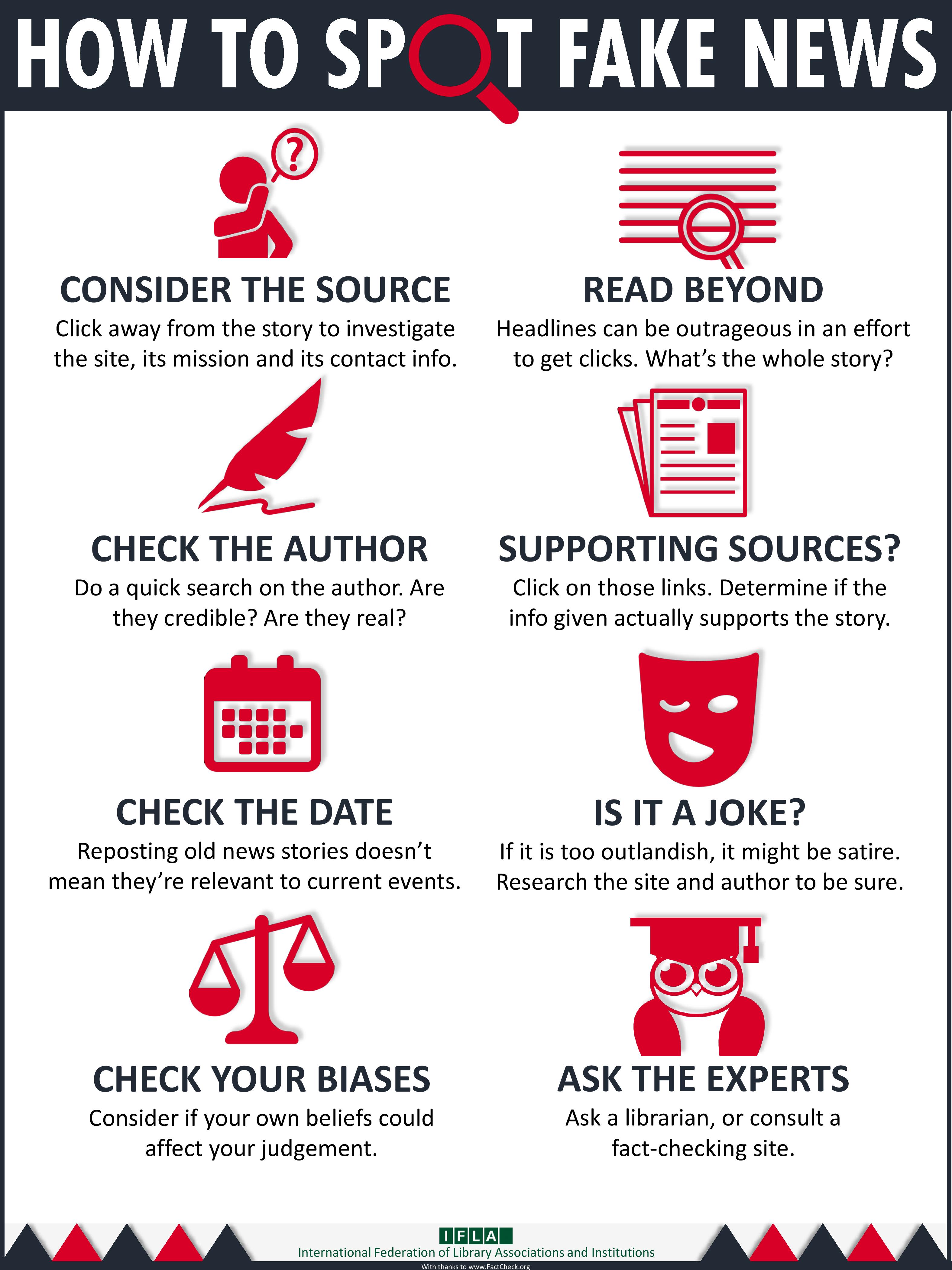
One of our key themes in library staff training in the last couple of years has been raising the awareness of the changing professionalism that deals with identifying false information. IFLA’s How to spot fake news -infographic is a relevant checklist that is also shared among Finnish libraries. The evaluation of information is in the core of the librarian spirit. We are professionals in evaluating and helping our customers with reliable information from the collection. However, in the diversified global information environment the library collections are just one side of the coin.

There’s so much going on and the libraries have an impact. For example the covid pandemic caused a phenomenon called infodemics and to address this the WHO launched a special training on infodemic management. On the other hand, new channels and tools cause thoughts for the individual library worker. A concept called Data Detox Kit is addressing these themes. The kit offers everyday steps you can take to control your digital privacy, security, and wellbeing.

Disinformation, change of expertise and management of own data -training program for librarians

Last year we organized and conducted a four-part training program with an external library consultant called Disinformation, change of expertise and management of own data. The program consisted of the following parts:

  1. Getting to know the phenomenon
  2. Tools for preventing disinformation and fact-checking
  3. How do I manage and build my own information environment?
  4. Libraries as mediators of “reliable information”

The first part consisted of the basic terms and concepts of the matter. Second part provided the participants with tools of fact-checking. The third part concentrated on the individual – what can I do to clarify my own information environment? The fourth part argued the role of libraries in providing reliable information through collections. According to the feedback we got the program answered many of the questions our librarians are dealing with. The sessions also provided participants with good discussion and perspectives on the role of the library now and in the future.

Information advocacy and workhops this year

This year here in Tampere we were joined by two other regional development organizations (Lahti & Porvoo) to construct and educational program for libraries related to information, advocacy and libraries. Our series is focusing on themes like freedom of expression, fake news and change of expertise. We are kicking off the program with a special day where we have different specialists speaking out their views: Social media influencer, journalist, and civic activist. Besides this there will be a panel discussion where we point out the views of the library.

After the kick-off day we’re going to have three workshops this year for library workers throughout Finland. The workshops are happening this spring and the next autumn. Workshop themes are how to identify misinformation, how to plan a customer event and how to get started as a library with Wikipedia. In the next Future-proofing the librarian blog post I’m going to introduce ideas from Sweden about Wikimedia co-operation. So – stay tuned!

Librarian’s Day in Brazil

[the text in portuguese goes below]
March 12th we celebrate Librarian’s Day in Brazil.

It is always a festive day, with many actions across the country. Librarians motivated to work for more and better libraries, as well as promoting the continued learning of professionals.

In this year – on March 2022 – the Brazilian Commission on Copyright and Open Access of the Brazilian Federation of Associations of Librarians, Information Scientists and Institutions (CBDA3/FEBAB) held a webinar for the presentation of the “Guide to libraries: copyright and access knowledge, information and culture”.

The event was a success, with the participation of more than 150 participants simultaneously.

This guide is to answer professionals about the many questions regarding the balance between the libraries’ mission and the guarantee of copyright. Thus, the content of the guide was built with day-to-day work questions from the Brazilian community of librarians that were sent to the Commission, and answered by it.

The Guide is a fundamental instrument, helping with the uses and practices that can or should not be done by libraries. It gives them – the libraries – security, about compliance with copyright and the guarantee of access rights to information users, and thus they can fully fulfill their noble mission of promoting knowledge and culture.

These actions, by CBDA3/FEBAB, are contributing to goal 16.10 of SDG 16, “Ensure public access to information and protect fundamental freedoms in accordance with national legislation and international agreements”.

The guide can be donwloaded from the Federation repository at this link

http://repositorio.febab.org.br/items/show/6214


***************************************************************************************************

Dia 12 de março comemoramos o dia do bibliotecário, no Brasil

É sempre um dia festivo, com muitas ações pelo país.  Bibliotecários motivados por trabalhar por mais e melhores bibliotecas, bem como promover o aprendizado continuado dos profissionais.

Neste ano de 2022, a Comissão Brasileira de Direitos de Autor e Acesso Aberto da Federação Brasileira de Associações de Bibliotecários, Cientistas da Informação e Instituições (CBDA3/FEBAB) realizou um webinar para o lançamento do “Guia para bibliotecas: direitos autorais e acesso ao conhecimento, informação e cultura”.

O evento foi um sucesso, tendo a participação de mais de 150 participantes simultaneamente.

Este guia, é para responder aos profissionais sobre as muitas dúvidas quanto ao equilíbrio entre a missão das bibliotecas e a garantia do direito de autor. Assim, o conteúdo do guia, foi construído com questões de trabalho do dia a dia, da comunidade brasileira de bibliotecários que foram enviadas à Comissão, e por ela respondidas.

O Guia e um instrumento fundamental, no auxilio sobre os usos e práticas que podem ou não devem ser feitos pelas bibliotecas. Dá a elas – as bibliotecas – a segurança, sobre o respeito aos direitos autorais e a garantia dos direitos de acesso à informação para os usuários, e assim podem cumprir plenamente sua nobre missão de promover o saber e a cultura.

Estas ações, da CBDA3/FEBAB, estão contribuindo com a meta 16.10 do ODS 16, “Assegurar o acesso público à informação e proteger as liberdades fundamentais em conformidade com a legislação nacional e os acordos internacionais”.

O donwload do guia pode ser feito no repositório da Federação neste link http://repositorio.febab.org.br/items/show/6214

Meet your CPDWL officer

CPDWL will try a new format, to keep the connections of the standing committee members and advisory group members more tight.

As a result of the breakout room sessions during the mid-term meeting of CPDWL in February 2022, we are planning to have zoom meetings every month without an agenda, just to chat and talk about the ongoing projects, questions raised by the participants or information from IFLA and its bodies. And we hope to gain some new ideas for programmes as well.

We’ll start by invitation, but might open up these meetings for interested colleagues from around the world later.

Let’s see, if it will be successful or the hosting officer will be just on her/his own?

Happy for your comments and ideas to make this format successful.

Take care and kind regards

Ulrike, Almuth, Alan and Edward

Library Dialogue of the CIS Countries and Border Territories

Today’s national borders, certainly, pose no obstacle to the development of a single cultural and information space where universal human values are preserved and passed on from generation to generation.

Libraries in border territories have been known for their great contribution to strengthening inter-State socio-cultural ties, preserving the local cultural heritage and fostering the exchange of contemporary cultural achievements. These libraries instill greater respect for the national history in the younger generation. They encourage local people to take part in international cultural projects, which promote tolerance towards other cultures and ways of life and prevent conflict.

Library for Foreign Literature (LFL) in Moscow has been acting as an international activities methodology centre for the libraries in Russia’s regions. LFL has paid great attention to cultural projects involving the CIS countries.

On 18 February, 2022, LFL hosted a meeting entitled “Library Dialogue of the CIS Countries and Border Territories” to exchange professional experience, discuss best practices and work out methods to bolster cooperation between libraries in the border territories.

Over 70 managers and experts from federal and regional libraries in Russia, Belarus, Kazakhstan, Kyrgyzstan and Uzbekistan participated in the meeting remotely. By inviting Russian libraries which have counterparts in the Nordic and Baltic countries, East Europe and Asia, the hosts have deliberately gone beyond the geographical scope of the Commonwealth of Independent States so that the cross-border cooperation, its practices and opportunities, could be viewed in a broader light.

The main purpose of the meeting was to create a methodology for the development of the international cross-border cooperation for different libraries – from municipal to national ones. That’s why the meeting’s programme was split into two blocks – theoretical and practical. The first block discussed trends in the cross-border cooperation over the past 20 years. The participants listened to presentations by experts from Russia’s leading methodology centres: LFL, Russian State Library, Library Assembly of Eurasia and Intergovernmental Foundation for Educational, Scientific and Cultural Cooperation. The second block highlighted best practices of the cross-border cooperation in Russia, Belarus, Kazakhstan, Kyrgyzstan and Uzbekistan.

The programme was structured as a dialogue between librarians from the CIS countries: they discussed joint projects and analysed their impact on various aspects of the social life in the cross-border communities.

Prior to the meeting, LFL prepared and sent out to the participants a special presentation template to structure the presented factual information:

  1. The title of the project realized by the library in the framework of the cross-border cooperation.
  2. The project’s goals.
  3. The project’s description.
  4. Partners
  5. The results reached in 2020 – 2021.

The presentation’s time limit was 5 min.

This timing mode helped to build a dynamic and well-structured pattern to summarize the practices and identify trends in the cross-border cooperation, taking into account:

  • the region’s history and geography;
  • the project’s political, economic and social background;
  • social and ethnic compositions of the local population, their cultural and educational needs that can be met by the project.

The Library Dialogue meeting allowed its participants to see how the cross-border and, in a broader sense, international cooperation can help strengthen socio-cultural ties. It showed how libraries in the border territories could share their information potential and achieve significant progress in providing library and information services to their ethnic minorities. It also demonstrated opportunities for revitalizing international professional exchange and introducing innovations in the library field.

To summarize the results of the Library Dialogue meeting a methodology document is being prepared to be used as guidelines for developing and implementing international library projects in the cross-border territories.

​Daria Beliakova,

Head, Center for Library Science and Professional Interaction, M. I. Rudomino All-Russia State Library for Foreign Literature, Moscow, Russia,

SC Member of the CPDWL IFLA


Maria Bereslavskaya, Leading Specialist,

Center for Library Science and Professional Interaction, M. I. Rudomino All-Russia State Library for Foreign Literature, Moscow, Russia
Future Looks Good! Thoughts of collaboration with LIS educators in Finland

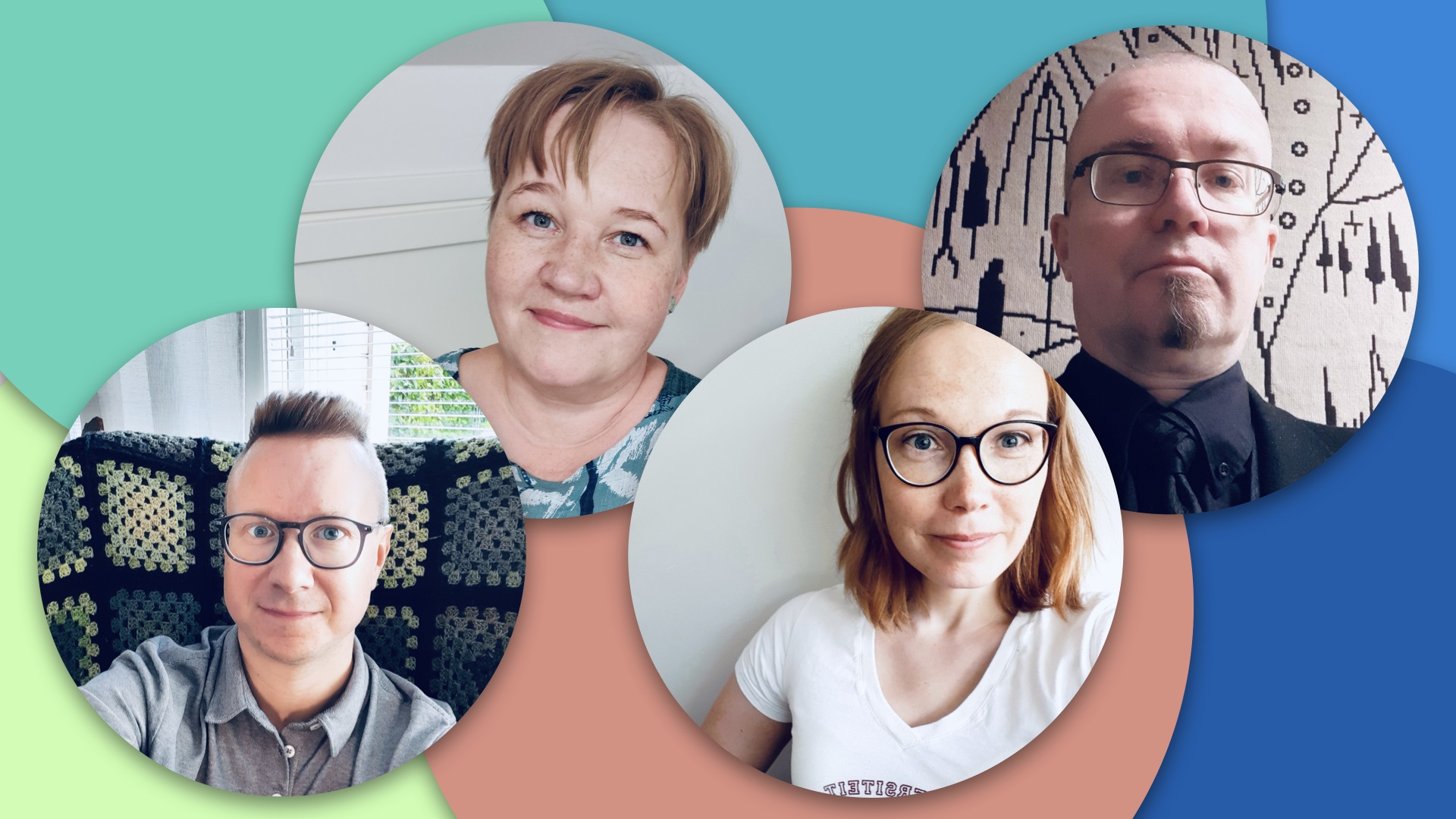
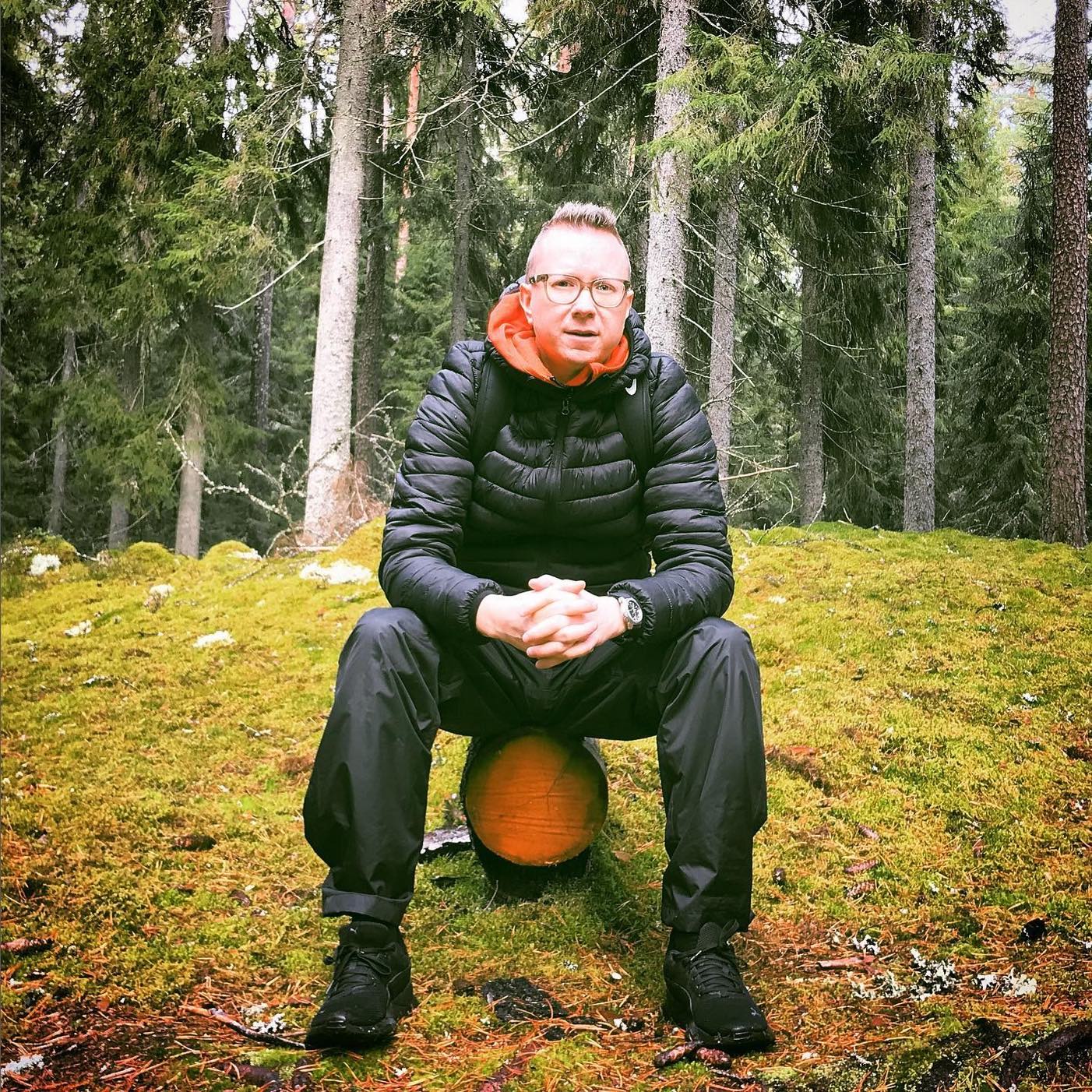
My work as a coordinator in the Tampere City Library’s regional development task includes duties like supporting the professional competence of library staff and promoting the cooperation between the libraries in our region in Pirkanmaa and Central Finland.

Jarkko Rikkilä, coordinator, Tampere City Library – Regional Development Task

I think that in achieving these goals we could benefit a lot from the change of ideas with the educational organizations that provide training of library and information science (LIS). There can be various ways to get a job from the library. In Finland the field of librarianship can be studied for example at a university or the university of applied sciences. We’ve been working on the relations actively towards library educators for a couple of years now to strengthen this.

The collaboration between the working life and training organizations is crucial when we think about our profession in the future. In our case, we have regular meetings with the Tampere University to discuss themes like up-to-date thesis subjects, library trainees and qualification matters. We’ve also contributed to round table sessions in the creation of new library programmes in the Seinäjoki University of Applied Sciences. Thirdly we’ve been sharing findings of the library customer service and of our concept called The driver’s licence to library customer service with the Turku University of Applied Sciences.

Within this framework I contacted Associate Professor Tuomas Harviainen (Tampere University), Lecturer Satu Salmela (Seinäjoki University of Applies Sciences) and Senior Lecturer Kati Haanpää (Turku University of Applied Sciences) to find out, what kind of skills are needed in the future and how the education should answer the challenges libraries face in the coming years.

Soft skills and qualifications

The very useful and accurate 2021 IFLA Trend Report Update points out multiple trends that are linked to librarian skills in the future. The trend #4 is The rise of soft skills and trend #17 Qualifications matter. Firstly I asked Tuomas, Satu and Kati how do they agree with these and how these two trends are taken in to account in the educational programmes in the Finnish library education?

Tuomas Harviainen: “The issues are highly relevant, and we’ve included several elements of this in the curriculum. As the report notes, useful soft skills may be tied to eg., several types of cultural knowledge, which is why a connection exists to for example information literacies. And as pointed out in #17, these are in turns parts of the expertise that form the wider whole librarianship nowadays. We try our best to guide our students to gather such expertise from also other disciplines during their studies.”

Satu Salmela: “Soft skills are sort of expertise in our field and to our students, perhaps easier to embrace than within some other fields. Without soft skills, I think it is difficult to reach your full potential in the working life. In our education these matters can partly be found in our general competencies and therefore they are taken into account throughout the whole curriculum. Teaching methods, pedagogical approaches and learning tasks of course also contribute. It’s clear that Qualifications matter, but we also try to teach the importance of multiprofessional co-operation and expose our students to it during their studies. Exactly because of the complexity and rapid changes, we need more co-operation and understanding of what our own core expertise is and when we should find strong alliances and benefit from other fields.”

Kati Haanpää: “Soft skills and competencies matter now and in the future. The ongoing pandemic with its restrictions forced libraries to adjust their operations and the services moved online. Digital skills, flexibility and problem-solving skills playing a very important role making transformation possible. Innovation pedagogy is in the core of our teaching methods. Competencies consist of five areas: creativity, critical thinking, initiative, teamwork and networking. Students learn these skills with teamwork and co-operation with the working life.”

Collaboration of LIS educators and professionals

One of the fundamental questions of this article is, how the collaboration with the public library sector and library educators should practically happen? What kind of co-operation would be needed? What would be the best practices of this collaboration from the perspective of Tuomas, Satu and Kati as LIS educators?

Tuomas Harviainen: “Co-operation with libraries is crucial for knowing how to best prepare our students for the needs of the working life, and while we cannot completely integrate all wishes (because our students graduate to many professions, some of which have very different needs), many of our key developments are conducted in dialogue with major employers such as public and academic libraries. Making coordination and cooperation meetings a regular part of our work here has in my opinion been a very wise move.”

Satu Salmela: I’m very proud of our good connections with the library community. Not just public libraries but other library sectors, other educational institutions and associations. Especially for us the continuous dialogue is the requirement to succeed in our basic task. Co-operation has found some settled forms during years but new ideas are also explored. Our curriculum is one way to ensure the co-op as studies include for e.g. long practical training period, work life based thesis, real life project work topics as well as case materials for courses and visiting guest lecturers. In the end it’s the wide networks that strive to continuous and diverse dialogue – but also organizing enough time for this is needed.

Kati Haanpää:Cooperation is important as it gives education a perspective on where the field is progressing and what kind of expertise is needed. Libraries develop services with students in project collaboration and theses. Libraries provide internships, which means they get trainees interested and qualified experts in the future. We would like the libraries talk more about their own activities and vice versa. Students participate in organizing real events in libraries. Now that libraries provide a lot of training in the field – could they also be open to our LIS students?”

Three qualities of the future library professional

Because we all love to make scenarios for the future (don’t we?) I discussed the quality issues of the future librarian with our LIS educators. If Tuomas, Satu and Kati would have the chance to decide, what three features or qualities the future library professional would have – what would those be? What are these three important elements of professional development?

Tuomas Harviainen:Future librarians should preserve many of the skills and qualities that they currently have, such as a customer-oriented approach, a thorough understanding of findability, and expertise in recommendations. A field of expertise I see growing in importance in addition to them is data management, which in this age of disputed privacy is of increasing importance to also public libraries and not just academic and research librarians.”

Satu Salmela: “I would say that continuous learning is very important. Because change is inevitable, curiosity to forecast important changes for our field and adaptiveness to learn new support learning. In addition the librarian needs interpersonal skills, such as ability to both listen, understand and communicate, take people and stakeholders into account. You could say the previous, soft skills. Thirdly the librarian needs innovativeness. You should know our history and goals but at the same time have the ability for problem solving and creating new solutions in this context.”

Kati Haanpää: “The three qualities could be pointed out as the following. First, the future librarian should have the flexibility in the multiple changes working life requires. Secondly the interaction and collaboration skills are important, for example in the library customer service. Thirdly the future professionals need pedagogical skills, that they can use and develop when interacting with the customers and colleagues.”

Conclusion – Future Looks Good!

Tuomas’, Satu’s and Kati’s answers draw a clear picture that the library educators in Finland follow the library trends and issues very closely. It’s great to see that especially the rise of soft skills is noted in the curriculums of LIS education. Qualification matters are a fact, but also multiprofessionalism and the wider scope of librarianship is taken into account. It seems that co-operation with the libraries is seen as highly recommended thing – which gives the educational organizations information of the working life, real life topics and certain kind of practical credibility in their work. I think this goes both ways – the libraries benefit of the dialogue later on when the new professionals are seeking job opportunities.

Finally a list of the qualities the future-looking-good librarian should have! Here’s a set of the important skills the librarian should have in his/her toolkit.

  1. Continuous learning
  2. Customer-oriented approach
  3. Data management expertise
  4. Expertise in recommendations
  5. Flexibility in the multiple changes
  6. Innovativeness
  7. Interaction and collaboration skills
  8. Interpersonal skills
  9. Pedagogical skills
  10. Understanding of findability