We are delighted to showcase our candidates for CPDWL Section. Here you will learn more about them and their interests in joining CPDWL. You can read all the candidates’ statements in the IFLA page as well.
We asked three questions for our candidates, these are the ones who were able to respond to our questions:
- Brief bio of yourself including your name, work title, institution/association, and your involvement with IFLA or regional library association
- Why do you want to join CPDWL, specifically?
- What ideas do you have for CPDWL?
Please note that not all candidates submitted their responses to us. Here are the candidates and their responses:
Question 1: Can you please share a brief bio of yourself including your name, work title, institution/association, and your involvement with IFLA or regional library association?
 My name is Joseph Yap, a Filipino librarian currently working at Nazarbayev University Library in Kazakhstan as the Senior Expert Librarian & Information Literacy Coordinator. I have known IFLA since I was a student and I am always keen on becoming part of the global LIS community that’s why I joined IFLA as an affiliate member. As an active professional, I submitted two SDG stories that are now published in the IFLA Library Map of the World. IFLA RSCAO included this in their mid-term meeting report. I also published one article for IFLA IT Section’s Newsletter, “Trends & Issues in Library Technology”. I also showed support to IFLA by signing the Library Pledge for Digital Inclusion as the lone signatory from Kazakhstan. Before joining IFLA, I became the President of the Association of Special Libraries of the Philippines, Secretary of the Special Libraries Association-Asian Chapter, and various library associations including the Philippine Librarians Association, Inc. and the Medical and Health Librarians Association of the Philippines.
 Hello! My name is Jennifer Browning, and I am the Discovery Systems Librarian at Carleton University in Ottawa, Ontario. I am a current IFLA member as well as the Ontario Library Association (OLA). I previously held the position of Secretary, Councillor-at-Large for the Ontario University and Colleges Association of OLA. If selected to this committee, this will be my first opportunity to serve in an active capacity with IFLA. I am excited to develop my engagement with the international library community, through IFLA, and specifically as a Standing Committee member of CPDWL. Thank you for considering my candidacy for CPDWL.
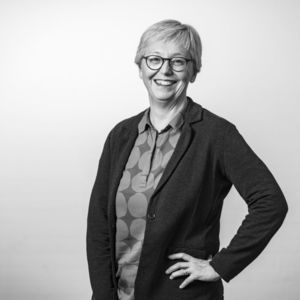 My name is Tina Haglund, I am living and working in Helsingborg, in the southern part of Sweden. I am presently working as a manager of the digital library/ media department at the public library of Helsingborg City Libraries. I attended the WLIC conference in Athens in 2019. During the conference I joined as an observer at one of the CPDWL meetings, I also took part as a coach at the coaching session and as a secretary at the Knowledge café session. I have attended and contributed to the IFLA Global Vision at workshops with the The Swedish Library Association.
 My name is Dr Alan Brine, I am the Deputy Director of Library and Learning Services at De Montfort University in the United Kingdom. Although I have not been a member of committee before I have previously worked with the IFLA section on Education and Training, particularly in library education and presented at satellite and main conferences particularly looking at skills development in the profession. I have spent many years working with Charted Institute of Library and Information Professionals (Cilip UK) and am currently Chair of the Professional Registration Panel.
 Lei Xia: I have been working at Shanghai Library as a librarian since I received my master’s degree in Library Science in 2003. Now I am the vice director of the Shanghai Library Conference and Exhibition Center. In 2010, I attended the IFLA Metropolitan Libraries Section’s annual conference and gave the speech about the Shanghai Library’s innovation service. In 2011, I translated the annual report “Perceptions of Libraries, 2010: Context and Community” of OCLC into Chinese. In recent years, I have visited the IFLA headquarter and received the IFLA officials many times, which has played a positive role in promoting the cooperation between the Shanghai Library and IFLA.
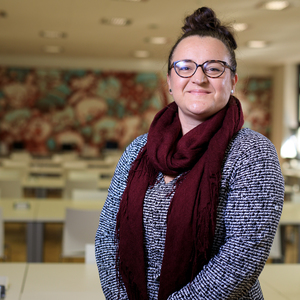 Marija Šimunović, Senior Librarian at Library and Documentation Centre (LDC)/Coordinator at European Documentation Centre at Faculty of Economics and Business Zagreb, Croatia. Member of Zagreb Library Association (ZLA) – currently president of Supervisory Board, co-founder and member of the ZLA Working group – Cyclists, editor in chief for the new Social media editorial board. Active member of Croatian Library Association (CLA) – currently President of the CLA Commission for Advocacy and member of the CLA Professional Board. Previously Professional secretary at ZLA (2014-2016), Professional secretary at CLA (2016-2018), Deputy Chair of the Professional Board at CLA (2018-2020). Proud member of NPSIG – currently Secretary of NPSIG.
 Lateka Grays serves as the liaison librarian for the William F. Harrah College of Hospitality at the University of Nevada, Las Vegas (UNLV) and campus Career Services. She earned her master’s degree in Library Science from the University of North Texas. Lateka is a Gallup-Certified Strengths Coach, and a Certified Career Services Provider (CCSP) from the National Career Development Association. With more than 15 years of experience, she has expertise in hospitality-industry research support and information literacy instruction for faculty and students. Lateka’s passion for mentoring has led to opportunities to serve formally and informally as a mentor for students and library faculty for over a decade. Lateka is a new member of IFLA and a longstanding member of SLA and ALA.
 I am Mantra Roy, Collection Strategy Librarian at the Dr. Martin Luther King, Jr. Library of San Jose State University, USA. I am a member of ALA and ACRL. Open Access, multilingualism, global scholarly communications, and access to professional development opportunities among librarians in the Global South constitute my core research interests.
 My name is Ivana Todorovic and I am a senior librarian in the Department of Education, Research and Development of Library System in the National Library of Serbia. With more than fifteen years of experience in library field my responsibilities envisage, among other, providing professional assistance for libraries, monitoring current state of libraries of Serbia and suggesting measures for their improvement. I also participate in continuing professional development of library professionals as a lecturer and training coach for several accredited programs. As a member of the CPDWL Standing Committee, I am running my first term since 2017.
 My name is Susan Cleyle and I am Dean of Libraries at Memorial University of Newfoundland, Canada. In addition to my library career, I have developed/taught online library courses, directed a university centre for teaching and learning innovation and I am an executive coach to workers from all library sectors. I chair the Canadian network of provincial library associations that developed and offers a continuing education certificate/credentialing programme and online PD courses. I am also a member of the Canadian Association of Research Libraries’ Strengthening Capacity Committee where I co-lead a project to develop an advanced library leader PD programme.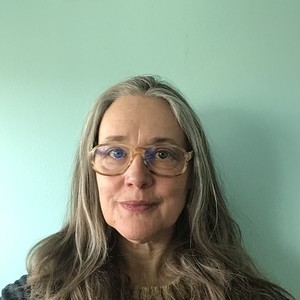
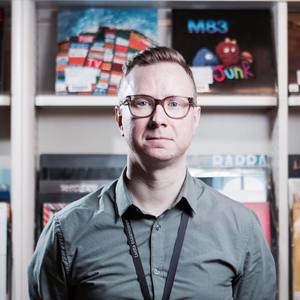 My name is Jarkko Rikkilä, I’m a 41-years old coordinator from Finland. My work is concentrating on the professional development of library workers. We produce staff training, organize platforms for co-operation and make colleague support available. Previously I’ve worked as a service manager, department head and as a librarian. I’m the father of 10-year old twin daughters and they keep me fairly busy in the spare time. My other interests include design, music, photography and ice hockey, especially in outdoor rinks. Just recently, I’ve learned how to make the best latte in home conditions with my espresso machine!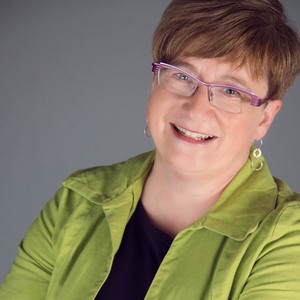
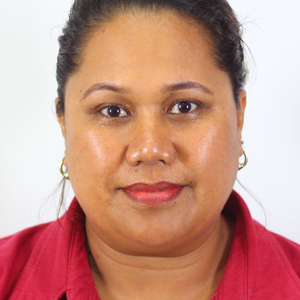 Bula and Noa’ia, my name is Lorin Pai and I am from the Fiji Islands in the Pacific. Currently, I am employed as the Coordinator for the Library Information Studies (LIS) at the Pacific TAFE, under the University of the South Pacific (USP). As secretary for the Fiji Library Association, I was invited to present at the 2019 IFLA WLIC President session on “Library and information workers are facing uncertainty about the future: we can best address it through dialogue”. I am passionate and concerned about the sustainability of the Library Profession given the low number of local professionals in the Pacific.
Question 2: Why do you want to join CPDWL, specifically?
1. I am already part of many SC activities: SC Meet Ups organizer and moderator; Section blog author; coach at the Coaching Initiative; moderator of the Knowledge Cafe; Interpreter and editor of the CPDWL Guidelines summary and poster; co-host of the CPDWL Open House meetings; planning group for CPDWL WLIC activities.
2. I am a great fan of international library activities and involved with IFLA since 1994. I can see how the questions of international professional exchange developed into absolutely essential factor of further development of the global library field. To be part of IFLA and specifically work in CPDWL field means to be at the vanguard of historical changes IFLA is undergoing right now.
3. I do believe that CPD and self-education more and more become a must for success not only in a profession, but in everyday life as well. To be able to manage your time, to see the prospect, to gain your goals, to be thirsty for new horizons – these are the most essential competencies the person should develop nowadays. Love to be a support to colleagues and patrons in this.
Jennifer Browning: My special interest in joining CPDWL is connected to my personal and professional commitment to continuous workplace learning. On the ground at the Carleton University Library, I am keenly aware of the need to move beyond past practices of training and professional development at time-of-need. It is important to bolster our ability to provide systems and services that not only respond to, but ideally anticipate, the demands that technology and information systems place on libraries, their staff, and their user-communities. I recognize, and support, a culture shift in our profession where professional development and continuous workplace learning strategies are essential for library strategic plans. As a CPDWL member, I look forward to delving into specific and tangible approaches to support library professionals in these contexts. I especially look forward to developing professional relationships with CPDWL members and programme participants and learning from your wealth of experience and expertise. We are truly a global community – the international reach of this organization is essential when understanding and addressing the issues, trends, and needs that library professionals encounter daily.Tina Haglund: In our everyday work at our libraries we meet the challenges, requests and needs of our citizens both pre- under and post the pandemic. This means great demands on the staff’s competence and ability to adapt to many different situations also outside their field of competence, especially according to democratic aspects and access to digital help. This requires many different skills as a librarian and changes the role of the modern librarian and the modern library. Libraries contributes and plays an important role to make the citizens to become smart members of the society. Many of our citizens are not prepared or included in the faster and faster digital transformation and visit our libraries to get help and guidance. By joining the CPDWL Standing Committee I want to contribute to strengthen librarians worldwide by being able to network, collaborate between all types of libraries and share good examples and best practises. By empowering the staff members in many different ways we are able to meet the challenges and needs of our users and non-users.Alan Brine: My motivation in applying to the standing committee is to bring my skills and experience to help the work of the section in achieving IFLAs aims. As Chair of the Charted Institute of Library and Information Professionals (Cilip UK) Professional Registration Panel I have responsibility for ensuring that those working in the profession have the opportunities to achieve a high level of professional practice. Continuing professional development is key to this wherever we are in the world. Tools and techniques and access to training is more important than ever. We have seen a change in the provision of conferences and other training during the past year which should see a better way moving forward. My work at De Montfort University has a focus on the UN Sustainable Development Goals due to our library and university’s ongoing work with the UN, as is also reflected in IFLAs ongoing agenda. When building a community library in the Gambia a few years ago it became very clear that it was the development of the library team that needed the crucial input not the building itself. We need to harness mechanisms that have arisen during the pandemic and use them to make a difference.Vera Keown: I have had the pleasure of working with such a great group of individuals as part of the IFLA coaching initiative. I wish to join CPDWL to continue working on the coaching initiative as well as contribute to other areas of professional development and learning. Having worked alongside members of this section for the past two years, I have been impressed with their strong and active commitment to the committee. The committee has done a fantastic job with its communication, especially with social media and their many virtual events. CPDWL is very innovative and cutting edge, who wouldn’t want to be a part of that! I am keen to contribute my skills, knowledge, and experience to support that trailblazing ethos. I have recently undertaken several training programs in pursuit of professional coaching credentials. During this time, I also completed a program for performance development and learning to enhance my skills and competencies in training development. Through my Graduate Certificate in Executive Coaching through Royal Roads University I have become knowledgeable in the areas of organizational behaviour and development, evaluating training, and change management. I am recognized internationally by my peers as a capable leader and mentor.Mantra Roy: Developing a Toolkit to support transfer of new learning to a workplace is one of the Action Items for 2020-2021: it inspires me to want to join CPDWL. Based on my ACRL and NASIG-funded research projects about scholarly communications in India, I recognize that translating new learning from professional development opportunities into execution of that learning through effective implementation at the workplace is a serious challenge. I look forward to an opportunity to actively contribute to the development of the Toolkit. I also find the Coaching Project very exciting because newer librarians always gain from knowledge shared by more experienced librarians and find a roadmap for their careers.Ivana Todorovic: Working as a member of the CPDWL Standing Committee gives me a great opportunity to broaden my perspective on continuing professional development. Thanks to the thorough and systematic approach to librarianship in my country, working closely with creative and passionate professionals form around the world provides an excellent source for me to acquire best practices and novelties and transfer the learning outcomes to my professional environment. Staying involved in the CPDWL Standing Committee will give me the opportunity to continue ongoing activities of this group related to the CPDWL idea house project and revising the Guidelines for CPD. It will also allow me to stay involved in the group’s growing activities. Participation in CPDWL strengthens my belief that all forms of learning and other aspects of CPD are the key to professional growth all around the world, which is why I would cherish the opportunity to continue to participate.Susan Cleyle: I understand that professional development can guide careers, enhance service delivery and be available to all regardless of location, stage of career and ability of employer to fund opportunities. It is critical for our library associations to provide ways to address library professional development inequities around the world. This can be achieved through learning and education initiatives, development of competency maps and credentialing opportunities. I have been a librarian for 33 years and I have developed programmes, courses and association initiatives aimed at providing information professionals with career development opportunities. I am a strong and effective educator and coach and I have been involved with initiatives that link competencies with educational outputs. I wish to be part of the CPDWL Support network to create varied educational and coaching opportunities and pathways for all library workers which can be accessed through comprehensive professional development systems.Ann Lundborg: I want to join the CPDWL to expand my knowledge and learn from colleagues worldwide. My expertise and focus are developing strategic platforms and furthering the cooperation between libraries and civic society, intending to reach IFLA’s 2030 library goals. I find it essential to establish the library plans collectively, work as a team to involve all staff and additional partners in this process. I have been working with library development for 25 years in various public library areas. I have experienced the different stages of development and have an intuitive knowledge of the development process – obtained from years of experience. I want to learn and share knowledge to enhance our collective movement. New ideas and strategies – attained from cooperation – are always exciting, and one can never be too old to learn. The question of the library in relation to democracy has been a question driving me in my professional life; to work with these questions on a global scale would be exciting, educational, and important.Maria MICLE: I want to join the CPDWL Standing Committee because I believe that I can combine for the benefit of an international/national community the experience: in didactic field – continuing education of librarians (over 40 continuing education courses taught for librarians in Romania), in research field of information and communication sciences: intercultural library services, contemporary professional skills and the research methodology in LIS & communication science (my publications include several scholarly articles and books, e.g. Maria Micle & Gh. Clitan (eds.). 2021. Innovative Instruments for Community Development in Communication and Education, DOI: 10.22618 / TP.PCMS.20216). As a Corresponding Member of CPDWL, I realized that being a member of CPDWL involves an individual process of learning, continuous training, adaptation, but also to share with others coherent experiences, related to the ways and practices of communication in virtual space, construction of public messages (so that the message is polite, impartial, objective, motivating). Jarkko Rikkilä: I think there’s one fundamental reason for this: International library work is essential. When looking from the national perspective, benchmarking other ways of doing things gives a new perspective to work. If you think this the other way round, sharing our best practices to a wider audience helps me to detect the relevance of our work. I got an insight of the CPDWL in 2019 when I had the opportunity to be part of the satellite conference in Zagreb. It was so hot in Croatia then, but the hottest (or maybe coolest) thing was the great vibe of the conference. Meeting professionals, sharing ideas, learning to understand different cultural backgrounds. All this was just astonishing. We gave a presentation in the main stage and had lots of informal chats with colleagues during those couple of days. I believe that I could give a strong influence to the work of CPDWL. I’ve been able to develop new ways of making staff training virtual during the pandemic. The use of multichanneled ways to contact librarians in social media is important in delivering the message. I would love to be part of CPDWL to make library learning yet more impressive in the future.Christine Brown: The CPDWL has a thriving Standing Committee that has produced many exciting sessions, webinars, and activities that help connect professionals worldwide. As an attendee of many IFLA conferences, I have found the sessions developed by the CPDWL to be informative and inspiring. I feel that I could bring solid skills, experience, dedication and collaborative approach to working on the Committee to create innovative and inspiring programming. I participated as a coach in the Coaching Program developed by the CPDWL and the Management & Marketing SC. The coaching was a rewarding experience, and I will be continuing to be involved in 2021. As a supervisor of ten librarians, I am often engaged in coaching and development activities and understand the importance of how this work shapes work life and careers. Not all libraries can offer coaching and development opportunities to all staff, and new librarians are often reluctant to ask for help from their supervisor. Offering external opportunities for development and coaching is so crucial for the success of our profession. I hope that my ideas and contributions would add value to the CPDWL programs and activities.Lorin Pai: Professional Development (PD) is an urgent need for both local and regional Library Information Studies graduates. Over the years, LIS students have changed their career paths to enhance their skills and to remain viable in their organisation. Apart from being the Secretary for the Fiji Library Association (FLA) and member of the Pacific Libraries Network (PLN). My experience and knowledge gained in academic and corporate libraries as well as community outreach programmes over the past seventeen years has given me insight on how to assist aspiring information professionals, paraprofessionals and associations to remain relevant in the information industry. With this goal in mind, being part of CPDWL would broaden my knowledge and skills on the various innovative concepts and practices used by library professionals and associations in bridging the skill gaps faced in developing countries. More importantly, to keep abreast with the new library trends and strengthen partnership for the sustainability of the profession.
Question 3: What ideas do you have for CPDWL?
Svetlana GOROKHOVA: I do believe that CPDWL should try to concentrate on several directions, developing the existing projects and taking into consideration post pandemic situation and bursting development of digital communication:
1. To work on the CPDWL Guidelines to make sure all recent social and economic changes are reflected there. Develop an interactive digital space to illustrate the usage of Guidelines in various countries and professional communities, create a CPDWL Idea House (we started discussing this with my SC fellows already).
2. To continue development of CPDWL audio-visual materials and social media involvement. Now we are enjoying numerous CPDWL media resources, I would suggest moving into new short format areas like TikTok, or new forums like Club House, inviting cooperation with LIS students (in cooperation with NPSIG and ET section).
3. To turn the unique expertise of all the SC and section members into a cycle of practical international webinars, the topics to be defined through the ballot at national or international levels.
4. To develop a system of acknowledgement of employers and employees on working together to ensure comfortable conditions for successful CPDWL- a king of a IFLA CPDWL Charter or Diploma.
5. Continue supporting professionals through personalized forms like coaching.
Joseph Yap: CPDWL has emerged to be a strong section by receiving awards and recognitions. This is a challenge for the new set of committee members. As a new member, collaborative ideas are a must. I am aware that there are actions that have to be taken by the section and will listen to what the current standing committee members have to say. On my part, I have to review the strategies laid down in the marketing and communications plan and see what has been done and what needs more support. Leveraging on current projects such as get to know you meet-ups, podcast, and coaching projects, I can help in its visibility to gain more reach, viewers, and listeners. It is time that non-librarians can also listen and see what we do as a profession. It may encourage them to take further studies and change career plans by knowing what we can contribute to society. After all, everyone might need a librarian and we librarians need help from other professionals’ expertise too.Jennifer Browning: With CPDWL, I will share my experiences with developing continuous learning programmes. As I see that the concept of strategic continuous learning and professional development programmes in libraries may require buy-in from library managers and administrators, CPDWL could develop literature and benchmarking tools for library leaders to bring back to their libraries to support them with these initiatives. Developing and disseminating resources for continuous learning programmes will assist not only individuals who are embarking on their own self-initiated professional development, but they will also assist library administrators who are building a continuous learning culture from which all library staff can benefit. As library leaders, we can support libraries as ‘learning organizations’ by developing competencies and benchmarks to assist libraries in this shift from time-of-need learning and staff development to a wholistic approach of developing continuous workplace learning and professional development strategies. I am also interested in technologies and tools that can help support these strategies on the ground. CPDWL could explore, test, and review tools for tracking professional journeys, story booking, virtual networking, and the like, which can be made available to library administrators and professionals as practical resources when building and supporting continuous learning in their libraries and careers.Chinwe Veronica Anunobi: I will be disposed to ensure effective deployment of the toolkits and programmes/guidelines developed by CPDWL to the Library and information science stakeholders namely the learners, employers, professional associations, LIS educators and training providers. As a member of the training team of AFLIA, I will advocate for a workshop/ seminar on CPDWL guidelines for African librarians and associations towards a better understanding and implementation of the guidelines . I will also provide the African insight and background to the activities/thoughts of the CPDWL. I will ensure that time is set aside for activities and programmes of CPDWL in particular and IFLA in general.Tina Haglund: The pandemic of covid-19 has changed our ways of working and our needs of digital and virtual competences in the library profession. What experiences do we want to keep and how to adapt to the “new normal” after the pandemic? The IFLA WLIC is all digital 2021, this gives for example more participants access to the conference in a very good way. What other new ways of hybrid skills have we learned and what do we need learn more about. These experiences may be developed and complemented in the work of the Toolkit and also in the CPD Guidelines. Being able to have both online and physical Coaching sessions in the future. More collaboration with other IFLA sections. I think the concept of Knowledge café, both physical and virtual are very good ways of sharing experiences, broadening minds and understanding differences.Alan Brine: Apart from bringing the support and goodwill of the Charted Institute of Library and Information Professionals (Cilip UK) I will bring my mentoring skills and expertise to the section to align with the coaching expertise. Mentoring is important to help others develop their skills and using both could be useful. There is a lot of good practice that could be harnessed. We have seen during the pandemic that conferences and training have been significantly altered across the training landscape making access to training cheaper and more accessible. We can use this impetus to host and showcase the development of skills. With the platforms available it is easier to share and come together in large or small groups and each would be handled differently. Importantly we can leverage colleagues in our suppliers that have similar aims to us and have a collegiate view to working with the sector. The development of digital skills is crucial and we can harness this in partnership across the globe to showcase the work of CPDWL and provide additional impact through some targeted outreach. Good practice bulletins could be showcased either through the blog or other mechanisms which would support and enhance the Impact of group.Lei Xia: In the name of CPDWL, we can organize worldwide library reading activities. For example, we can invite librarians and readers from all over the world to read a same book, which can be about big data or other things. Then we can share our reading experience and reading gains in the form of reading notes or video shooting. CPDWL can share these reading experiences all over the world, and every library publicizes them through its own new media, so that readers and librarians can learn and get different reading experience from readers around the world. In addition, reading activities can promote the professional development of librarians.Marija Šimunović: I would like to point out that I like to work in a team, to exchange ideas and to have creative discussions and group brainstorming. My experience showed to me that the best idea or project start with good discussion and brainstorming. Possible new ideas: • CPDWL Skills short intro (prepare materials – in different languages, that librarians can use to learn new skills / how to use online graphics tools, how to create good interactive presentation, how to create interactive web page, how to keep your mental health, how to promote reading in your library, how to spot a fake news…) • CPDWL International cooperation – organize online event (in some fun and innovative form) with librarians from all over the world (examples of good practice) to promote lifelong learning.Lateka Grays: As a new member of IFLA, I would like to build upon existing programs and explore topics related to the well-being of information professionals like job crafting as a means to overcome burnout, Life Design, belonging, etc.Ivana Todorovic: Since CPDWL is actively involved in providing and organizing various online activities, I find very useful to bring together professionals from different regions, willing to discuss the issues preventing their libraries to achieve high level of CPD, as well as best practices applicable to their respective environment. Sharing ideas and offering suggestions can produce practical solutions to current problems and consequently, it can lead all participants into obtaining greater quality of CPD that is highly promoted by CPDWL.Ann Lundborg: I welcome the coaching initiative and believe the inclusion of library students is a great enterprise — the ambition to anchor IFLA on a more local level is something I find very positive. During the Athen conference 2019, the workshops held a global perspective involving cross-national viewpoints gaining outlooks from all over the world – not only the centralized European countries. I want to be a part of these global initiatives. We need to work globally and cooperate to achieve a continued worldwide development. I believe the interacting force between civil society and the more extensive library organizational processes needs to be synchronized if we want to safeguard our democratic responsibility. This interaction poses a challenge both nationally and worldwide. We need to develop our knowledge collectively and include new voices to overcome these challenges. Public libraries carry a democratic purpose; the accessibility of information in different languages and mediums signifies a foundation for collective movement and personal growth. To safeguard freedom of speech and develop the library organization democratically is my calling and would constitute my participation.
Maria MICEL: It would be beneficial if the CPDWL emphasized the following directions:
• Initiation of an experiences and materials, more targeted towards lifelong learning, such as CPDWL Guidelines Poster (https://www.ifla.org/publications/node/11845), which is an excellent material, well done and dense as information contained.
• Support, mentoring / tutoring for colleagues around the world who want to initiate continuing education programs;
• Finding partners, trainers for continuing education programs, from different universities, to continuing education programs;
• Mention in the profile of each member of the CPWDL the availability and the professional competencies he has and the willingness to be sent as a teacher / trainer to continuing education activities from different institutions in the world, practice partnerships with libraries for continuing education courses, inspiration visits to share good practices and experiences;
• Ensuring mutual support in professional, didactic, scientific projects.
Christine Brown: I am a collaborative and innovative thinker who has contributed ideas to my previous IFLA work, such as a debate conference session and developing infographics on topics important to LIS work. Below are few ideas that I think might be workable as projects for the CPDWL. These ideas are all around connecting colleagues to share ideas and experience. Personal connections are meaningful as ways of growing our expertise and knowledge. They also make people feel like they belong.1. Connecting colleagues at IFLA Conferences by matching interested participants for a “Random Coffee” with another IFLA member. This service would encourage people to meet others and make connections. The program could be something that continues throughout the year as people could arrange virtual coffees.
2. A “Conference Colleagues” program where the SC created messages introducing IFLA members outlining their interest and expertise. They would say, “Have you met…” and could be delivered via social media or posted in print.
3. I am keen to explore podcasting to share expertise and knowledge. Podcasts could be used by libraries to share current projects and development activities with colleague around the world.
These are just a few ideas I have to engage with our colleagues.
Lorin Pai : User’s information demands, rapid growth of Information and Communication Technology (ICT), and the global pandemic COVID-19 have positioned libraries at a competitive edge of the Information Industry. The cost of providing quality resources and facilities are forcing libraries to close their doors or converted to other amenities. CPDWL has created innovative platforms, such as the coaching and toolkits initiatives. As an LIS Coordinator, my enthusiasm focus on structuring LIS programmes that maps career paths that are employable. Also, using virtual platforms to train and equip library professionals learn how to manage information agencies in the ‘new normal’ work environment. Lastly, building strong network between library associations and CPDWL would provide the standing committee a better understanding of the situation faced by library professionals and create possible solutions to address them.