Category Archives: Professional Development Opportunity

Revisiting Online Conferences and Learning, and Internet Librarian at 25: An Interview with Jane Dysart (Part II)

Photo: Jane Dysart

Reflecting on how online learning and professional development learning has been transformed over the year by COVID and by other factors, this conversation brings back Jane Dysart, Program Director of Internet Librarian 2021. Jane is a member of IFLA’s Knowledge Management Standing Committee and a past member of Continuing Professional Development Committee and Workplace Learning Standing Committee. Missed the first part of the conversation? See here!

Ray: Thank you for taking the time to speak with me! It’s been almost 11 months since we last chatted about online conferences, the impact of COVID-19 and your thoughts in shifting into digital learning. What lessons or insights can you share with us about your thoughts with professional development learning?

Jane: Charlene Li, https://www.charleneli.com/, author, consultant, digital transformation & disruptive leadership expert, said last year when speaking at the first virtual KMWorld event, that in times of crisis innovation soars.  I truly believe that as we are seeing more user friendly, and easy to use, collaborative platforms and learning environments. Our skills are increasing as we use a wider variety of new and exciting tools.  For example, the subject-oriented standing committees of IFLA are now doing many targeted virtual events that are reaching a global audience.  Awesome!! The growth in interactive learning environments has not only opened up the playing field for those seeking professional development, but also to those who have wonderful expertise to share that we would not otherwise experience in our local venues.

I think we will continue to see these types of virtual events as well as in-person events.  I’m not sure about hybrid events that offer both in-person and virtual participation in a big way, but as I said, innovation is the name of the game these days and we will see more in the future for professional development and learning environments, especially in the area of extended reality development meeting tools – augmented and virtual reality being the foremost ones.  If you want more about that, talk to Chad Mairn, Librarian, Innovation Lab Manager, St. Petersburg College, he’s a popular Computers in Libraries and Internet Librarian instructor who leads some sessions in VR, and some do not require the wearing of goggles!


Ray: The Internet Librarian 2021 is celebrating its 25th anniversary! It is held in-person on Oct 25-28, 2021 in Monterey CA, USA. What are some of your favorite memories that you’d like to share?

Jane: Wow, there are so many wonderful past experiences from Internet Librarian, most of which were held in Monterey but there were a couple in other cities.  I remember first meeting Jenny Levine in our Palm Springs venue, the retail shopping at close by retail outlets in San Diego, the fabulous auditorium in Pasadena that is often used for Hollywood events.  I certainly remember so many of our excellent speakers/practitioners who share their experiences so we can all learn, but there are few keynotes who stand out to me – Vint Cerf, author J. A. Jance, Nina Simon, Howard Rheingold, Roy Tennant vs Rich Wiggins on the Next Big Library, entrepreneurial women software innovators, students from Monterey area schools, Lee Raine, Danny Sullivan, and so many more!!

Many of my favorite memories revolve around people and the fun interactions: our evening fun/learning events that have included skits, wrestling matches, music, debates, games as well as an earthquake which California resident Cindy Hill immediately pointed out was happening as the chandeliers were shaking; our extra-curricular activities like Karaoke, Whale Watching, guided walking tours, butterfly sanctuary in Pacific Grove, the lone pine we use in many of pics, in-town farmers market, Portola Plaza concerts and art sales, Fisherman’s Wharf and all it’s great restaurants; and of course, our fabulous audience representing all types of libraries and organizations.  And then there are all the fog incidents causing travel havoc in many ways including several workshop leaders to participate from the Denver and other airports; the seals barking or climbing on boats in the bay; the Hallowe’en pumpkin contest at the Portola.  As I say, just so many wonderful members over the last 25 years of the internet (so new when we began!) and Internet Librarian. You really stimulated me with this question and I’ve now tweeted and put on Internet Librarian’s Facebook page that we’d like more people’s memories of Internet Librarian shared and perhaps even highlighted in a 25th anniversary and pandemic breakout party at our event in October!  Stay tuned for more details!

Ray: Any sessions in the upcoming conference you’d like to highlight? 

Absolutely! Our theme, Call To Action: Innovation In Library Technology & Communities has sparked many interesting and diverse speakers for Internet Librarian 2021.  Our program has just gone live online, http://internet-librarian.infotoday.com/2021/Agenda.aspx, with key themes around search and discovery, digital presence, community engagement (especially during and after COVID-19), insights and practices in data, content management and open access, management, technology updates (especially the latest in Makerspaces, Innovation Labs, XR, AI, Robotics as well as library and meeting platforms), innovative practices and the future for libraries!

We start with pre-conference workshops on a range of topics, http://internet-librarian.infotoday.com/2021/Program.aspx. Our keynote speakers include: the former Smithsonian and U.N. tech visionary Michael Edson, a popular and thought provoking speakers representing the entire GLAM community; author Alex Deschamps-Sonsino, on ideas from her new book, Creating a Culture of Innovation; and long-time knowledge management guru Jean-Claude Monney who sparked so much interest a few years ago when he talked to internet librarians about Skype applications (like auto translation) when they were purchased by Microsoft where he worked at the time; as well as our traditional closing panel of librarians on challenges and opportunities for 2022+!  Returning favorites: Games & Gadgets featuring a VR meeting experience and lots of new tech entrepreneurs, Showcase Networking Reception, Evening learning event populated by information/library community students in “Wheel of Library Vision: Listening to Different Voices”.  New networking feature: early bird chat arounds over breakfast before the morning keynote, some great topics!

Ray: Finally, we discussed what trends you were seeing for the international library community — are these trends that you described still valid and/or are there other emerging ones? 

Well, I mentioned earlier about IFLA units doing more global online events making our library and information world much more connected throughout the year and I do think this is a terrific new trend that will continue and hopefully we will also do more cross-fertilization with other types of organizations who could become partners in the journey to fulfilling the world’s critical challenges and the United Nations Sustainable Development Goals (SDGs).  We need to build more partnerships with organizations who can help us in our communities in many different ways. For instance, with emerging new collaborative technologies like the SLA Canada chapter who is doing a free workshop on “Standing Tall: Articulating Our Value” on a new meeting platform, Airmeet. Or, with broadband providers who can help our goal of bridging the digital divide. Or with other health-related or social groups who can support our outreach to our community.

Last time you asked me about trends  I said, “I really believe we need to reset, not look for a new normal or try to fit the old ways into the new environment, but really rethink what we want to accomplish in our communities.” I believe our community has definitely been innovative and creative (and have been recognized for doing so in lots of press), and will continue to do so in the coming future – we still have many challenges in our world! I also said, “We definitely need to build up our digital collections in libraries with many different learning and discovery avenues, such as couch safaris to different places, zoos, museums, art galleries, aquariums, etc; virtual bird watching expeditions using webcams all over the world; as well as open access to our research and scientific resources and lots more.  I think we need to build more relationships with our communities (academic campuses, municipalities, enterprises, schools), bridging many of these communities in our geographic locations.  We also need to look for strong partners as IFLA always says – stronger together.  We need support from many new and diverse partners.” I do think libraries have definitely strengthened their digital collections and services, and they will only get stronger in the future since we’ve engaged new muscles in this area. Keep flexing them! I still think we need to do more to build more relationships and partnerships.  Our work is never done!

Thanks for asking me these questions, they never fail to energize me and spark new ideas!

***
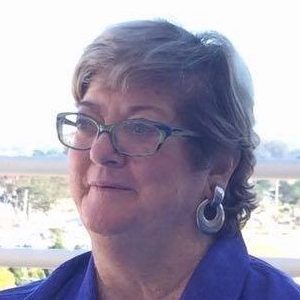
JANE DYSART, Founding Partner of Dysart & Jones and Curator of Curiosity, She specializes in designing learning and leadership events and customized conference planning. Jane has brought together experts and facilitators, keynote speakers and presenters for more than 100 successful events in Canada, the US and the UK.

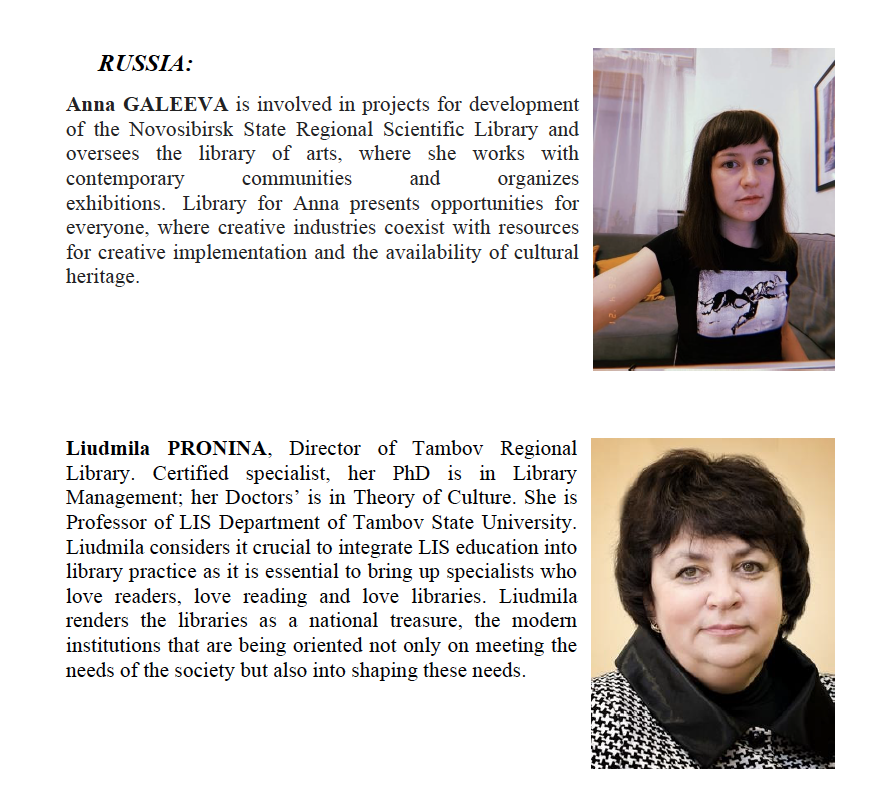
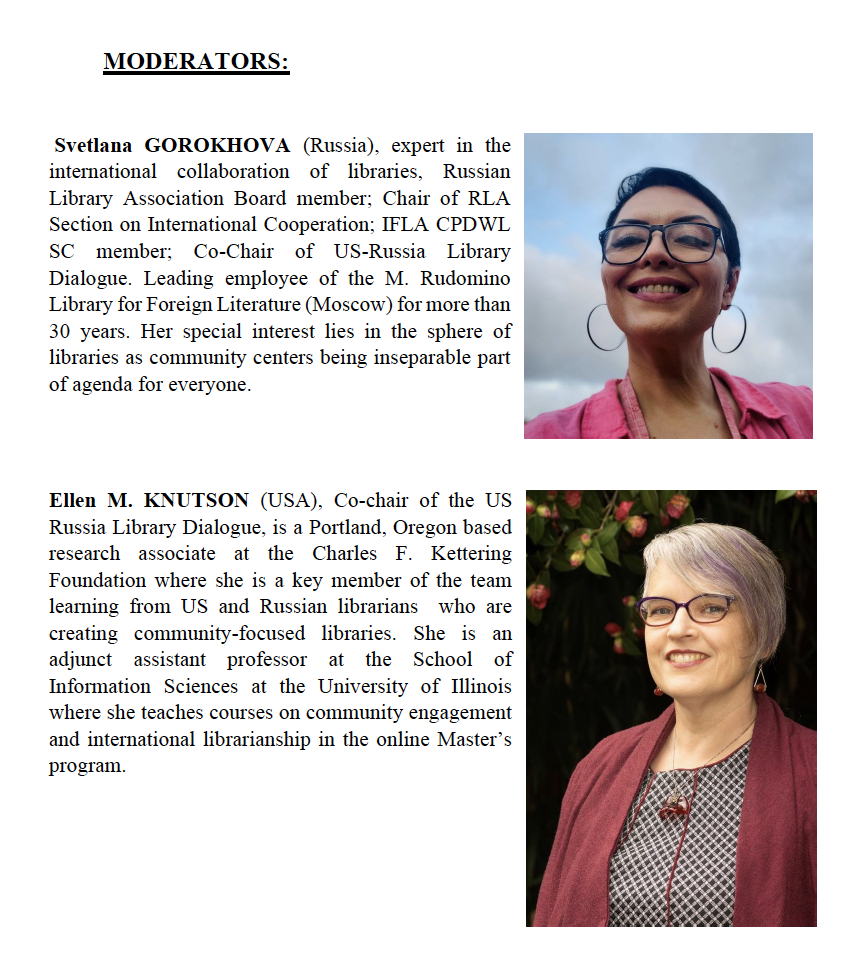
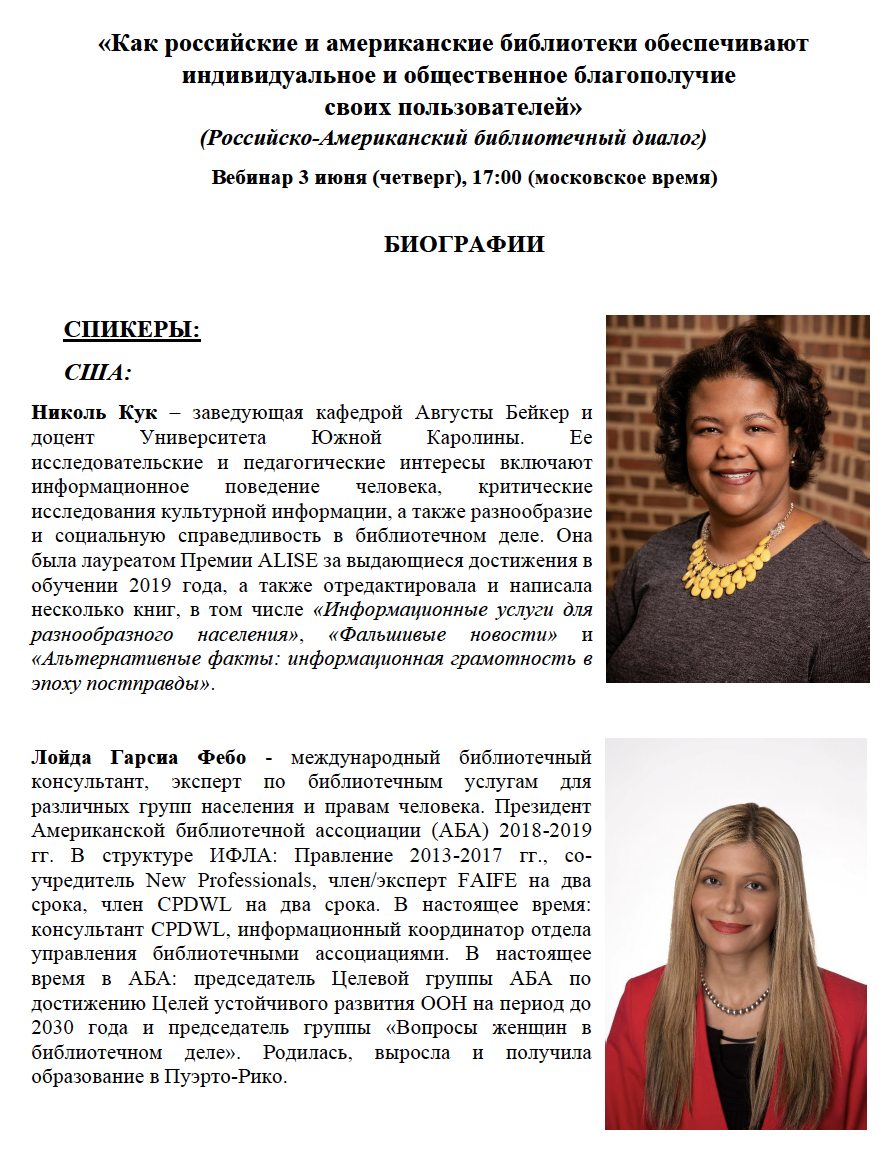
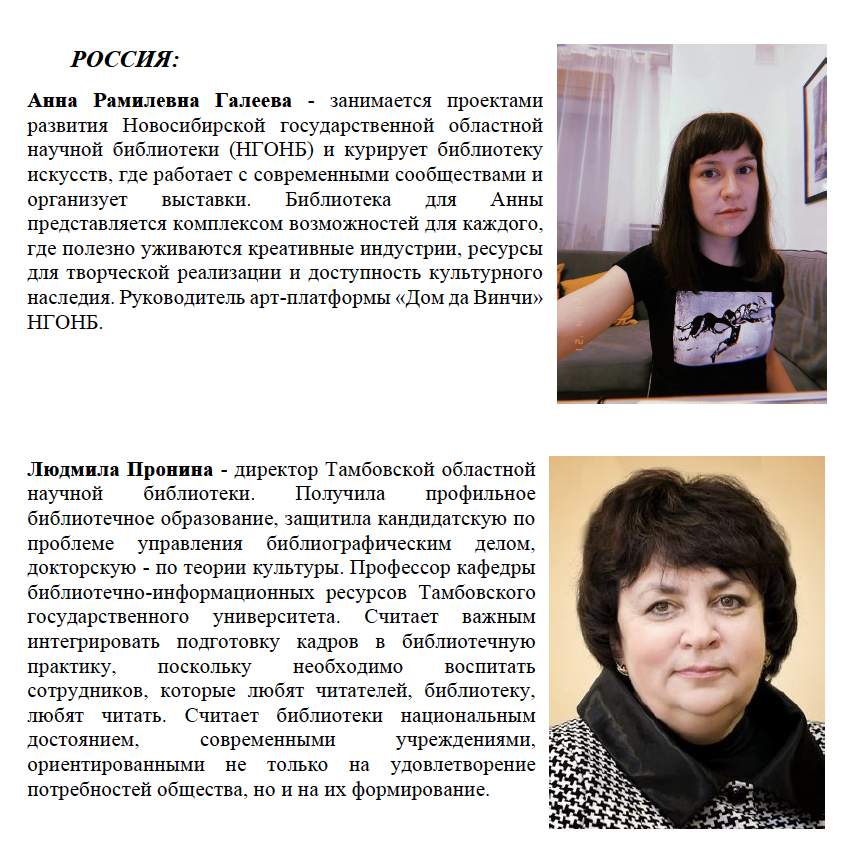
Russian and US Libraries Supporting the Well-Being of Individuals and Communities Thursday, 3 June 2021, 9am CDT/5pm MSK by Svetlana A. Gorokhova and Daria Beliakova

The US Russia Library Dialogue, in partnership with American Library Association’s International Relations Office, and the Russian Library Association will host a free webinar “Russian and US Libraries Supporting the Well-Being of Individuals and Communities” on Thursday, June 3, 2021, 9am CDT/5pm MSK. Register — https://lnkd.in/eTNsW4Z — in advance for this webinar. After registering, you will receive a confirmation email containing information about joining the session. The webinar will be conducted in English and Russian (with translation).

As we head into a second year of living with the coronavirus pandemic, libraries remain second responders helping their communities navigate these uncertain times. In this webinar, US and Russian library specialists will share strategies for how libraries in both countries can support their communities, including the social and emotional well-being of library users and library staff, as we start to emerge from isolation and libraries reopen. The panelists will discuss challenges in returning to in-person service, strategies for supporting individuals and communities, and how collective self-care can become an ongoing part of library service.

Join us for a lively conversation as we discuss where we are, and where we would like to go as we work with our communities to navigate these uncertain times.


PANELISTS

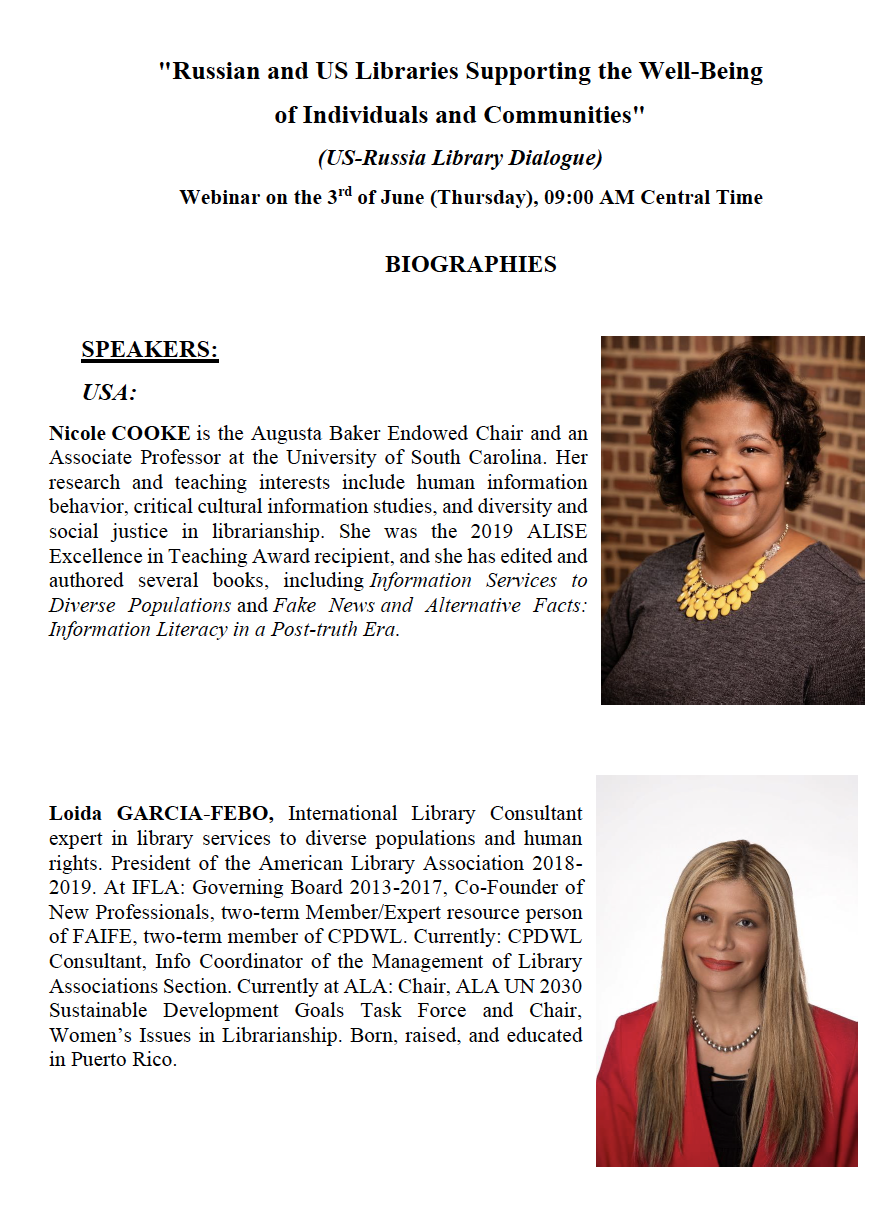
US Speakers: Nicole Cooke, Augusta Baker Endowed Chair and Associate Professor

School of Information Science, University of South Carolina

Loida Garcia-Febo, International Library Consultant

Russian Speakers: Anna Galeeva, Deputy Director, Novosibirsk Regional Library, Head of Da Vinci Casa Art Platform

Liudmila Pronina, Director, Tambov Regional Library, LIS Professor, Tambov University

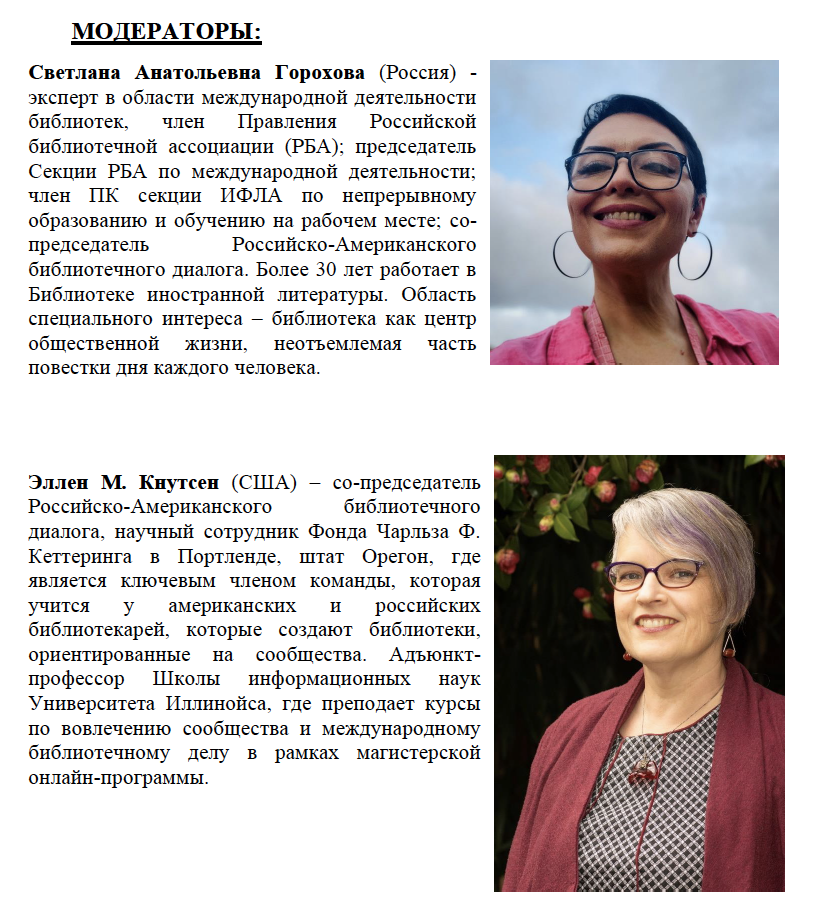
Moderators: Svetlana Gorokhova, Russian Co-chair US Russia Library Dialogue

Ellen Knutson, US Co-chair US Russia Library Dialogue

Interpreter: Valeriy Volozov


Как российские и американские библиотеки обеспечивают индивидуальное и общественное благополучие своих пользователей.

Четверг, 3 июня 2021 года, 17:00 (время московское).

Российско-Американский библиотечный диалог, под эгидой Американской и Российской библиотечных ассоциаций проводят вебинар «Как российские и американские библиотеки обеспечивают индивидуальное и общественное благополучие своих пользователей». Вебинар состоится в четверг, 3 июня 2021 года, в 17:00 по московскому времени. Ссылка для регистрации…….После регистрации Вы получите подтверждение и информацию по участи в вебинаре. Мероприятие пройдет на русском и английском языке. Зарегистрированные участники смогут воспользоваться синхронным переводом.

Уже второй год мы живем в условиях  пандемии, когда библиотеки являются вторым по важности (после экстренных служб) эшелоном, помогая  своим сообществам эффективно существовать в такое непростое время. Во время вебинара российские и американские специалисты поделятся своим опытом по поддержке своих сообществ, включая вопросы социального и эмоционального благополучия своих пользователей и сотрудников, во время открытия библиотек и возвращения их из изоляции  к полноценной жизни. Спикеры из обеих стран обсудят те вызовы, с которыми сталкиваются библиотеки, возвращаясь к физическому обслуживанию населения; какие стратегии вырабатывают библиотеки, чтобы поддержать свое сообщество и каждого из его членов; как сделать обеспечение коллективного благополучия неотъемлемой частью библиотечного обслуживания.

Присоединяйтесь к нашему разговору о том, где мы находимся сейчас и куда мы хотели бы прийти в нашей работе по поддержке наших пользователей в нестабильное пост-пандемийное время.


СПИКЕРЫ 

США: Николь Кук, профессор, Школа информационных наук, Университет Южной Каролины

Лойда Гарсиа Фебо, Президент АБА (2019-2019гг)

Россия: Анна Галеева, заместитель директора, Новосибирская государственная областная научная библиотека; руководитель арт-платформы «Дом да Винчи».

Людмила Пронина, директор, Тамбовская областная универсальная научная библиотека; профессор кафедры библиотечно-информационных ресурсов  Тамбовского государственного университета.

Модераторы:

Светлана Горохова, со-председатель Российско-Американского библиотечного диалога (Россия)

Эллен Кнутсен, со-председатель Российко-Американского библиотечного диалога (США)

Attend Bilingual Virtual Conference focused on Civic Engagement March 25-26, 2021

I am very excited to announce a free bilingual Spanish/English conference – Seguimos Creando Enlaces 2021: Civic Engagement in Action – which will be taking place online over two days from March 25th-March 26th 2021 from 10:00 am – 3:00 pm US-Pacific Time each day.

This mini-conference is part of the Library 2.0 Worldwide Virtual Conference series, which was started in 2011 and was founded based on many of the principles of civic engagement. Civic engagement is all about making a difference in the civic life of our communities and about promoting the quality of life in a community. Civic engagement activities range from voting to volunteering as well as other activities that benefit society. Libraries are an essential part of helping communities thrive and libraries have a key role to play in engaging with individuals and groups to help them participate actively in civic activities.

This mini-conference differs from the typical Library 2.0 Worldwide Virtual Conference in several ways.

  • It is the first completely bilingual Library 2.0 conference ever offered since the conference series was founded. All sessions will be offered in both Spanish and English.
  • The sessions are spread over two days instead of just one day; this is to accommodate the additional time it takes to translate content.
  • This conference was a true collaboration of multiple organizations all working closely together to ensure that great content would be included and available in both English and Spanish. Library 2.0 Worldwide Conference Series is partnering with the Seguimos Creando Enlaces (Creating Connections) bilingual conference to bring it online; the conference is presented by the San José State University School of Information, Library 2.0 Worldwide Virtual Conference Series, Southern California Library Cooperative in partnership with the SERRA Library Cooperative, and the California State Library.

Registration is free, and attendees will have the option to view live presentations in English and Spanish. Sessions will be recorded and made available after the event.

Seguimos Creando Enlaces 2021: Civic Engagement in Action

  • Who Should Attend: Librarians, library staff members and library school students from around the globe
  • When: March 25 and 26, 2021
  • Time: 10 a.m. to 3 p.m. Pacific Time each day (UTC-7)
  • Where: Online via Zoom
  • Cost: FREE!
  • Presentations and Speakers: Conference Schedule
  • REGISTER NOW! (English form)
  • REGISTER NOW! (Spanish form)

I hope you will be able to join the conference to learn about different perspectives related to civic engagement, meet colleagues from the US, Mexico and across the globe, and engage in interactive discussions through the virtual conference.

IFLA, Advocacy, and Communities: Championing Broadband in COVID-19 times

By Loida Garcia-Febo, CPDWL Consultant, International Library Consultant

Libraries as we knew them were forever changed by COVID-19. The pandemic brought up an opportunity to re-envision libraries to provide services in a way that reflects specific needs from communities deeply affected by it. This global situation also taught us to prioritize and shone a light on inequalities. How to start addressing all of these to create the libraries we deserve?

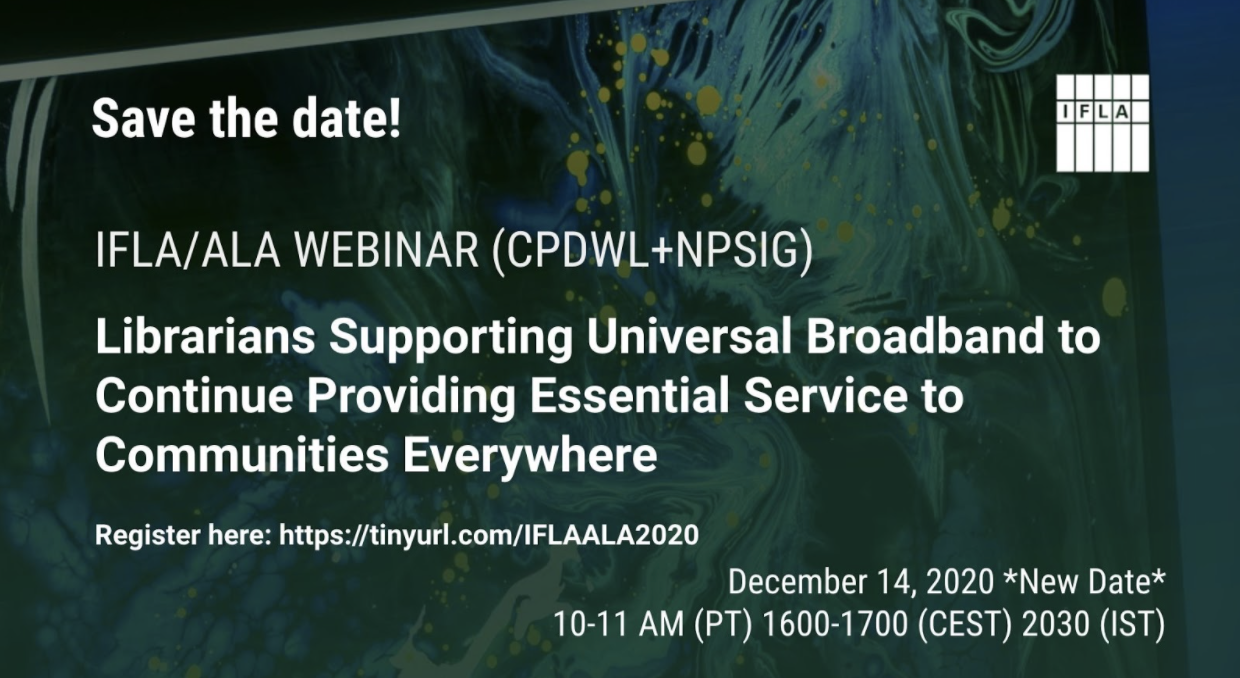
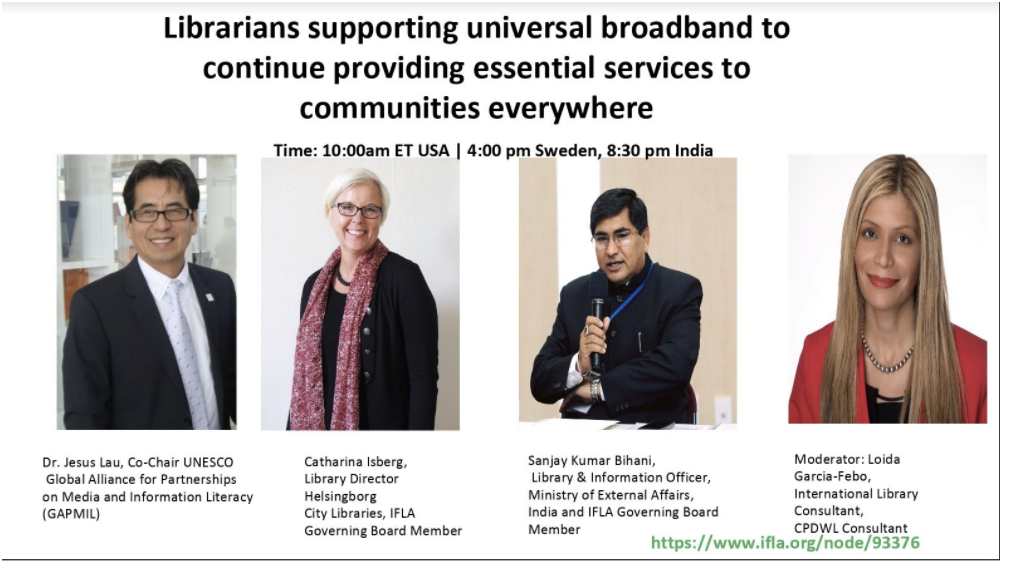
Recently, I coordinated and moderated an online event part of IFLA CPDWL and New Professionals webinar series with ALA entitled “Librarians supporting universal broadband to continue providing essential services to communities everywhere.” This event also highlighted advocacy efforts of IFLA which are guiding and supporting the path of libraries as we move towards the future, post-COVID-19, its aftershocks, and beyond.

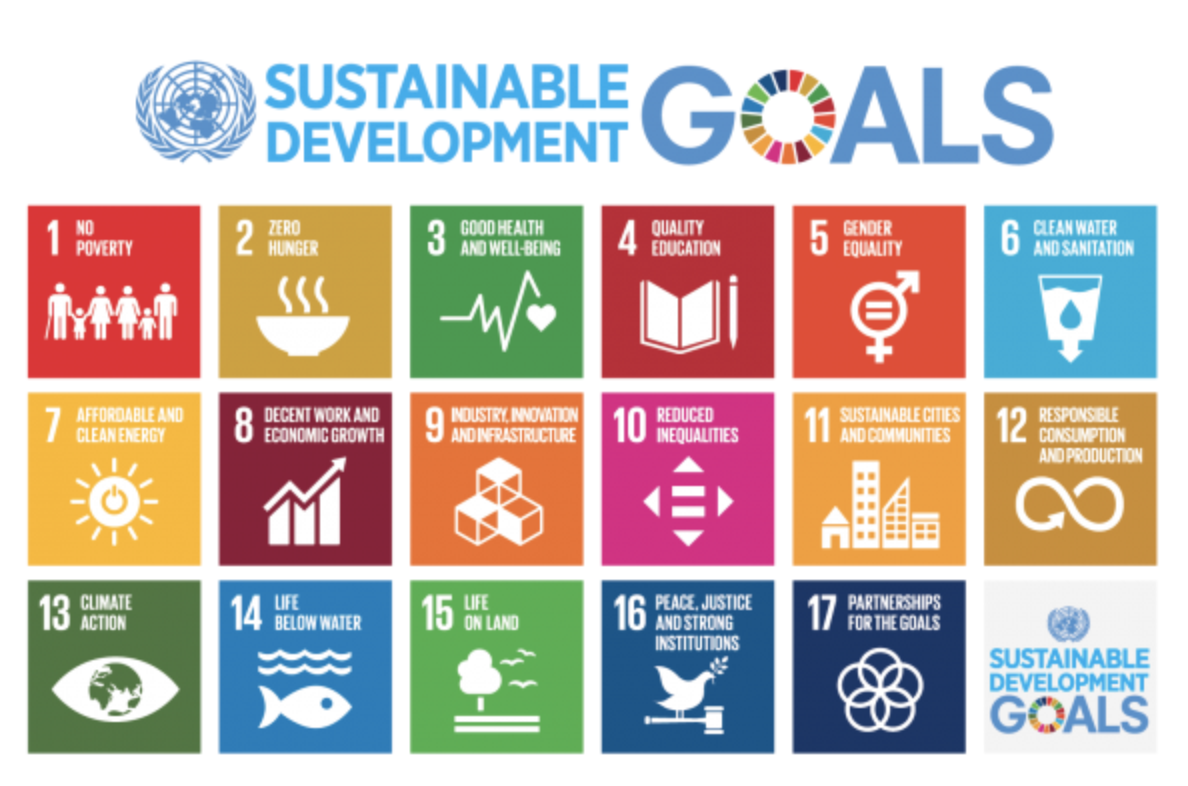
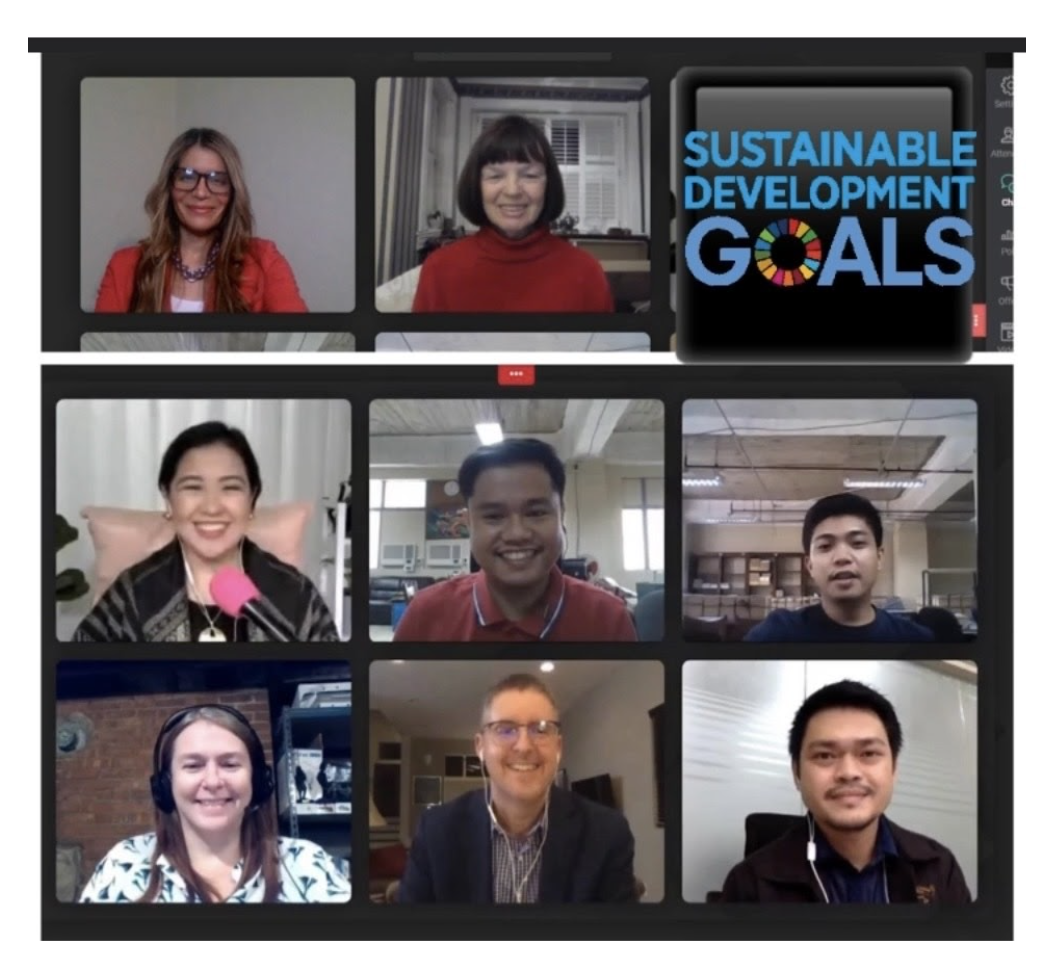
This webinar spoke to the value of libraries and to the fact that as librarians we strive to work towards providing access to information to all. IFLA has championed the UN’s Sustainable Development Goals for a long time. As we know, library services include providing access to the Internet through computers and wifi to library users that would have access to information that might help them to prevent health conditions such as COVID-19, better their education and overall prospects in life.

These are areas that are intrinsically related to the achievement of development as it is contemplated in the United Nations Sustainable Development Goals. Advocacy towards universal broadband can change our world! Librarians working together in concerted action with different stakeholders can secure actions from governments to ensure that all citizens have access to the internet.

All of this is supported by the 59th session of the United Nations’ Commission on Social Development currently in session in New York and online and until 17 February and its priority theme: socially just transition towards sustainable development: the role of digital technologies on social development and well-being of all. 

Remarkably, and as per IFLA’s recent communication, the United Nations has underlined the role of libraries in extending connectivity and building skills, ahead of discussions (taking place during this 59th session) about how digital technologies can advance social development.

IFLA continues to lead the way in these advocacy efforts with submissions  to the Commission stressing that  it remains a priority to overcome the digital divide and allow more people to benefit from the possibilities that digital technologies can bring.

Another successful advocacy initiative from IFLA is the launching of a Library Pledge to Promote Digital Inclusion and access to information during COVID-19 and beyond. This is an advocacy tool to collect signatures and “demonstrate to decision-makers the commitment of libraries to do all in their power to ensure that everyone, especially during COVID-19, has the possibility and skills to access and use information effectively.”

 Global organizations such as UNESCO have indicated that broadband is “the missing link” in global access to education. But as we know, COVID-19 propelled a massive shift to digital which made evident the reality of inequality of access to the Internet which also plays into the mission and operation of libraries.

IFLA’s pledge speaks to pronouncements from UNESCO and also from the Internet Governance Forum (IGF) which recently called attention to the Internet as a vehicle for human resilience and solidarity. The IGF have stated that inclusion achieved by access to the Internet is a key contributor towards a stronger economy and enhanced economic development through shared wealth, shared employment, and equal opportunity for all. Additionally, the IGF has said that the Internet is an enabler towards the fulfillment of the UN’s 2030 Agenda for Sustainable Development. A Library Pledge to promote digital inclusion and access to information during COVID-19 and beyond is an advocacy effort highly visible in the global arena.

Empowered by these actions from IFLA, library associations are developing advocacy efforts to support broadband and digital inclusion at national and local levels. Therefore, IFLA is positively impacting advocacy efforts towards universal broadband and digital literacy in nations worldwide. For instance, advocacy efforts by the American Library Association (ALA), state that broadband in libraries is needed by patrons to access devices, collections and information, and a myriad of services. It is also used by librarians to create and develop content accessed by patrons and provide access to transformative resources to better the education and lifelong learning of communities deeply impacted by COVID-19 in all regions of the world.

Furthermore, during ALA’s Midwinter Meeting this past January 2021, the ALA Council passed a Resolution in Support of Broadband as a human right which resolved that ALA, on behalf of its members:

  1. affirms universal access to affordable high-capacity broadband is as essential as electricity and therefore a basic right for all; and,
  2. advocates for legislative and regulatory policies through which libraries can affect positive change toward such universal access.

This resolution would be used by library advocates to support efforts towards universal broadband in their local areas. These actions can take various shapes at national and local levels. For instance, the ALA is a sponsor of an upcoming webinar by the Schools, Health, and Libraries Broadband Coalition (SHLB) entitled “Biden and Broadband” featuring former advisors to US President Biden which explores what comes next in the areas of prospects of legislation, the U.S. Federal Communication Commission, and other aspects within and during the US President Biden administration.

Additionally, I am happy to share that the ALA’s UN 2030 Sustainable Development Goals Task Force which I Chair is coordinating a webinar to support universal broadband as essential for development.

I would like to encourage everyone to pay close attention to all these advocacy developments to support libraries. Continuing to work together in concerted action with cohesive leadership will ensure that we reach stakeholders and partner with key agencies and organizations to bring the change we need to help communities deeply impacted by COVID-19, the aftershocks and beyond. With IFLA leading, Together, we can!

 ——

Webinar information:

“Librarians supporting universal broadband to continue providing essential services to communities everywhere”

I was honored to moderate the webinar featuring library leaders from IFLA, UNESCO Media and Information Literacy (MIL), and libraries in different regions sharing considerations on how to move forward towards this urgent goal. Speakers included: 

  • Dr. Jesus Lau, Co-Chair UNESCO Global Alliance for Partnerships on Media and Information Literacy (GAPMIL)
  • Catharina Isberg, Library Director Helsingborg City Libraries, IFLA Governing Board Member;
  • Sanjay Kumar Bihani, IFLA Governing Board Member, Library and Information Officer at the Ministry of External Affairs, Patiala House Annexe, Tilak Marg, New Delhi, India. 

CPDWL has presented webinars for the global library community since 2012 when I, together with CPDWL and IFLA New Professionals, established the “New Professionals Global Connection: Best practices, models and recommendations” webinar series. Over the years we have collaborated with other IFLA Sections such as the Latin America & Caribbean Section to present webinars in Portuguese and Spanish besides English. See available recordings on the CPDWL YouTube Channel: https://www.youtube.com/channel/UCj-wuXjzoITokcO5qr0R4xA/videos and on the IFLA New Professionals website: https://npsig.wordpress.com/webinars-2/

LIBRARIES AS WITNESSES OF THE COMMON VICTORY

In December 2020, M.I. Rudomino Library for Foreign Literature (Moscow, Russia) ran a series of international educational events, in the blended (face-to-face and virtual) format, dedicated to the history of World War II. They highlighted the effective team work of librarians and educators to tap the libraries’ rich potential in providing original sources for teaching History. With the outbreak of the pandemic, the realm of education inevitably and actively shifted into the virtual environment, thus enhancing the demand of the society, particularly its younger generation, for employing cutting-edge formats in educational activities.

The recordings of all the project events are available on the Libraries as Witnesses of the Great Victory page on Facebook.

Web page of the project Libraries as Witnesses of the Great Victory: www.victory.libfl.ru (English language version is available).

The Project’s reference materials (in Russian) can be used as an example of the effective collaboration on the following issues:

  • Library as a unique public repository of original documents to be used in the education process;
  • Libraries and secondary school;
  • Libraries and higer education;
  • Digital library projects for new generations;
  • International collaboration among libraries (incl. times of the pandemic).

We would be glad to provide consize description of project materials in English upon request.

About the Project

Video presentation.

Apart from Russia, the Project encompassed three CIS countries – Kazakhstan, Kyrgyzstan and Belarus. From the Kazakh side, the Project involved the National Library of Republic of Kazakhstan and the National Academic Library of Republic of Kazakhstan. Kyrgyzstan was represented by the A. Osmonov National Library of Kyrgyz Republic while Belarus – by the V.I. Lenin Gomel Oblast Universal Library with the support of the National Library of Belarus.

On 8 – 18 December, 2020, these libraries  hosted two-day events in the framework of the Project. On the first of the two days the theme „Educational Projects in the Virtual Environment: Partnership between Schools and Libraries (in the celebration of the 75th anniversary of the Great Victory)” gathered teachers, historians and librarians in round-table discussions, focusing on most effective ways of conducting digital projects. On the second of the two days there were open interactive lectures for schoolchildren and students to discuss historical events of WWII.

Library for Foreign Literature presented several projects designed to preserve the historical memory shared by the participating countries. First of all, the 75th anniversary of the Great Victory was celebrated by the Libraries as Witnesses of the Great Victory international public resource, which played the pivotal role in the Project roll-out. The resource has accumulated memoirs and stories from library collections all over the world, told by people who were witnesses to the glorious Victory Day.

Libraries as Places of Rememberance. Child of the Field of Honour” is another unique LFL project initiated together with the Dutch author Remko Reiding, director of the Soviet War Cemetery Foundation (Stichting Sovjet Ereveld in Amersfoort).

The round-table discussions laid the groundwork for a diverse, meaningful and lively dialogue. The Project events gave the participants a boost of creative energy and outlined directions for their further joint activities. They demonstrated the will of the older generation to convey their expereience and wisdom to the youth. At the same time, the younger generation showed commitment to keeping up the efforts to preserve testimonies of Great Victory. These encounters strengthened the Organizers’ conviction that libraries and educational institutions have ample possibilities to develop joint digital projects using archival materials for promoting the history.

Schoolchildren and students attended interactive lectures presenting events and lives of WWII heroes based upon the real stories of the Libraries as Witnesses of the Great Victory international public resource. Discussing this topic at their school history classes, high school students came up with suggestions as to whom of WWII heroic soldiers they would like to see among the heros of the resource.

Over 1000 participants and more than 8000 viewers joined the events on the LFL virtual venue. The Organizers expressed their sincere gratitude to the audience and especially to the Rossotrudnichestvo Federal Agency for the financial and informative support of the Project.

Written by:

Svetlana Gorokhova, Advisor to Director General All Russia State Library for Foreign Literature, Moscow, Russia 

Daria Beliakova, Head of the Centre for Cooperation with International Professional Organisations, Library for Foreign Literature, Moscow, Russia

Maria Bereslawskaia, leading methodologist of the Centre for Cooperation with International Professional Organisations, Library for Foreign Literature, Moscow, Russia

A new study into the skills required by public library staff in Victoria, Australia

In Australia, the report on a major workforce planning study has been published by the project partners, State Library Victoria (SLV) and Public Libraries Victoria (PLV), the peak body for the state’s 47 public library services. Public library services in Victoria are guided by the strategic framework, Victorian Public Libraries 2030, which includes the visions of the Creative Library and the Community Library.

It was recognised that the achievement of the strategic objectives for the sector would depend on a workforce of well trained, experienced and valued public library staff’.  The need to have a clear understanding of the range of skills required for the two scenarios of the Creative Libary and the Community Library was the stimulus for an initial research study undertaken in 2013. Public library staff were surveyed to determine the perceived value of specific skillsets, the anticipated importance of the skills five years’ hence, and the respondents’ confidence levels in applying the skills in their work.

Managers were invited to consider the competencies required across the whole library service in order to identify potential skills gaps. The research findings, presented in the report Victorian Public Libraries: Our Future, Our Skills (SLV, 2014)subsequently guided a program of workforce and leadership development activities coordinated by SLV and PLV.

A stakeholder review of the framework undertaken in 2019 confirmed the continued relevance of the strategic directions for the sector: digital developments drive opportunities for creativity, innovation and collaborative processes in ‘creative libraries’, while technological, social, demographic, economic and environmental trends underpin the concept of ‘community libraries’. A fresh investigation was proposed to comprehensively review the skills, knowledge and confidence levels of public library staff.

The replication of the 2013 skills audit not only sought to update the skills data, but also to facilitate the comparison of datasets to measure the extent of skills improvements made over the six years and to identify any skill areas requiring further development.

The new report, Skills Audit of Victorian Public Library Sector 2019, reviews the research data provided by 1,388 Individual respondents and 34 Management respondents. The questions covered three categories of skills: Foundation skills, Professional skills and Behavioural skills.  The analysis of the quantitative data focuses on the participants’ responses to the five-point Likert scale questions and considers their views of the most important skills, now and in five years’ time, as well as the least important skills.

The qualitative data provide insights into the participants’ views about the value of the different skillsets in the context of public library services, as well as the most valued areas of professional development. The priority skills for the future are viewed through several different lenses: the current strengths of library staff, the skills required for the technology environment and the skills to underpin programs and services in the Creative Library and in the Community Library. Improvements in staff confidence levels are contextualised within the training and development activities coordinated by SLV and PLV in recent years and strategies for future learning programs are considered.

The analysis of the areas where confidence levels were high painted an encouraging picture: public library staff demonstrated their commitment to the core values of the profession and had a mature understanding of the mission and purpose of public libraries in society. There was no room
for complacency, however: library staff were very conscious of the changing world around them. The theme of change was woven through the many comments provided in the 2019 skills audit, revealing that respondents’ thoughts were aligned with the sector’s insights into societal trends, characterised by the rapidly changing technological, social and economic landscape.

Undoubtedly, public library staff represent the sector’s most valuable resource. In a rapidly changing world, community dynamics are pressing library staff to reflect on their current professional responsibilities and challenging them to redefine their future. In Victoria, the approach has been to think broadly about what changes might take place in society so that public libraries might not only stay relevant but also play a transformative role within the community.

State Library of Victoria (2013). Victorian Public Libraries 2030: Strategic framework.

State Libary of Victoria (2014). Victorian Public Libraries: Our Future, Our Skills.

State Library Victoria (2020).  Skills Audit of Victorian Public Library Sector 2019.


Librarians and Global Work: An Interview with Jana de Brauwere

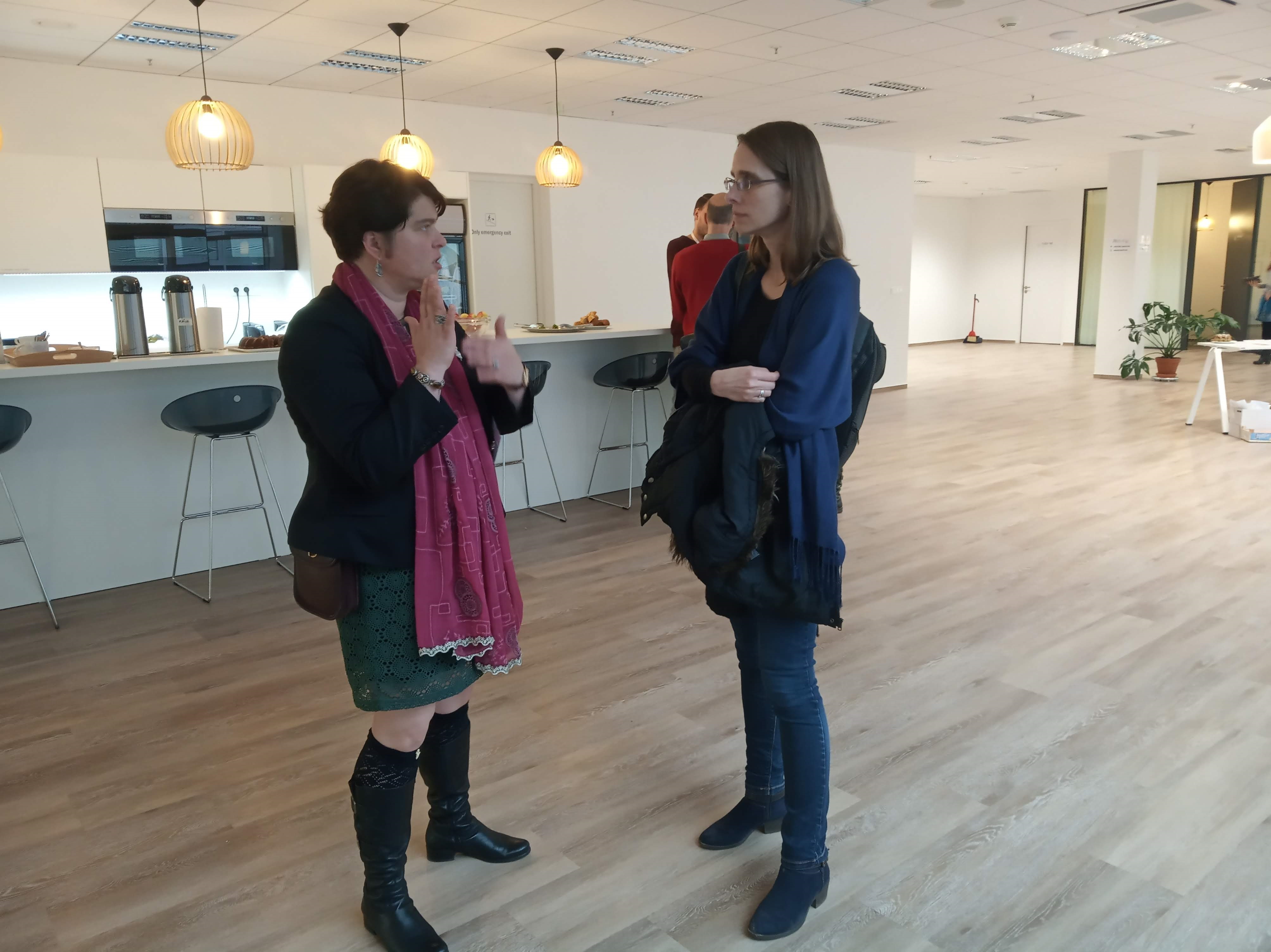
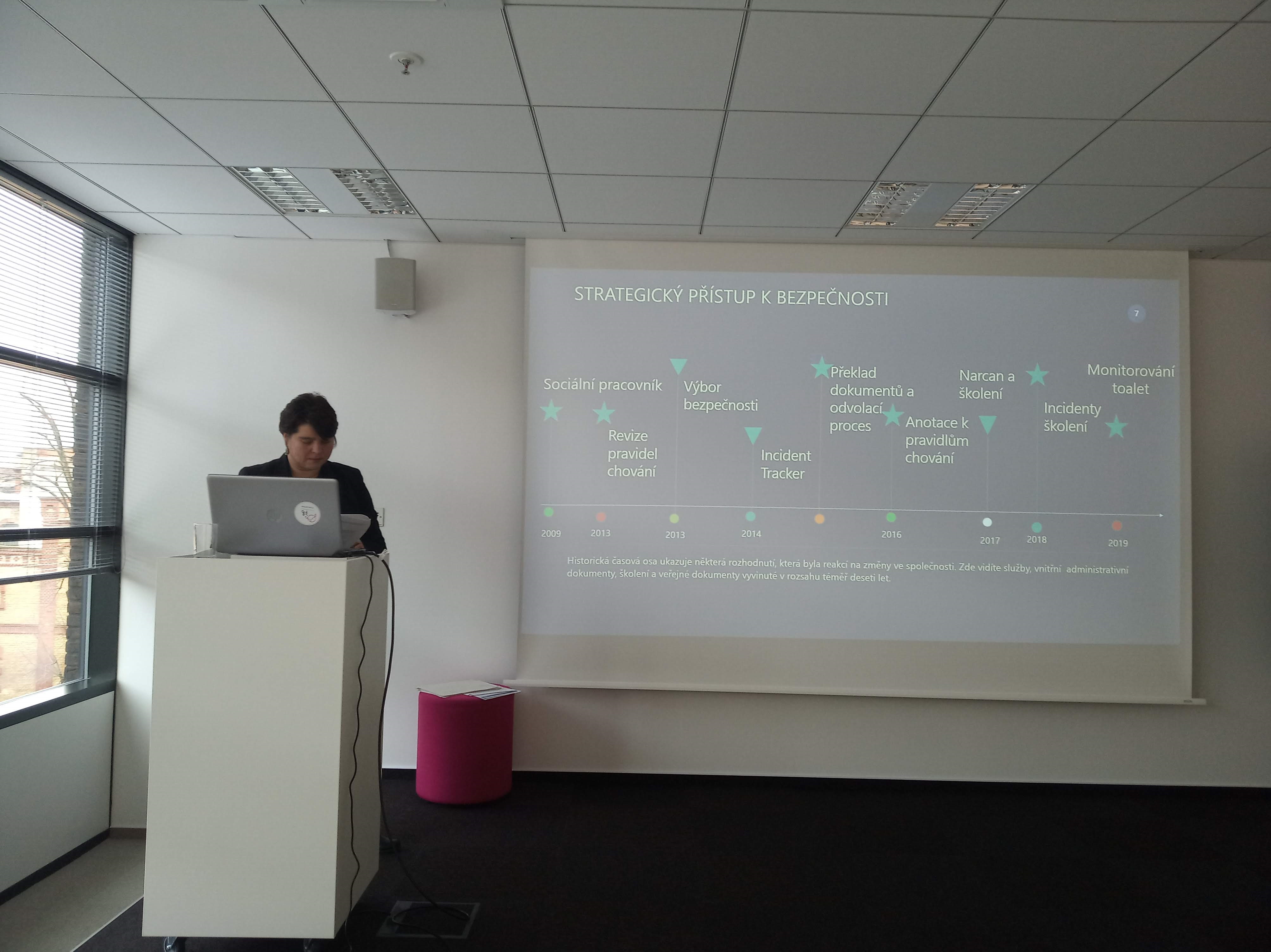
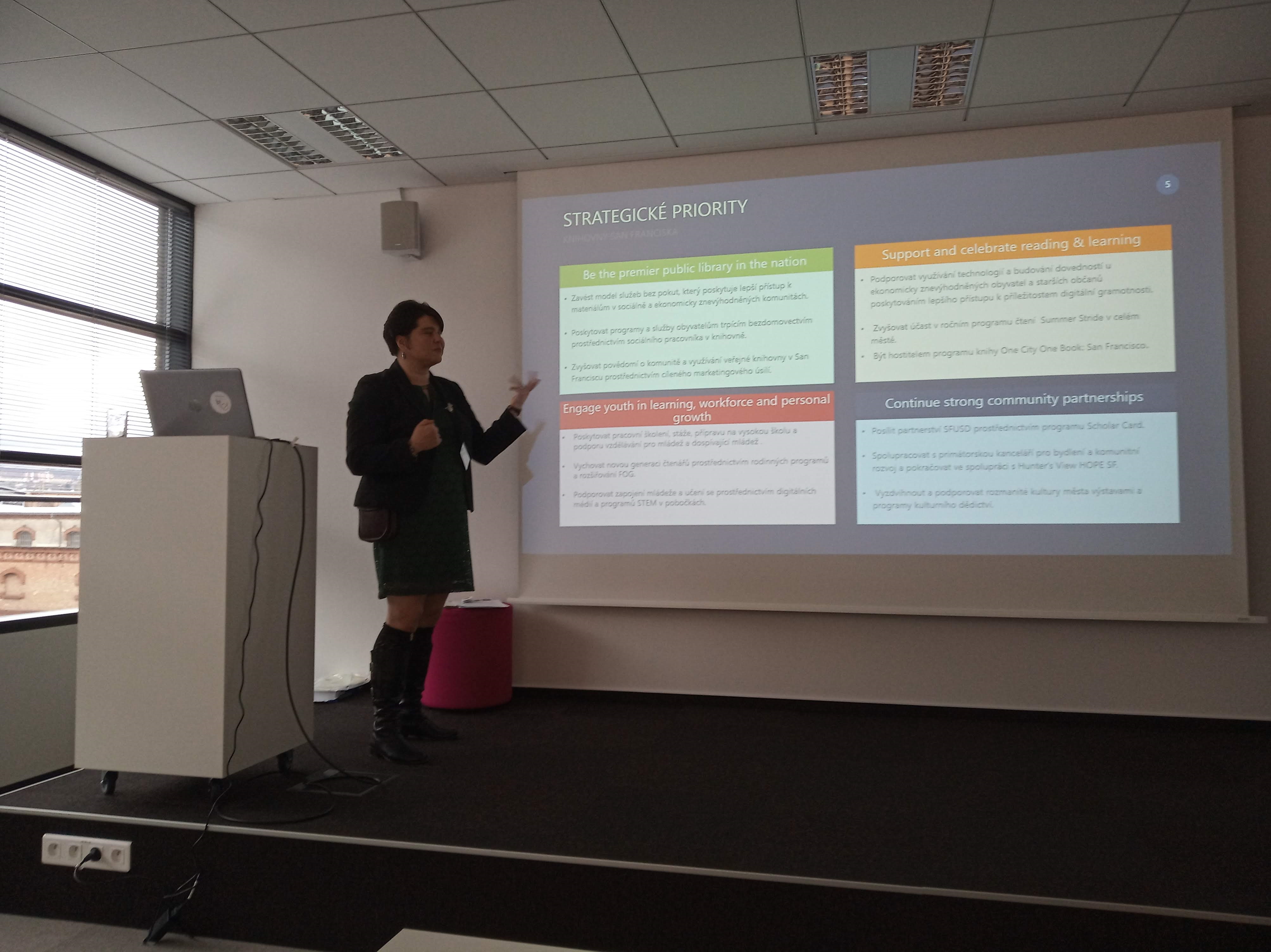
The photos are from the Social Inclusion in Libraries Conference, Feb 2020

Despite the pandemic, there are librarians still conducting global work and research. Jana de Brauwere is one such librarian who still continues to actively connect to global library work! I had a chance to speak with her about recent project. In this interview, you’ll learn about Jana’s work and interests!

Ray: Thanks for speaking with me! Tell us about your work with global librarianship!

Jana: I have always been curious about how other libraries compare to the one I currently work for. Librarianship is all about information sharing so it only makes sense for us to share information about our work, projects, services, innovations etc…with others. We are all interested in providing the best possible service to the communities we serve and we are always on the lookout for that new innovative idea that can make our services even better. The library field is so diverse, we can learn a lot from each other. I have been interested in working with libraries abroad for a long time. Last year, I presented at QQML Conference in Florence, Italy and it was well received. In fact, one of the participants found it interesting and as a result of that I was invited by Masaryk’s University in Brno, Czech Republic to facilitate a day-long workshop on safety and security in libraries this year in February, right before the COVID-19 pandemic. The Faculty of Philosophy at Masaryk’s University hosted a three-day long Social Inclusion in Libraries Conference. This was my first time presenting on a library topic in Czech. What a great experience this was. The audience included library leaders from across the country, and one library colleague from Slovakia. The conference was free for all library staff and featured innovative projects, interesting speakers and more. I was especially impressed with the library students who were hosting this conference, fresh perspective and dedication is what really stood out to me.

Ray: You are a Fulbright Scholar, congratulations! What is your project focused on?

Jana: Thank you! Yes, I was granted a status of a Fulbright Specialist this year. However, the program is currently on hold due to COVID-19. As soon as it is re-instated, I will be working with a medical library in Prague on a project and a series of lectures about libraries and librarians during the times of pandemic. What we want to look at is how libraries in US and other countries responded and how library profession contributed to the community during the time of pandemic and what we can learn from that. This assignment will be sponsored by the library of Psychiatrická nemocnice Bohnice. The library supports medical research and provides services to the patients. The institution has a reputation for sponsoring and organizing many cultural programs and art-oriented festivals for public. The library, among other things, is known for its bibliotherapy program. I am really looking forward to this partnership.

Ray: What’s your advice for library workers interested in getting involved in international library work? What do you recommend?

Jana: I met so many great library colleagues at conferences. Get involved with your professional organizations, join ALA IRRT (we are currently looking for people to serve in several  IRRT leadership roles), go to ALA, IFLA conferences, look to see what other libraries in the world are doing. Look at other graduate Library Programs around the world, what are they working on? Talk to your colleagues abroad, find out where the need is or a potential for cooperation and research the opportunities. Volunteer for United Nations, apply with Peace Corps, talk to libraries where you would like to intern and network at the upcoming IFLA WLIC in Rotterdam. And…did I mention, join ALA IRRT and get to know your international colleagues?

***

Jana de Brauwere: Drawing upon sixteen years of experience in urban public libraries serving in a variety of roles and currently responding to the COVID-19 pandemic by stepping into a team lead position for San Francisco Department of Public Health to help advance the contact tracing efforts, Jana has been dedicated to serving language diverse communities of San Francisco Bay Area. Pre- COVID-19 Jana was a Program Manager in Business, Science and Technology department in the San Francisco Public Library.