Category Archives: General

CPDWL Podcast Project: Episode 5

Colleagues, we are excited to announce the our fifth episode of the CPDWL Podcast Project where we feature library and information professionals who support and participate in professional development work.
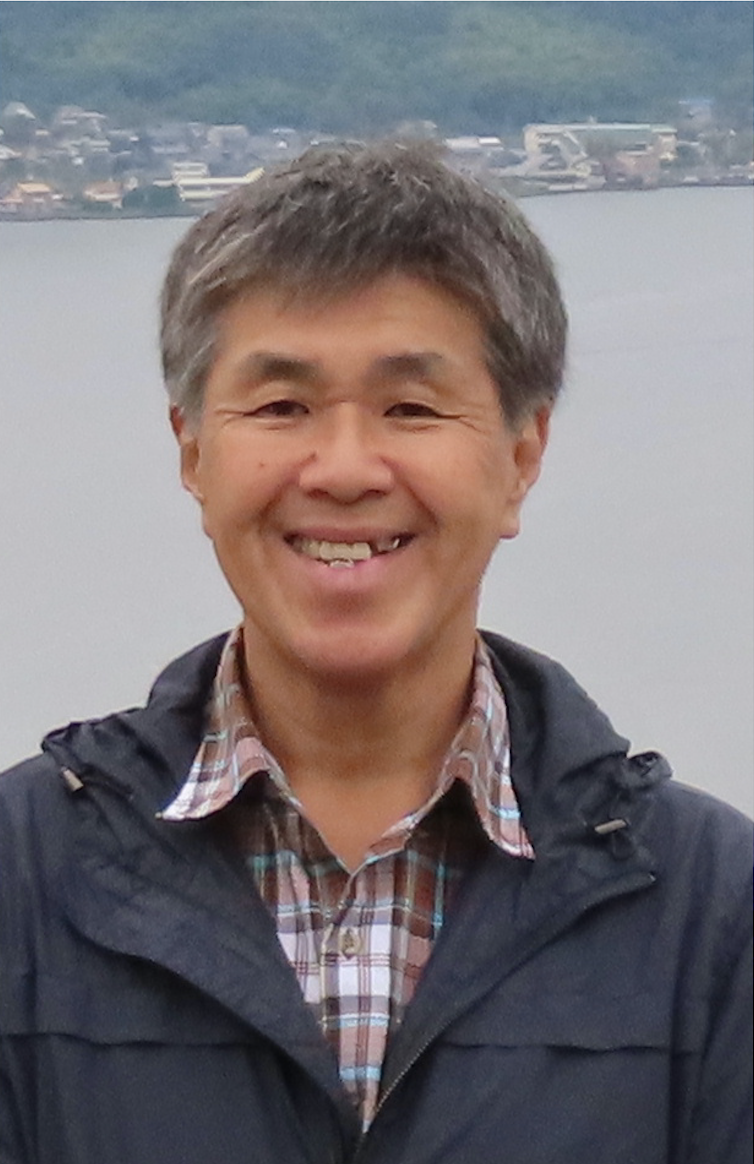
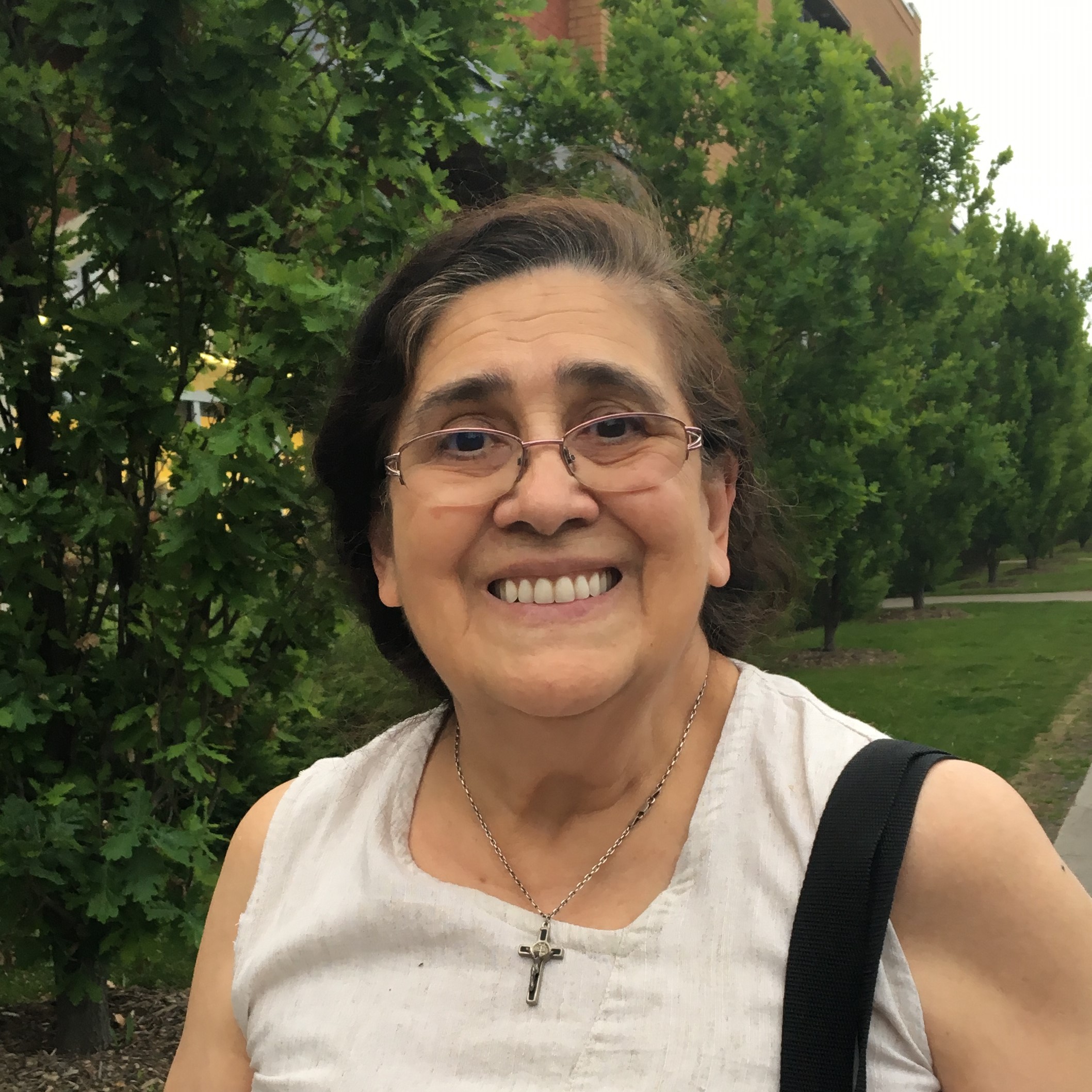
Our guest is Dr. Mitsuhiro Oda has been involved in LIS education and CPD activities for 33 years. His current responsibilities as Professor of College of Community Studies (CCS), Aoyama Gakuin University (AGU) in Japan, relate to bringing up information professionals in charge of the succession of information resources in local communities. He has engaged in the development of library profession, as well as the revision of qualification program and curriculum for librarianship. And, in these two decades, he played a role of instructor / mentor to around one hundred and more training workshops and sessions for workplace learning.

As to research activities, by adopting practical and empirical approach, he has published more than twenty research articles on such topics as effective methods for workplace learning, efficiency of training program using product- sharing database system, and significance of integrating LIS education with continuing professional development. Since 2014, he has been an active president of Japan Society of Library and Information Science (JSLIS). And, for 6 years from 2013, he contributed to LIS education as a director of Division of Education for Library & Information Science (DELIS) under Japan Library Association (JLA).Also, he has been a member of the Standing Committee in Section of Education and Training (SET) for two terms (2011-2019), IFLA.
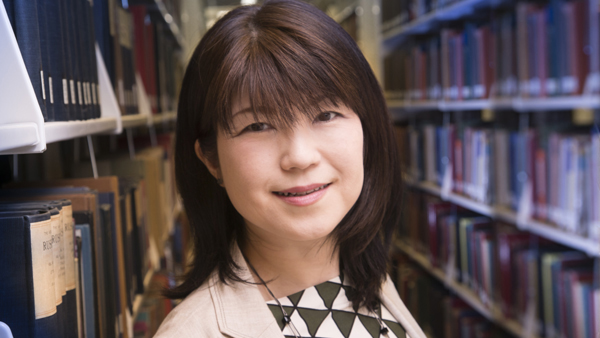
This conversation was conducted in Japanese by Dr. Hiromi Kubo, an academic librarian from Fresno State, California, USA.

See here for the podcast: https://anchor.fm/ifla-cpdwl/episodes/CPDWL-Podcast-Project-Episode-5-Mitsuhiro-Oda-in-Japanese-eh985i/a-a2ptsk5

Transcript

[00:00:03] こんにちは、レイモンド・パンです、IFLA CPDWL のポッドキャスト・プロジェクトへようこそ。このプロジェクトでは、図書館情報学の分野で、技能育成を支援したり、参加したりしている方々にお話を伺っています。 本日のゲストは、フレズノ州立大学の図書館司書である久保裕美先生と、CPDWL分科会メンバーで青山学院大学図書館情報学教授、日本図書館協会理事長の小田光宏先生です。対談は久保裕美先生が日本語で進行します。

[00:00:41] IFLA CPDWL ポッドキャスト・プロジェクトへようこそ。このプロジェクトでは、図書館情報学の分野で、技能育成や職務研修の参画・支援に関わる方々にお話を伺っています。今回は、CPDWL分科会会員であり、青山学院大学図書館情報学教授、また、日本図書館協会理事長でもいらっしゃいます、小田光宏先生にお話を伺います。

[00:01:13] 小田先生、よろしくお願いします。

[00:01:17] はい、よろしくお願いします。

[00:01:19] まず最初に、ご自身を一言で言い表すとすればどんな言葉でしょうか。

[00:01:28] 簡単な質問ではないところから始まったかと思ってますが。

[00:01:36] 日本語で表現すると、「遊び」という言葉、これが自分に適しているのではないかと思っています。遊びという言葉にはいくつかの意味がありますが、遊びというような意味合いもありますけど、それよりももうちょっと「ゆったりしてる」というような意味合いで、自分では思っています。車を運転する時をイメージしていただくといいかもしれないんですが、ハンドルを回すときに、ハンドルはいきなり右へ回したからといって(すぐに車が)曲がるんじゃなくて、初めに少し何も動かない、タイヤが動かないっていう、そういう部分を車の運転では遊びと言ってますけど、それに近いものを自分自身に感じています。

[00:02:25] 面白いですね。ありがとうございます。次の質問です。図書館情報学の教授になったきっかけは何かありましたでしょうか。

[00:02:38] 一番最初は、図書館情報学という領域が、昔自分自身が始めたころは「図書館学」という呼び方でしたけれども、そういった領域があるということに驚いたというところで、この世界に飛び込むきっかけがありました。いろんな勉強はしましたけど、ものを覚えるというのが決して得意な方ではなかったので、ものを覚えるよりは、ものの覚え方を覚えた方が少なくて済むかなっていう、そんなちょっとずるい考え方をしまして。この領域は多分そういうことに役立つ領域だろうなと思って始めたということです。そのうちに大学院に行く機会があって、教員の方に身を置こうというふうに思うに至りました。

[00:03:46] とても面白いです。そういう風に考えたことがなかったので、とても興味深くお伺いしました。

[00:03:53] それで次の質問です。小田先生にとって、「国際的な図書館司書」であるということはどういったことを意味するのでしょうか。また、もしそのお考えに何か時間の経過と共に変化がございましたら、教えてください。

[00:04:14] 国際的な、というふうに考えたときに一番こうぱっと浮かぶのは、やはり、国によって人々の考え方、生活の仕方、そういったものがもう全く違ったりするということで、今の言葉で言えば「多様性」みたいなところを強く感じます。いろいろな方々とIFLAの活動などを通じて話をするときに、あ、こういうものの捉え方があるんだな、っていうふうになって、しかも、それがまた図書館っていう世界にも反映されていて、同じライブラリー、図書館といっても、日本のものとそれぞれの国のものとがまったく違ってるっていうところが見取れて。そうしたことをお互いに理解するというのが「国際的な図書館司書」っていうところに欠かせないのかなという、そんな捉え方といいましょうか。考えに至っています。ところが、変化はありましたかという、これなかなか鋭い質問だなと思ったんですけれども。(海外の図書館・図書館司書に)接すれば接するほど、逆に共通点も見えてくるという面白さがあります。

[00:05:35] こんなに違うんだっていうふうに思ってても、実はどこかでつながってる部分も数多くあるという。違うものが先に見えて、その後に何か共通なものが見えてくる。そんなことをこの3番の質問の中で感じました。

[00:05:57] なるほど、とても共感します。ありがとうございます。
それでは次の質問です。CPDWL分科会に関わるようになった経緯を教えてください。IFLAにはたくさんの分科会があると思うんですけども、その中で、特にCPDWLをお選びになった理由がございましたら教えてください。

[00:06:28] 背景は二つあります。一つはCPDWLの委員を務める前に、Education & Training のセクションの委員を務めておりました。そのセクションでeducationは自分の職業と結びつきますから、これはそのままその通りなんですが、トレーニングということに関して、やはりきちんと何か自分の中でも位置づけた方がいいだろうな、というのが一つの背景にあります。それを考えた時に、今のIFLAのセクションの中ではCPDWLがそれを生かせるのではないかということで、貢献できればと考えて参加することを認めいただいたということになります。もう一つは、自分の研究の中で、自分の研究が情報サービス、日本だとリファレンスサービスに当たるのですが、それもコンピテンスを高めるには、という研究をここ十数年何らかの形でやっていまして。そういったこととの結びつきということももう一つはあります。

[00:07:58] なるほど。何年くらいCPDWLに係わっていらっしゃいますか。

[00:08:07] ちょっと厳しい質問ですが、委員になって2年ほど、1年とかここで新しくなりますけれどもIFLAの分科会では時間の許す限りのところで、そうですね、3年ぐらい前からでしょうか、IFLAのCPDWLのジルさんとEducation & Training (Section) の時に知り合いになるきっかけがありまして。その影響もまたあるということですね。

[00:08:48] なるほど、ありがとうございます。次の質問ですが、CPDWL、もしくはIFLA全体について、特に心に残ってるようなことがございましたら教えてください。

[00:09:04] はい、ちょっと固い言葉で「ロゴス」と「パトス」という、哲学的な用語でもあるけれど。皆さん議論してるときにきちんとしたロジックといいますか、論理で議論しているんだけれども、ひとたび終わると非常に情熱的なというか熱情的な、そのパトスの世界でやりとりが進むというそこの対比が、毎年どこの場面でもそれが強く印象に残っています。IFLAでライブラリーツアーとか最終日にありますけれど、そういったバスの中で交わす会話は、それぞれの背景のいろんな方がいらっしゃるので熱情的な語り口でお話になるんだけれども、いざセッションになると、そういったところよりは、それぞれの考え方を論理的にご説明されたり報告されたりっていう、そこの対比が面白いなというふうに感じています。

[00:10:28] 面白いですね。それでは次に、図書館司書という職業について教えていただきたいのですけれども。先生にとって、図書館司書という職業で最も面白いと感じることは何でしょうか。

[00:10:46] 自分が関心を持っている図書館が公共図書館と学校図書館ということもあるんですけれども、やはり住んでいる人達に対して、あるいは子供たちや先生方に対して、いろんな活動をしてそれぞれの生活であったり学習であったり、そういったことを支えているところの喜びがあるというか、そこが一番面白いところかなと。

[00:11:20] なかなか他の人を支えて、そしてそこで喜びを自分がまた得られるという職業はなかなかないと思ってるものですから、そういった点で貴重な職業だなと。その点が図書館員にとっては最も面白いものになるんじゃないかなと、また、なってほしいなというふうに思っています。

[00:11:50] そうですよね。何かしたことによって感謝してもらえることがまた糧になるという、そんな気がします。それでは次の質問です。図書館司書や図書館情報学の研究者に対して、専門的能力の向上に関するアドバイスやキャリアアップのヒントがございましたら教えていただけますか。

[00:12:18] あまりアドバイスのようなものってできるとは思ってないんですが、それでもこんなこともあるかなっていうのを申し上げると、図書館司書の方に対して、あるいは図書館情報学の研究者に対して同じ意味合いになるんですが、「お互いを理解しましょう」という話にまずはなると思うんですね。日本の事情なのかもしれませんが、なんとなくそれぞれが分かれてしまいがちになるんですね。

[00:12:56] 図書館司書の方は図書館情報学の研究者は自分たちとは何か異質なもの、逆に図書館情報学の研究者の方も図書館司書とは何か一線を画しているような、そんなところがやっぱり少なからずあるので、お互いを理解することが必要かなということがまず第一に思います。ただこれだけだと抽象的なので、図書館司書の方にはやはり、いろんな研究ってどういうことなのかなということをもっと知っていただくとご自身のキャリアアップなどにもつながると思いますし。図書館情報学の研究者の方は、かつては図書館にお勤めの方なども結構いらっしゃるんですけども、(研究者に)なるとだんだん疎遠になってしまうので、そうではなくて、むしろ図書館の現場に入り込んで研究というような実践的な研究がもっとあるといいのかな、というふうに個人的には思っています。

[00:14:10] そうですよね。おっしゃる通りだと思います。
それでは次の質問です。日本図書館協会の理事長という役目で重要なことをひとつ挙げるとすれば、それはどのようなことでしょうか。

[00:14:29] そうですね。

[00:14:32] これも日本の事情がやっぱりあるんですが、やはり図書館員の専門職制度をやはり少しでも整備することにつなげる活動ができればなというのが、今の自分の大きな役割だと思っています。ただ、それだけ言うと図書館員のためだけの組織のように思ってしまうんですが、そうではなくて、図書館員を支えていく、図書館員の専門職性をきちんと整えることによって、その先にある日本の、日本で言えば日本の人々が豊かな生活ができる、的確な情報を得て適切な判断ができるようになるという、そういったことを目指しているというところになります。ちょっとかっこいい言い方しかできないのですが、そんなことを考えています。

[00:15:29] なるほど。すみません、質問が前後してしまいましたがもうひとつ。もし大学教員以外の職業を目指すとすれば、先生はどんな職業を選んだでしょうか。

[00:15:47] 難しい質問だから飛ばしていただいたのかと思ってしまいましたが。

[00:15:58] 正直なところ大学の教員を辞めたいなと思ったときは何度もあって、その時にはなにか転職できればなと思ったんですが、なかなかそれも難しいなと思っていますけれども。もし今から若返ってこんなことができたらなということならば、人があまり来ないところにまず行ってみます。そうすると職業として成り立つかどうかは別なんですが、山岳隊員になってみたいなというふうには思っています、山岳の案内人ですね。これは山登りが好きで、歩き回るのが好きだからということにも関係していますけれどもね。

[00:16:55] 楽しそうですね。また全く違った感じで、自然の中で。

[00:17:02] 違い過ぎます。

[00:17:06] でも今はWiFiもありますので、もしかしたらやっぱり人と繋がってしまうことになるかもしれませんね。

[00:17:16] そうですね、どこへ行っても繋がるのはいいところでもあるし、ちょっと煩わしいところでもありますね。

[00:17:28] では最後に、先生のウェブサイトやソーシャルメディアなど、もし今日聴いてくださっている皆さんが小田先生のことをもっと知る方法がございましたら教えていただけますか。

[00:17:42] 実は自分自身がアナログ人間なのかもしれませんが、自分のウェブサイトは開いていませんし、ソーシャルメディアは使いたくないという変な意地がありまして。ここを見ればというのはなくて、もちろん勤め先の紹介のページなどはありますけどそれはあくまで仕事に関係した情報しかないので、もし何かをお知りになりたいということがあれば、直接メールでご連絡くださるのが一番良いかと思います。それからもっといいのは、今年は残念ですけれども、来年以降IFLAで直接お会いするというのが一番いいのかもしれないというふうに思っています。

[00:18:42] そうですね、やっぱり直接お話するのが一番ですよね。私もそう思います。

[00:18:51] きちんとお答えできずに申し訳ありません。

[00:18:55] とんでもないです。

[00:20:18] 今日は、小田先生、本当にお忙しいところありがとうございました。

[00:20:24] こちらこそありがとうございました。これをお聴きになっている皆さんとまたIFLAの会場でお会いできると嬉しいなというふうに思っています。

[00:20:35] そうですね。それでは皆さんも聴いてくださってありがとうございました。

English Transcript/Translation

[00:00:03] Hi, this is Raymond Pun, Welcome to the IFLA CPDWL Podcast Project. In this space, we talk with library and information professionals who support and participate in professional development work. Today’s guests are Dr. Hiromi Kubo, an academic librarian from Fresno State and Dr. Mitsuhiro Oda, CPDWL Section member, Professor of Library and Information Studies in Aoyama Gakuin University, and President of the Japan Library Association. Dr. Hiromi Kubo will be conducting the conversation in Japanese.

[00:00:41] Welcome to the IFLA CPDWL Podcast Project. In this space, we talk with library and information professionals who support and participate in professional development work. I am speaking with Dr. Mitsuhiro Oda, CPDWL Section member, Professor of Library and Information Studies in Aoyama Gakuin University, and President of the Japan Library Association.

[00:01:13] Nice to meet you, Dr. Oda.

[00:01:17] Yes, nice to meet you.

[00:01:19] First of all, if you had to describe yourself using only one word, what word would it be?

[00:01:28] I’m wondering if you started with a not-so-easy question.

[00:01:36] I think the word “Asobi (play)” is the right word for me to express in Japanese. The word “Asobi” in Japanese has several meanings, but besides the meaning of playing, it also means that there is a little bit of room (in the connecting parts of the machine, for example), which I think suits me well. Imagine that you are driving a car. When you turn the wheel to the right, the car doesn’t turn all of a sudden: the tires don’t move right away. This is the part of driving that we call “Asobi” in Japanese, and I feel it’s similar to that in myself.

[00:02:25] It’s interesting! My next question is…. What compelled you to become a Professor of Library and Information Studies? How did you get started?

[00:02:38] First of all, I was surprised that such a field of library and information sciences, which was called “library science” when I started out, existed, and that’s how I got into this world. I studied a lot of things, but I was never very good at memorizing things, so I thought it would be easier to learn how to memorize things rather than trying to memorize them, which I admit was a bit of a cunning way of thinking. I thought this field would probably be useful for that kind of thing. Eventually, I had the opportunity to go to graduate school, and I came to the conclusion that I wanted to put myself in the position of a teacher.

[00:03:46] It’s very interesting. I hadn’t thought about the library and information science field in that way, so it was very interesting to hear from you.

[00:03:53] My next question. What does it mean to you to be an “international librarian”? Has that vision changed for you over the years?

[00:04:14] When I think of the word “international”, the first thing that comes to mind is the fact that people’s ways of thinking and living are completely different in each country. In today’s terms, I would call it “diversity”. When I talk to people through IFLA’s activities, I am reminded of the fact that there are different ways of understanding things. This is also reflected in the world of libraries, where even though we have the same library, there are differences between the libraries in Japan and those in other countries. I think that understanding each other is essential for an international librarian. That’s the way I see it. I thought that was a very insightful question, asking if there was any change in my thinking (of being an international librarian). It’s interesting to me that the more I come into contact with (libraries and librarians abroad), the more I see the similarities between them.

[00:05:35] Even though we may think we are so different; we realize that there are many aspects that are actually connected in some way. You see the differences first, and then you see the things you have in common. That’s what I felt in this question.

[00:05:57] I can relate to that very much. So, my next question is how you became involved in the CPDWL Section. I know there are many sections in IFLA, but what made you choose the CPDWL among them?

[00:06:28] There are two backgrounds. One is that prior to serving on CPDWL, I was in the Education and Training Section. While education is directly linked to my profession, I thought it would be better to position myself in some kind of a proper way with regard to training. When I thought about it, I thought I could make use of my understanding and contribute to the CPDWL Section, and I was accepted to participate in CPDWL. Another thing is that I have been doing research on how to improve competence in information services, or reference services in Japan, for the last 10 years or so. That connection to those things is another reason I got involved with CPDWL.

[00:07:58] I see. How long have you been involved in CPDWL?

[00:08:07] This is a bit of a tough question. I’ve been in the section for about two years, or a year or so, and I’m fairly new, but I’ve been on IFLA sections for as long as time permits. About three years ago, I had the opportunity to get to know Jill from CPDWL when I was in the Education & Training Section. She also inspired me to get involved with CPDWL.

[00:08:48] I see. Would you share with us a memorable moment you’ve had in particular about CPDWL, or IFLA in general?

[00:09:04] There is an interesting aspect of IFLA that reminds me of two slightly technical, or philosophical terms, “logos” and “pathos.” When IFLA members discuss in a formal session, they do so in a very logical way. But when the session is over, they speak in a very passionate or impassioned way, and from there the interaction takes place in a world of pathos. The contrast between these two modes has stuck with me every year. The conversations we have on the bus for the library tour on the last day of IFLA are very passionate, as people from various backgrounds talk about their experiences. However, when it comes to formal sessions, everyone explains and reports on their ideas logically rather than passionately. I find the contrast between the two to be interesting.

[00:10:28] That’s interesting. Now, I’d like to ask you to share your thoughts about the profession of librarianship. What are you most excited about in the library profession?

[00:10:46] Since my interests are in public libraries and school libraries, I find pleasure in supporting the lives and learning of people in the community, or children and teachers, through various activities. I think that’s the most interesting part of it.

[00:11:20] I don’t think there are many professions where you can support other people and get pleasure from it in return, so it’s a valuable profession in that respect. I think that’s the most interesting aspect for librarians, and that’s what I hope will be.

[00:11:50] You’re right. I think it’s the kind of profession where the gratitude you receive for doing something for others is a source of sustenance for you. So that brings me to my next question. Do you have any advice or tips for librarians and LIS researchers regarding professional development?

[00:12:18] I don’t think I can give you much advice, but I would say to librarians and to LIS researchers alike, “Let’s understand each other.” It may be a peculiar situation in Japan, but librarians and LIS researchers tend to be divided into different groups.

[00:12:56] Librarians tend to think of LIS researchers as somehow different from themselves, and conversely, LIS researchers are also distinct from librarians in more ways than one. So, I think the first thing we need to do is to understand each other. To be more specific, it would be helpful for librarians to learn more about various research topics and what it means to do research, which would help them to advance their own careers. For LIS researchers, there are many researchers who used to work at libraries, but once they become researchers, they are estranged from the field. Rather, I personally think it would be beneficial if there were more practical studies that would take place in the frontline of libraries.

[00:14:10] That’s right. I think you’re right. So, here’s my next question. If you had to name one important aspect of your role as president of the Japan Library Association, what would it be?

[00:14:29] Well, let me think.

[00:14:32] There are some circumstances that are unique to Japan, but I think my major role right now is to help improve the professional system for librarians as much as possible. It may sound like the organization is only for librarians, but it’s not. By supporting librarians and improving the professionalism of librarians, we aim to help the people of the local community, or the people of Japan in the case of JLA, to enrich their lives and to help them get accurate information and make appropriate decisions. It may be a bit too cool to say, but that’s what I’m thinking about.

[00:15:29] I see. Sorry, I asked the questions in the wrong order and skipped this one. If you were to pursue a career other than university faculty, what profession would you have chosen?

[00:15:47] I thought you skipped this question because it’s a difficult one.

[00:15:58] Honestly, there were times when I wanted to quit my job as a university professor, and I wished I could change my job in some way, but I thought that would be difficult to do. If I’m young again, I would try going to places where not many people visit. I don’t know if that would be a viable profession, but I would like to become a mountaineering expert, or a mountain guide. This is related to my love of mountain climbing and walking around.

[00:16:55] It sounds fun. Working in nature would be very different.

[00:17:02] It’d be completely different.

[00:17:06] But we have WIFI now, so maybe you’ll still be connected to people.

[00:17:16] Yeah, it’s nice to be connected everywhere you go, but it’s also a little bit annoying.

[00:17:28] Lastly, could you tell us if there are any ways for people listening today to learn more about you, such as your website, social media, etc.?

[00:17:42] Maybe I’m an analogue person myself, but I don’t have my own website and I have a weird streak of not wanting to use social media. Of course, there is my profile page on the website of the university I work for, but it’s only work-related information. If you’d like to know something, I think it’s best if you email me directly. And even better, although it’s not happening this year, it might be best to meet in person at IFLA next year or later.

[00:18:42] I think so, too, it’s best to meet and talk in person.

[00:18:51] I’m sorry I couldn’t answer your question well.

[00:18:55] You did great and it was a great conversation.

[00:20:18] Thank you so much for your time today, Dr. Oda.

[00:20:24] Thank you as well. I hope to see those who are listening to this today at IFLA.

[00:20:35] That’ll be great. Thank you all for listening.
Bibliotecas LAC: El impacto de la legislación de derechos de autor en América Latina y Caribe

Texto en español a continuación – English text below

Ebook Bibliotecas LAC: O impacto da legislação de direitos autorais na América Latina e no Caribe

A América Latina e o Caribe estão entre as regiões do mundo onde se concentram as legislações nacionais de direitos de autor mais restritivas no que se refere ao acesso à informação. Neste contexto, as associações nacionais de bibliotecários abraçaram a proposta
da Seção da América Latina e Caribe da IFLA para desenvolver um estudo sobre essa realidade, envolvendo a percepção dos bibliotecários.

Neste espírito colaborativo é que a Comissão Brasileira de Direitos de Autor e Acesso Aberto (CBDA3) da FEBAB assumiu a tarefa de editar e publicar este E-Book com os resultados finais do Projeto da IFLA LAC que visa divulgar este esforço coletivo para dar maior visibilidade a este mapeamento e para mostrar mais um exemplo de trabalho em parceria. Os resultados foram obtidos em quinze países: Argentina, Brasil, Chile, Cuba, Equador, El Salvador, Guatemala, Haiti, Jamaica, México, Nicarágua, Panamá, Peru, República Dominicana, Trinidad e Tobago, proporcionaram distintas visões da realidade, tanto em termos nacional, como macro e regional.

O livro foi lançado em marco de 2020, e está disponível no site da FEBAB http://www.febab.org.br/febab201603/wp-content/uploads/2016/03/LIVRO-FEBAB.pdf


Ebook Bibliotecas LAC: El impacto de la legislación de derechos de autor en América Latina y Caribe

América Latina y el Caribe es una región con alta concentración de países sin o con pocas limitaciones y excepciones a los derechos de autor y derechos conexos específicamente para las bibliotecas, archivos y museos. Incluso cuando estas limitaciones y excepciones existen, en la mayoría de casos no están adecuadamente adaptadas al ámbito digital. Solamente con la presencia de limitaciones y excepciones modernas en las leyes nacionales y con instrumentos o tratados internacionales, dichas instituciones culturales podrán continuar ofreciendo sus servicios y productos con la calidad necesaria y, principalmente, asegurando el acceso democrático, igualitario y de derecho a todos los ciudadanos.

Con el objetivo de actuar en ese contexto, el Comité Permanente de la Sección para América Latina y el Caribe de la Federación Internacional de Asociaciones de Bibliotecas e Instituciones (IFLA LAC) realizó, en 2016, el proyecto integrado “Impacto de la legislación sobre los derechos de autor en las bibliotecas en América Latina y el Caribe”, cuyo objetivo era identificar y registrar las principales dificultades, problemas y situaciones que las bibliotecas enfrentan diariamente en la situación de trabajo, causados por la falta de actualización, la complejidad o la ausencia de leyes nacionales de derechos de autor en la región.

Este libro tiene la pretensión de servir como instrumento de apoyo para los profesionales de la región en lo concerniente a: (a) el desarrollo de estrategias y acciones más contundentes para buscar el equilibrio legal en sus países em lo que se refiere a la Ley de derechos de autor, (b) la identificación de los principales puntos de debate sobre el tema de las limitaciones y excepciones al derecho de autor, (c) la inserción de la temática en el programa y disciplinas de los cursos de graduación y programas de posgrado en biblioteconomía y ciencia de la información de los diferentes países y, finalmente, (d) la divulgación de los resultados aquí alcanzados con los países de América Latina y el Caribe, de modo a establecer una red de intercambio y apoyo entre los profesionales de la región.

En este espíritu de colaboración, en marzo de 2020 se lanzó el libro, la Comisión Brasileña de Derechos de Autor y Acceso Abierto de la FEBAB (CBDA3) asumió la tarea de editar y publicar este libro electrónico con los resultados finales. Quince países decidieron participar: Argentina, Brasil, Chile, Cuba, Ecuador, El Salvador, Guatemala, Haití, Jamaica, México, Nicaragua, Panamá, Perú, República Dominicana, Trinidad y Tobago.

Libro disponible en el sitio web de FEBAB http://www.febab.org.br/febab201603/wp-content/uploads/2016/03/LIVRO-FEBAB.pdf


Ebook LAC Libraries: The impact of copyright legislation in Latin America and the Caribbean

At the 2016 World Library and Information Congress in Columbus, an extraordinary conference session saw librarians from sixteen Latin American and Caribbean countries explain in detail how their domestic copyright laws were not keeping up with the promise of the digital age. This book, is an essential document, as it contains the first-hand experience of librarians struggling to work within laws that in many cases do not even serve the library of the print age. These essays are crucial evidence for library advocacy, to be used by all of us who want to see change.

Barely half of the world’s countries have any provisions for fundamental library activities such as preservation, or making copies for research or study. In Latin America and the Caribbean, the situation is particularly sub-optimal, with six countries (Argentina, Brazil, Costa Rica, Haití, Suriname, Uruguay) having no copyright exception for libraries.

Which is why this book is so important.

In a collaborative spirit, FEBAB’s Brazilian Commission on Copyright and Open Access (CBDA3) took on the task of editing and publishing this E-Book in March 2020, which aims to disseminate this collective effort to give greater visibility to this study and to show one more example of working in partnership. We present the results obtained in fifteen countries involved: Argentina, Brazil, Chile, Cuba, Ecuador, El Salvador, Guatemala, Haiti, Jamaica, Mexico, Nicaragua, Panama, Peru, Dominican Republic, Trinidad and Tobago.

Book available on the FEBAB website http://www.febab.org.br/febab201603/wp-content/uploads/2016/03/LIVRO-FEBAB.pdf


 *Text based on the prefaces of the book.

Consultation on Marrakesh Treaty in Brazil

A crucial moment is coming in the implementation of the Marrakesh Treaty in Brazil, which included a public call on implementing regulations that ended on July 24th.

The Brazilian Federation of Library Associations – FEBAB – has been very active in mobilizing librarians, information professionals, and other interested third parties to participate within this open call. Also has been strongly representing the interests of libraries and enforcing the broad and unrestricted access to all. Its Copyright and Open Access Brazilian Committee (CBDA3) launched several campaigns on social media, webinars, and discussion groups.

Brazil was one of the first countries to sign and ratify the Marrakesh Treaty, even before it entered into force globally. The country was also a leader in pressing for the Treaty’s agreement in the first place.

The country is now in the process of finalizing its own national laws in order to make a reality of access. This brings the potential to remove unnecessary copyright-related barriers to access to knowledge for people with print disabilities.

As part of this, there have been extensive debates among professionals on different sectors, in particular through a working group to discuss relevant regulations and their implementation, organized by the Secretariat for Copyright and Intellectual Property (SDAPI) between October and December 2019.

Latest Developments

A particular question is whether Brazil should oblige people with print disabilities and the institutions that support them to check whether accessible format copies are available on the market before making or sharing them.

IFLA and partner organizations have long argued against the inclusion of such proposals. Indeed, among those countries which have legislated to implement the Marrakesh Treaty, 79% of countries[i] that have taken a decision on commercial availability decided to not include it (34 have ruled the commercial availability out, 9 countries have decided to implement it, while 49 countries have yet to adapt their national rules).

FEBAB has shared its concerns via a statement on this topic, underlining the risk that it will weaken the goals of the Marrakesh Treaty:

1 – Difficulty in defining universally what is a “work in accessible format”.
2 – Difficulty in defining what “reasonable access conditions” would be.
3 – The spirit of the Treaty is not the formation of a market, but the guarantee of a right.
4 – The clause would create insecurity in delivering the main promise of the Treaty, which is the cross-border exchange.
5 – The absence of this clause does not affect the Berne Convention’s Three-Step Rule, as already established in Footnote n. 5 of the Marrakesh Treaty itself.

Discover IFLA’s guide to start with the Marrakesh Treaty, adapted and translated by FEBAB in Portuguese.

The Marrakesh Treaty Implementation, March 2020, update

CPDWL Podcast Project: Episode 4

Colleagues, we are excited to announce the our fourth episode of the CPDWL Podcast Project where we feature library and information professionals who support and participate in professional development work.

Our guest is Juanita Jara, CPDWL Section member and a former Liaison Librarian in McGill University Library in Canada.

This conversation was conducted in Spanish by Sara Ulloa, a school librarian from Peru and also a CPDWL Section member.

See here for the podcast

Transcript:

Sara: Hola, bienvenidos al podcast de la sección de Desarrollo Profesional Continuo y Aprendizaje en el Lugar de Trabajo de la IFLA, más conocida, por sus siglas en inglés, como CPDWL. En este espacio conversamos con profesionales de bibliotecología e información, quiénes apoyan y participan en el trabajo de desarrollo profesional.

En esta oportunidad contamos con la presencia de Juanita Jara, actual miembro de la Sección de Desarrollo Profesional Continuo de la IFLA y ex bibliotecaria de la Universidad de McGill de Canadá. Debo añadir que para mí es un gusto conversar con Juanita porque es mi compatriota. ella es peruana radicada en Canadá desde hace muchos años. Tuve la oportunidad de conocerla una vez en una conferencia en Lima cuando yo estaba exponiendo sobre mi experiencia de cuando fui por primera vez a un congreso de la IFLA en Ohio, en los Estados Unidos. Y, bueno, sin más preámbulos a continuación pasaré a hacer unas preguntas a nuestra invitada.

Sara: Bienvenida Juanita.

Juanita: Muchas gracias, Sara. Y muchas gracias también a Ray que ha organizado esta conversación. Aquí estoy a las órdenes de ustedes.

Sara: Cuéntanos Juanita, ¿Qué te impulsó a convertirte en bibliotecaria? ¿Cómo empezaste?

Juanita: Pues, como mucha gente yo llegué a la Bibliotecología por accidente en realidad, porque buscaban alguien que supiera inglés y yo sabía inglés. Nada que ver con biblioteca, y no tenía la menor idea. Pero, para mí siempre los libros y las bibliotecas tenían una especie de atractivo intelectual. O sea que me dije: voy a probar. Me gustó y allí me quedé por 54 años.

Sara: ¿Qué significa la Bibliotecología para ti y sobre todo en este mundo globalizado? ¿ha cambiado tu visión de la carrera a lo largo de estos años?

Juanita: Yo diría que no ha cambiado mi visión, ha cambiado la manera de hacer Bibliotecología. Pero, la Bibliotecología siempre fue globalizada, desde mi punto de vista. Las grandes bibliotecas tenían colecciones universales en muchos idiomas, sobre todo tipo de material, todo lo que era el legado clásico y cultural y las novedades que venían apareciendo. Y creo que ahora la Bibliotecología sigue teniendo la misma tónica. Seguimos tratando de recoger la mayor cantidad posible de información disponible y ponerla a disposición del mundo.

Sara: Y, cuéntanos, ¿cómo así te involucraste en la Sección de Desarrollo profesional continuo de la IFLA?

Juanita: Yo fui al Congreso de Buenos Aires en el año 2004, fue mi primer congreso de IFLA. Si bien, yo había tenido ya relación semi personal con IFLA y sus programas, nunca había ido a un congreso. Y cuando estaba ya trabajando acá en Canadá, la directora me invitó a que fuera al congreso, dado que iba a ser en Argentina y, por lo tanto, en español. Entonces, yo me presenté. Y me encontré con que, de todos los programas a los que asistí, de todas las sesiones, la mejor de todas, la más interesante, fue un workshop [taller] que organizó CPDWL, que fue tan fantástica y estaba tan relacionada con lo que yo quería hacer en términos de acogida a los nuevos estudiantes que venían a trabajar con nosotros en la biblioteca. Entonces, me pareció que ese era el punto por donde yo debía entrar a IFLA, y me inscribí como socia a título personal de IFLA. Y desde ahí sigo siendo socia en esta misma sección.

Sara: ¿Tienes algún momento memorable sobre la sección CPDWL o de IFLA?

Juanita: Momentos memorables, creo que han habido cada vez que he ido a IFLA y he estado, sobre todo, en las reuniones satélites, organizadas por CPDWL. Sobre todo el primero al que asistí en Oslo, porque allí me dio oportunidad para conocer a la gente que realmente había comenzado la sección, las que lograron que pasara de ser tabla de concertación, de interés, a ser aceptada como sección. Y esa gente como que ya estaba terminando su periodo y entraban nueva gente. Entonces, tuve oportunidad de conocer a los primeros y a los que siguieron a continuación desde el 2005. Momentos memorables, bueno, conocer gente tan conocedora de lo que era CPDWL y una cosa también muy importante para mí fue cuando se aprobaron los Guidelines, las directrices, porque ahí viene todo un conjunto de conocimientos que redondean lo que es el desarrollo profesional continuo. Haber podido participar y traducir al español esas directrices para mí ha sido un momento muy importante.

Sara: Volviendo un poco la carrera, ¿qué es lo que más te entusiasma de la profesión?

Juanita: La verdad que de la profesión me entusiasma todo. Me entusiasma ver que hay gente que realmente está comprometida con la profesión, gente que se jubila, como yo, y que sigue trabajando como bibliotecaria, que sigue pensando como bibliotecaria. Conozco mucha gente que después que se jubila sigue pensando como tal. No es que era un trabajo, ya lo terminé y ahora no hablo de eso, sino que todavía se interesan por los avances, por las cosas nuevas que hay, ya sea que uno las entienda o no, porque, obviamente, cuando no estás en el trabajo todo el tiempo, no logras comprender cómo encajan las nuevas teorías y los nuevos puntos de vista.

Sara: Sí. Precisamente, tengo entendido que ya está retirada, que ya estás jubilada. ¿puedes contar un poco sobre cómo era tu trabajo? Sé que eras bibliotecaria académica. ¿Te encuentras trabajando ahora en algún proyecto emocionante?

Juanita: Pues, en mi trabajo como bibliotecaria se puede decir, efectivamente, que yo empecé como bibliotecaria académica en la universidad de San Agustín en el año 1961. Pero, en esa época no había bibliotecarios ni en la universidad, ni en toda la ciudad. En Arequipa, Perú, no había bibliotecarios profesionales. De manera que mi trabajo, si bien era en academia, no era un trabajo académico como tal. Era una biblioteca tradicional de estante cerrado. No había mayor actividad excepto con algunos profesores que eran investigadores y lográbamos hacer como una especie de amistad personal y desarrollábamos discusiones relacionadas con la biblioteca.

Eso duró hasta que yo me fui a estudiar a Inglaterra con una beca del Consejo Británico y, cuando regresé, empecé mi trabajo de capacitación del personal que estaba allí, para tratar de que la biblioteca subiera un poco su nivel., por lo menos en la organización bibliográfica, a través de un catálogo más profesional digamos. Y allí estuve trabajando otros cuatro años, y tuve oportunidad de que un director, que estaba muy interesado en la posibilidad de que la universidad entrara a automatizarse, y me promocionó para poder aceptar la beca Fullbright para irme a los Estados Unidos a estudiar automatización en bibliotecas. Eso es lo que a mi me marcó, porque descubrí que efectivamente, por mi naturaleza, me gustaba la sistematización, el análisis. Y, entonces, como bibliotecaria de sistemas logré encontrar el redondeo de lo que ya sabía con lo que podía hacer. La ventaja que tuve de haber ido, tanto a Inglaterra como a los Estados Unidos, a estudiar, teniendo un trabajo al que iba a regresar, era que mis estudios estaban muy centrados en lo que yo iba a utilizar. De manera que todo lo que veía, lo organizaba como: esto lo puedo utilizar cuando regrese a mi país. Y esa fue una etapa que duró 18 años, en que fui bibliotecaria en la Universidad des San Agustín de Arequipa.

De allí me fui. Las cosas no funcionaban muy bien porque, políticamente hablando, las personas, que me habían promocionado para que fuera a estudiar automatización en bibliotecas, ya no estaban. Y, a los que estaban en ese momento, no les interesaba la automatización de la biblioteca. Y esto coincidió con que Gran Bretaña decidiera invertir, no solamente en dar capacitación en el exterior y obsequiar libros a las bibliotecas, sino en tratar de desarrollar una Escuela de Bibliotecología. Entonces, conseguí un trabajo a medio tiempo en la Pontificia Universidad Católica , para el curso de enseñanza de la bibliotecología y capacitación de bibliotecarios que ya tenían título. Y un [trabajo de] tiempo completo como bibliotecaria de un banco. Y allí estuve 14 años haciendo equilibrio entre las dos cosas.

Y, finalmente, cuando me vine a Canadá, tuve un periodo en el que tenía que ajustarme, y las cosas acá tampoco no estaban bien, era el periodo después de los… referendos con la posibilidad de que Quebec se separara de Canadá, entonces, no había mucha oportunidad de trabajo. Y conseguí trabajo en la otra parte, que fue siempre mi trabajo: la traducción. [Trabajé] como traductora de catálogos cuando comenzaba la catalogación en web y hice varias traducciones [al español] en eso hasta que se abrió la oportunidad de trabajar en la Universidad McGill. En McGill, no solamente, era referencista, sino que también tenía a mi cargo recibir a los estudiantes que venían a ayudar a la sección de referencia y orientarlos a seguir su programa de capacitación para integrarse al equipo de referencia. Y, claro, eso fue evolucionando; al principio, era ser bibliotecario de referencia e instrucción y terminamos siendo lo que se llamaba bibliotecario de enlace o liaison librarian, cuya misión es atender al público, hacer investigación y selección bibliográfica, osea una cosa mucho más completa, hasta que ya me retiré.

Sara: Wow. ¿Cuándo fue que te retiraste?

Juanita: En el 2015. Me retiré, quiere decir, de ir a trabajar todos los días de mañana y tarde, fines de semana, etcétera, pero no me retiré nunca de la Bibliotecología. He seguido trabajando, haciendo consultas para Perú. Viajé varias veces a dar pequeñas charlas de formación, organizadas por la Universidad Católica, tanto para su personal como parte gente de fuera; y, trabajando siempre en CPDWL con las traducciones y el boletín.

Sara: Sí fue un gran proyecto lo de las traducciones, para los que leemos en español, de las directrices de CPDWL.

Juanita: En realidad, mi formación, mi desarrollo profesional, ha sido en tres campos: en el campo de la enseñanza, porque tengo un título de profesora de educación secundaria y enseñaba inglés y después enseñé en la Universidad Católica en Bibliotecología; por el otro lado, la bibliotecología misma practicada en el campo, en la biblioteca; y, por otro lado, la Traducción e Interpretación, que la hecho desde interpretación a profesores británicos que iban al Perú a dar clases; y, traducciones para la Bibliotecología de ponencias del CPDWL, que están en la biblioteca IFLA en español y, además, en la traducción de las directrices, que eso ha sido una cosa muy importante. Y allí todavía hay muchos campos que están abiertos en lo que se relaciona a la traducción que hay mucho por hacer. Tenemos más de 25 países que hablan español y no tenemos un vocabulario aceptado para que sea entendible por todos los que hablan español.

Sara: Sí, muchas gracias Juanita por traducir las Directrices de Desarrollo Profesional. Yo las leí hace poquito y es bien interesante, creo que es algo que deberíamos saber desde la universidad. Vamos a promoverla un poco más de pronto. Con toda esta experiencia que me has contado, me has hecho un super resumen de toda tu experiencia desde que te has iniciado, muy interesante, ¿no te has planteado en documentarlo, en difundir tu memorias?¿te interesa?

Juanita: Jajaja, yo no creo que haya alguien que quiera leer mis memorias…. yo he tratado a lo largo de toda mi vida, sobre todo en la enseñanza, —cuando he dictado cursos a nuevos estudiantes de Bibliotecología y en la capacitación— de introducir mis experiencias y aspectos que reflejen un poco una experiencia que yo había vivido. ¿Si es interesante? Pueder ser que sí o no, no lo sé. Alguna vez hice una pequeña presentación sobre lo que yo sentí cuando finalmente llegue a ser bibliotecaria de referencia e instrucción, que para mi, en ese momento, era como la culminación de la carrera profesional que había comenzado, primero, como una persona que trabajaba en biblioteca, sin formación profesional; luego, como catalogadora, y allí tengo una experiencia increíble porque yo he comenzado cuando teníamos las fichas escritas a máquina des escribir. He pasado por la iniciación del MARC cuando AACR era una versión diferente en Inglaterra y Estados Unidos, donde se producían catálogos en microfilm el famoso COM (computer output microform) y, luego, clasificar y catalogar a nivel más elevado, en términos de catalogación y traducir catálogos para uso del público. Pero, es en la otra parte, siguiendo los principios de un libro, que leí el primer día que fui a la escuela de bibliotecología en 1964 en Aberystwsyth en Gales, que se llama Library Power: a new philosophy of librarianship de James Thompson, donde explica y hace un análisis de todo el trabajo que se hace en bibliotecas y como el trabajo culminante del bibliotecario es el que te permite ayudar a que la gente encuentre la información que necesita. Y el liaison librarian es justamente esa etapa, que yo cuando escribí esa pequeña presentación, no tenía esa visión, faltaba el elemento de control bibliográfico que no estaba en el referencista. Y, eso sí es interesante, pero, no como memoria, sino como una visión del desarrollo profesional.

Sara: Bueno a ver si te animas. Para la revista Fénix de la Biblioteca Nacional que justo ahora hay una convocatoria. Bueno, ¿Qué consejo sobre desarrollo profesional te gustaría compartir con nosotros, en general y en estos tiempos pandemia?

Juanita: En general uno tiene que leer. Lo ideal es que tengas una fuente de información de lo que está sucediendo en bibliotecología. No solo en el tipo de biblioteca que estás practicando, ya sea en biblioteca pública, escolar, universitaria, sino en general, ¿cuáles son las tendencias en la bibliotecología?. Eso te lo da, participar en congresos como el de IFLA, donde tú ves toda la gama, de alternativas en la forma que uno puede desarrollarse. Por otro lado, desde que entré a estudiar en Inglaterra, me hice miembro de lo que se llamaba en esa época The Library Association, la Asociación de Bibliotecarios Británica, que ahora se llama CILIP. Como era miembro, me mandaban todos los meses, y me siguen mandando, la revista de la asociación que tiene cosas muy interesantes y eso me mantuvo al día mientras trabajaba en Arequipa, donde no había otro bibliotecario con quien hablar y, luego en el banco, donde yo era la única bibliotecaria. Esa fue la manera de mantenerme al día, de manera que cuando llegué a Canadá, las cosas no eran tan diferentes, ni desconocidas porque por lo menos yo las había leído. Y cuando comencé a ir a IFLA, allí vi que había cosas mucho más avanzadas. Claro que hay un momento en que tú tienes que escoger, porque hay mucho, pero fue todo un periodo de descubrimiento a través de mi pertenencia a una asociación profesional de bibliotecólogos que nos mantenía bien informados de todo lo que está pasando y nos sigue manteniendo informados de todo lo que está pasando..

Y en periodo de pandemia, pues, que mejor oportunidad para poner eso en práctica. Lo que estamos vivimos ahora alguna vez va a ser historia, que la gente va a retroceder y tratar de comparar. Actualmente, conozco gente que está comparando con la pandemia de la gripe española del año 18 y en algún momento alguien va a venir a mirar qué está pasando en esta pandemia. Y si estamos haciendo trabajo desde la casa, debemos hacer un tiempito para ir recopilando o viendo qué es lo que está pasando y pensar cómo esto va a ser utilizable en algún momento en el futuro por los bibliotecarios.

Sara: Para ir terminando unas dos ultimas preguntas: ¿si tuvieras que describirte usando solo una palabra, ¿qué palabra sería?

Juanita: Yo diría que soy una persona analítica. Todo lo que veo lo analizo para ver sus ventajas y desventajas, pero al detalle, me gustan los detalles. Y eso me hace ser un poco tenaz y persistente para resolver las cosas.

Sara: ¿Dónde se pueden conectar nuestros oyentes contigo?

Juanita: Mi único contacto es mi correo electrónico. No utilizó ningún medio social. Es una cuestión muy personal porque soy una persona que nunca puedo hacer una sola cosa, enseño y trabajo. Ahora tengo otros roles en mi condominio, etc. y no me gusta que alguien se contacte conmigo y no poderle responder. Entonces, para cumplir con la gente que me escribe, tienen que contactarme, solo si se interesan, a través de mi correo electrónico y tener la seguridad de mantener el contacto.

Sara: Bueno, Juanita, hemos llegado al final. Muchas gracias por tu tiempo y muchas gracias a todos por escuchar.

Juanita: Muchas gracias por tus preguntas, muy interesantes. Espero que algo de lo que he dicho despierte en la gente que va a escucharlo el interés por la profesión y por seguir adelante y mirar hasta dónde pueden llegar. Y agradezco también al Information Officer de CPDWL, Ray Pun, que hace posible que nosotros lleguemos en español a una audiencia mucho mayor. Gracias y hasta luego.


ENGLISH TRANSLATION

Raymond Pun: Hello! Welcome to the podcast of the CPDWL (Continuing Professional Development and Workplace Learning) Section of IFLA. Here we meet with librarianship and information professionals who support and participate in professional development work.

This time we have Juanita Jara de Sumar, current member of the CPDWL Section of IFLA and former librarian at McGill University in Canada. I must add that it is a pleasure for me to talk with Juanita as we both come from the same country, she is Peruvian and has been living in Canada for many years. I met her for the first time during a conference in Lima when I was presenting the experience of my first time in an IFLA Congress in Ohio, USA. So, without further ado, I will go ahead and ask a few questions to my guest.

Sara: Welcome Juanita!

Juanita: Thank you very much Sara. And thanks to Ray too, for organizing this meeting. At your service.

Sara: Tell us Juanita, what made you become a librarian? How did it all begin?

Juanita: Same as happens to many people, I really became a librarian by accident. They were looking for somebody who knew English, and that was me. Nothing regarding libraries, of which I knew nothing. But books and libraries had always had for me an intellectual attraction. So, I told myself, I’ll try it. I liked it and I stayed in libraries for 54 years.

Sara: What does librarianship mean for your, particularly now in this global world? Has your vision of the career changed through those years?

Juanita: I would say that my vision has not changed, what has changed is how we do librarianship. But, from my point of view, Librarianship has always been global. The main libraries had universal collections in multiple languages, on all types of materials, anything that was part of the classic and cultural heritage, plus all the new things that were appearing. And I think Librarianship is still doing the same. We are still trying to collect as much of the available information to make it available to the world.

Sara: So, tell us, how is it that you became involved with the Continuing Professional Development Section of IFLA?

Juanita: I attended the Congress in Buenos Aires in 2004, that was my first IFLA congress. Although I had somehow been involved with IFLA programmes, I had never been to a congress. And when I was working in Canada, the library director invited me to attend the Argentina congress, given that it was in a Spanish speaking country, so I went. And I found that, of all the programmes and sessions that I attended, the most interesting one was a workshop presented by CPDWL. It was so good and was so much related with I wanted to do in terms of induction training for new students who were coming to work with us in the library. I thought then that was the aspect of IFLA that I wanted to develop and became a personal member. And I have been in this same section ever since.

Sara: Is there a memorable moment for you in your relation to CPDWL or IFLA?

Juanita: I think there have been memorable moments every time I have been to IFLA, and particularly during the CPDWL satellite meetings. I remember particularly the first such meeting I attended, in Oslo, because it gave me the opportunity to know all those who had started the CPDWL section, those who made it possible for the Round Table to become an IFLA section. Some of them were finishing their mandate and new people were coming in, and thus I was able to meet the Section founders and those who followed them from 2005 to today. Memorable moments came from meeting people who were so knowledgeable about CPDWL. The approval of the Guidelines was also particularly important to me, because we find in them a whole set of knowledge of what continuing professional development is. Being able to contribute to the Guidelines and translate them to Spanish has meant a lot to me.

Sara: Going back to the career, what is it that excites you about our profession?

Juanita: To be honest, I am excited about all the aspects of the profession. I feel excited when I see people who are really committed to the profession, people who retire, like me, but are still living and thinking as librarians. I know many people who are that way. It was never just work: I am finished with it and I don’t talk about it any more; they are still interested in new advances, the new things that are done, whether we understand them or not, because, obviously, when you are no longer working all the time, you may not understand how the new theories and points of view fit.

Sara: Yes, I understand that you are now retired, could you tell us how was your work? You were an academic librarian, are you working now in an exciting project?

Juanita: Well, it is true that we can say that I started as academic librarian at the Universidad de San Agustin, in 1961. But at that time there were no librarians, either in the University or in the whole city. There were no professional librarians in Arequipa, Peru. Therefore, even though my work was in the academia, the work itself was not academic. This was a traditional library, with closed access. There was minimal activity, except for some research professors. We would develop personal friendships and would organise discussions related to their use of the library.

This lasted until I went to study in Great Britain with a British Council grant. When I came back, I started to work in in-house staff training, trying to improve the quality of library work, at least in relation to bibliographic organization, by creating a more professional catalogue. I worked on this for another four years, and then I had another opportunity, when a University director became interested in the possibility that the university would enter the automation era. He sponsored me to pursue a Fulbright grant to study library automation in the United States. These studies impacted me, as I discovered that systematising and analysing were part of my nature, Thus, as a systems librarian I could see what was it that I could do with what I new. I had one advantage. Because I knew the job I would be doing when I came back from studying, both times, I focussed on what would be relevant upon my return to Peru. Overall, I worked as a librarian at the Universidad de San Agustin for 18 years.

Then I left. Things were not going well due to politics. The people who thought of implementing automation in libraries were no longer in the administration, and the new directors were not interested in automating libraries. This situation coincided with a move from the British government from sponsoring training abroad and donating books, to try to sponsor a library school [in Peru]. This is when I was offered a half time position at the Pontificia Universidad Catolica, for a teaching and training course for librarian who already had a librarianship diploma. And I also got a full-time position as a bank librarian. So that is what I did, balancing between the two jobs for 14 years.

Finally, when I moved to Canada, there came an adjustment period. Things were not great at the time, it was the period after two referendums to determine if Quebec would separate from Canada, so there were not many job offerings. And I got a job on something that had always been another side activity: translation. I was hired to translate catalogue screens into Spanish when web catalogues first appeared. And I did that until there was an opening to work for McGill University libraries. At McGill I was not only a reference librarian, but I was responsible of receiving the students hired to help at the reference desk and guide them through their training programme to become part of the team. Of course, this was evolving, from being a reference/instruction librarian, to become a liaison librarian, who had to deal with the users, do research, and oversee bibliographic selection on specific subjects, a much wider role. Until I retired.

Sara: Wow. When is it that you retired?

Juanita: In 2015. I retired means that I stopped going to work everyday, morning and afternoons, weekends, etc., but I never retired from librarianship. I have been working, with consultations with Peruvian colleagues. I went back to Peru to offer lectures and training presentation, organized by the Pontificia Universidad Catolica, both for their staff and from other libraries, and for librarianship students. And, of course, working always within CPDWL with translations and the Newsletter.

Sara: That was a great project about translation of the CPDWL Guidelines, for those who read in Spanish

Juanita: In fact, my studies and training, my professional development, has been on three areas: teaching, because a have a degree as Secondary school teacher and used to teach English and then Librarianship at the Catholic University; Of course, librarianship itself, practical work in libraries; and, translation and interpreting, which has covered from interpreting for British lecturers visiting Peru to teach librarianship and translation for librarianship, such as CPDWL conference papers which are available in the IFLA library in Spanish, as well as the translation of the Guidelines, very important. And there is still a big field related to translation, a lot to do. We have more than 25 countries where Spanish is spoken, and we don’t have a normalized librarianship vocabulary that means the same for all those who speak Spanish.

Sara: True. Thank you, Juanita, for translating the Continuing professional development Guidelines. I read them just recently and found them very interesting. I think this is something that should be learned in university. We will try to see about promoting them. All this experienced you have mentioned, you did a super overview of all your experience, from the very beginning. Very interesting. Have you thought about documenting it, write your memoirs? Would you be interested?

Juanita: Hahaha, I don’t think there is anybody who would want to read may memoirs … I have tried, through my life, particularly when teaching – when I taught to new students in librarianship, and during training – to plug in my experiences and aspects that would show somehow what I lived. Is that interesting? Maybe yes, maybe not. I don’t know. At some point I did a short presentation about what I felt when I became reference/instruction librarian, To me, at that point, it was like arriving to the top of the career ladder that I had started as a worker in a library with no library training; then as cataloguer, and in this area I have an incredible experience, because I started when we had typed cards, Then I did MARC cataloguing when there was a different version of AACR in Britain and the US and we produced COM catalogues on microfilm, and then to classify and catalogue at the highest level and translate public catalogues. But there is another part, that I found in a book I read on my first day of Library school in 1964 in Aberystwyth, Wales , called Library Power: a new philosophy of Librarianship, by James Thompson, which details the work in a library and considers that the top task of a librarian is to help users to find the information they need. And being liaison librarian is just that level which I did not know when I wrote my short presentation. I was lacking the bibliographic control element, which was not on what the reference librarian did. And I find that is interesting, not as memoirs, but as a vision of the professional development.

Sara: Well, maybe you can think about it. For Fenix, the review of the National Library. There is a call for papers now. Ok. What advice would you like to share with us about professional development? in general, and at the time of the pandemic.

Juanita: Overall, you must read. Ideally, you should have a source of information about what is going on in librarianship. Not just in the librarian sector you are currently in, be it public, school, academic, but in general. What are the librarianship tendencies? You can also find this by attending congresses such as IFLA’s. where you are exposed to a variety of alternatives for you to develop. Also, membership in an association. As a student in Britain I joined The Library Association, now CILIP. As part of my membership I received, and I am still receiving, the Association’s monthly magazine with relevant information that kept me up to date while I worked in Arequipa, with no librarians I could talk to, and in the bank, as I was a solo librarian. This is how I kept up to date, and when I moved to Canada, I found things were not so different or unknown, because at least I had read about them. Then, when I started going to IFLA, I learned there were much more advanced things. Of course, at some point you have to choose, there is too much, but it was a period of discovery, just by having a membership in professional library associations who keeps its members informed of what is going on.

Sara: Getting to the end, just two last questions. If you had to describe yourself using a single word, which word would that be?

Juanita: I would say I am an analytical person. I analyse everything I see, to determine advantages and disadvantages, within the details. I love details. And that makes me be tenacious and persistent to solve things.

Sara: How can our listeners get in touch with you?

Juanita: My only contact is my email. I don’t use any social media. This is a personal choice, because I am somebody who never does only one thing, like teaching and working. I have now other roles in my condominium, etc, and I would not like that people contact me and I never answer them. So, to make sure I follow up, the only way is that they write to my email, and this is how I keep in touch.

Sara: Well Juanita, we have reached the end. Thank you very much for your time and thank you to all our listeners.

Juanita: Thank you very much for your questions, really interesting. I hope that something of what I said will draw some listeners towards our profession or will give them strength to keep going and see how far they can arrive. I want to thank also the CPDWL Information Officer, Ray Pun, who is making it possible for us to reach a wider audience by organising a broadcast in Spanish. Thanks to all.

IFLA/ALA Webinar Recording: Mindfulness to Manage Workplace Stress and Microaggressions

The IFLA/ALA webinar on Mindfulness to Manage Workplace Stress and Microaggressions (with support from IFLA New Professionals Special Interest Group and the Continuing Professional Development and Workplace Learning Section) is now ready to be viewed.

The recording is here: https://www.youtube.com/watch?v=n9HczX_tK-o (closed captions will be added shortly).

Slides are here: https://aurora.auburn.edu//handle/11200/49913

Pride Month: Resources by Loida Garcia-Febo

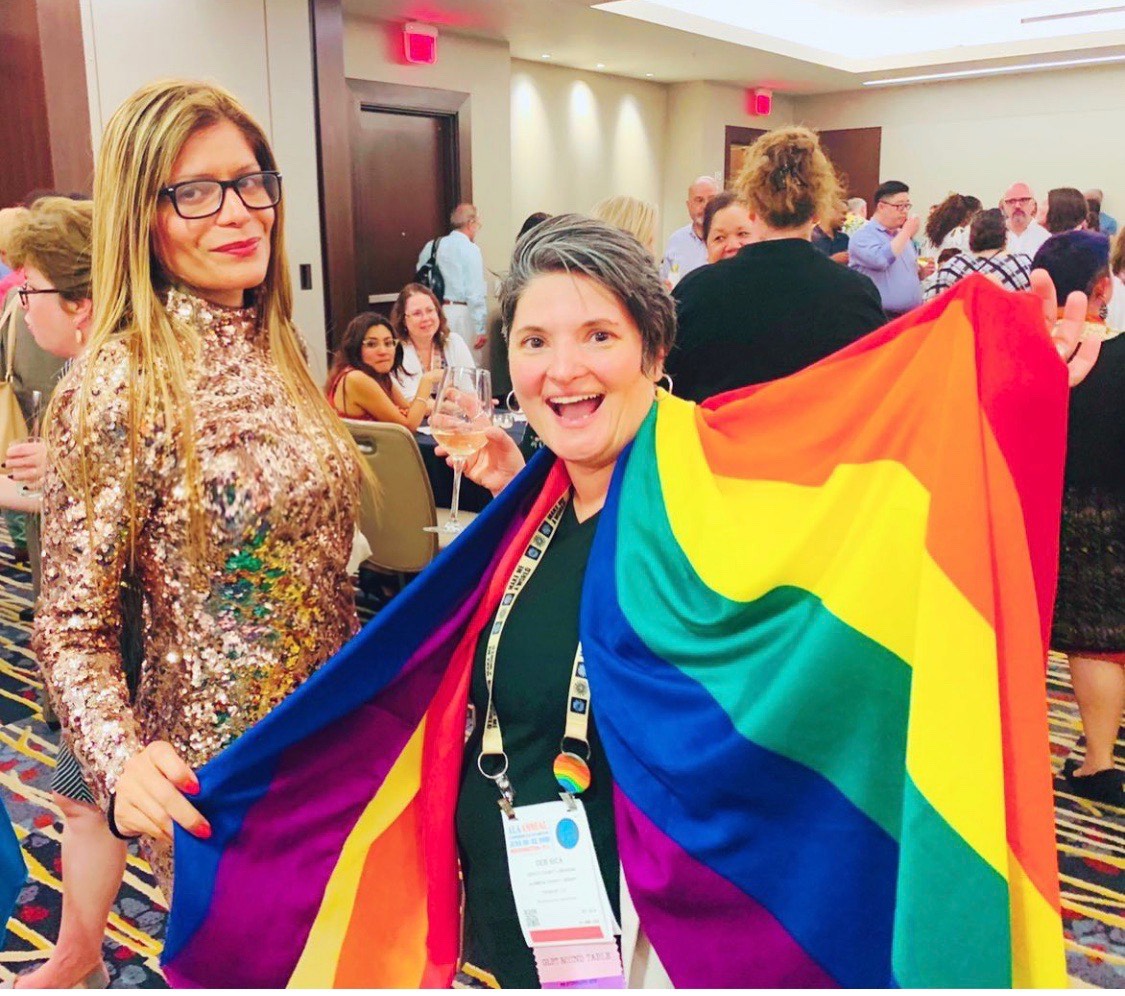
(Loida with Deb Sica in June 2019 during the Friday of ALA Annual she, as ALA President at the time, dedicated to honor Pride.)

Happy Pride!  

LGBT Pride Month is commemorated each year in the U.S. in the month of June to honor the 1969 Stonewall riots in New York City. It also commemorates events in San Francisco and trailblazing gay activists who tirelessly fought to secure gay and human rights. 

As a profession, we have come a long way, but much more work is needed to continue our advocacy of and support for our LGBT colleagues and communities. There are many aspects that still perpetuate bias, discrimination, and endangerment of LGBT populations. These can hurt our family, friends, and colleagues. We must do better. Personally, I welcome voices calling for us to do better. It is the right thing to do.

Thanks to brave librarian activists in the U.S., the Rainbow Round Table (RRT) of the American Library Association (ALA) was founded in 1970 as ALA’s Task Force on Gay Liberation. It is the oldest  gay, lesbian, bisexual and transgender group within a professional organization. More recently, on June 23/ 2020, the RRT worked very hard to make an ALA statement on affirming the rights of transgender people happen.

Thanks to trailblazing and fearless individuals such as Marsha P. Johnson, Sylvia Rivera from NYC, and those involved in Obergefell v. Hodges resulting in the U.S. Supreme Court ruling making same-sex marriage a right nationwide, each day we move closer to a world with equal rights for all.

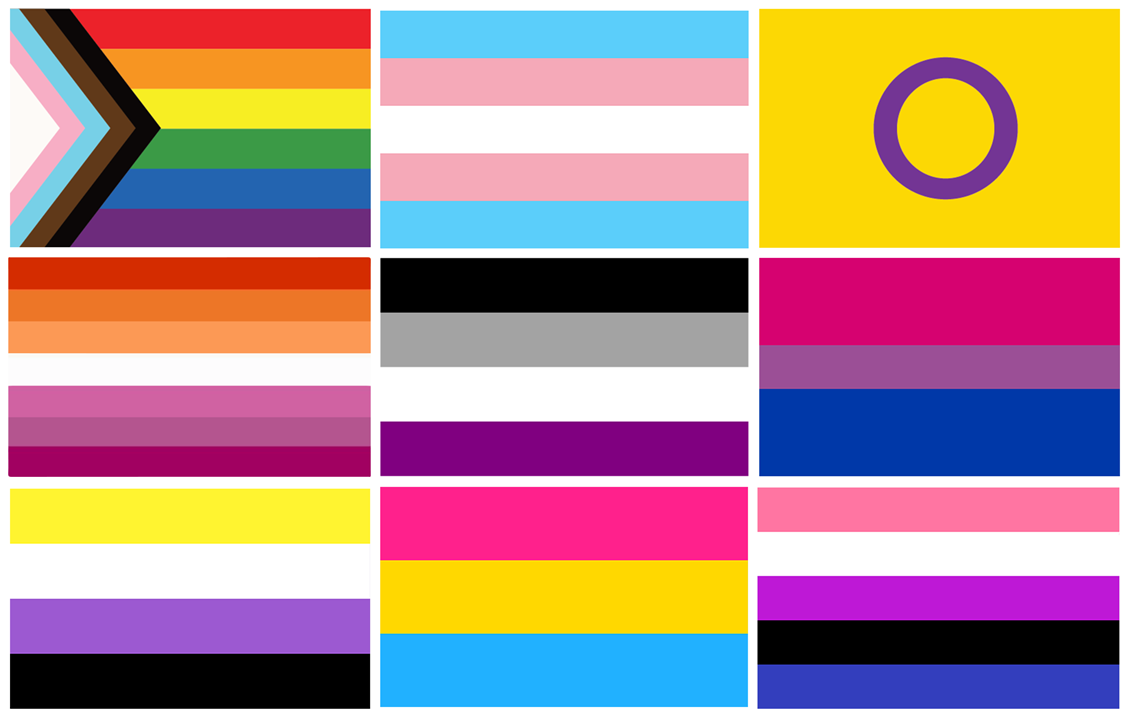
(Flags of the LGBTIQ Community from Outright International)

On June 15, the Supreme Court in the U.S. ruled that the language of the Civil Rights Act of 1964, which prohibits sex discrimination, applies to discrimination based on sexual orientation and gender identity. This civil rights law now protects LGBT workers. It is a tremendous victory. As Outright International- the leading organization advocating for LGBT human rights at the United Nations – said in their statement, “This judgement will have implications for the LGBTQIA+ people everywhere- governments and movements are inspired by each other, and landmark judgements are quoted by courts across the world.”

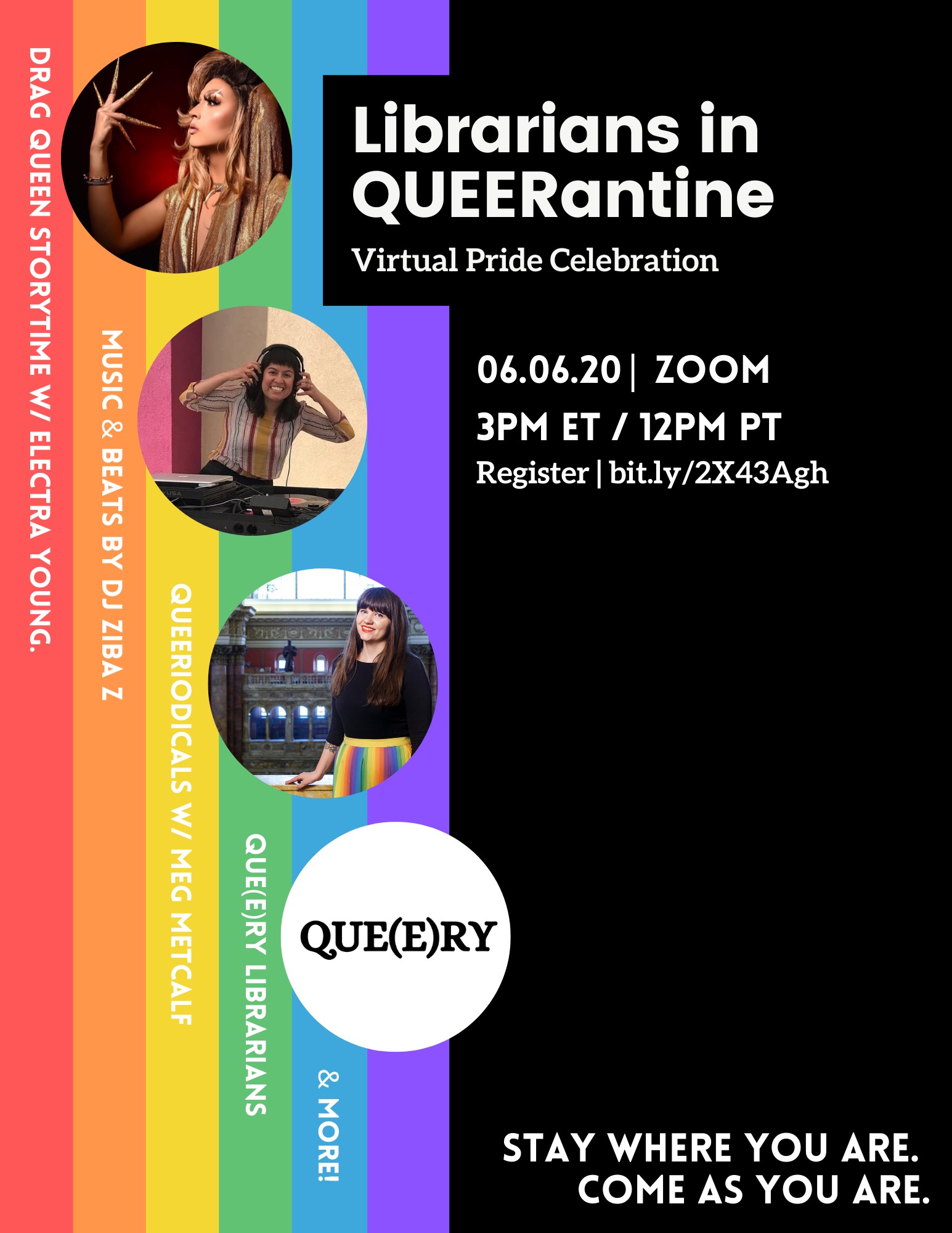
(Art by David Lopez)

I would like to encourage us all to support our LGBTQAI+ We can all do something from where we are. This year, to celebrate Pride from home, I asked a wonderful team of librarians to collaborate with me to coordinate “Librarians in QUEERantine,” a virtual Pride Celebration. Heartfelt thanks to David Lopez, Edwin Rodriguez, and Ray Pun. For this piece, I asked LGBT librarianship leaders to share messages and resources with the global library community. I am grateful for their responses. Each message is valuable and unique. Thank You to all!

Loida to each library leader: Thank you for your service to our profession. If you could share a message with the library community during the Pride Month, what would it be? What resources would you share with the library community to celebrate Pride?

Alanna Aiko Moore, Librarian for Ethnic Studies, Gender Studies and Sociology at UC San Diego, President of the Asian Pacific American Librarians Association (APALA)

 June is Pride month in many communities.  People often think of Pride as an epic parade, a week-long party, a huge celebration with concerts and events.  Many people do not realize that Pride is held in the month of June to commemorate the 1969 Stonewall Uprising–a series of protests, demonstrations and riots by members of the LGBTQ community against police raids that turned violent.  Also forgotten are those BIPOC at the forefront of the Stonewall movement to fight for equality and protest police brutality—people like black trans activists Marsha P. Johnson and Sylvia Rivera.

Knowing this history shows how the LGBTQ community has much in common with the current struggles of the Black Lives Matter movement—from over policing to hate crimes and violence. 

The LGBTQ community has deep roots standing up for injustice and inequality and fighting for those among us most marginalized. Many members of the LGBTQ community hold intersectional identities that encompass race, ethnicity, gender, gender identity and sexual orientation. Indeed, Black Lives Matter was founded by black queer women. When we speak about Black Lives Matter and Pride/LGBTQ issues, we must acknowledge the intersections—Black LGBTQ violence and death are consistently overlooked (especially Black trans lives), Black queer folks are disproportionately marginalized and devalued, and the rampant culture of over policing places scrutiny on Black bodies.

As a queer, cisgender, multi-racial Asian American, I will elevate Black voices this Pride month and follow the lead of Black leaders.  I will stand in solidarity with the Black Lives Matter movement and with my LGBTQ community.  I hold that the safety and wellness of Black people and Black queer people are of the utmost importance. I stand with protestors asking for justice for the senseless murders and state sanctioned violence of Black people, especially Black trans people. I vow to use my privilege to fight systemic racism and implicit bias not only in our library institutions but in the larger world.  What will you do for Pride this month? 


David Lopez, Librarian, California, Western Region Chapter Representative, REFORMA National (2017-2021), ALA Councilor-at-Large (2017-2020)

It is important to remember that the celebration and empowerment of the LGBTQ+ community should occur beyond Pride month. While June is the observance of the strides the queer community has made in history, it is the daily efforts of members of the LGBTQ+ and our allies that remains the answer to real progress. We need equal representation in the library profession, in administrative positions, and in academica in order for there to be real systemic change.

As a queer Latino, it is the scarce moments in life when I have seen myself represented that I have found the strength to continue my own mission to uplift and honor marginalized voices. The workplace is difficult enough to navigate, but when you factor in inequity, lack of diversity, and understanding, we are all faced with the incessant microagressions that keep us from advancing. So remember that Pride goes beyond a single month and that the true work of library and information professionals is to cultivate a welcoming environment for all, be they patron or colleague.

Here are is a list of resources that will keep Pride going year around:

https://www.thetrevorproject.org

https://www.glaad.org 

https://www.translatinacoalition.org

https://blacktrans.org

https://itgetsbetter.org

https://www.hrc.org


Ana Elisa de Campos Salles: Past-chair, American Library Association’s Rainbow Round Table, ALA Councilor-at-Large, Branch Manager at the San Francisco Public Library

My background is in public libraries, working with area schools and community organizations, and specifically working with teens and adults, so my answers will be very public-centric. My message is: use Pride as an opportunity to educate folx about the social justice roots of Pride and to normalize queer identity as part of the intersectional spectrum in which we all live. It can also be used to engage people in conversations about what qualities we value as a society and want to center in ourselves and younger generations. 

Don’t forget to have fun with it! Pride is fierce, but it’s also a celebration. Celebrate diversity. Celebrate equity. Celebrate inclusion. Celebrate kindness and compassion. 

There are so many great resources out there! Here are a few:

ONE Archives Foundation LGBTQ History Lesson Plans – Complete, downloadable lesson plans for teachers. Audre Lorde, Bayard Rustin, queer social justice movements, oh, my!

Professional Tools from the Rainbow Round Table – I would be remiss if I didn’t mention the Rainbow Round Table and the ever-growing list of toolkits, specialized bibliographies, and other resources available for free. Anyone is also welcome to sign up to our member and executive board listservs.

If you’re into visual, engaging resources, hop on YouTube and check out some really great channels, such as The History of the LGBTQ+ Civil Rights Movement, or enter key words and see what comes up, like this series of diverse, international LGBTQ TED Talks on the queer experience. A lot of these topics can easily inspire conversations and programs for teens, parents, and the general public at school or your local library.


Thomas Chaimbault-Petitjean, Responsable du pôle Formations initiales des fonctionnaires stagiaires, Direction des études et des stages – Pôle Formations initiales des fonctionnaires, Université de Lyon; Convener of IFLA LGBTQ Users Special Interest Group

Libraries and Prides have this in common, that they build a positive space connecting LGBTQI + communities members to their history and culture.

Both remind these men, women, others, and their allies that they are not alone, that they are part of a larger movement for equal rights; that their voices, like those of other marginalized groups, count.

Libraries support individuals in building their own identities by giving them access to collections, spaces and services. It is through these that they can question, build and affirm what they are, wish to be, feel to be.

This space of opportunities is a wall against economic and health crises, the increase in disparities or cultural and social inequalities. This space, these resources are golden.

It is important for  LGBTQI+ Communities members to use them, and for libraries to work with community members to be more relevant and accurate. We have to work all together, we have to learn from each other; we can be stronger.

So, no matter where you are from, your state of health, your gender identity, your sexual orientation, your physical appearance, your weight, your religion, your age, your marital status, your disability, your political opinions, etc., You are welcomed; and be proud!


Martin Garnar, Dean and Professor, Kraemer Family Library, University of Colorado in Colorado Springs

As the U.S. Supreme Court decisions are often announced in June, we have had the happy timing of learning about the expansion of marriage and employment rights during Pride Month.  Both of these are important victories for the LGBTQ+ community, but we still have much work to do, including addressing the racism that still exists within our community.  Stonewall would not have happened without the leadership of black trans activists and we need to honor that leadership by working for justice for everyone still facing oppression. One place you can start is to support the work of the Black Trans Advocacy Coalition (https://blacktrans.org/). Justice for some of us is meaningless unless there is justice for all of us.


Meg Metcalf, Library’s women’s, gender and LGBTQ+ studies collection specialist at the Library of Congress, President of the District of Columbia Library Association 

If I could share one message with the Library community this Pride Month, it would be to ask them to consider the ways in which their institutions have centered white, cisgender, heterosexual people as the default and the very real impact this has on marginalized people and communities. Some questions to ask of yourselves and your institutions this Pride month: Do we provide LGBTQ+ programs and services all year (not just during Pride) and do we fund them at the same level as other collections and services? Is our library a safe place for the LGBTQ+ community, and how do we actually assess that? Does our institution offer trans inclusive health care for staff? Do we have a thoughtful and explicit policy and/or procedures in place to follow if and when our library is challenged on an LGBTQ+ issue, whether that be a program, exhibit, item, or staff member? Are we meeting the needs of LGBTQ+ patrons and staff members, and what assessment measures are we using to ensure that we are? Do you assume that your LGBTQ+ patrons speak English and/or are U.S. Citizens? What services do you offer for the non-English speaking and/or undocumented LGBTQ+ community? Are you able to equally serve and accommodate LGBTQ+ patrons and staff with access needs? Do you offer services for LGBTQ+ homeless youth? 

Some resources to celebrate Pride: 

LGBTQ+ Resource Guide: https://guides.loc.gov/lgbtq-studies

History of Pride Story Map: https://go.usa.gov/xwU5y

Documentary footage of the first Pride march in NYC in 1970: https://www.youtube.com/watch?v=OevqwHmeEFI

Library of Congress Pride Portal: https://www.loc.gov/lgbt-pride-month/

Pride at 50 From Stonewall to Today (Blog Post): https://blogs.loc.gov/loc/2020/06/pride-at-50-from-stonewall-to-today/

Stonewall Uprising, Today in History: https://www.loc.gov/item/today-in-history/june-28/

Stonewall 50: Panel Discussion on LGBTQ+ Research: https://www.loc.gov/item/webcast-8776/

Happy Pride!!!!


Philippe Colomb, Deputy manager, Médiathèque Françoise Sagan in Paris, France

Thank you for this request. As an openly gay professional and an LGBTQI activist, the message I would like to share today would be “make the library a place for democratic debate”. It seems to me that it is important for the library to be a space that both reflects all the diversity of society and allows for an argumentative discussion of the tensions that run through it.  For this reason, we must not just be « flag-bearers »: we must be pedagogues who allow everyone to question their situation and those of others. By our collections and actions, we should help, in particular, to popularise the concepts of privileges, gender construction, discrimination, intersectionality etc. I think these are often misunderstood and caricatured notions and that librarians are in a particularly good position to ensure a better understanding of these concepts and to allow critical yet peaceful discussion around them. 

In terms of resources, I would advise French-speaking colleagues to read the blog « Légothèque »(<https://legothequeabf.wordpress.com>) which has been working for years on the role of libraries in self-construction and the fight against stereotypes. This is a particularly useful ressource.


Rae-Anne Montague, she/her; they/them, Chair Elect, ALA Rainbow Round Table, Chicago State University Information Studies 

Happy Pride 2020! 

This is usually a joyous time. In a typical June, we gather together to celebrate our shared interests and achievements and enjoy each other’s company. We have much to celebrate – literature, legislation, legacies, and love. Love is foundational. 

This year, as we approach the golden anniversary of the founding of the American Library Association’s Task Force on Gay Liberation, now the Rainbow Round Table – the nation’s first LGBTQIA+ professional organziation, we have adjusted our plans for pride in the face of a pandemic. Still, we connect and reflect. We find renewed strength in our queerness. Looking back, we recall fun times and fond memories mixed in with some uncertainties and pain. We are still here – reading, writing, speaking, listening, taking action. We recognize and we are grateful to those who have struggled and to those who continue to guide us towards equity and justice. We mourn those we have lost. While ours is not a single story, we share a common sense of optimism for our future. We look forward to continuing to work together across communities to overcome emergent and persistent challenges and to creating a more sustainable spectrum of existence.    

Here is a sampling of fabulous e-resources of possible interest to the library community:

➤ The Arquives is an organization dedicated to celebrating, preserving, and collecting LGBTQIA+ stories and histories. https://arquives.ca

➤ Digital Transgender Archive is an online hub for digitized historical materials and information on archival holdings throughout the world. https://www.digitaltransgenderarchive.net  

➤ Excavating Black Queer Thought: A Pride Bibliography I and II are resources to illuminate the multiplicity of experiences existing within Black LGBTQIA+ life. https://www.aaihs.org/excavating-black-queer-thought-a-pride-bibliography-ii

➤ Gerber/Hart Library and Archives collects, preserves, and makes accessible items related to LGBTQ history and culture. https://www.gerberhart.org

➤ GLSEN is an organization that conducts extensive research to inform K-12 education and to ensure LGBTQIA+ students are supported and included.  https://www.glsen.org

➤ IFLA LGBTQ Users Special Interest Group is dedicated to sharing professional knowledge by offering opportunities to engage in discussion. https://www.ifla.org/lgbtq

➤ The Kinsey Institute is a research hub on critical issues in sexuality and gender. https://kinseyinstitute.org

➤ Kumu Hina offers resources related to the story of a Native Hawaiian who is a proud māhū, (transgender woman) and respected kumu (teacher). https://kumuhina.com

➤ Lambda Literary is an organization dedicated to LGBTQIA+ books and authors that offers programs and annual literary awards. https://www.lambdaliterary.org

➤ Leather Archives and Museum is a community archives, library, and museum of Leather, kink, fetish, and BDSM history and culture. https://leatherarchives.org

➤ The Legacy Project collects, preserves, and educates about LGBTQIA+ contributions to world history and culture. https://legacyprojectchicago.org

➤ Lesbian Herstory Archive offers the world’s largest collection of materials by and about lesbians and their communities. http://www.lesbianherstoryarchives.org

➤ LGBT Books to Prisoners is a prison abolitionist project focused on sending books to incarcerated LGBTQ-identified people. https://lgbtbookstoprisoners.org

➤ Mariposas Sin Fronteras is a group seeking to end the systemic violence and abuse of LGBTQ people held in prison and immigration detention. https://mariposassinfronteras.org

➤ Making Gay History provides LGBTQIA+ oral histories focused around civil rights. https://makinggayhistory.com

➤ National AIDS Memorial offers dedicated space and services to gather, heal, hope, and remember. https://aidsmemorial.org

➤ National Park Service LGBTQ Heritage shares stories and images celebrating LGBTQ histories across the United States. https://www.nps.gov/subjects/tellingallamericansstories/lgbtqheritage.htm

➤ ONE National Gay and Lesbian Archives features a large repository of LGBTQIA+ materials. https://one.usc.edu

➤ Que(e)ry Librarians organzies events to encourage community among queer information professionals and their friends. https://www.queeryparty.org

➤ The Queer Zine Archive Project (QZAP) is a free on-line searchable database of queer zines. https://www.qzap.org

➤ Rainbow Book List / Over the Rainbow are annual bibliographies of quality books with significant and authentic LGBTQIA+ content from the American Library Association’s Rainbow Round Table. https://glbtrt.ala.org/rainbowbooks; https://www.glbtrt.ala.org/overtherainbow

➤ Rainbow Heritage Network is an organization committed to the recognition and preservation of sites, history, and heritage associated with sexual and gender minorities. https://rainbowheritagenetwork.org

➤ Sisters of Perpetual Indulgence is a boastfully queer organization dedicated to community service, outreach, and exuberance. https://www.thesisters.org

➤ Stonewall Book Awards, sponsored by the American Library Association’s Rainbow Round Table, was the first and is the most enduring award for LGBTQIA+ books.

http://www.ala.org/rt/rrt/award/stonewall/honored

Jean-Nickolaus Tretter Collection is an LGBTQIA+ archival repository with books, periodicals, grey literature, personal and organizational records, zines and pamphlets, artifacts and ephemera, and audiovisual materials housed at the University of Minnesota Libraries. It includes the Tretter Transgender Oral History Project, which makes available oral histories of gender transgression, broadly understood through a trans framework. https://www.lib.umn.edu/tretter

➤ Trevor Project is an organization providing crisis intervention and suicide prevention.  https://www.thetrevorproject.org

Also, be sure to connect with and support your local LGBTQIA+ community groups!!

#CPDWLChat Twitter Conversation Archive

Missed the recent #CPDWLChat on Twitter? Catch it here to see what was discussed!

Here were our questions:

Q1 How do you maintain continuing professional development in LIS or in your workplace at the moment?

Q2 Who has influenced you to become a librarian, and how did they influence you?

Q3 Can you share an LIS trend in your library/country/region? #CPDWLChat

Q4 How important is the applicant’s ‘web presence’ (e.g. LinkedIn, personal website, etc.) in the job process?

Q5 Can you share with us what are some important skills needed in LIS field today?

Q6 What are some tips for early career librarians or students to receive mentorship?

Q7 What advice do you have for librarians interested in serving as coaches for early career librarians or students?

Q8. What strategies can you share with folks who want to get involved in IFLA but don’t know where to start?

Q9. Can you share with us the pd course you have taken during this quarantine?