Category Archives: General

CPDWL Podcast Project: Episode 3

Colleagues, we are excited to announce the our third episode of the CPDWL Podcast Project where we feature library and information professionals who support and participate in professional development work.

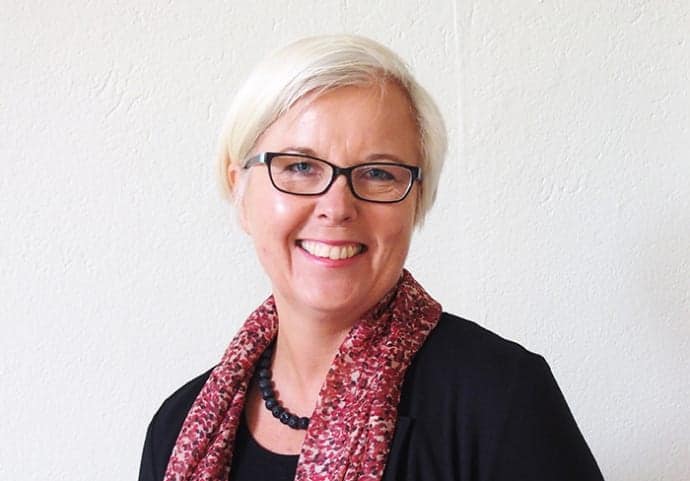
Our guest is Susan Schnuer. Susan Schnuer is the Public Library Innovation Programme Capacity Building Manager for EIFL. Her responsibilities include working with library authorities in Africa on institutionalizing continuous professional development for public librarians, in the past year she has worked mainly in Kenya and Namibia. Before joining EIFL in 2018, Susan was the Associate Director at the Mortenson Center for International Library Programs, located at the University of Illinois. For more than 25 years Susan created and implemented high-quality professional development programmes for librarians world-wide. Susan received multiple grants that allowed her to focus on specific regional library needs. Working with local partners, she implemented successful and sustainable library projects in countries such as Costa Rica, Ghana, Haiti, Nigeria, Tanzania, and Uganda.

Most recently Susan has been focused on the development of library leadership materials for public libraries. Supported by the Bill & Melinda Gates Foundation, the project Strengthening Innovative Library Leaders (SILL) is a freely-available training programme designed to build leadership and innovation skills for anyone who works in a public library. The training materials were co-developed with librarians from Armenia, Bhutan, Haiti, India, Myanmar, Namibia, and Nepal. Susan has received numerous awards including the IFLA Scroll of Appreciation and the John Ames Humphry/OCLC Forest Press Award for International Librarianship. Susan has a Bachelor’s degree from Tufts University, an education postgraduate degree from Boston University, and a library postgraduate degree from the University of Illinois, USA.
See here for the podcast conversation!

Transcript

Ray:

Hi, this is Ray Pun. Welcome to the  CPDWL podcast project! In this space we talk with library and information professionals who support and participate in professional development work. Today’s guest is Susan Schnuer, Public Library Innovation Program Capacity Building Manager for EIFL. Her responsibilities include working with library authorities and Africa on institutionalizing continuous professional development for public librarians. In the past year. She has worked mainly in Kenya and Namibia. Before joining EIFL in 2018, Susan was the associate director of the Mortenson Center for International library programs, located at the University of Illinois. For more than 25 years. Susan created and implemented, high quality professional development programs for librarians worldwide. She received multiple awards and grants that allowed her to focus on specific regional library needs, working with local partners, she implemented successful and sustainable library projects in countries such as Costa Rica, Ghana, Haiti, Nigeria, Tanzania and Uganda. Welcome, Susan!

Susan:

Thank you for having me, Ray.

Ray:

So before we begin, there are actually a couple of questions I should have asked before which is mindful, can you tell us what it stands for.

Susan:

EIFL stands for electronic information for libraries, it’s a nonprofit that’s located in Lithuania, and its motto is knowledge without boundaries.

Ray:

Great. And we know for a fact that a fun fact is that you are always traveling as I read in your bio, can you tell us where you’re located right now?

Susan:

Actually I’m back in the United States right now which is great because I’ve had about eight international trips this year so it’s fun to be home.

Ray:

That’s nice. So we’re going to have this conversation with you, and we’re really interested to hear about your experiences as I described, and for yourself. We’re curious to hear if you had to describe yourself using only one word, what word would that be?

Susan:

Well, my grandchildren would say that I’m fun, but in a professional setting probably the word that I would use to describe myself is perceptive. And this is a quality that I developed from my upbringing where I was raised in France Peru and Mexico, and also from the work that I’m currently doing internationally. I’ve learned how to understand both verbal and nonverbal communication in complexity.

Ray:

Wow. That’s interesting that you were born grew up in different areas that that I didn’t know. So, it might explain a little bit about your current work but we’re really curious what compelled you to become a librarian. How did you get started?

Susan:

I didn’t start on the path of librarianship I started as a bilingual elementary teacher and then I stopped school years to to be at home with the children, and when I thought about rescheduling I was thinking about well what should I do, where do I want to go, and a friend suggested that I become a librarian. I agreed. And I thought I’d be a school librarian. However, when I graduated from the University of Illinois, a brand new center had opened, the Mortensen Center for International library programs. I applied and the rest, as they say, is history.

Ray:

So, with the work you’ve done at the Mortensen Center and and your current work. We’re really curious about also your vision or view for international librarianship, what does it mean to you and has that vision changed for you over time?

Susan:

For me international librarianship means understanding the global network that surrounds the work of libraries and librarians, or the players, what are the issues, what are the challenges. How do we work together to sustain and grow that global network. My thinking about working internationally has evolved a great deal over the years in developing and transitioning countries, 25 years ago I worked on the assumption that the international work was more of a one way highway from us to you. But now I’m a firm believer in co-partnership, co-creation and sustainability. The best work is the work that makes a change that leaves a very small footprint.

Ray:

Interesting and you started a lot of work at this law with our section and of course all the other groups, specifically, how did you get involved with CPDWL, and why did you work with this section, specifically for you?

Susan:

Actually and it says a lot about CPDWL. When I attended my first IFLA which was in Argentina in 2004. And I was really interested in continuing professional development, at that point, and so I visited all the different sections that were engaged with professional development and CPDWL was the only section that invited me to the table, and was interested in my opinions. And for me that was meant that that was a section. That’s where I wanted to be with people who had those kind of beliefs, and we’re willing to invite everybody to participate.

Ray:

And you were previously a co chair for the section, is that correct?

Susan:

Yes, actually I started the whole co-chair sort of activity in our section, I was first chair. But when I was thinking about it I really realized that first of all this was this was big work, but also we were not doing a good job of mentoring people on the section and in the community who might be interested in doing this work but were reluctant to take it on thinking it was, it was too much. So how to give them a chance to see the work up close and to figure out if there’s something that would be interesting in them so Ulrike Lang and I were the first ones to be co-chairs. We propose this to IFLA and they were not thrilled with our idea but now gained some popularity and I think this is a great way to proceed.

Ray:

Definitely, and your work as a satellite meeting chair right? You have your organized?

Susan:

Yes. And I have to say that it I think that’s some of the best CPDWL work is done in the satellite meetings where you really get a chance to delve into the topic, but you also get a chance to hear from different perspectives from people who might not have a chance to attend an IFLA but can come to a satellite meeting. I’ve just loved some of our satellite meetings, there are a ton of work, and they’re just of learning and richness and friendships and just lovely.

Ray:

Yeah, I totally agree. We were able to organize one this year in Zagreb, Croatia, and I was part of the planning group and it was quite a rewarding, but also great learning experience. And with that being said you had mentioned all the work within CPDWL and IFLA. Can you share with us a memorable moment you have with CPDWL or IFLA?

Susan:

I’m actually I’m going to share a funny moment that I’ve had with CPDWL at IFLA. And this was when I was running a CPDWL session for the IFLA Congress, and we had had extensive conversations in CPDWL about the fact that we no longer wanted to do sessions that were just about people reading papers or speaking one way to an audience. We wanted to host sessions where presenters would read, and talk and would be engaging and would have dialogue with the participants. So we decided on a roundtable approach, I can’t even remember exact topic, but we had several presenters and our participants would move to different tables every 15 to 20 minutes. This format had not been used at IFLA yet so we explained carefully to the IFLA conference organizers, that we would need several round tables mobile chairs, flexible space. In other words, what we got instead was an auditorium, with a stage, and some fixed seats, or initial panic, we reorganized and had different presenters in different parts of the auditorium. Some in the front of the stage, some at the back of the room. It was hard to use the chairs and most of the participants and the presenters just stood and talked. My role was to stand on the stage, explain what was happening and blow a whistle to let people know to move to another group there was time to move on. It was probably the most chaotic session that I’ve ever moderated, and yet at the end, numerous participants came up to me to say that was the best session that they have ever attended: engaging and interactive. And could we please continue to offer this session. So I think that was kind of a transformational moment for us in CPDWL that we needed to be presenting, new ways of offering knowledge to the participants of IFLA and not always do the same old traditional approach.

Ray:

Yeah, that’s actually a good point. And just to hear right you’ve been instrumental in making that happen because right now you can submit proposals under banquet roundtables, and now they actually have the roundtables.

Susan:

It was after that first sort of catastrophe that we had, then discuss more with IFLA headquarters. And I think the great point when they saw how popular this session was they understood that they needed to create the space for that.

Ray:

Yeah, and it’s great to have that variety. Some people might like papers and you know the roundtables just mix them up a little bit.

Susan:

Yes, exactly.

Ray:

So, what are you most excited about in the profession?

Susan:

I continue to be amazed at the work being done by some of our colleagues in low resource countries. There are some amazing organizations such as Read Global that works in India, Nepal, and Bhutan, and running projects for small enterprises for women in libraries are offering safe spaces for victims of sex trafficking. World Reader is another organization that works with publishers and authors to capture local materials and local languages load them on e-readers that are then distributed to public libraries and many countries. A librarian in Myanmar told me this last story that I wanted to mention. She noticed that they, there were a lot of street children in her town, and they did not have time to come to the library because they were spending their time collecting plastic bottles to sell in the marketplace. So she set up a table with tablets outside the library so that when they pass by the library. They could stop for a few minutes to read or play a game. There are many of these stories and they’re all inspirational.

Ray:

Wow, that’s really interesting to hear that kind of changes and challenges going on, and it does does make the profession pretty exciting. And so with the work you’ve done on providing professional development tips for many of the different groups you’ve supported, I’m really curious what’s a professional development tip or advice that you like to share with others listening?

Susan:

So my tip is this: make room at the table for all the voices. The wonder of using international setting is, is the beauty of all the different filters that we use to understand the world. However, in IFLA and in many international contexts where English is the dominant language, and a Western cultural approach is most prevalent, we can easily extinguish those voices that bring value and intelligence to our conversations. I’ve learned to listen, ask many questions and monitor off, when I’m speaking. Every time I speak I’m taking space, space that might bring another perspective, it’s important that our meetings and conversations are paced, so that everyone has a chance to speak, and we can see, full advantage of what it means to be truly global.

Ray:

Wow, very insightful. Um, this is a little bit different but I think people are probably curious, I’m definitely curious because of the work you’ve done, and I think I have an idea of what you might do but I’m curious what you would say, so what profession, other than librarianship, would you like to attempt?

Susan:

Hmm. I’m going to completely switch gears on you. I’ve thought of becoming a swim instructor for adults who have never learned how to swim. And I realized that I would love to do this when I was recently in Kenya, with colleagues at an ocean, and several women told me that they had never been either in the ocean, or a pool. And since we were in a location with both of those. We immediately started a little swim group. And they’re delighted and learning how to move in water was so rewarding I thought, “Boy, this is something I could see doing when I retired from my current position.”

Ray:

Oh, that’s nice. Yeah, I was a leading towards non-profit work, but I mean that’s sort of like similar advocacy level, work. And speaking about the work, you’re doing right now, what are you working on right now?

Susan:

So what I’m working on right now is making sort of changing the way that national libraries approach professional development building for their public librarians in Kenya and Namibia, and to do this, we’ve looked at what they’re currently doing what they’re currently doing is that they when they have resources, and they can bring in experts then they have training, but our idea was to build the expertise within the country, so that they wouldn’t need as much money, and they could also have the experts that they need right on site. And so I’ve been working in Kenya and Namibia with a group of cohorts of public librarians on developing their training skills, and also scaling them up in various areas, and it’s just been a great project in each country. I’ve been working in Kenya for 18 months in Namibia now for about a year. And I’ve been there, like four or five times every year and it really has been fun to work with a very amazing group of local librarians who are very excited about being trainers in their, in their local context so it’s just kind of fabulous.

Ray:

How exciting that you get to have this opportunity and it’s so great that you’re working globally and really supporting librarian local librarians there. And so with that being said, we know that it sounds like, and we know that you’re always somewhere, doing something really important and critical, and we appreciate that and so this is a final question here where can our listeners connect with you, online?

Susan:

One of the ways I do that especially with my colleagues in Kenya Namibia is on WhatsApp. So I am on WhatsApp, and easily accessible there, but also email, Facebook LinkedIn or other ways I can be, you can get my attention.

Ray:

Great. Well, I wanted to thank our listeners for hearing all the interesting things that Susan has presented and Thank you Susan, for joining us in this conversation!

Susan:

Thank you for having me, Ray! It’s been delightful!
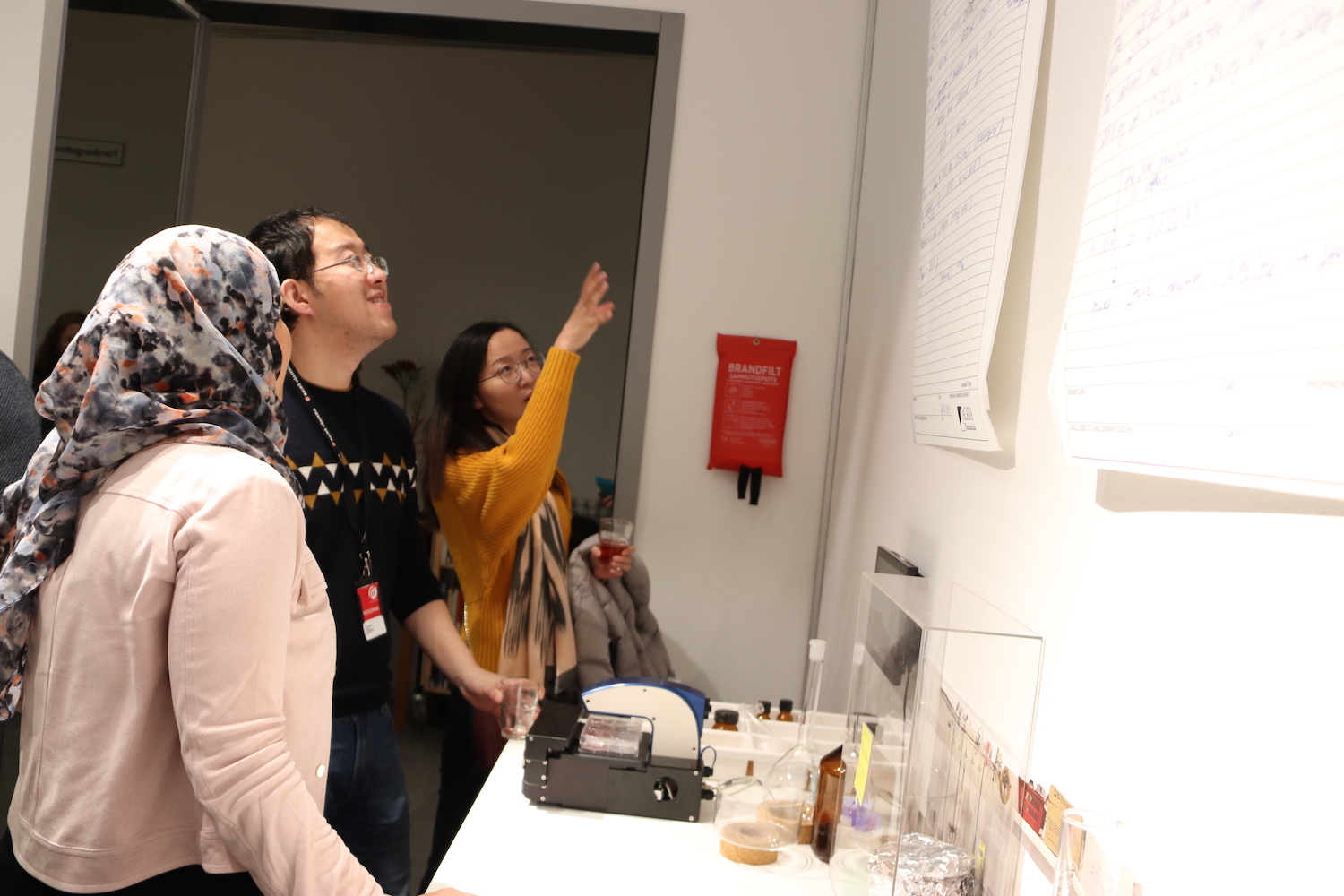
Communicating research through exhibitions by Ewa Stenberg

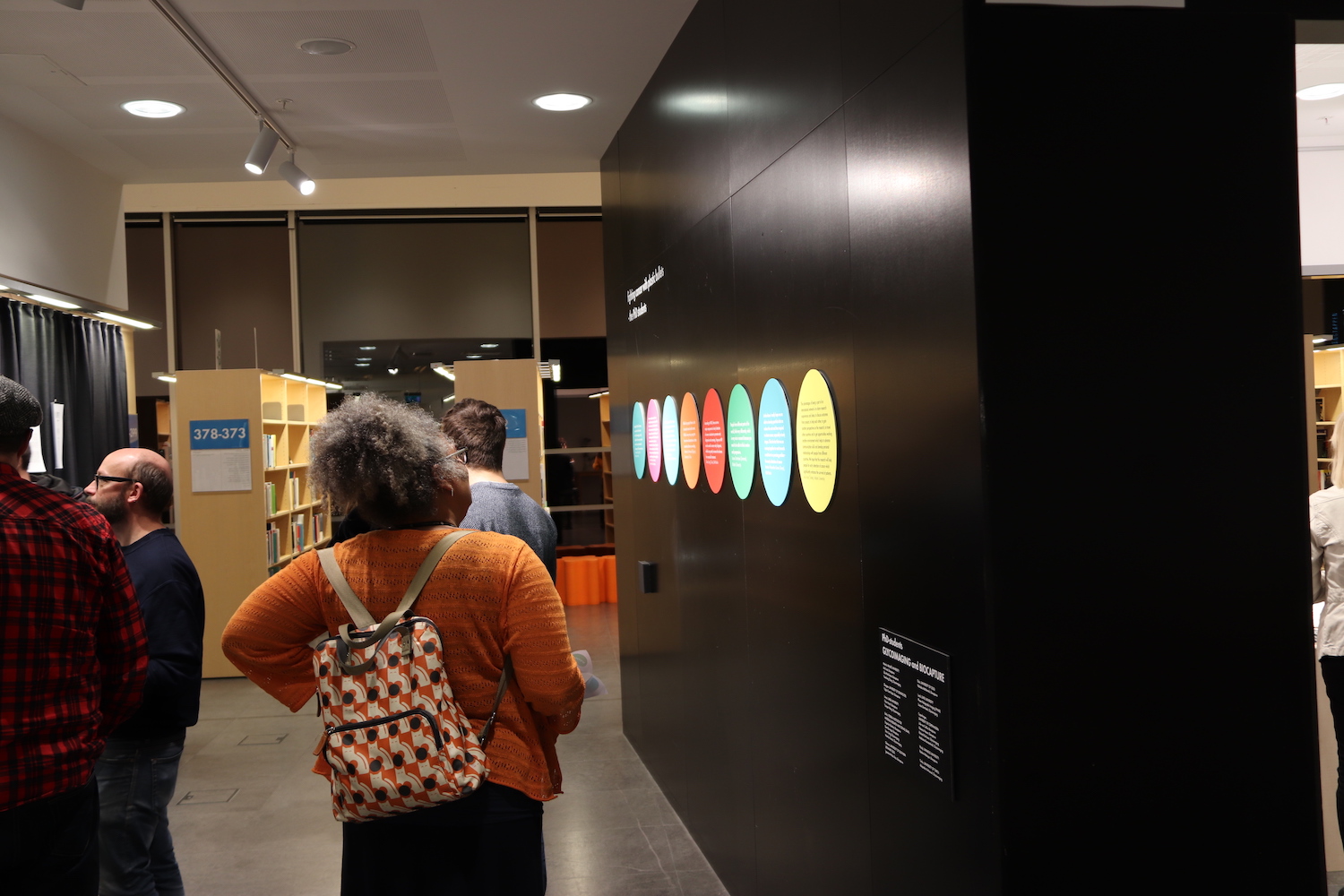
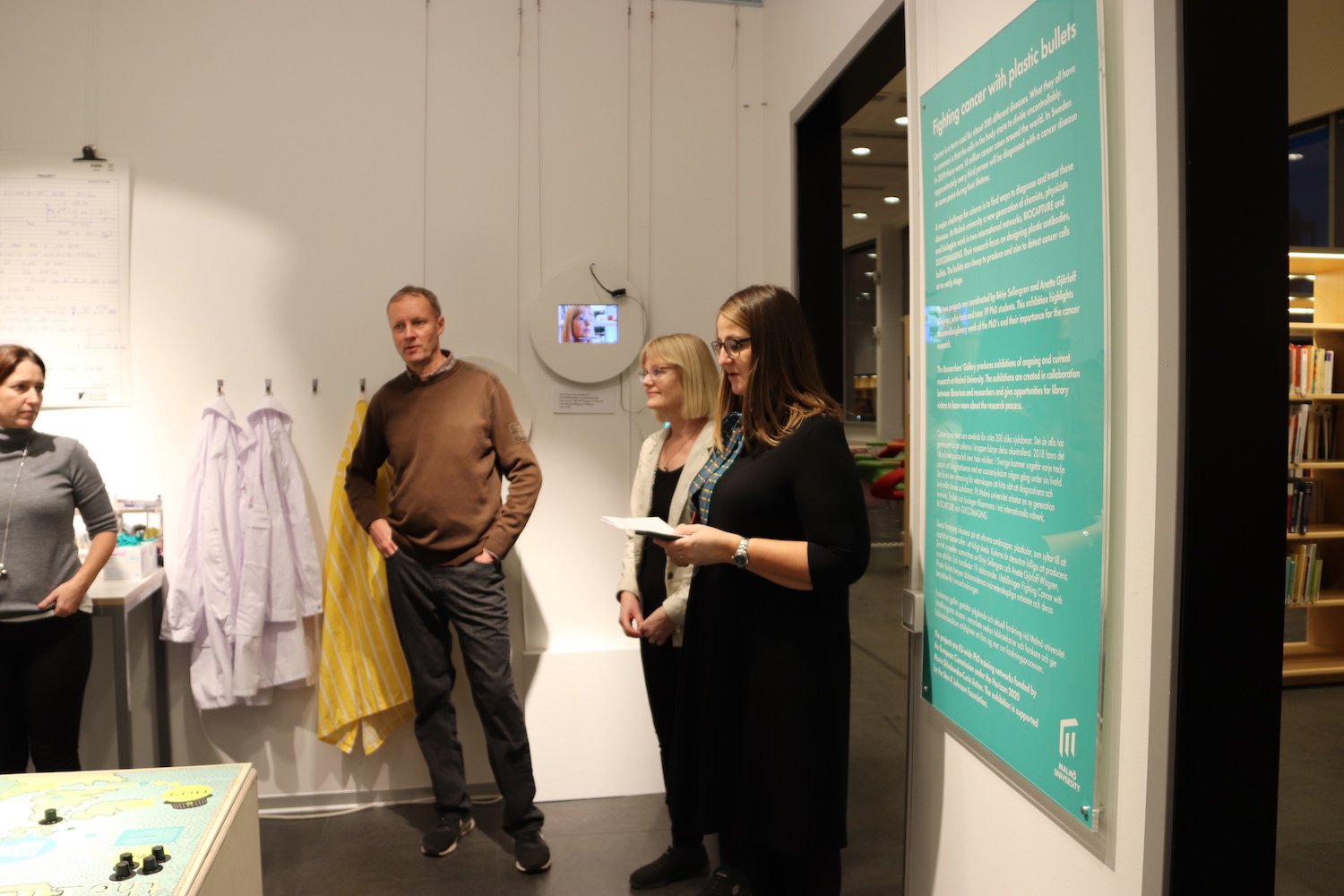
Last week an exhibition opened at Malmö University Library, ”Fighting cancer with plastic bullets”. This exhibition presents ongoing cancer research at Malmö University. The exhibition is an activity in The Researchers Gallery, which started out as a project and now is a part of Malmö University Library’s regular repertoire. I will give you a glimpse of this specific exhibition as well as tell you shortly about The Researchers Gallery.

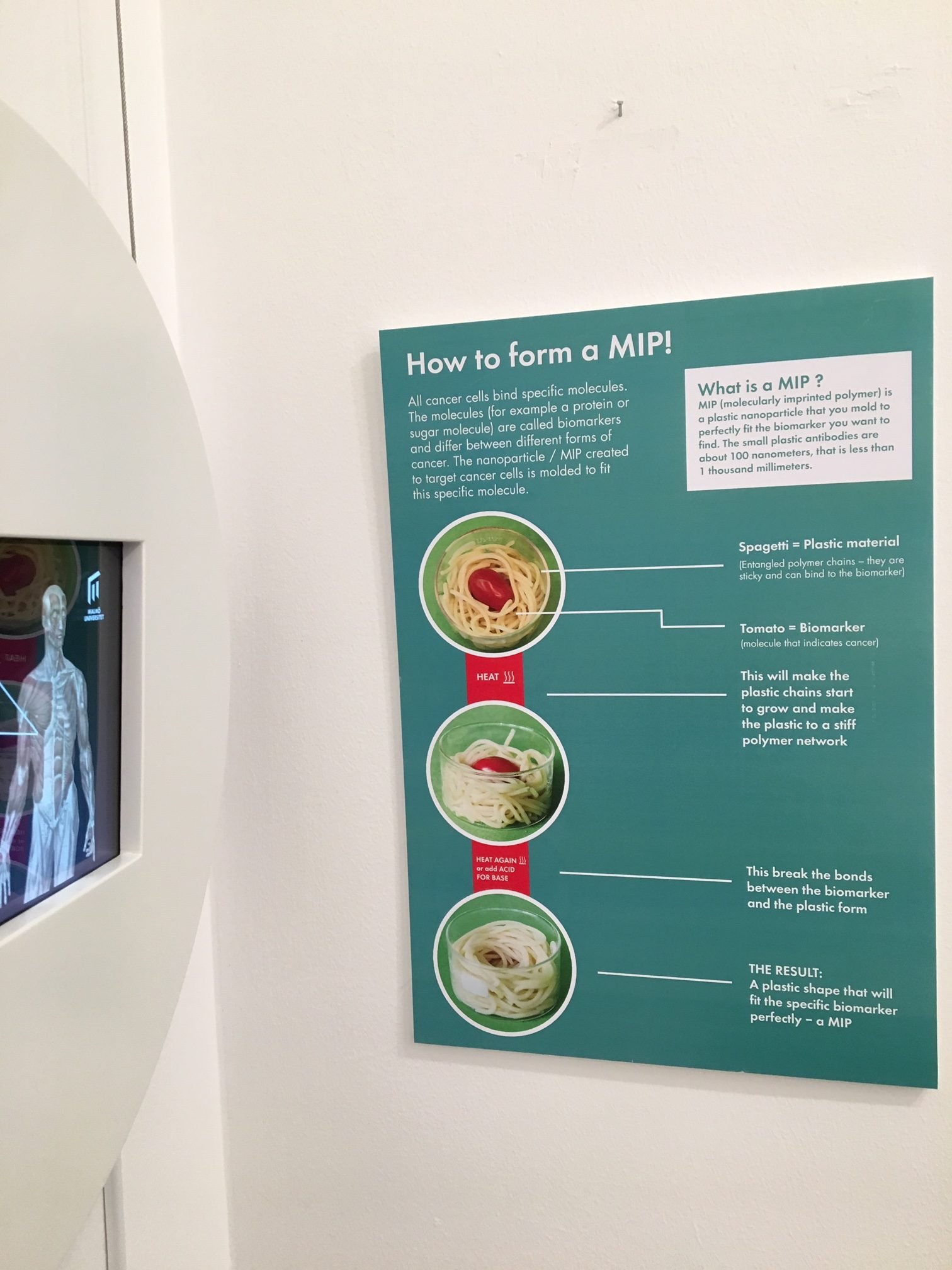
Let us start with the content of this exhibition. Two research projects at Malmö University, Biocapture and GlycoImaging, train a new generation of chemists, physicists and biologists through a EU-wide PhD training network. Both projects work with plastic antibodies that detect cancer cells. This is similar to the “magic bullets” principle used today with biological antibodies targeting cancer cells, but the plastic antibodies are smaller and can detect cancer much earlier. They are also cheaper and easier to manufacture than the antibodies used today.  The two projects are coordinated by Börje Sellergren and Anette Gjörloff Wingren, who train and tutor 19 PhD students. This exhibition highlights the interdisciplinary work of the PhD students and shows their importance for the research.

The exhibition ”Fighting cancer with plastic bullets” is a result of collaboration between these two research projects at Malmö University and library staff. Together they have been preparing for months, discussing the content and format, and how to find ways of presenting the research outside the projects. The library work group and the project members have met in different constellations, and all the way co-production and mutual understanding have been central. The library work group has then presented the research in different shapes, such as images, filmed interviews and quotations, in order to make the research available to a broader public.

Let us now focus on The Researchers Gallery as an activity in Malmö University Library. It started out as a project with external funding by a project group within the library. The project The Researchers Gallery explored several things. One thing explored was the question of how the library can address the ways digitalisation is transforming behaviors in handling information and knowledge. Another thing explored was a new professional role, the librarian-curator. The essence of the project was the development of a model to co-produce exhibitions with researchers at the University. In order to document the processes and disseminate the experiences and new knowledge to others, the project group developed a web-based five-step model for sustainable exhibition production. The experiences from the project as well as the model for exhibition production have been presented on a national and international level. The national sharing has resulted in a network for Swedish libraries that want to explore the role of the librarian-curator and communicate research through exhibitions. On an international level, Lotta Wogensen made a paper presentation of The Researchers Gallery at the CPDWL Satellite meeting in Zagreb, August 2019. Link to the paper in the IFLA Library http://library.ifla.org/2676/1/s05-2019-wogensen-en.pdf


So far, seven exhibitions have been produced within the frame of The Researchers Gallery. Some exhibitions have been co-productions with a single researcher, others with a group of researchers. At Malmö University Library, we are excited over this new way of communicating research, in close collaboration with the researcher(s), through exhibitions. We also find that we have explored, enhanced and developed the role of the library and librarians in a digital world. The Researchers Gallery is here to stay!

Library for Foreign Literature and the IFLA Preservation and Conservation Centre in Eastern Europe (IFLA PAC) by Daria Beliakova

Library for Foreign Literature and the IFLA Preservation and Conservation Centre in Eastern Europe (IFLA PAC) have launched another international exchange programme for preservation specialists. This year, the focus was on the professional experience of Bavarian libraries and museums.

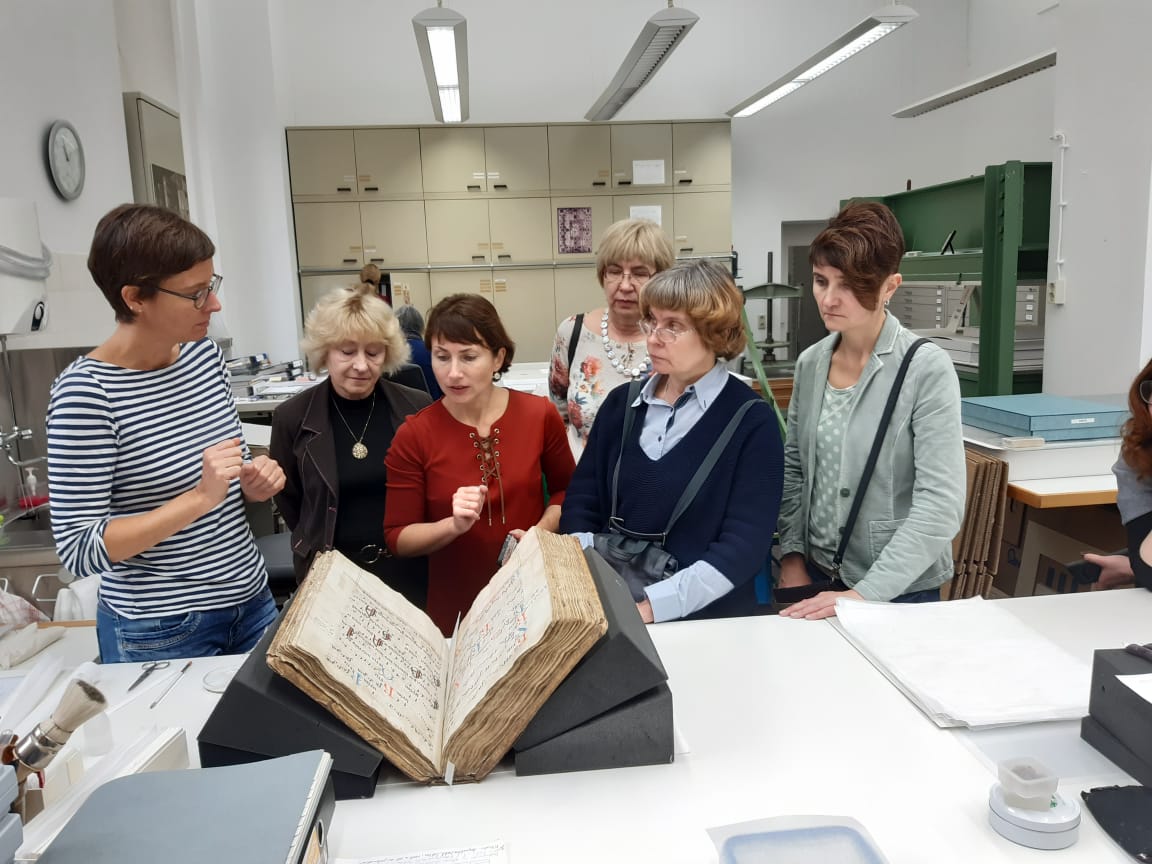
Training programme «Cultural heritage as a basis for intercultural dialogue. Preservation Strategies in Russia and Germany» was held from 20 to 26 October. It included lectures, visits to restoration workshops, visits to the collections and exhibitions of the Institute for Conservation and Restoration of the Bavarian State Library, the Restoration Centre of the Bavarian Palace Administration and the Schaezlerpalais.

The program involved participation of restoration specialists from: Library for Foreign Literature, Sverdlovsk Regional Library named after V.G. Belinsky (Ekaterinburg), Library of the Ibero-American Institute of the Prussian Cultural Heritage Foundation (Berlin), Regional Document Preservation Center of the Tomsk State University and Fundamental Research Archaeological Laboratory of Ural Federal University and the largest museums in Moscow and St. Petersburg.

German colleagues have been very generous in sharing their professional experience and specific techniques for the conservation of paper and leather bindings, photographs, graphics, applied arts and oil paintings.

The Bavarian State Library prepared the most intensive program: there was a detailed tour for the Russian colleagues with a presentation of the work of all departments of the library, including the Department of Eastern Europe and its new reading room.

Cooperation agreements within the Strategic Programme on reservation and Conservation were reached with the participation of German specialists in international scientific conferences organized by Library for Foreign Literature and the School of Restoration, which traditionally take place within the framework of the Russian Congress of the RBA by the International Cooperation Section.

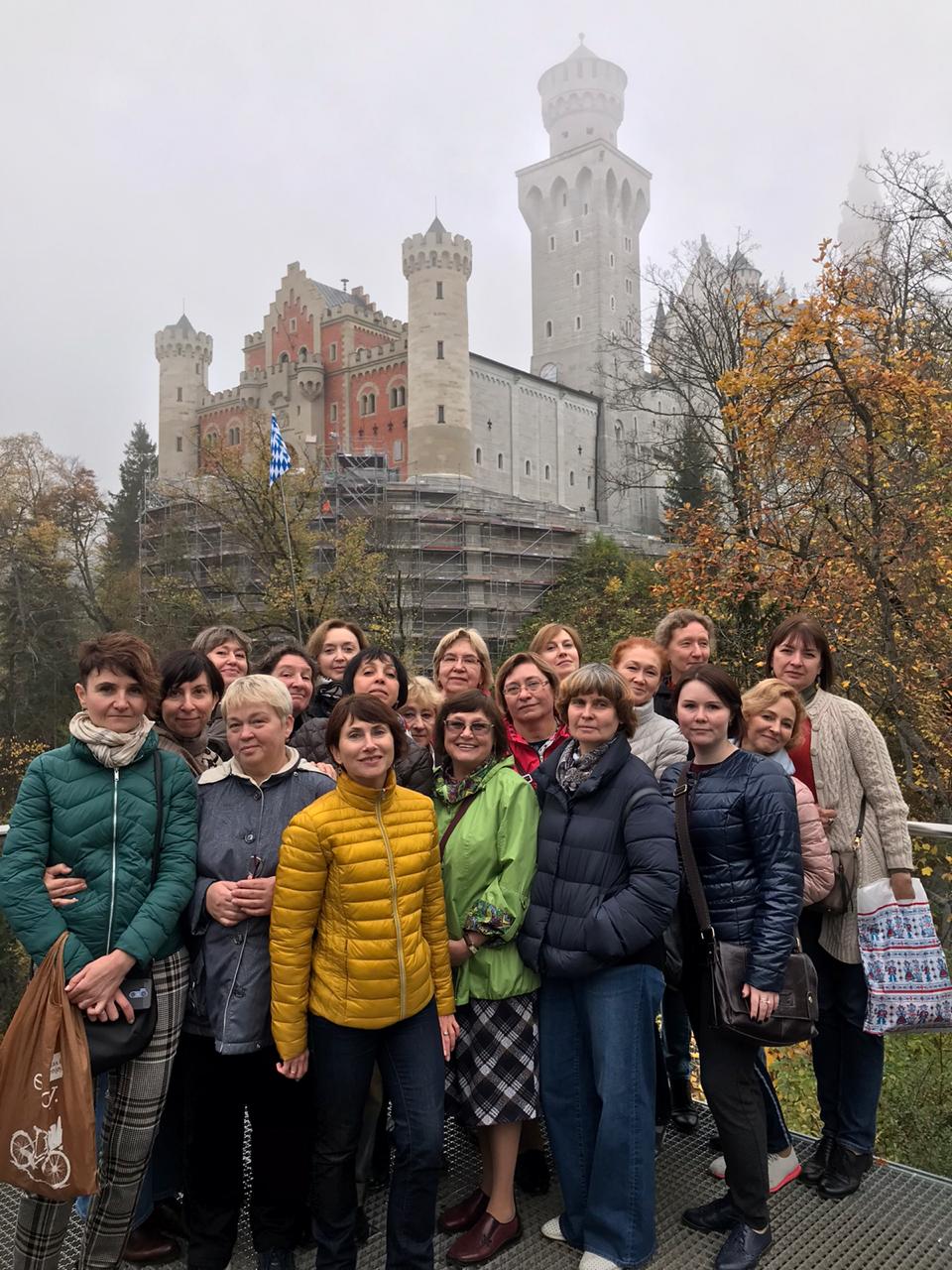
The professional programme also included visits to local cultural heritage sites such as Neuschwanstein Castle, Hohenschwangau Castle and the charming village of Obermmergau, famous for its Luftmalerei -style decorated buildings. Those world-famous sights of Bavaria created a unique atmosphere during the training and left no one indifferent.

In 2020, Library for Foreign Literature and the IFLA Preservation and Conservation Centre for the CIS and Eastern Europe (IFLA PAC) plan to continue running international exchange programmes. Negotiations are currently underway with major foreign document conservation centres. Of particular interest as part of the Russian chairmanship of BRICS in 2020 are the countries of that group. A professional exchange visit to Brazilian preservation and conservation centres is being considered.  The National Library of Brazil is the member of/hosts IFLA Strategic Programme on Preservation and conservation for/in Latin American and the Caribbean is  the regional representative of the IFLA PAC Centre for several countries in Latin America and the Caribbean. Experts in cultural heritage preservation from Russia, CIS countries and Eastern Europe are welcome to participate in international exchange programmes and other events. Russian translation is available during professional visits.

Also in 2020, it is planned to hold the next special event – School of Restoration – within the framework of  All-Russian Library Congress of RBA in Petrozavodsk (17-21 May); Annual Interdisciplinary  Research-to-Practice Conference “Book Monuments in the aspect of preservation” (Library for Foreign Literature, October). Throughout the year, Center for Preservation and Conservation of Documents  conducts professional development programmes.

Contact information:

+7 (495) 915 01 65, [email protected] – for the participation in visiting training programmes and schools of restorer;

+7 (495) 915 78 85, [email protected] – for the participation in professional development programmes in the Center Preservation and Conservation of Documents of Library for Foreign Literature;

+7 (495) 915 36 96 [email protected] – for the participation in conferences and seminars of Center for Preservation and Conservation of Documents of Library for Foreign Literature.

CPDWL Podcast Project: Episode 2

Colleagues, we are excited to announce the our second episode of the CPDWL Podcast Project where we feature library and information professionals who support and participate in professional development work.

Our guest is Catharina Isberg. Catherina is the library director of Helsingborg public libraries since 2013. She’s the new chair of the IFLA division IV, a new member of the governing board for the period, 2019 to 2021. Catharina is also a member of the IFLA Management and Marketing Standing committee and previously served in the CPDWL section for eight years in various roles such as Secretary, information coordinator and co-chair. The transcript is below with resources that Catharina referenced Enjoy!

See here for the podcast conversation!

Transcript

Raymond Pun
Hi this is Raymond Pun. Welcome to the CPDWL podcast project! In this space, we talk with library and information professionals to support and participate in professional development work. Today’s guest is Catharina Isberg, Catherina is the library director of Helsingborg public libraries since 2013. She’s the new chair of the IFLA division IV, a new member of the governing board for the period, 2019 to 2021. Catharina is also a member of the IFLA Management and Marketing Standing committee and previously served in the CPDWL section for eight years in various roles such as Secretary, information coordinator and co-chair. Welcome!

Catharina Isberg
Thank you.

Ray
So we’re really excited to have you here and with all the work you’ve done a CPDWL, and everyone is really thankful and appreciative. And from my time there I’ve certainly interacted with you collaborate with you, many times, and from what I’ve been hearing. You’ve been described as very talented very communicative, graceful .If you had to describe yourself using only one word, what word would it be?

Catharina
Actually you used one of them, communicative. I would use that one. So that’s really, that’s really what I think is extremely important in every role that you have.

Ray
Yes, certainly. And, as, as our work dictates today it’s quite a global profession and we’re always communicating with each other from other parts of the world. And, you know, this is something that I think our listeners are really interested to hearing which is what compelled you to become a librarian, how did you get started?

Catharina
Well, that is quite a funny story I would say, My parents and my sisters, they were all teachers, and I didn’t want to go that path, I wanted to do something else. So I went to the student counselor during high school, and said that, “I want to be a lawyer and attorney.” And she started talking with me as an after our discussion I realized “No, I’m not going to be in a tornado. So we went on in the alphabetical list. We started with A for attorney”, with no, and then we came to look at bibliotekarie (librarian in Swedish), and was discussing that. And I said “Yes, that’s good.” So I went for a two week internship, as part of the school year to the public library, and like that, that’s the start of it. I got summer work and then I started my education directly after in the high school. And now, I’m a librarian.

Ray
More importantly, you’re also an international librarian, you’ve been so involved with IFLA, and what does international librarianship mean to you?

Catharina
We are all part of the global arena, and the library and information arena looks much more globally. When it comes to sensation and everything, all information is accessible, or should be accessible, all over the globe. And so, that is really the important part for me, that we get access to information, and that everyone has freedom of expression that you can express, whatever opinions, you have. You should be able to do that. Wherever you are, and in order to do so you need to have accurate information. So for me, in the age of fake news and alternative facts, we all need to become more global and more international in our library work.

Ray
So that’s interesting that you mentioned fake news and alternative facts, and certainly that has been coming up for the past several years, but has that changed, like the vision for you, like when you first started and thinking about international work over the years or it’s been consistently trying to provide information access, so forth?

Catharina
Actually, when I have worked in IFLA and I’ve seen many different parts of the world, I realized how important work is, that really work on it together because I’ve seen that. It’s not a matter of having a lot of money, or all the time. It’s a lot about having your ideas and doing things together, collaborating, discussing things. And to move forward, we can get all those ideas together and really work much more together than we did before. And going to the library outside Cape Town, it gave me so much to get them to take home to my library, and also to see that we have so many things in common, but we also have things that are different from what we’re used to in our daily work. So, I must say that I become much, much more humble, and I really feel that there is much much more to learn from each other. And I thought from the beginning. And the political arena of the world is changing, I really think we need to work even more on this.

Ray
Yeah, certainly, and the fact that you had mentioned IFLA and we had mentioned earlier, your involvement with our section. Now for our listeners, they’re probably really curious for eight years you’ve been involved at CPDWLl, how did you get involved, and why this section?

Catharina
Actually it was because I was part of the Swedish National Library expert committee on CPD issues. And when the World Library Information Congress was going to Gothenburg in 2010, I visited the CPDWL standing committee meeting. And we discuss the work that we had been doing in Sweden, and the CPDWL standing committee in such a work. And by the end of the meeting, I was asked, “Shouldn’t you join the section?” and it went from there. The next year I joined the section. And when I came to that first meeting, I was asked, “Could you be the information coordinator?” And I was.

Ray
Then from there on, you became more involved a secretary and co-chair and conference satellite meeting organizers, is that right?

Catharina:
Yeah, that’s right. It all started that there. I also said when I walked into that first meeting and they said do you want to be an information coordinator? My first question was, but isn’t there anyone else that has been part of this section for longer time that should do it or wants to do it? And I got the answer, no. So, I started to get involved. And it’s just been a lot of fun.

Ray
So, any other memorable moments you have about CPDWL or IFLA that you’d like to share.

Catharina:
Well, actually I would like to share the first time we had the coaching session, We had this drop-in coach, coaching, which we provided for whoever wanted coaching on the congress delegates. And there was one lady that came up to me and we were having our coaching session and I won’t talk about what we were discussing but her gratitude and her thankfulness for this 20 minutes that we spent together, that was really, really, really important to me, and I really enjoyed it a lot and I saw that in those small things, and the small conversations and the network that you have during the conference, you can make a difference.

Ray:
Was that last year in Malaysia?

Catharina:
Yes, that’s right. And this year we had our second coaching session in Athens and it’s really important, as well as the different knowledge cáfes and workshops that we’ve had during the conferences where you really make use of everyone’s knowledge, so that everyone has a voice.

Ray:
Yeah. And we, as for our listeners, we have a webinar on coaching which I believe you spoke last May?

Catharina:
Yeah, just shortly. I was just the kind of introducing the project. We had two coaches that were thinking much more and I would really say that it’s, it’s still available the recording and you should listen to Barbara and Peter who talked about coaching. It’s a really good webinar.

Ray:
Yeah, we have that in the page that you’ll see. So for those listeners, you can click on that link on the page. And so with coaching, that’s something one area that that has been sparking interest for a lot of folks and I’m curious here to hear what are you most excited about in the profession?

Catharina:
Actually, it’s two different things that one thing is to see the change, as the library and information I realize go through. To see that it’s getting more and more important, both on a local level, but also on a national and international level. And the other thing is really to go to my work every day and see the huge difference that we can play. Just for example, walking around in the library, especially in the children area and see the energy, the happiness from all the kids reading books and getting to know new digital devices. For example, today we had the first day of a national holiday for the schools, now they are all out for this week. And it’s called the “reading holiday.” So it’s a five days of reading. And we had all this things and the activities in the library today and just to see the kids. That is really something that excites me a lot about the profession. We make a difference.

Ray:
Yeah, that sounds really cool So is there a hashtag, sort of like a, you know, read “reading day today”, or something that’s trending so that others can see or is it very internal?

Catharina:
No, I am not sure if there is an if it is it’s unfortunately in Swedish. And, but it is a national holiday for, it has been for like four years or something.

Ray:
Right. Okay, that sounds really cool. What’s a professional development tip, or advice that you like to share with others?

Catharina:
Be brave and be brave, all the time. Go outside your comfort zone. And most important, is actually to be brave and go outside your comfort zone in your everyday and work, because I think that development is done in the everyday in the, in the work, and you have to look into your workplace learning and ensure that you take really advantage of all the possibilities, tou have to continuously. Because development is something that we need to do through all of our life. And I learned something new every day.

Ray:
Wow, so that’s great. And, you know, I think a lot of folks had heard that, you know, our section is really involved in professional development guidelines, a lot of webinars and collaborations we do so encourage our listeners to take the advice of Catharina and be brave, check it out and, you know, stay connected with us on social media. It’s a great opportunity to learn what we’re doing, but also in terms of the general professions. And I know we had just talked about this earlier about your, your family encouraging you to think of the profession before librarianship. But what profession, other than librarianship would you like to attempt?

Catharina:
If I would do something else, I would actually go into management consultant or business development or something like that. Because management and leadership is really something that I’m interested in. And I like to see people and business, developing. And so I think that that could be something for me. Maybe?

Ray:
it’s interesting. And we know that you are the new division for chair so congratulations on that. And what is next for you as the division chair, what would you like to accomplish?

Catharina:
Well actually, IFLA is undergoing a huge change. And as officer, I’ve been involved in the global vision and the strategy work, and that now goes into the governance work. And we are looking into how can IFLA optimize the organization, so that we as together all of us can fulfill the vision and mission, both at present time but also for the future. We have to have a good stability and sustainability into the IFLA work. And we also need to ensure a diversity, so that we diversify our membership and make sure that we are really present and engaged in all parts of the world, so that will become truly global. And the most important part as I see it is the professional structures with all the units or the sections like CPDWL is one section. We have a lot of them, and all the special interest groups. That’s the body of IFLA. And in that all the volunteer possibilities that so many people are involved. It’s more than thousand people involved in the work, how can we make room for as many people as possible to contribute to the work of IFLA, that is something that is really important for me.

Ray:
Yeah, that sounds incredible and sounds like a lot of collaboration, and a lot of hard work, coming in for all of us. This is a quite a task but I think this will be interesting to see how we develop going forward. And you know this this time just hearing you explain about your work, your vision, your own sort of a background, we’re really really thankful that you’ve taken the time today to speak with us. And you know this this is a question, probably for our listeners wondering if they wanted to connect with you, where can they find you?

Catharina:
Well, either you can look into the IFLA governing board web page, there is my contact details, but also, of course, it is business, I would suggest LinkedIn. That’s where I am most available when it comes to business contacts.

Ray:
Great, thanks for sharing that. We’ll have those links ready, and thank you again for taking the time to speak with us and to our listeners. Thanks for listening. Please feel free to check out the resources in the page and enjoy the rest of your day.

Catharina:
Thanks.

Resources

CPDWL Coaching Initiatives and Webinar

For the love of PD, from Zagreb


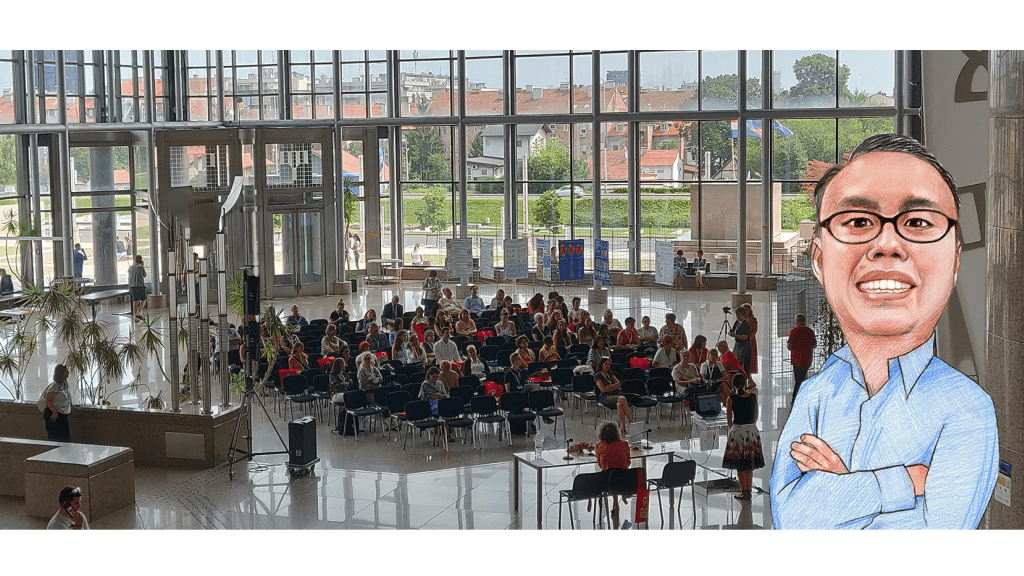
Edward Junhao Lim’s report on the CPDWL Satellite Meeting in Zagreb has been published in the Singapore Library Bulletin.  Edward works as the Reference and Research Services Librarian with the NYU Shanghai Library and he is an active member of the CPDWL Standing Committee.

In his report, Edward focuses on the importance of professional development, the PD setup in Croatia and the value of IFLA Satellite Meetings. It’s great to see how the conference in Zagreb has continued to build vauable international connections between LIS professionals.

My first conference was an international conference!

Ebru Gönül Türk
Reference Librarian, Istanbul Bilgi University Library, Turkey

This was the first time I attended an IFLA CPDWL conference. I was excited to meet new people and see beautiful places. I first heard about IFLA from my professors when I was a student at university. They always told us about their experience at IFLA, which has always encouraged me to prepare and present an international project to IFLA meetings. Since then I know that it is a pioneering organization on libraries and information services. I can say that meeting with IFLA has been my dream since university.

After my graduation, I started to work in the library of Istanbul Bilgi University. I remember my library director Sami Çuhadar asked me one day, “Ebru, where do you see yourself in the next three years?” I said, “First of all, I want to be part of a project that can represent our library in Turkey then I want to move this project to the international arena.”

During my 9-months business life, I realized that there are lots of advantages of working in a university library. However, as you connect with many different users, you see that your users may have problems accessing information or using the library. By observing these problems and taking into account the relevant fields and needs of the new generation, we have developed a gamification project as Istanbul Bilgi University Library. We received very positive feedback from our users after this project. In the third year of my business life, one day I saw an e-mail from IFLA CPDWL and remembered that I had the chance to present this project at an international arena. After consulting my managers we decided to send our project to this meeting and our project was accepted as a poster presentation.

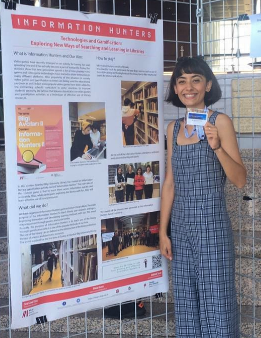
The conference lasted two days. There was a poster session on the first day and our project was accepted as a poster presentation thus, on the first day, I was very excited to meet new people, to see a new university library and present our poster. When you make a poster presentation, you have the chance to get in touch with almost all of the participants. The first day also had a very decent and warm environment to meet new people.


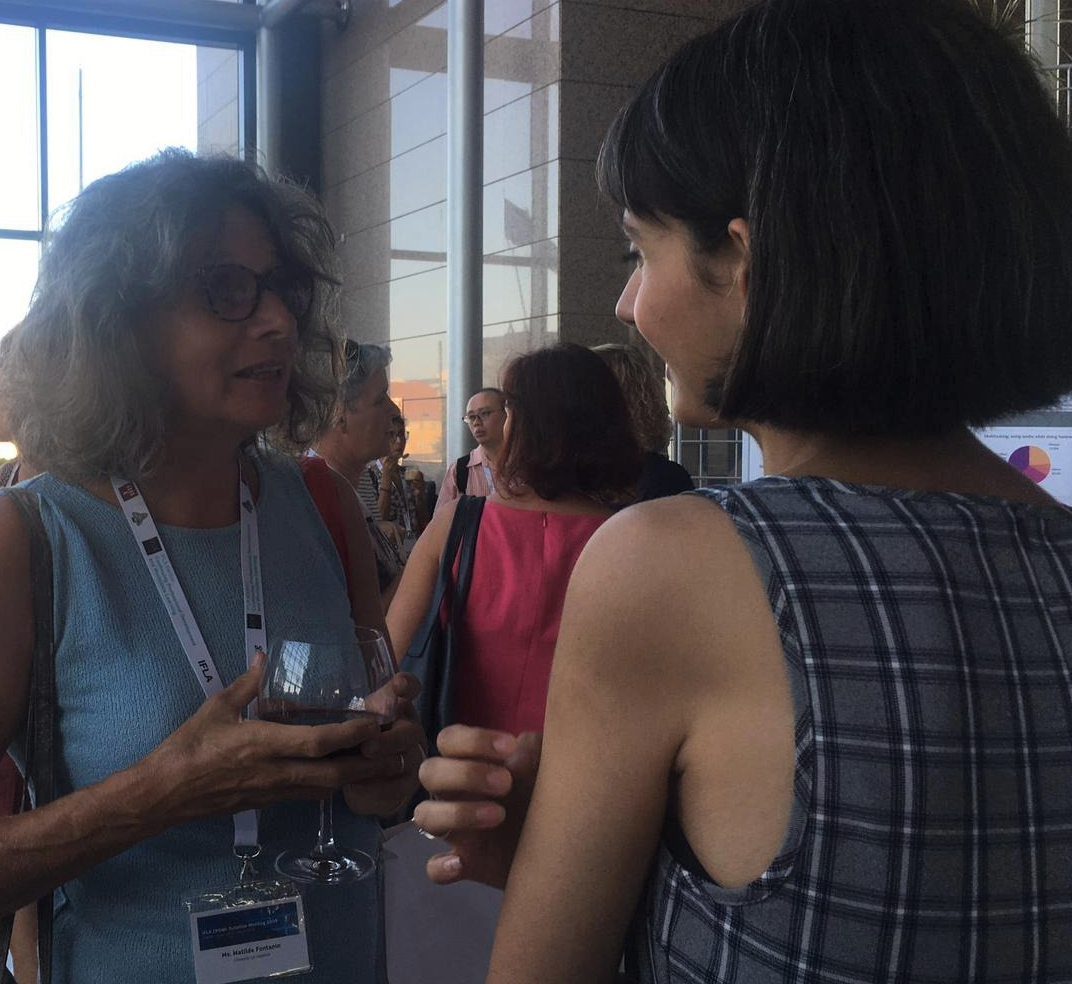
Ebru in discussions with Matilde Fontanin at the conference

The second day of the meeting started with Dr Philip Schreur’s presentation From Smart Societies to Slow Libraries: Promoters of Change! Which is was very enlightening. The day of the conference continued with numerous sessions including educational and inspiring presentations reflecting the experiences of experts in their respective fields.

After lunch, the conference continued with the presentation of Dr. Mario Hibert: Ecology of Smart Unstructuring: Silicon Regimes, Alternatives in Commons, and Unparallel Librarian. This presentation was especially interesting for me. As a librarian, it allowed me to gain a different perspective on different topics and terminologies.

I was so pleased with the IFLA CPDWL Satellite Meeting experience because it was not only the first time I have attend a conference, but also it was the first time I attend an international conference outside of Turkey. I also had the opportunity to meet with IFLA CPDWL members, we had a great conversation about how these meetings, which have been a goal for me since my university days, are planned and how the members work. It was also a great experience for me to listen to participants’ experience who have previously attended these conferences.

As a young librarian, the conference is an excellent experience for me. I had the chance to see and listen to library applications on different topics around the world. I would like to thank the IFLA CPDWL committee for their support as a librarian trying to gain experience. I hope that one day I can be a part of this epic team and I can support them as much as they supported me. I will share the experience which I gain in this program throughout meetings, panels and other professional activities in my country.

Finally, as a recipient of IFLA CPDWL Satellite Meeting bursary I would like to express my deep appreciation to the conference committee and IFLA CPDWL members for giving me this opportunity and support to attend the meeting. Moreover, I want to thank our Library Director Sami Çuhadar for giving me this unique opportunity to attend the conference. I would also like to thank Reference & Public Relations Team Manager Abdullah Turan and Library Acquisitions Team Manager Vildan Orancı for their support for the poster that we prepared and presented together at the conference.

An opportunity to learn about different areas of librarianship from different perspectives

Moon Kim, Acquisitions Librarian with Ohio State University, shares her experiences of the IFLA CPDWL Satellite Meeting 2019

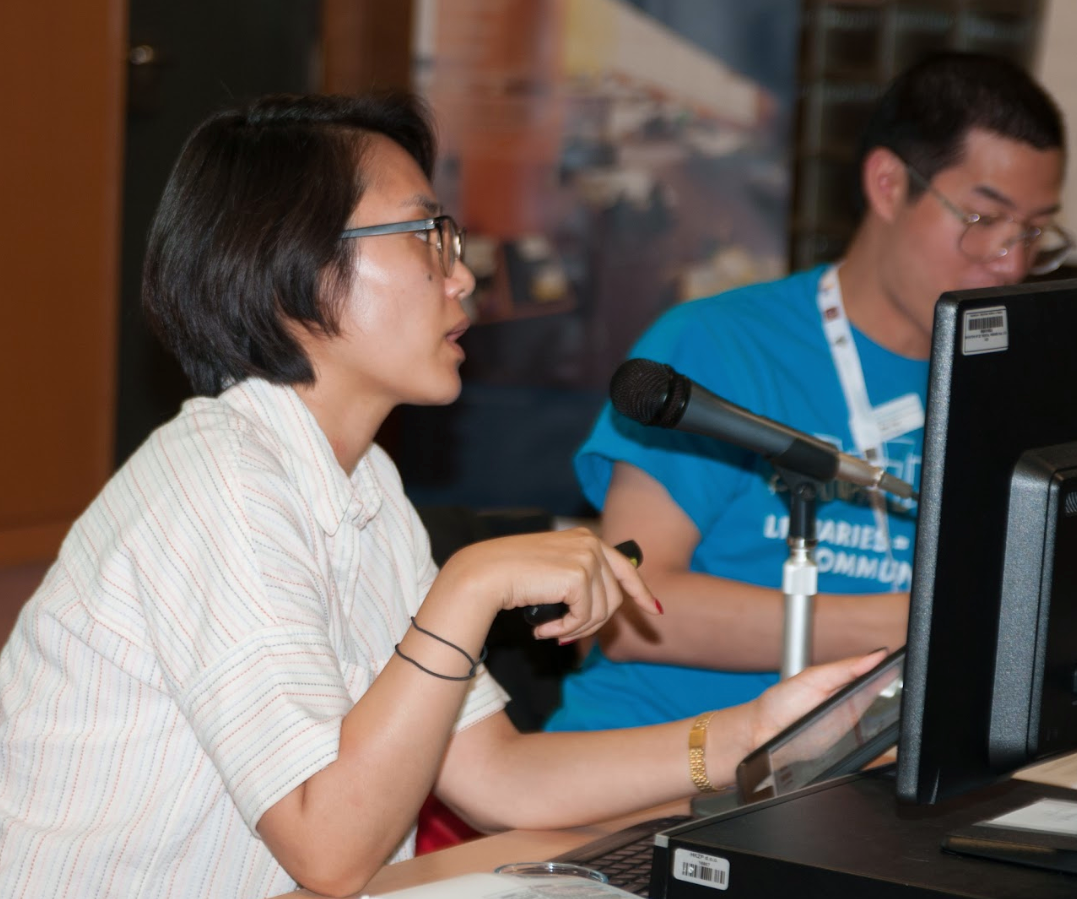
Photo: Moon Kim speaking in the Academic Libraries track at the conference, with Ray Pun

The 2019 IFLA Satellite Meeting for Continuing Professional Development and Workplace Learning (CPDWL) kicked off on August 20th at the National and University Library, Zagreb, Croatia. Under the theme of “Librarians and information professionals as (pro)motors of change,” a group of international colleagues met to exchange ideas and best practices as we paced through the posters to the tune of local music that permeated the room full of Glagolitic script in the main entryway. The tour of the Library revealed it to be the oldest in Croatia and the Library itself has changed its site and name over the years, continuously transforming itself to the needs and demands of its constituents. Holding one of the most prominent collections in Croatia, the Library proved to be a formidable host to topics ranging from professional development to linked data.

The second day of the conference consisted of the panels and presentations. Although it was not possible to attend all the excellent sessions on professional development, CPDWL had a number of sessions on how the various library professional groups approached mentoring and professional development. The importance of mentoring volunteers, students and interns in its numerous forms (e.g., formal, informal, peer mentoring) was emphasized in Croatian libraries, the Italian libraries association determined the usefulness of MOOCs as an effective and low-cost training tool, and a SWOT analysis was used to assess the current state of a Slovenian center’s learning activities. All of these sessions highlighted the value of continued development and learning for librarians and information professionals.

In addition to the professional development talks, the meeting in Zagreb was an opportunity to learn about different areas of librarianship from different perspectives. Coming from another continent with different laws and regulations, the topic regarding data protection and regulation was timely. Libraries have always been champions of patron’s data protection and the sentiment is heavily enacted in Europe, though implemented differently than in the United States. The linked data discussions on BIBFRAME and RDA furthered the conversations on the role of librarians in not only stewarding data but transforming its structures to have meaningful impact on how our users experience information.

Even for a technical services librarian based on the collections side in the US, the programming at CPDWL hit every note in offering a wide variety of professional development panels and discussions geared toward engagement with the profession. It was wonderful to not only hear about the outreach efforts in LIS mentoring for individuals in various stages of their careers, but also about the data compliance protocols in Europe and the global efforts in shaping information infrastructures. The CPDWL meeting equipped me with the knowledge to expand my professional development opportunities and connected me with colleagues doing amazing work at the international level. Zagreb as a city was also a wonderful host for the delegation of international librarians to develop our own skills and to participate in the growth and development of our profession.